Need a wingman? Apache crews could soon fly alongside autonomous drones
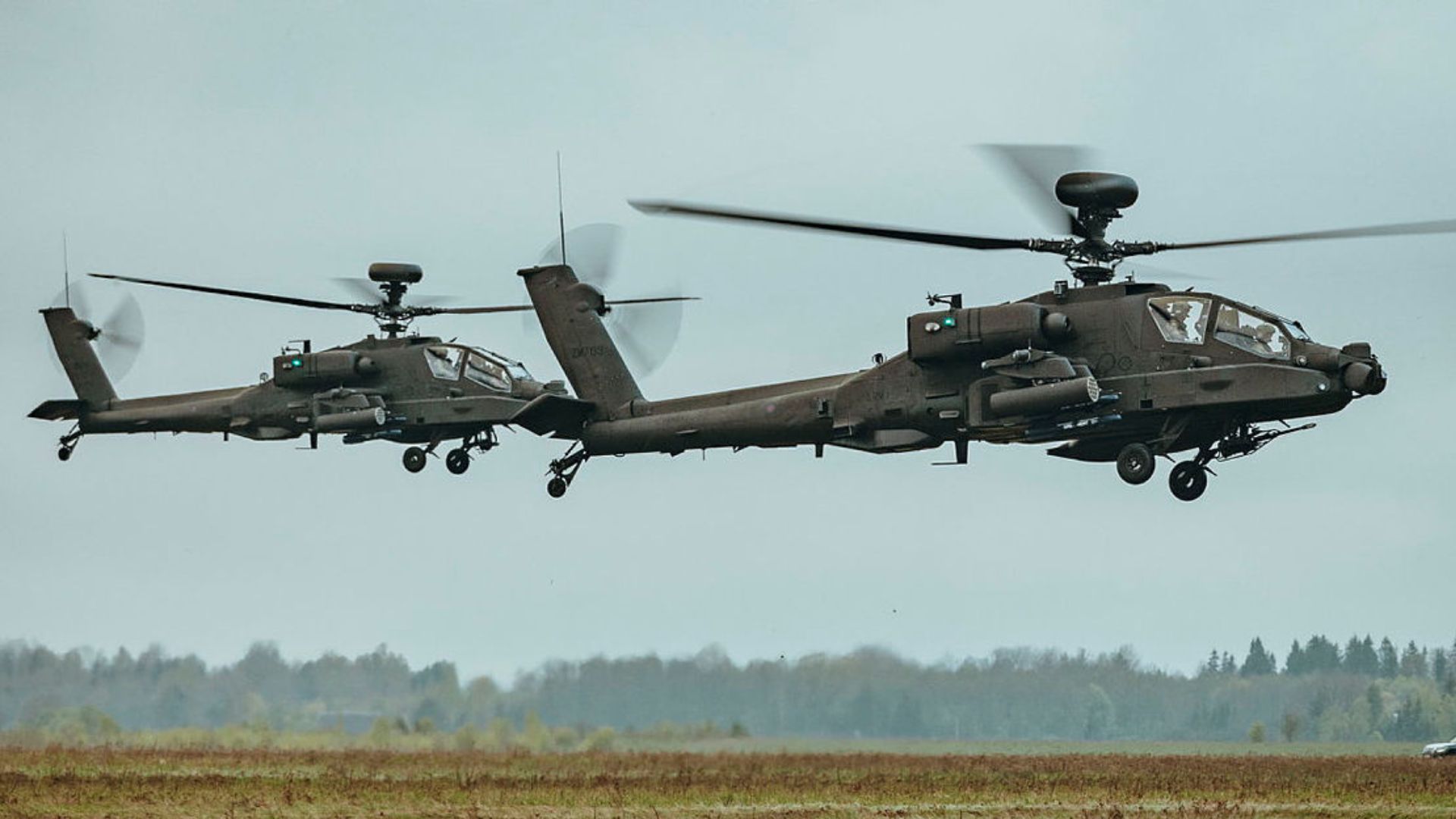
The British Army's Apache attack helicopters could soon be flying into combat with autonomous drones operating alongside them as part of a new concept designed to change the way battlefield aviation works in the future.
Project NYX, announced by the Ministry of Defence, is exploring how uncrewed aircraft can function as 'loyal wingmen' for Apache crews, carrying out dangerous tasks ahead of manned aircraft and helping pilots build a clearer picture of the battlefield before they commit to an attack.
Rather than sending a manned Apache helicopter directly into a contested area first, autonomous drones would move in ahead of it, searching for enemy positions, identifying threats, gathering intelligence, and potentially conducting electronic warfare tasks.
What this means in practice is that the drone becomes an extension of the Apache crew itself – not just another aircraft operating nearby, but part of the same mission and decision-making process, feeding information back to the Apache crew in real time.
Importantly, though, the MOD says any decision involving the use of weapons will still remain under human control.
Autonomy is key
Attack helicopters remain one of the most effective battlefield assets available to modern militaries, but they are also vulnerable, particularly in heavily defended airspace where surface-to-air missile systems and electronic warfare are becoming increasingly sophisticated. The loyal wingman concept is designed to reduce that risk.
Rather than exposing pilots and crews unnecessarily, drones can be sent forward into the most dangerous areas first. They can identify radar systems, detect enemy movements, and potentially even draw hostile fire, giving Apache crews valuable time and information before entering the fight themselves.
It is a shift in thinking that reflects the lessons emerging from modern conflicts, particularly in Ukraine, where drones have transformed the battlefield at every level of warfare.
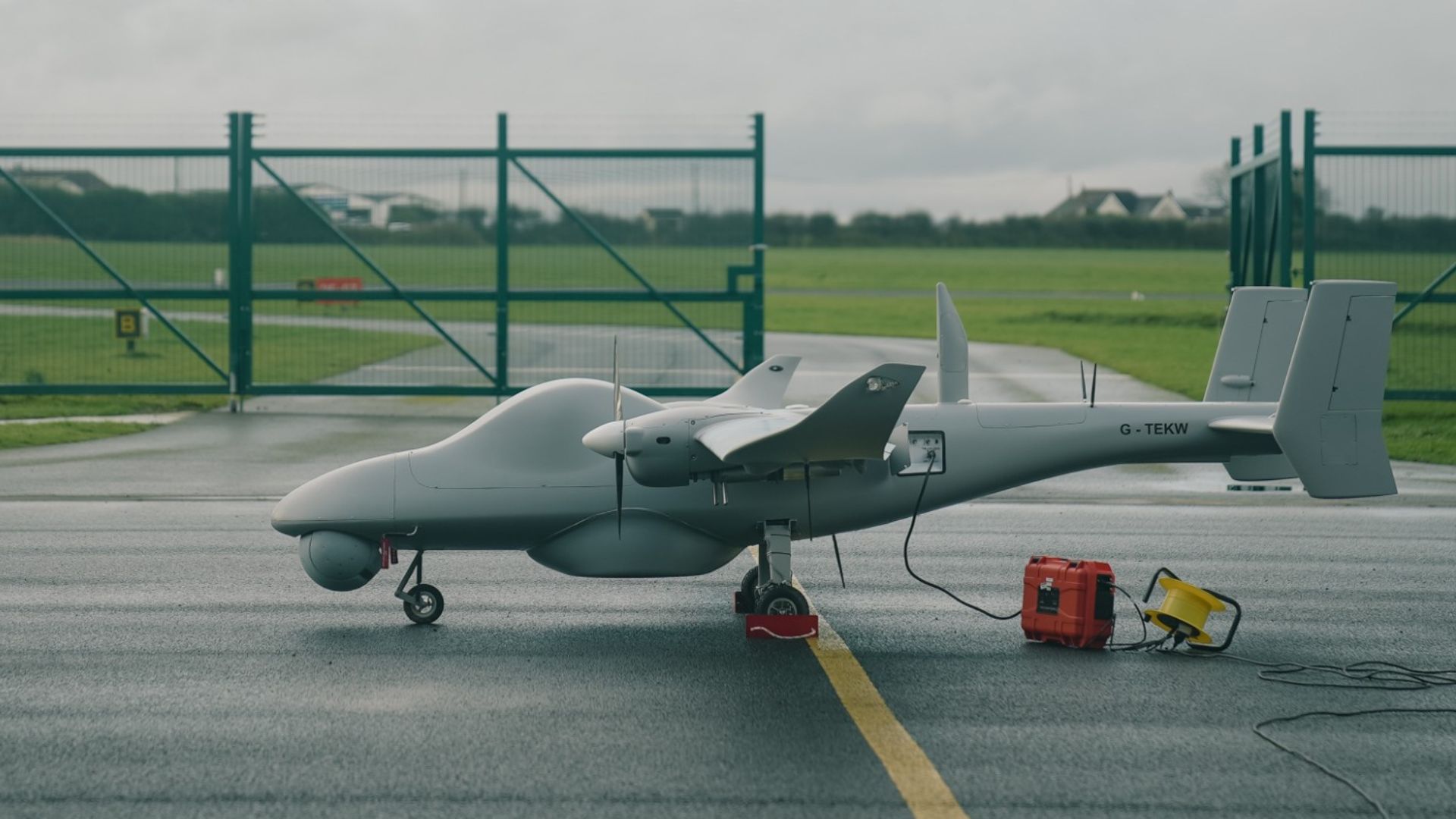
What makes Project NYX particularly interesting is that the drones are not intended to be remotely piloted in the traditional sense. Instead, they will operate autonomously, allowing Apache crews to focus on flying and fighting, rather than trying to control multiple systems at once.
That autonomy is key: an Apache crew already manages navigation, targeting, communications and weapons systems under enormous pressure. Adding direct control of several drones would quickly become unmanageable in combat.
Instead, the aircraft will effectively work as intelligent teammates, conducting tasks independently while sharing information back to the crew.
British ingenuity at its best
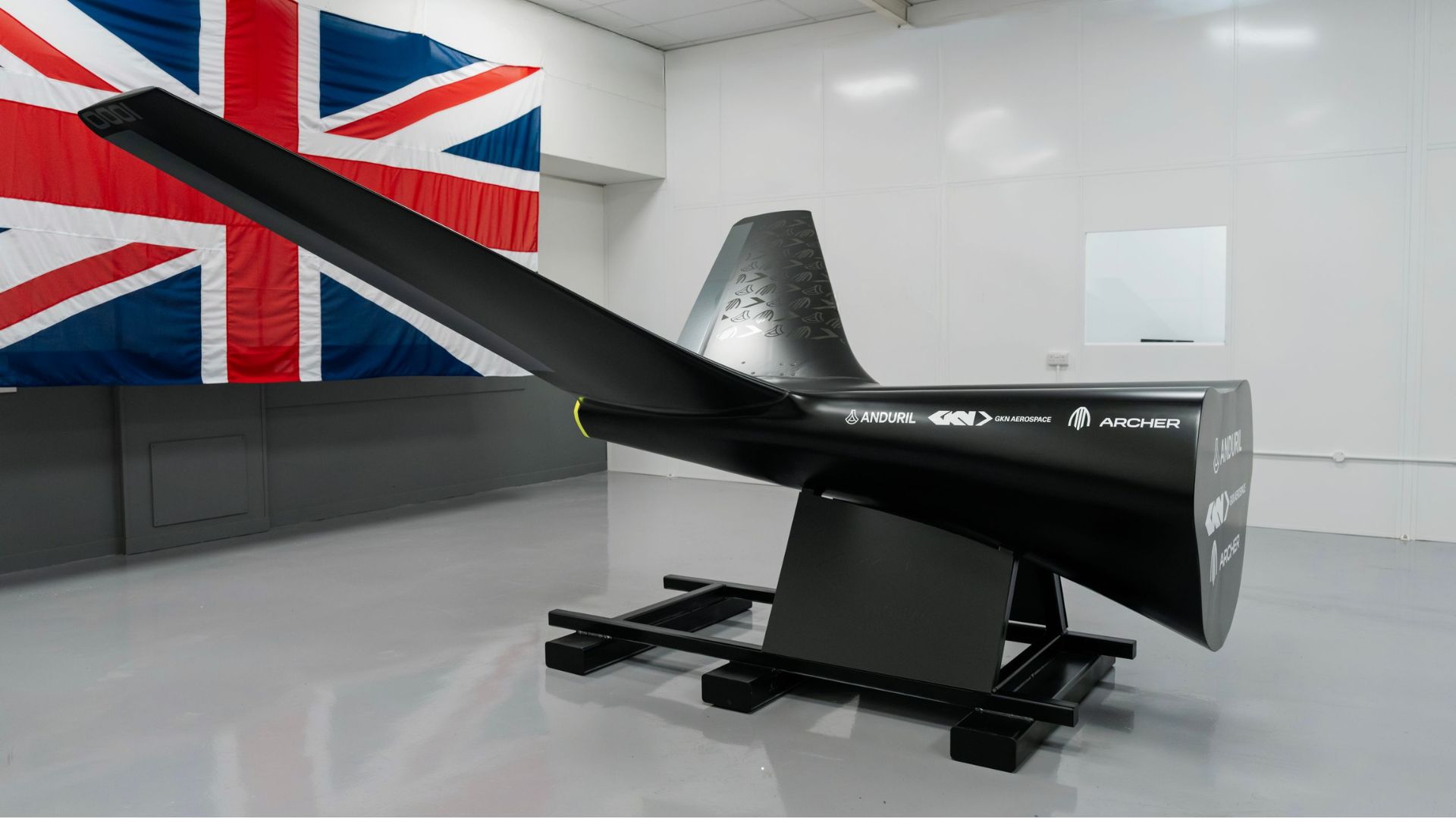
The MOD has said four companies have been selected to develop competing designs for the £10 million programme: Anduril Industries, BAE Systems, Tekever and Thales UK.
Each proposal is expected to take a slightly different approach, using different payloads, sensors, and autonomous systems. While the exact designs remain commercially sensitive, the four companies selected for Project NYX appear to be taking quite different approaches to the loyal wingman concept.
Anduril Industries is expected to focus heavily on AI-driven autonomy and rapid battlefield adaptability, potentially using a rotary wing or hybrid aircraft capable of operating closely alongside Apache helicopters.
BAE Systems appears to be developing a more traditional military-focused autonomous helicopter platform, with an emphasis on survivability, secure communications, and electronic warfare capability.
Tekever is believed to be offering a fixed-wing reconnaissance drone optimised for long endurance surveillance and battlefield intelligence gathering.
Thales UK is expected to focus on autonomous mission systems, sensor fusion, and battlefield networking, using a rotary wing platform developed in partnership with Schiebel.
The perfect wingman
Defence Minister Luke Pollard described the programme as an example of "British ingenuity at its best," adding that the UK was helping shape the future of warfare rather than simply reacting to it.
For the Army Air Corps, the technology could eventually represent one of the biggest changes in battlefield aviation since the Apache first entered British service.
For decades, the concept of a wingman has been built around trust between two pilots in the air. Project NYX suggests that in the future, one of those wingmen may no longer need to be human at all.
Related topics
Join Our Newsletter