The big chill: F-35A Lightning put to the test in extreme cold and icy conditions

Extreme conditions can pose a serious hazard to a combat aircraft – degrading performance and potentially leading to a loss of the aircraft or even human life.
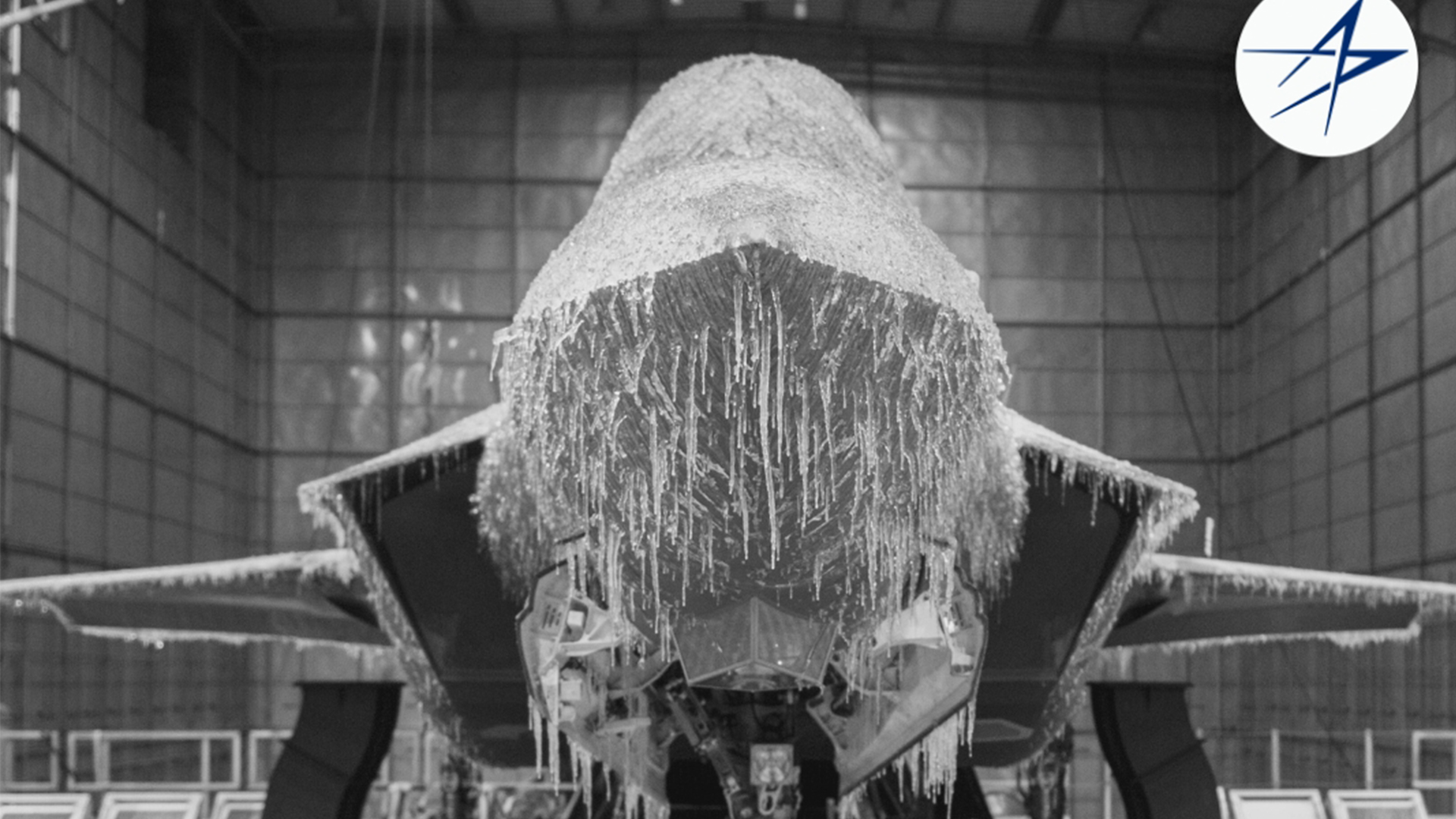
In very cold weather, ice can accumulate on the surfaces of an aircraft, increasing weight and drag, and decreasing the amount of lift and the level of control.
Engines are vulnerable too in such conditions, so in order to ensure modern combat aircraft are up to task of operating in these environments, they are tested in a special facility, such as the F-35A seen here.
This particular Lightning II was put in a freezing chamber at the McKinley Climatic Laboratory at Eglin Air Force Base in Florida, where it was subjected to sub-zero conditions.
Lightnings have been tested there before – along with a raft of other aircraft dating back to a B-29 Superfortress in 1947.
As MCL spokesperson Kirk Velasco explained: "Testing weapons systems under extreme environmental conditions is a vital necessity for improving system reliability.
"The capabilities of the MCL help engineers ensure maximum reliability and operational capability of our ever-more-complex weapon and weapon support systems as our global operational theatres continue to impose harsh environments."
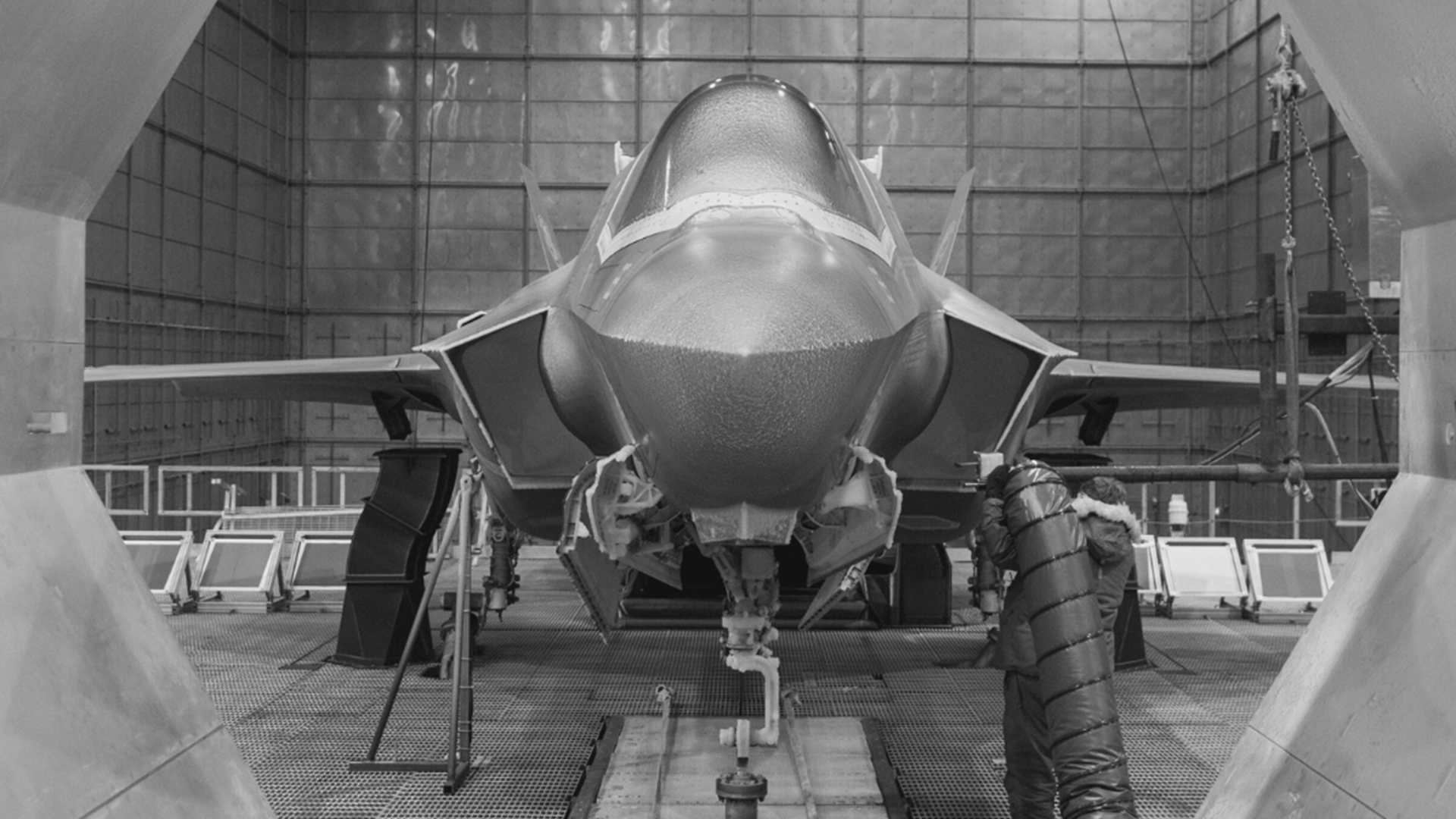
The MCL has five test chambers, with the main chamber being the largest climatic chamber in the world, able to hold any aircraft in US military service.
The climatic conditions that can be created in this chamber include low temperature conditions down to -18°C and high temperature conditions up to 74°C.
Solar radiation, high and low humidity, wind, rain, sand, dust, snow, freezing rain, ground and in-flight icing, as well as a highly corrosive salt fog environment, can also be reproduced.
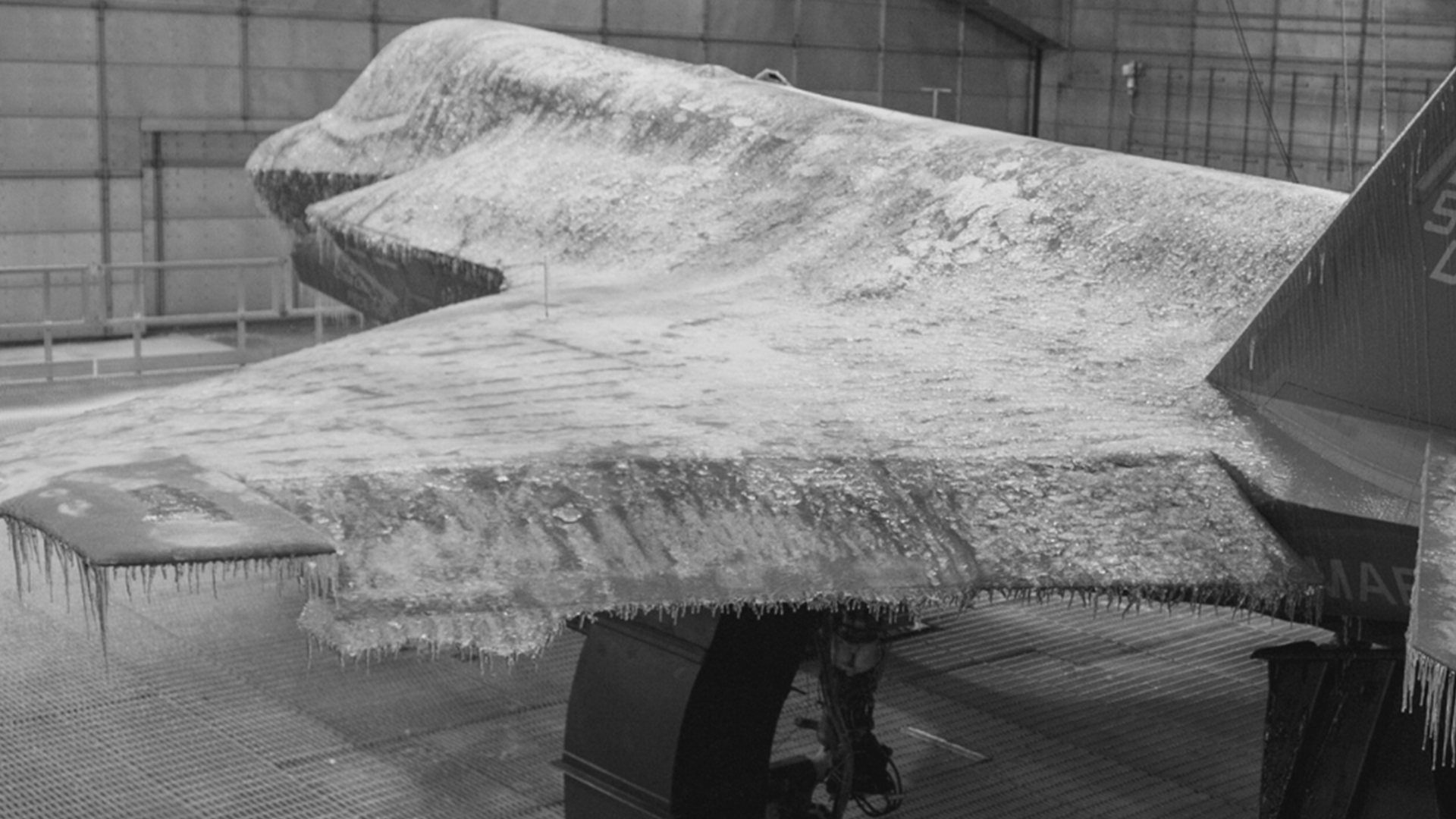
The MCL even has the ability for test aircraft to run their engines in such conditions, so staff can monitor its performance, gather crucial data and work on improving the design.
On the Eastern Front in the Second World War, ground crews would often light fires underneath the engines of their aircraft on cold nights to ensure the oil didn't freeze.
Modern lubricants – and technology in general – have advanced massively since then, and testing aircraft like the F-35 shows just how far this aviation technology has come.
Join Our Newsletter