Picking up the workload: AW149 taking on multiple roles vacated by the Puma

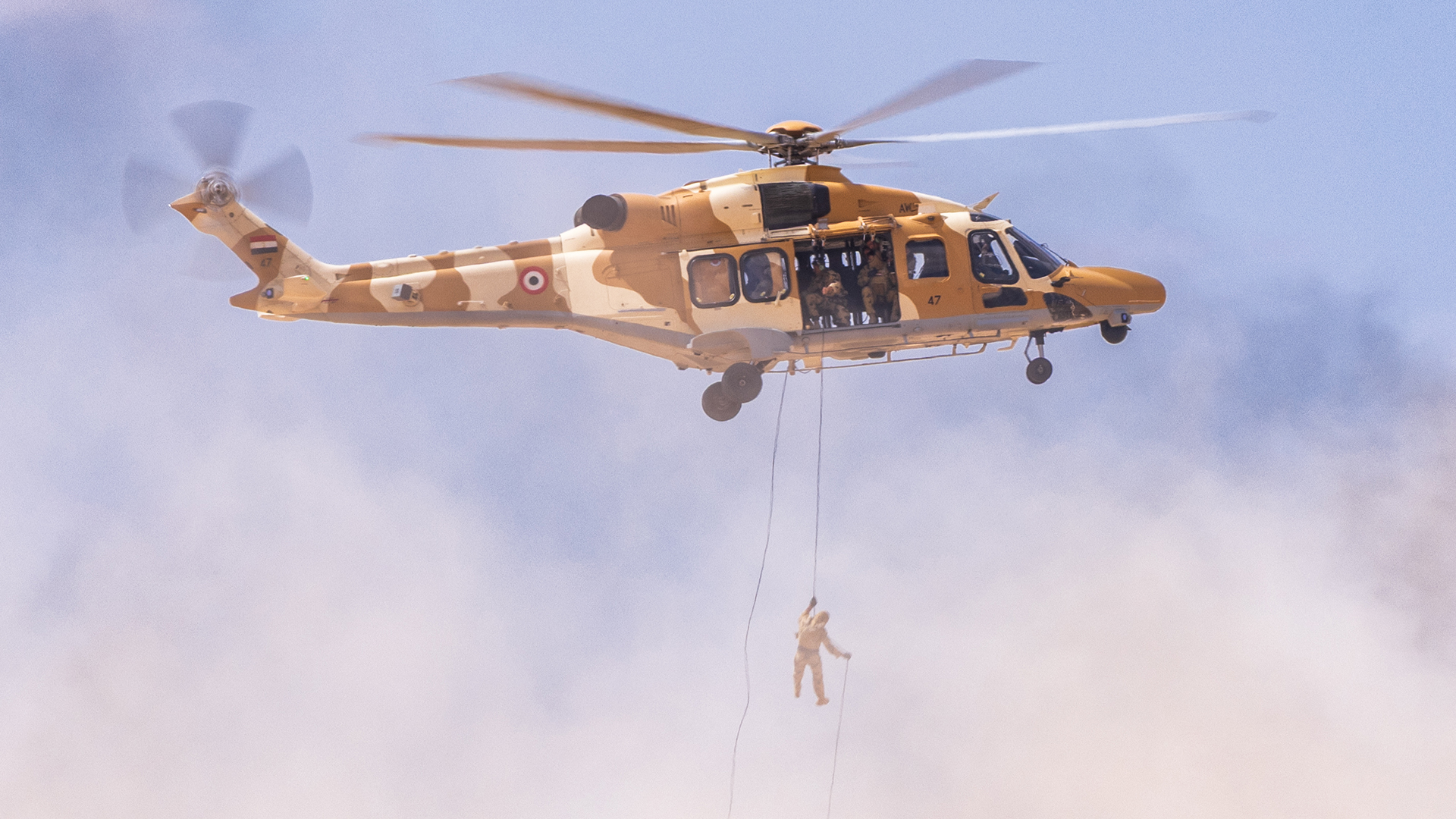
The Royal Air Force and British Army are due to receive the Leonardo AW149 – a helicopter that's already been proving its worth with Thai, Egyptian and Polish forces.
In British service, the AW149 is set to replace the Puma, which was retired in March 2025.
It's being brought in under the New Medium Helicopter Programme and offers the RAF and Army a number of capabilities, much like the Merlin does for the Royal Navy and Commando Helicopter Force.
Medium lift but multi-role
The Ministry of Defence says once in service, it will provide the Armed Forces with a new medium-lift aircraft capable of operating in all environments, from warfighting to humanitarian efforts.
According to Leonardo, the AW149 is optimised for a multitude of battlefield missions.
These include:
:: Troop transport and resupply/external load lift
:: Medical and casualty evacuation
:: Special forces operations
:: Close air support/armed escort
:: Command and control
:: Intelligence, surveillance and reconnaissance
:: Search and rescue and personnel recovery
The AW189, the civilian version of the 149, is already in service in the UK with HM Coastguard.
Mission-specific
The AW149 is capable of flying by day or night and can be flown on instruments only. It's also compatible with night vision goggles.
Instead of traditional analogue instruments, the AW149 has something known as a "glass cockpit", where the aircrew receive data via electronic flight displays.
The AW149's cabin can be configured to match the mission. In the special forces role, for example, the helicopter can carry a range of crew-served weapons while taking up to 12 fully equipped operatives.
When carrying out a casevac, two Nato-standard stretchers can be carried with enough room for medical personnel to work on the casualties while the aircraft is in flight. Alternatively, up to six stretchers can be loaded.
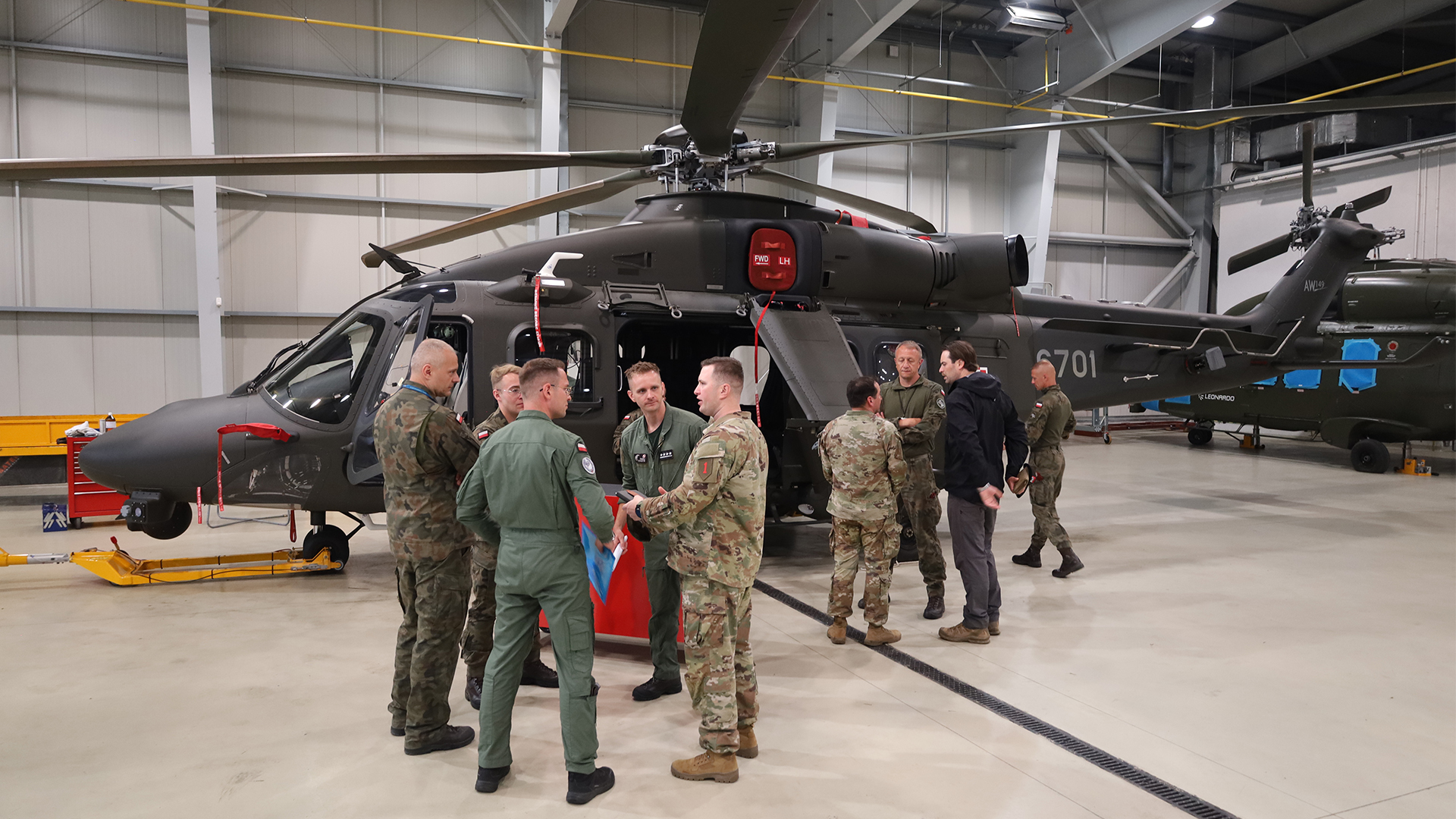
However, the role in which the AW149 will probably be used most is troop transport, with up to 16 soldiers or RAF Regiment gunners being able to be taken where they're needed.
Like the Merlin, it's powered by three engines. These can either be two General Electric CT7-2E1 and one Safran e-APU or two Safran Aneto-1K and one Safran e-APU.
It has a maximum cruising speed of 294km/h with the General Electric setup, a maximum range of 1,009km, and an endurance of five hours and five minutes.
In addition to the cabin-mounted crewed weapons, the AW149 is capable of being equipped with a range of external weapons including guided/unguided 70mm rockets and air-to-ground missiles.
Join Our Newsletter