Military radios could be replaced to maintain communication security – by lasers
Military communications could be set for a shake-up.
Radios have been used by the Armed Forces since the First World War, but jamming and detection have become an increased risk for personnel using them.
Laser technology is being tested to see if it can provide safer and more secure comms in the field.
Maintaining COMSEC
Peter Stensgård-Hansen of Lithuanian-based company Astrolight said: "I died so many times during my nine months of service because the moment I pushed that radio down it's a big 'hello, here is battalion command'. I was bombarded to pieces."
In contrast, Mr Stensgård-Hansen explained how lasers are far less prone to interception.
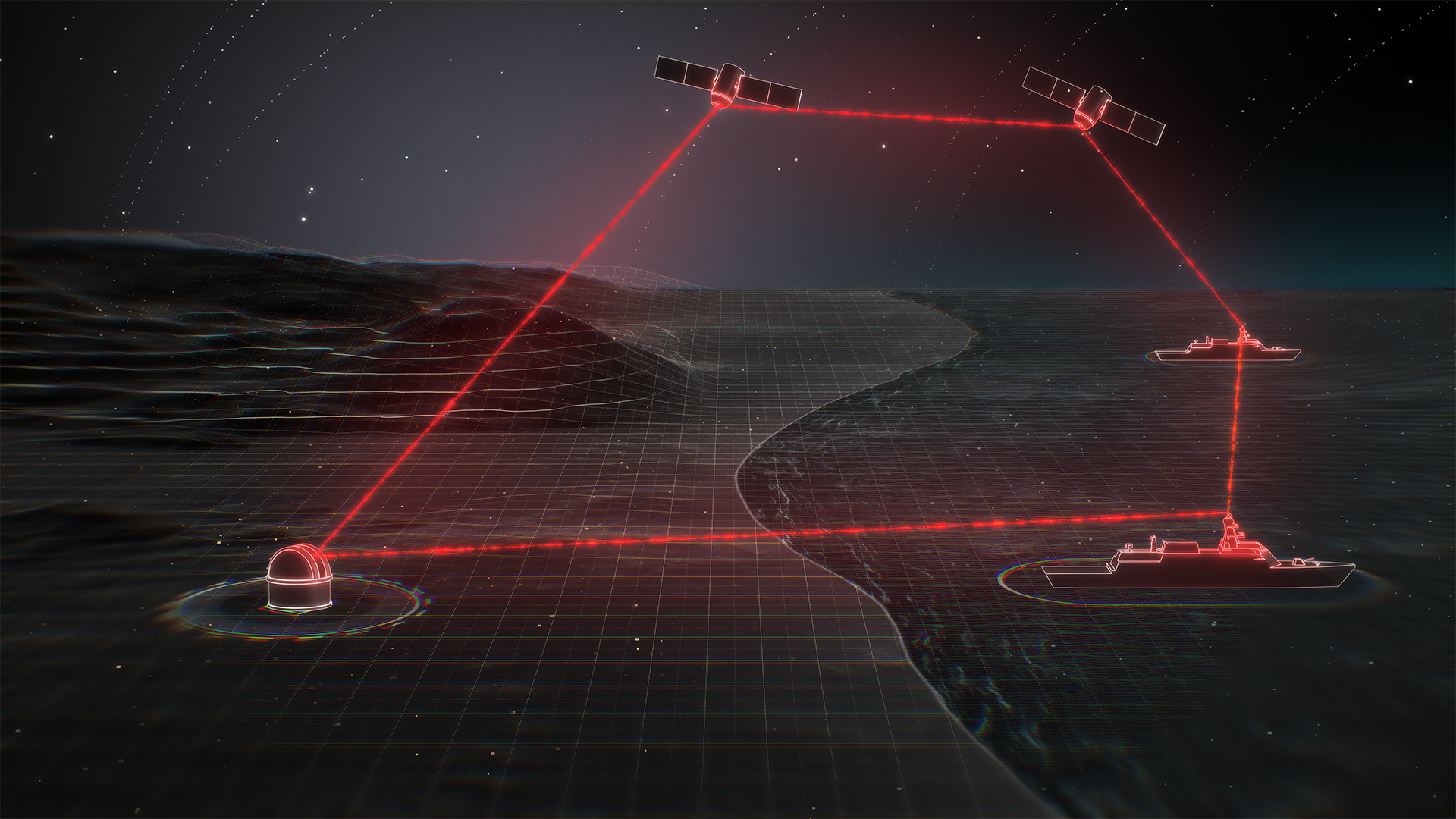
"This is just free space, a very narrow beam that only transmits from a very narrow path from the transmitter to the receiver," he said.
"When you push the button there only two people that will know there's a communication going on.
"It is a non-visible spectrum, so you cannot see it either from the other side. And if you want to jam it, then you have to physically go in and block it."
Adding encryption
"On top of that, we do see advanced quantum encryption that will exactly go on top of this technology," he added. "So spinning each photon in the right way in a special sequence, coding each photon so if you catch the photon, you don't know how to understand what is the content of the photon."
Nato has been considering the new technology, testing it out on a naval exercise called Rempus 25 off the coast of Portugal.
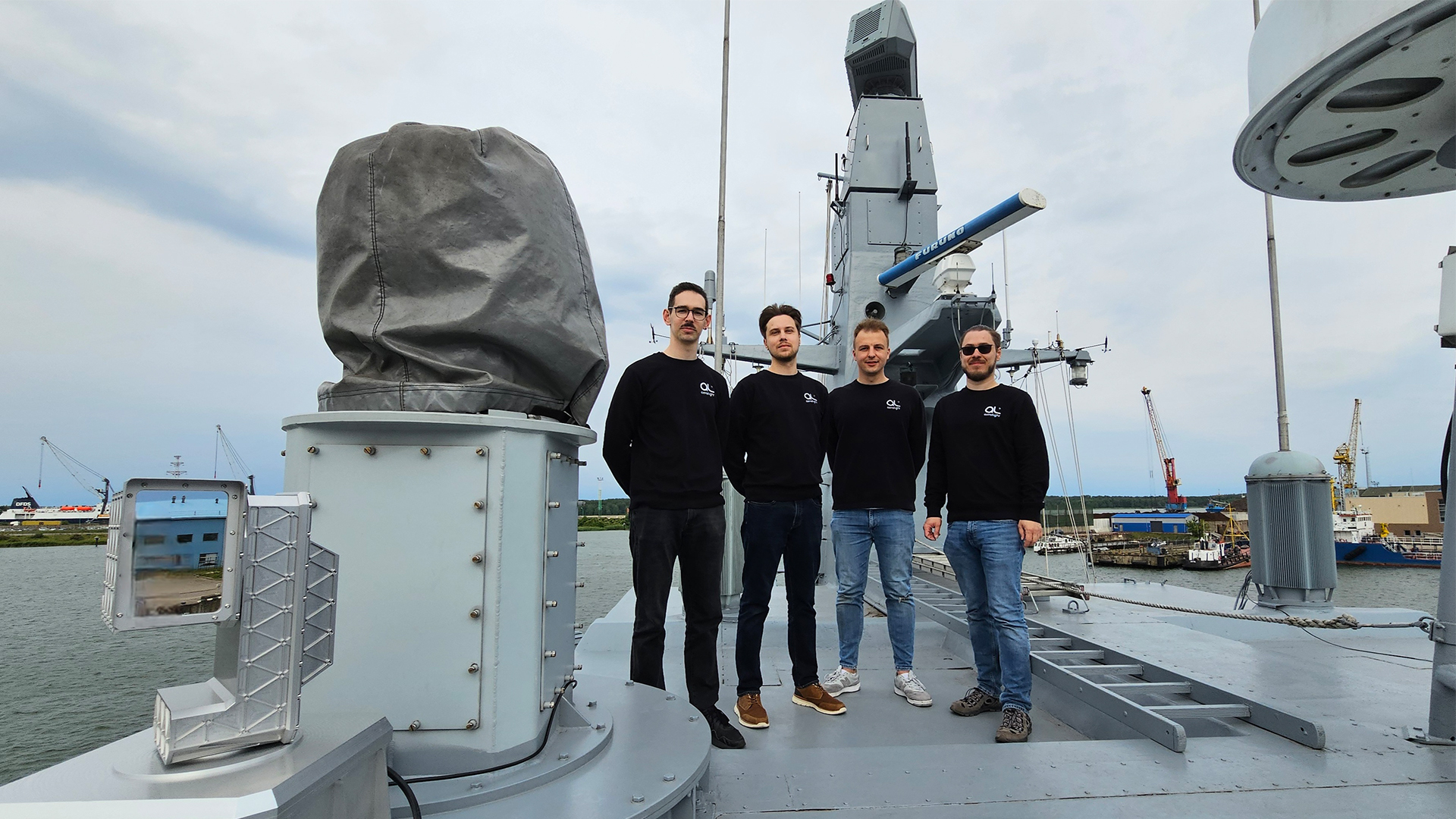
It saw the Portuguese navy use the Polaris system to maintain an undetected, jam-proof laser-based link between two of its ships.
The system was also used to link Ādaži Military Base in Latvia and a remote command post during an exercise in the Baltic state.
A ground station in Greenland
"We see in the Russian-Ukrainian war how much electronic warfare matters for your capabilities as a strategic foundation and how much counter-EV matters," Mr Stensgård-Hansen said.
"That weapon race that is between electronic warfare and counter-electronic warfare, so for us was the need to find something that could move Nato in front of the game again."
The company is now building an optical ground station in Greenland to enhance the security of ground communications.
Mr Stensgård-Hansen added: "It means a lot for both resilience, but also robustness.
"The idea of establishing a position in Greenland came from our experience with Nato... we need to spread out our global space infrastructure."
Related topics
Join Our Newsletter