Drebbel's submarine: Radical 1620 invention the Royal Navy dismissed as a novelty
In 1620, Dutch inventor Cornelis Drebbel built the world's first operational, navigable submarine while working under the patronage of King James I in London.
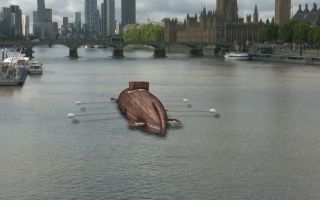
It was essentially a wooden rowing boat covered in greased leather to keep it watertight, with oars extended through the sides of the boat, allowing the vessel to submerge and move beneath the River Thames.
It could remain underwater for three hours, with Drebbel using chemical reactions to refresh the air supply and could reportedly carry up to 16 passengers.
It was even rumoured that King James I once boarded as a passenger.
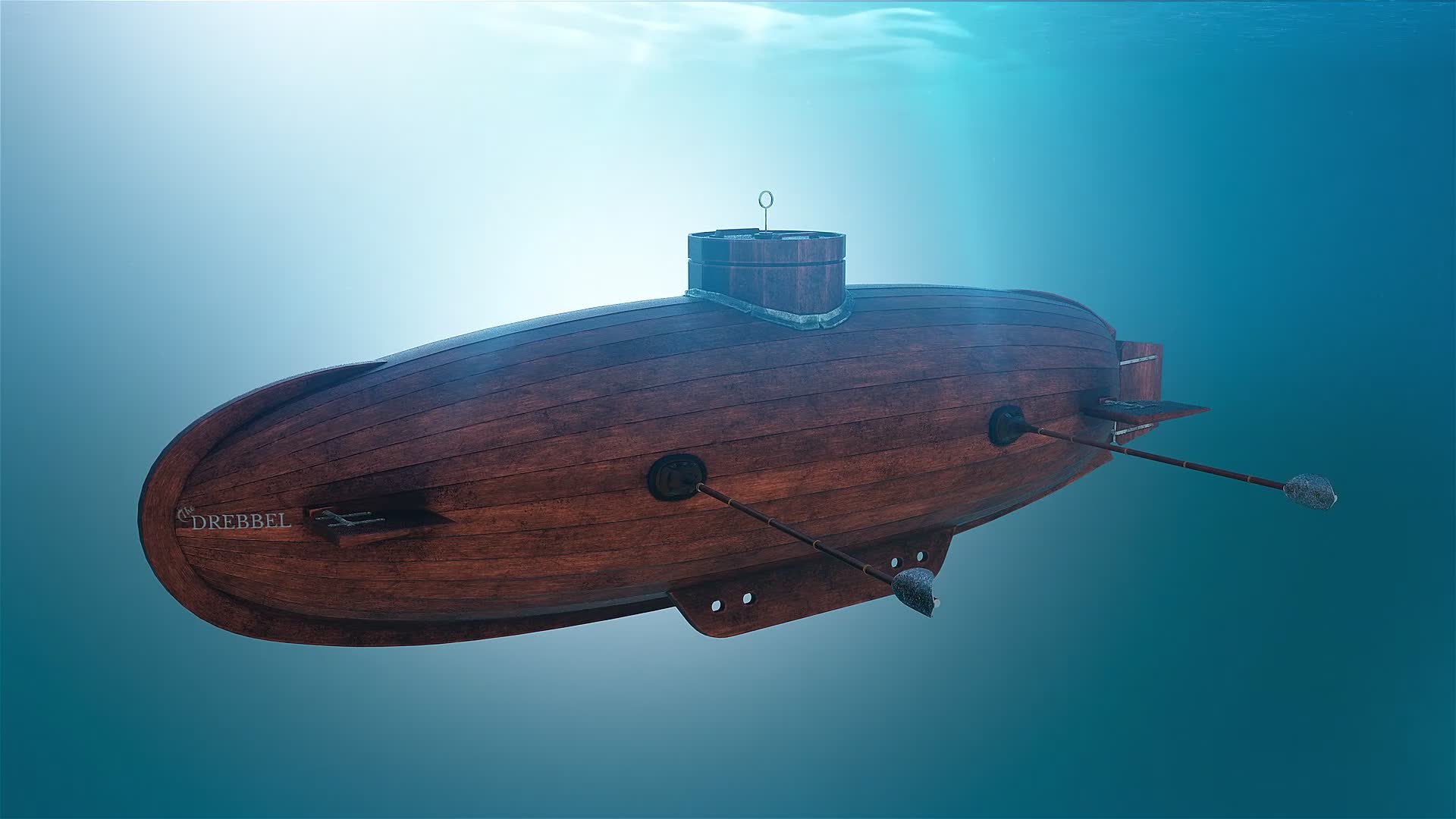
The vessel was an incredible engineering feat for its time, with the submarine's ability to navigate unseen beneath the surface paving the way for early ideas of underwater combat.
At the time, the British Navy did not see the military value in Drebbel's invention, instead dismissing it as more of a spectacle than a weapon.
Although his invention faded into obscurity, his radical, century-ahead engineering laid the groundwork for centuries of submarine innovation.
Related topics
Join Our Newsletter