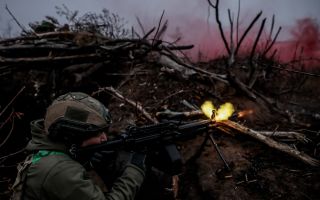
XV Excalibur: Royal Navy's autonomous submarine fires heavy torpedo for first time
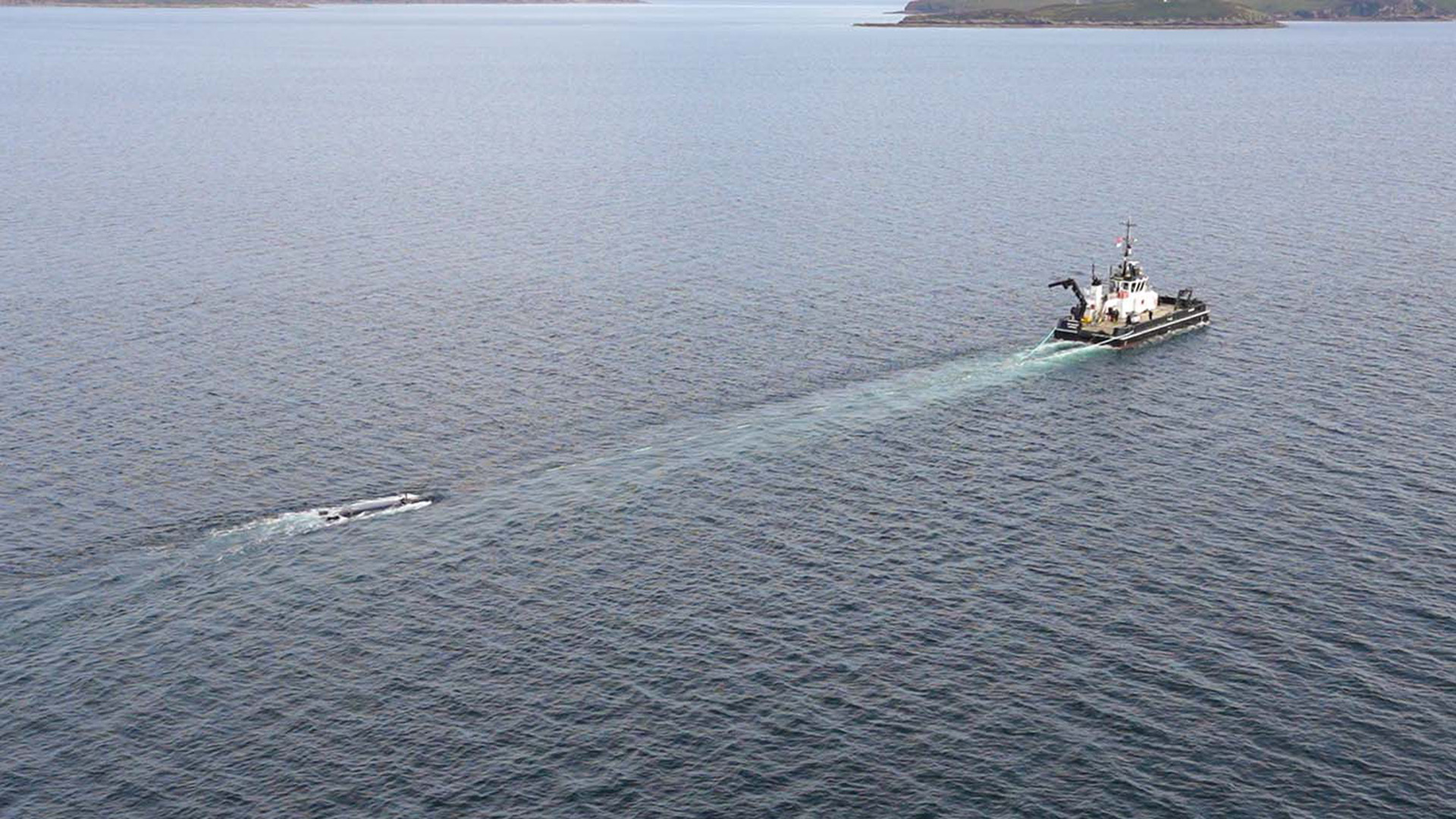
A UK autonomous submarine has fired a heavy American torpedo for the first time near the Kyle of Lochalsh on the northwest coast of Scotland.
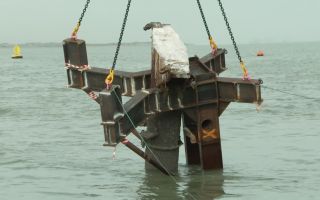
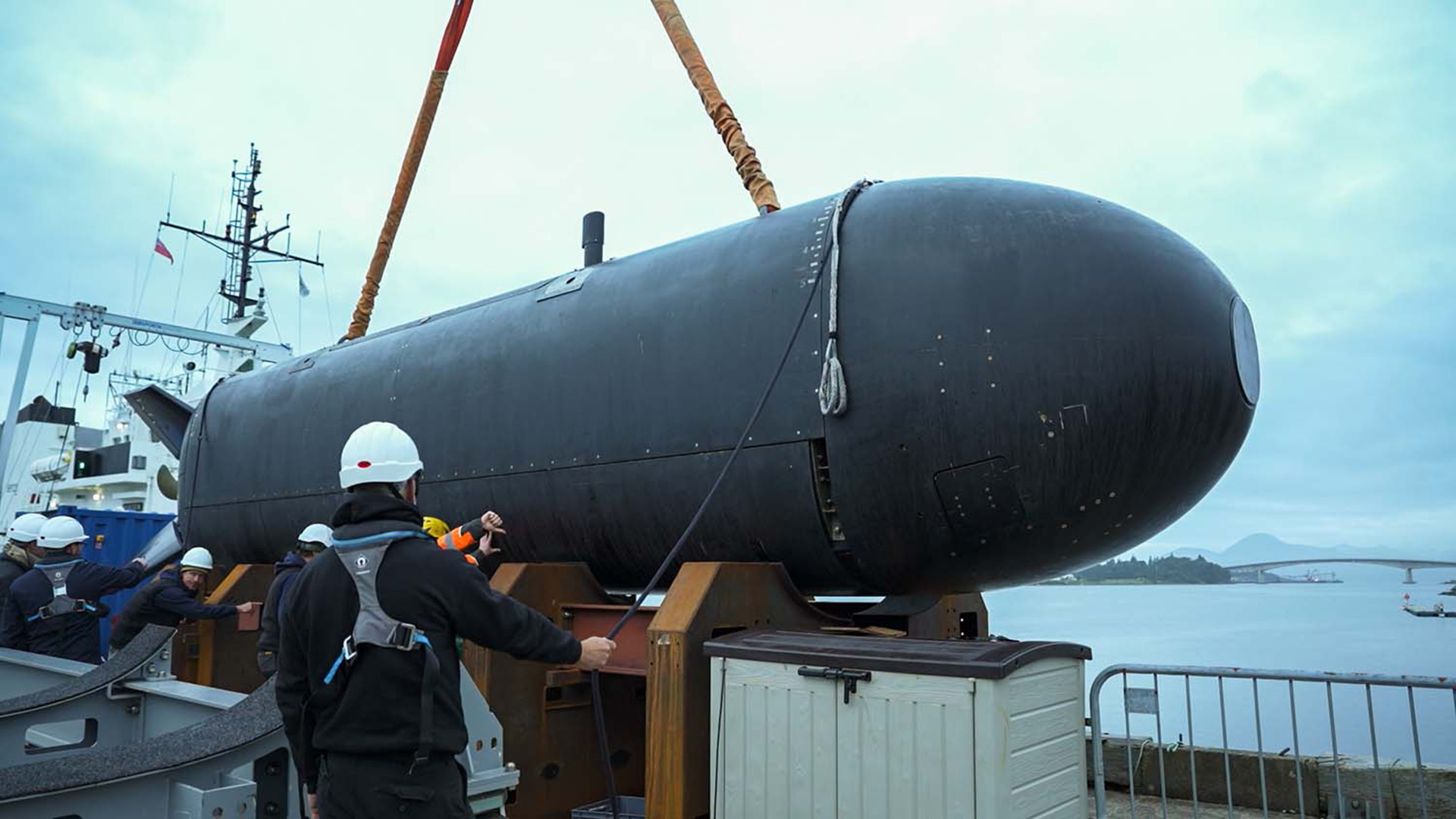
The Royal Navy's 12-metre uncrewed submarine XV Excalibur, which entered service in May 2025, discharged the US navy Mark 48 Mod 4 heavyweight weapon at the British Underwater Test and Evaluation Centre.
The trial is part of Project Broadsword, which is examining whether US weapons can be easily plugged into British robotic vessels and work together instantly, and it has been deemed a success so far.
Increasing the Navy's underwater lethality
So, why is this moment so important? "I think what we see here is a really important tool, which is being developed for the arsenal of underwater warfare for the UK," Commodore (Retired) Steve Prest said.
"And what having a weapon carried by this sort of vessel allows you to do is you don't have to pack all of that endurance and all those sensors and the ability to transit into the weapon itself.
"You can put that into the XLUUV [extra-large underwater uncrewed vessel] and then the weapons remain optimised for what it does best, which is that short last phase, [the] last few thousand yards of attack, to penetrate the defences of the target and destroy it."
Cdre (Ret'd) Prest also said if the autonomous submarine is captured, there is a benefit in that the Royal Navy has not lost a submarine full of personnel.
"The importance of this achievement cannot be overstated – this paves the way for a step change in underwater lethality, and shows how Navy capability is planning to deliver new capabilities to the fleet," Lieutenant Commander David Iwanek, the UK trial director, said.
The launch is the first in a series of trials initiated by the United States that will increase in scope and complexity, ultimately aiming to get torpedo-launching uncrewed vessels on to operations around the world.
The three-week experiment used an inert, recoverable version of the heavyweight torpedo, and was completed by the Royal Navy in partnership with the US navy, the UK's Submarine Delivery Group Autonomy Unit, part of the UK's Defence Nuclear Enterprise, as well as MSubs, which built Excalibur, and QinetiQ, a global defence company, .
The Mk 48, which weighs more than one-and-a-half tonnes, is designed to obliterate adversary submarines and warships and is used by half a dozen navies.
The message to adversaries
Asked what this means for submarine warfare, Cdre (Ret'd) Prest said: "You're probably going to sit in a choke point or just outside somebody's harbour.
"So, in a time of war, if, say, an enemy submarine or ship that had the signature that matched that vessel was looking for you, you could effectively ambush it using this.
"And because it's uncrewed, it could stay there very quietly, perhaps just resting on the bottom for a long period of time."
The fact that this successful test is being highlighted is also sending a message to potential adversaries.
The former Weapon Engineer Officer on HMS Westminster added that it shows enemies that the UK can disable their vessels in their harbours.
"The experience of the Russians in the Black Sea is if you don't come up with these countermeasures in advance, then you start losing ships in harbour very quickly to these sorts of technologies and in those constrained choke points," he said.
Beyond the Ukraine war, the US released footage showing drone boats striking an Iranian shipyard in what is thought to be the first-ever time that Washington deployed sea drones in combat in July this year.
Hybrid Navy and Aukus
This all feeds into the ambition for the UK's Hybrid Navy, which is aiming to combine autonomous platforms with crewed vessels.
It also shows that weaponry can be shared between Britain, the USA and Australia as part of the Aukus agreement.
"These trials mark a pivotal moment for Aukus and show what the UK, Australia and the United States can achieve together," General Sir Gwyn Jenkins, the First Sea Lord, said.
"In just six months, the British and American teams, supported by industry, have delivered a credible fighting capability – one that also shows just far we have come with the Hybrid Navy."
It is still early days for this kind of technology, and it will likely be some time before the UK sees it deployed as an active weapon system.
But what this successful step does show is what autonomous submarines can do, and what we might see in the underwater battlegrounds for years to come.
Additional reporting by Stuart Rumble, Tom Sables, and Jonathan Moynihan.
Related topics
Join Our Newsletter