UK's deadliest threat: Are the Armed Forces prepared to handle a biological attack?
The recent death of a Russian laboratory worker at a Siberian plague research institute has brought the threat posed by deadly viruses into sharp focus.
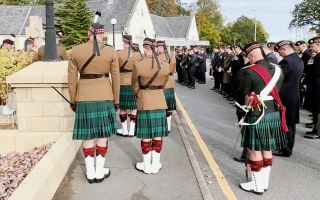
But if Britain's enemies were to unleash a biological weapon, how prepared are the Armed Forces to respond?
Hamish de Bretton-Gordon, a former Commanding Officer of the UK's Joint Chemical, Biological, Radiological and Nuclear Regiment, said recent events have made people realise "this is a threat that we cannot ignore".
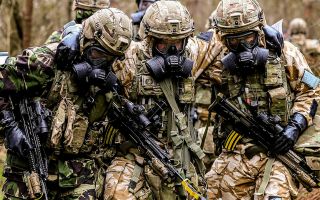
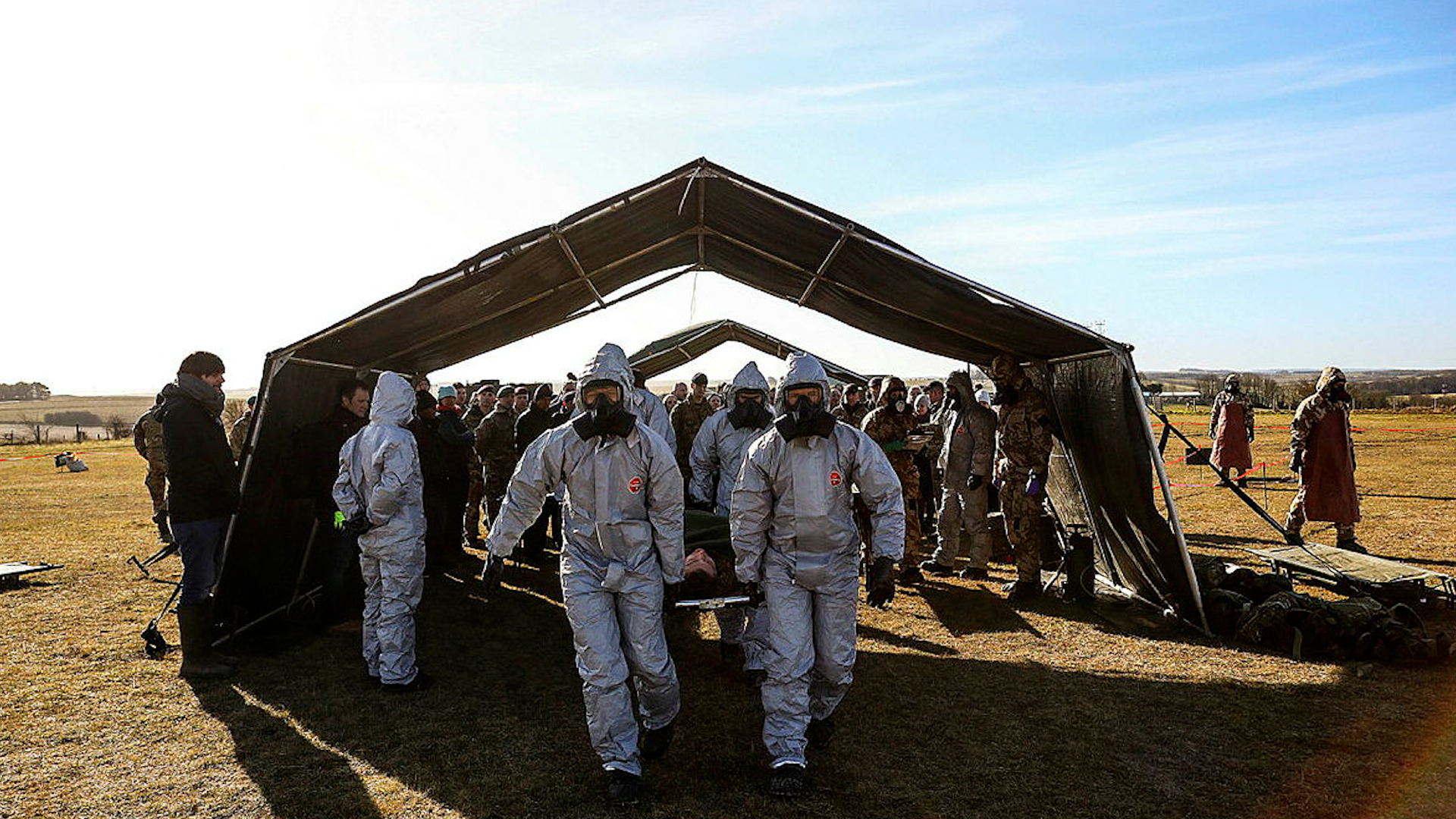
"We do have specialist military capability also within our Special Forces and the intelligence services and others who are looking at this sort of thing every day from a strategic perspective and have the ability to react to incidents, to investigate them."
Russia's use of chemical weapons
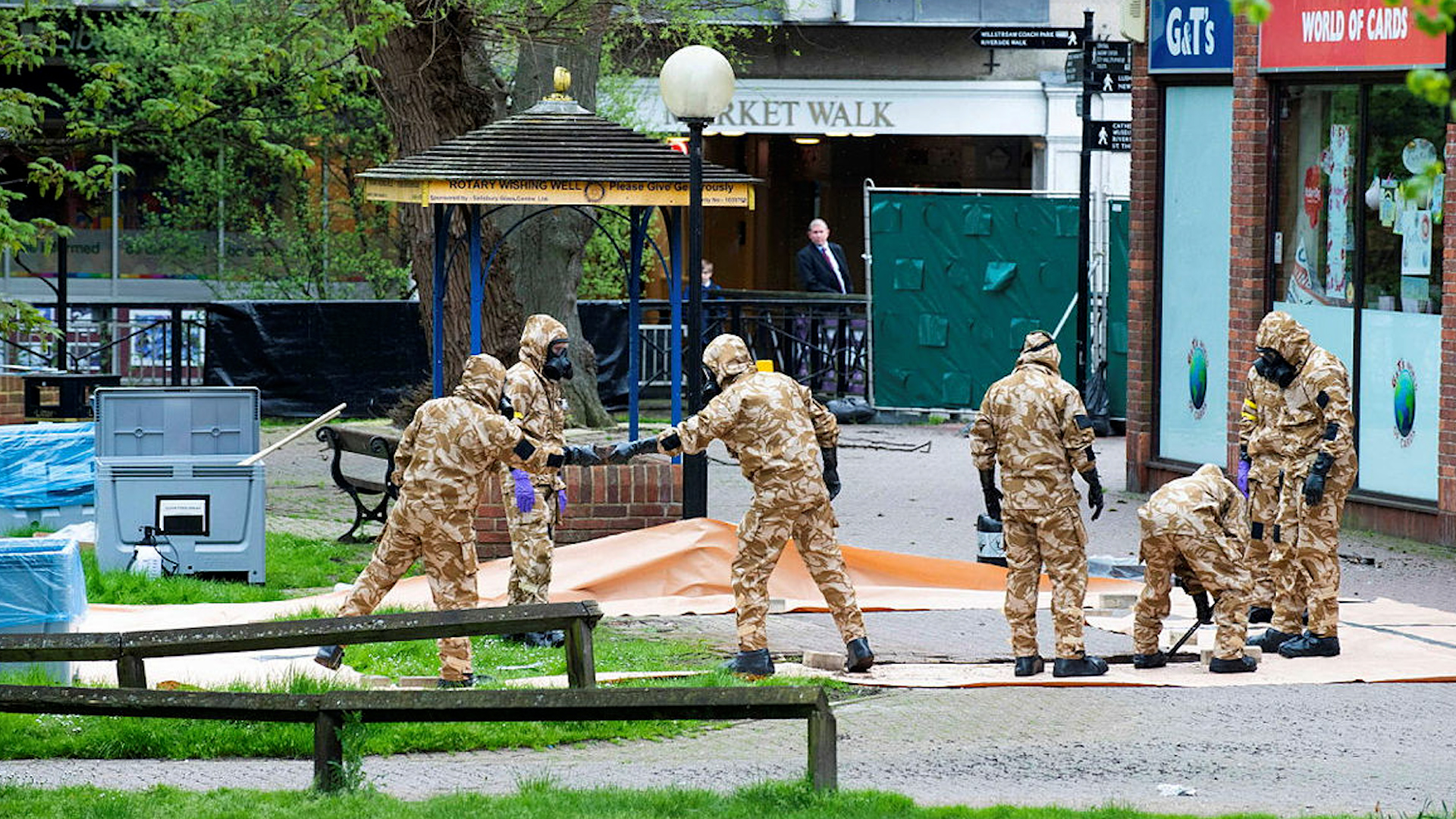
Those military specialists were deployed in response to the 2018 Russian chemical attack on British soil, when Russian GRU officers targeted former double agent Sergei Skripal and his daughter in Salisbury with Novichok.
Just a few milligrams of the deadly nerve agent left Mr Skripal and his daughter fighting for their lives in hospital, and it killed local woman Dawn Sturgess after she also came into contact with the chemical.
Today, Russia is accused of using chemical weapons on the battlefield.
"What we've seen in Ukraine over the last 18 months is a huge use of something called chloropicrin – the first chemical weapon ever used in the First World War," said Colonel de Bretton-Gordon.
"It's actually an incapacitator rather than a choking agent or a killer."
The Russians fire these chemical weapons into the trenches to force troops out and into the line of fire.
Many believe this embrace of chemicals on the battlefield could indicate a willingness to consider a weaponised virus or biological attack too.
Russia's ongoing relationship with bioweapons
Sean Wiswesser is a former CIA Head of Station who has studied Russian tradecraft and operations for decades.
On the Soviet approach to bioweapons, he said: "One of the reasons they continue to develop them and thought that they might be a highly efficient weapon system to use is, first of all, with bioweapons, you kill people, you kill organisms, but you leave infrastructure behind.
"So from a purely strategic, logical assessment of how to destroy an enemy's capability, you kill the personnel.
"And many bioweapons have a 90% kill rate – so wipe out an entire population, but leave their infrastructure."
Mr Weswisser believes the advent of AI makes the bioweapons threat particularly alarming.
"I argue there's a convergence of threats," he said.
"We've always had the nuclear threat. We've always had the potential for nuclear Armageddon. We largely have forgotten about the chemical and biological weapons threat that's still there.
"It's always been there. The Russians are still developing. Well, now we have AI and AI has the ability, of course, to potentially one of the dangers is tell a very simple chemist: 'Here's how you can develop a chemical weapon', or a biologist or a group of high school chemistry or biology kids can get online and use AI to potentially say, 'hey, we'd like to know how to develop anthrax spores'.
Synthetically manipulated plague
Col de Bretton-Gordon worries AI may have played a part in the Siberian incident.
"What concerns people like me is this person who was working in plague died, when absolutely they shouldn't do," he said.
"One of the possibilities is that the strain of plague that killed this scientist had been synthetically manipulated to make it more dangerous.
"I think it's a prompt and a wake-up call that, actually, biological weapons are likely to become more of an issue as artificial intelligence develops.
"And unfortunately, there are tyrants and terrorists around the world who would have no qualms about using these types of weapons."
Related topics
Join Our Newsletter