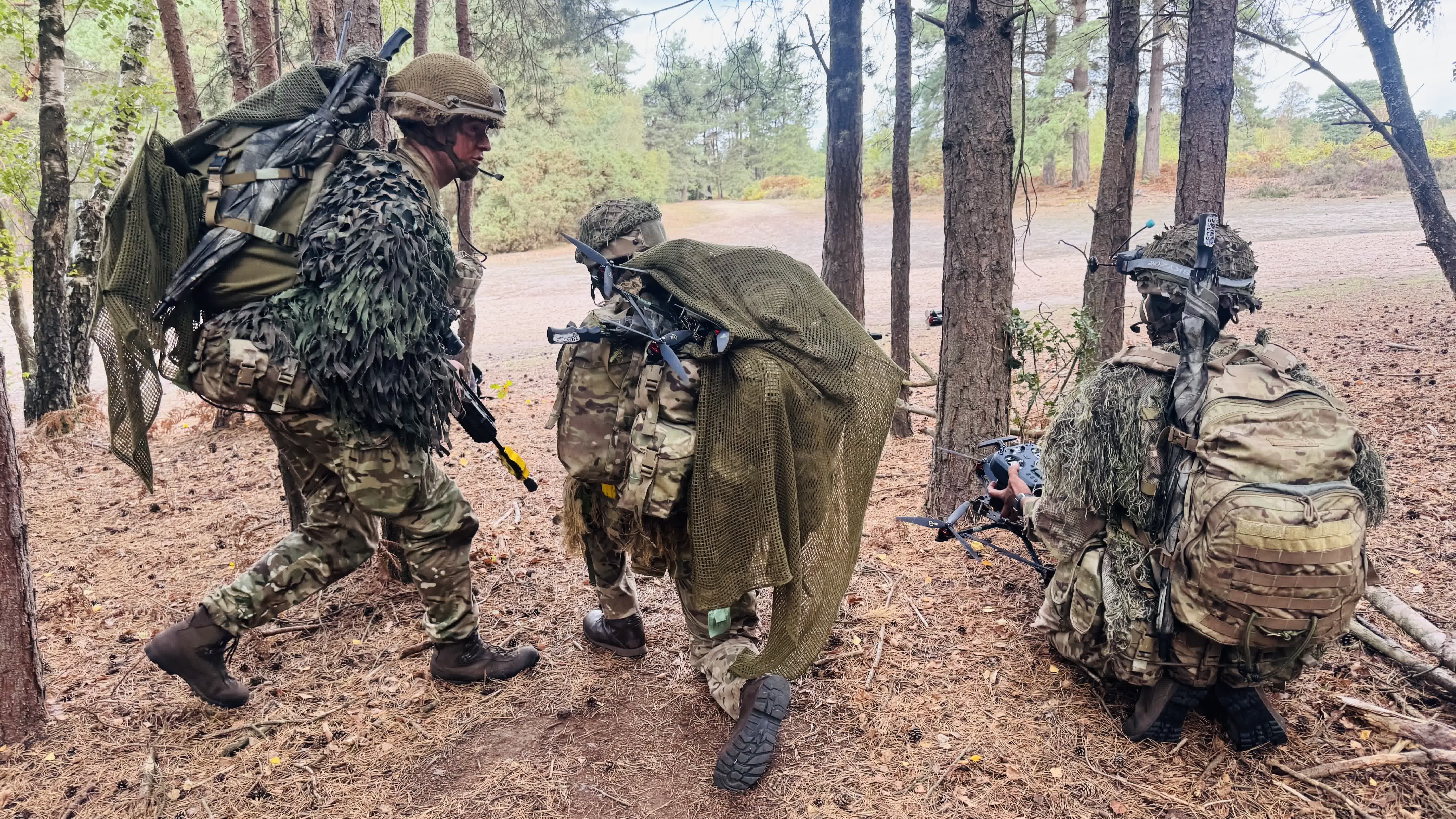
British Army's new killer drone challenge tests troops' speed, precision and lethality
It was only last year that drone racing was welcomed into the ranks of official military sports.
High-precision control and speed whilst flying drones had been recognised as a skill that might come in handy for servicemen and women.
But this new competition is very different to MIDRT - the Military International Drone Racing Tournament - where tiny devices flit at super high speeds around inflatable obstacles.
With the British Army Drone Wars it's all about tactical drone warfare.
"This is a competition to learn to get better at fighting with drones," says Brigadier Ed Cartwright, who helped develop the concept. "Ultimately that's learning to get better at killing."
The event is run by 16 Air Assault Brigade, the Army's lead formation for developing how to fight with and against drones.
"There is nothing better to make people better at things than competition," Brig Cartwright says, "so we thought 'let's build a drone competition to accelerate the Army's adaptation to drone warfare'."
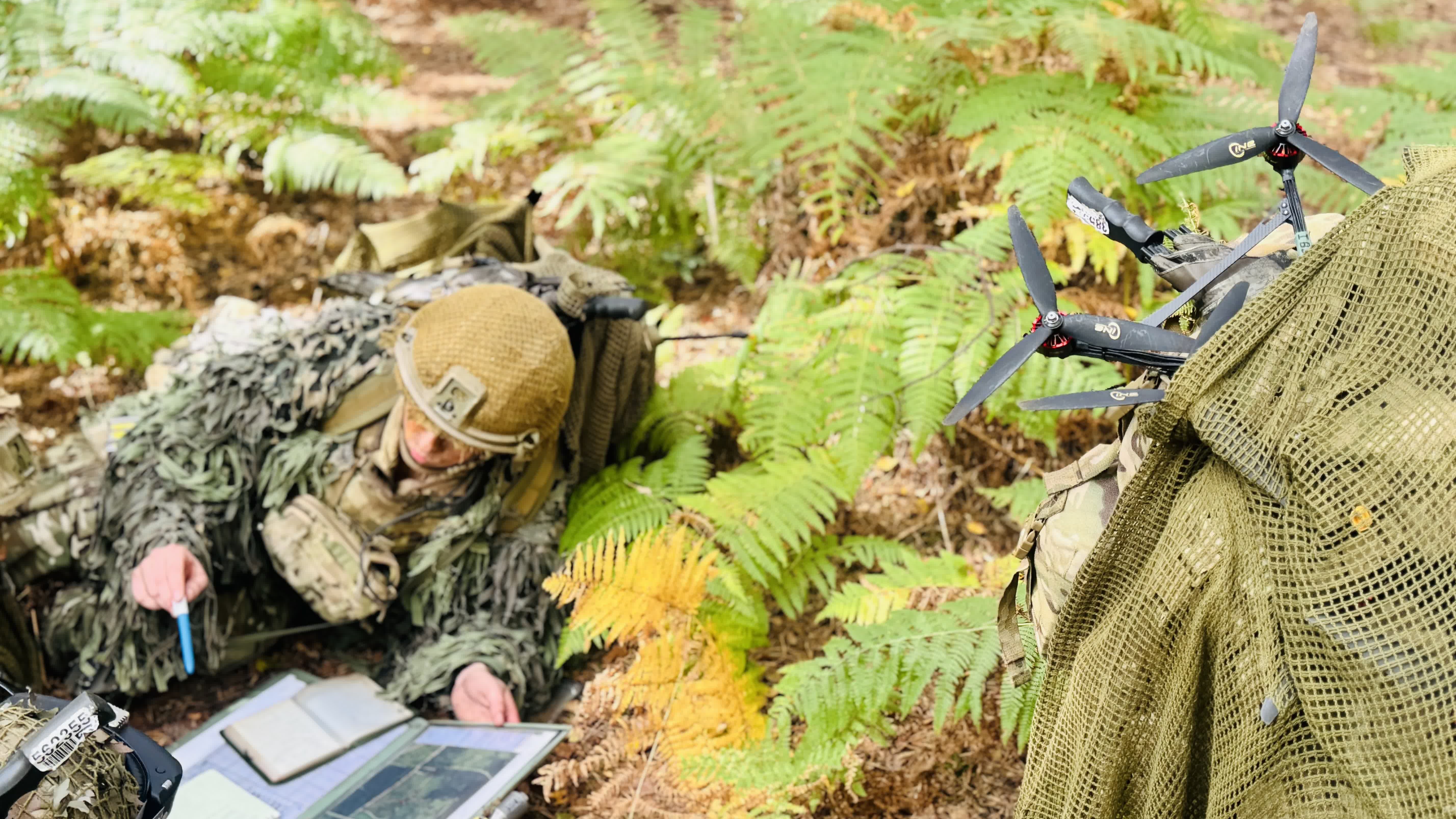
For those familiar with Cambrian Patrol – the arduous military skills competition held in Brecon each year – this is basically Cambrian Patrol with drones.
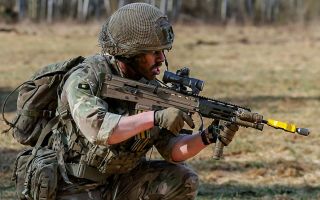
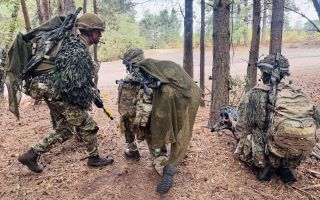
Teams of four tab between tasks. They're given missions like flying into a bunker, conducting aerial reconnaissance ahead of an infantry strike, and taking out a moving vehicle with an FPV drone.
It's a six-hour patrol route, with six missions in total. Teams have 30 minutes to move between taskings and 30 minutes to complete each mission. It's about speed, precision, lethality, but also staying alive.
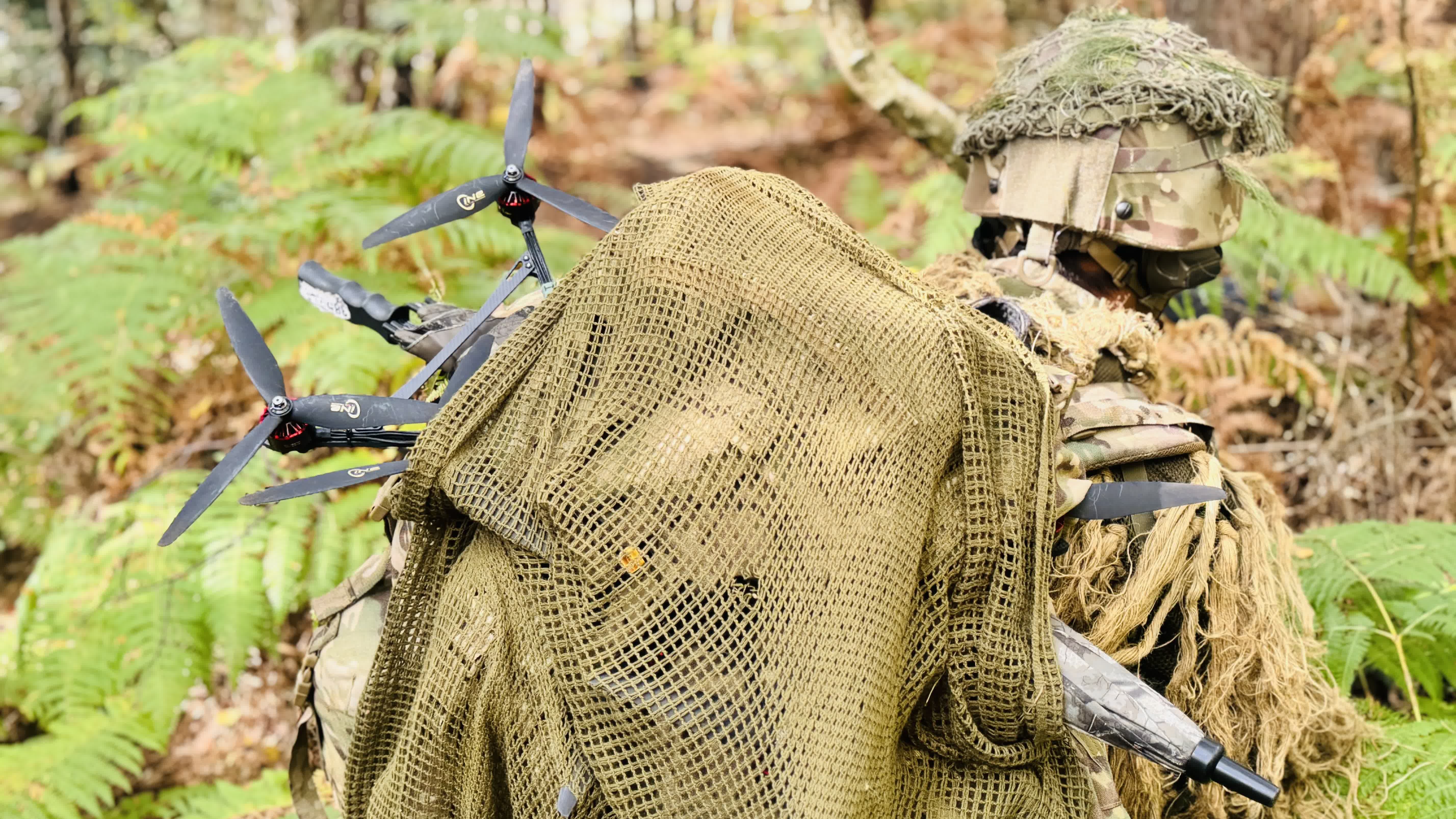
Captain Stephens, who was commanding the Infantry Battle School Team, explained: "You're thinking about your own survival, so it’s the survivability onion and the first thing is not to be acquired. You're trying to stay concealed.
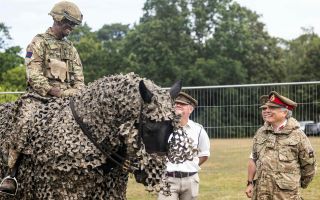
"Where you can, we'll have cam netting over that also functions to stop any drones from being able to penetrate.
"Unlike if you're doing this as a drone hobbyist where you've got line of sight – we're on the belt buckle – with trees and stuff in the way.
"You can get link loss and the video feed becomes difficult, which is especially challenging when you've begun that terminal dive down towards the target."
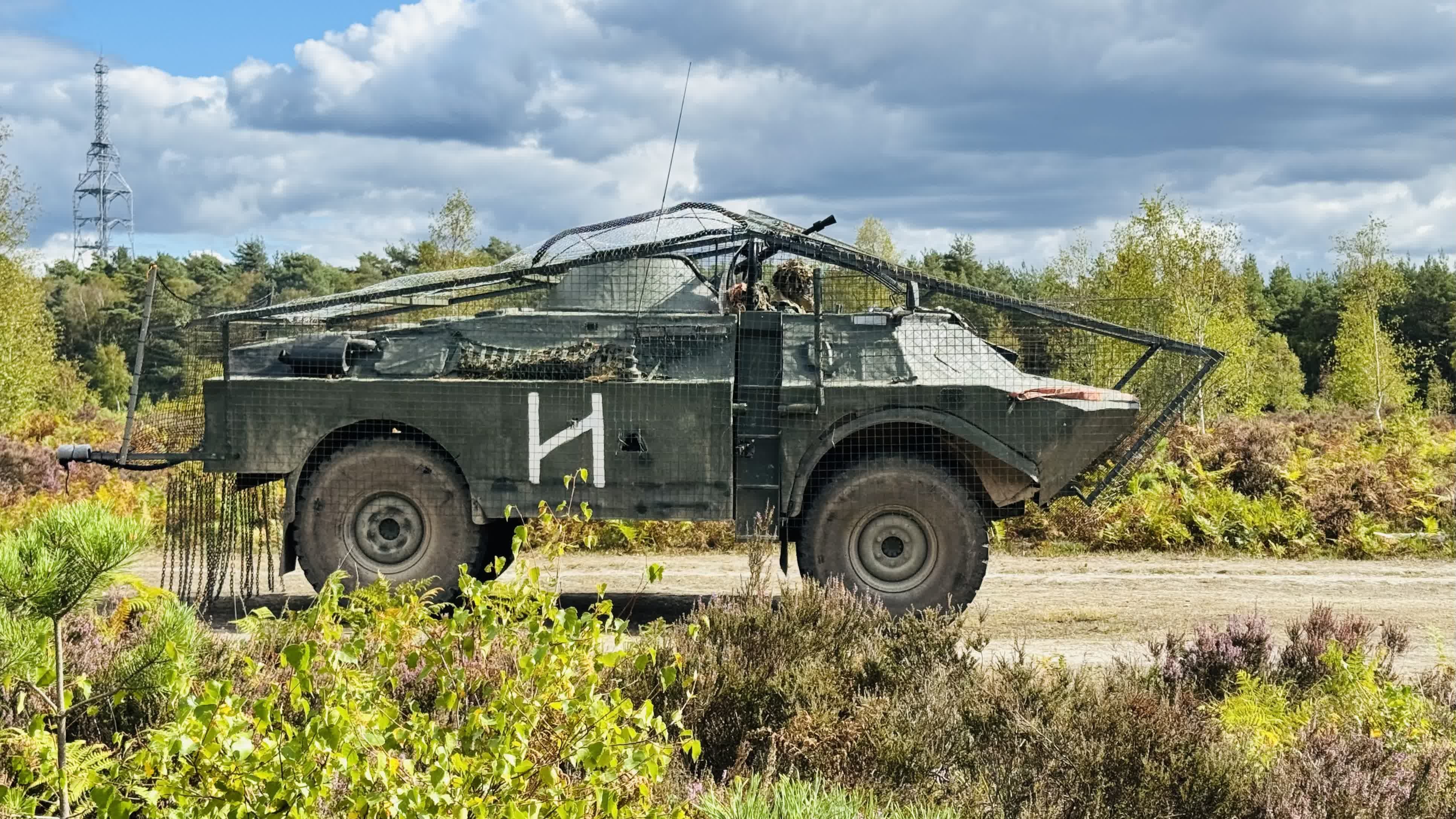
One of the missions is to fly a drone at a target on the back of a moving vehicle.
But it's not just any old vehicle. It's a full scale mock-up of a BRDM – an old Soviet-era armoured scout car.
It's a fibreglass frame on a Unimog chassis with caging on to look like drone protection.
They've diverted the exhaust so that it reflects the same optic signature and thermal signature as a real BRDM.
"Every single team has hit it so far," John Baynham, of Soteria Defence and Security, who built the vehicle, told me. "But only five of the 11 have now hit it on the back of the net.
"Four points for hitting the back of the net itself. Two for hitting the vehicle and no points for a miss."
This year 23 teams entered from across the Army. The overall winners were The Ranger Regiment, a combined team entered by 2nd and 4th Battalion.
The hope is the contest will go tri-service and in the future welcome in international militaries as well.
Related topics
Join Our Newsletter