UK-built turbojets in production as MOD seeks greater control over drone engine supplies
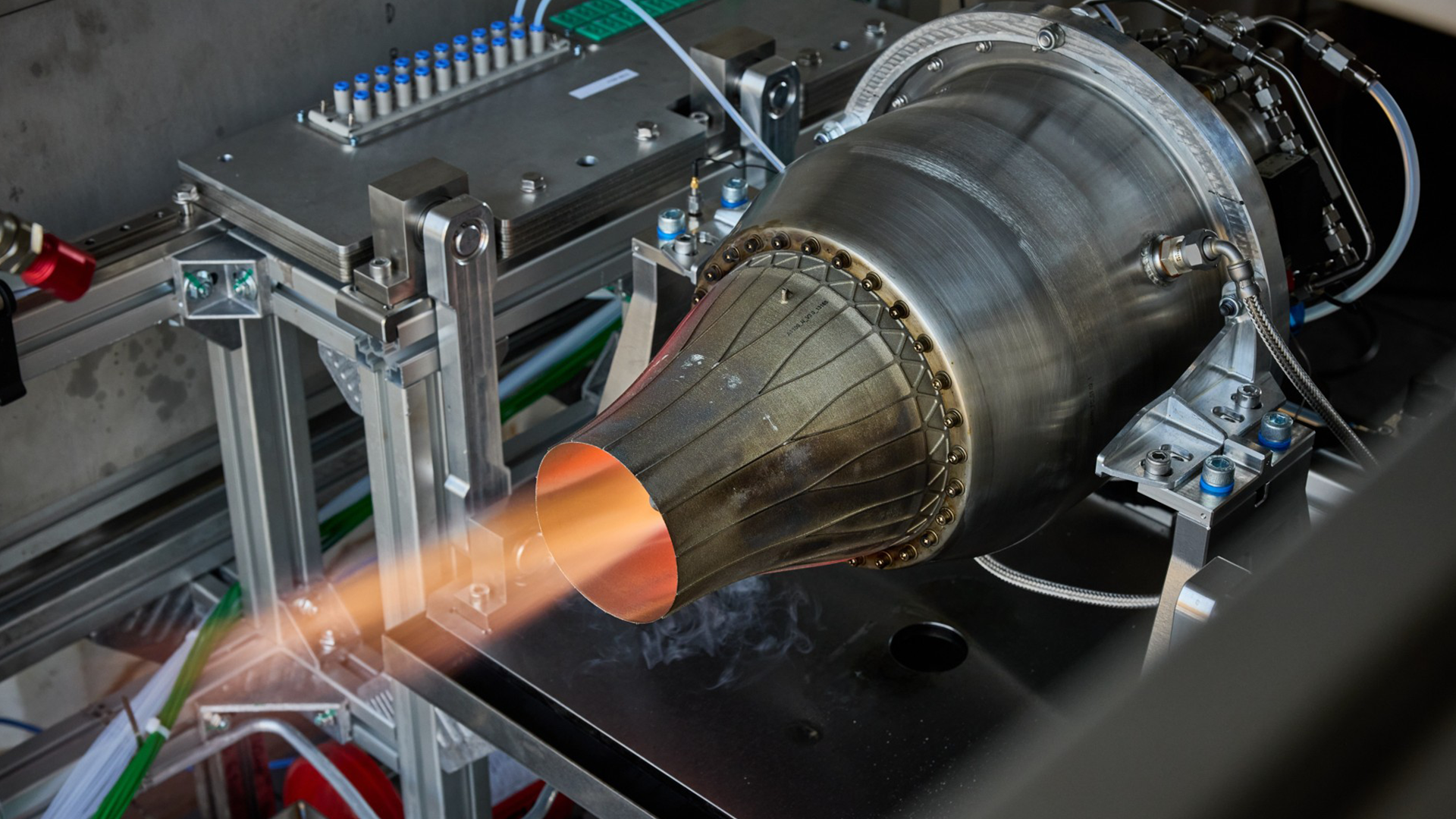
A new UK-developed turbojet engine has progressed from concept to flight-ready status in less than seven months as the MOD seeks to reduce reliance on overseas supply chains.
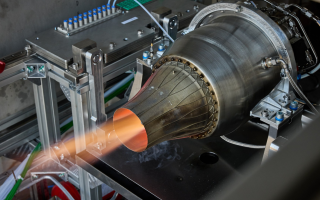
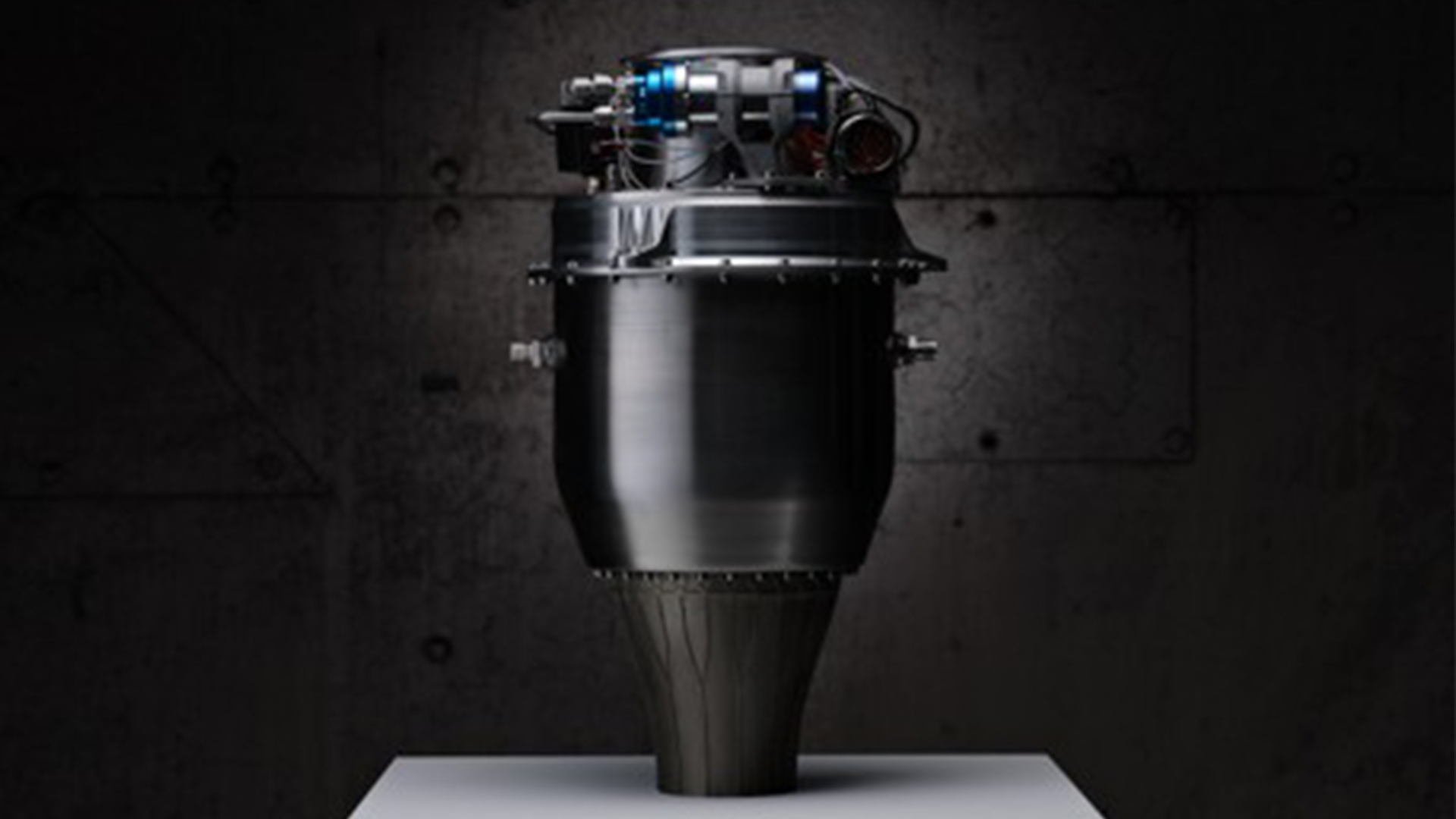
The programme with UK start-up Alloyed has produced a family of engines designed, built and tested in the UK for small drones and larger aircraft.
A 300N-class engine has completed flight testing and entered serial production, while the larger 1100N-class engine reached flight-ready status within the seven-month period.
- The Ministry of Defence is built to move slow, newly appointed top official warns
- Halo Shield: Passive drone detection for Army bases gets off the ground amid growing threats
- Pulling high Gs and breaking the sound barrier in a USAF F-16 – as a British civilian
"The threats we face demand the ability to produce cutting-edge technology on demand and at scale," said Defence Readiness & Industry Minister Luke Pollard.
"This programme delivers that, combining sovereign manufacturing, digital engineering and industrial innovation to ensure our Armed Forces retain an operational advantage while delivering good jobs for working people here in the UK."
How a turbojet works
A turbojet draws in air, compresses it and mixes it with fuel, which is then burned in a combustion chamber.
The hot gases drive a turbine connected to the compressor, then accelerate through an exhaust nozzle to produce the thrust that propels the aircraft.
The Alloyed engine family spans a thrust range of 30 to 2,000 newtons. Newtons measure force - in this case the propulsion force an engine produces.
Turbojets operate on the same basic principle as the much larger engines that powered Concorde and the RAF's Lightning interceptor.
UK control over defence production
The engine programme forms part of a wider effort to strengthen domestic production of essential defence equipment and materials.
The focus on rapid domestic development also features in Project Brakestop, which is developing lower-cost, ground-launched strike weapons for Ukraine.
In June, the MOD announced that three British-designed Brakestop systems had completed flight testing.
The programme challenged industry to develop weapons capable of hitting targets more than 500km away while carrying a 225kg warhead.
MBDA UK, MGI Engineering and Rotron Aerospace progressed to those trials, held at the MOD Hebrides Range.
Related topics
Join Our Newsletter