Everything you need to know about possible security guarantees for Ukraine
As talks about ending the war in Ukraine continue in Berlin, one phrase keeps coming up: security guarantees for Ukraine.
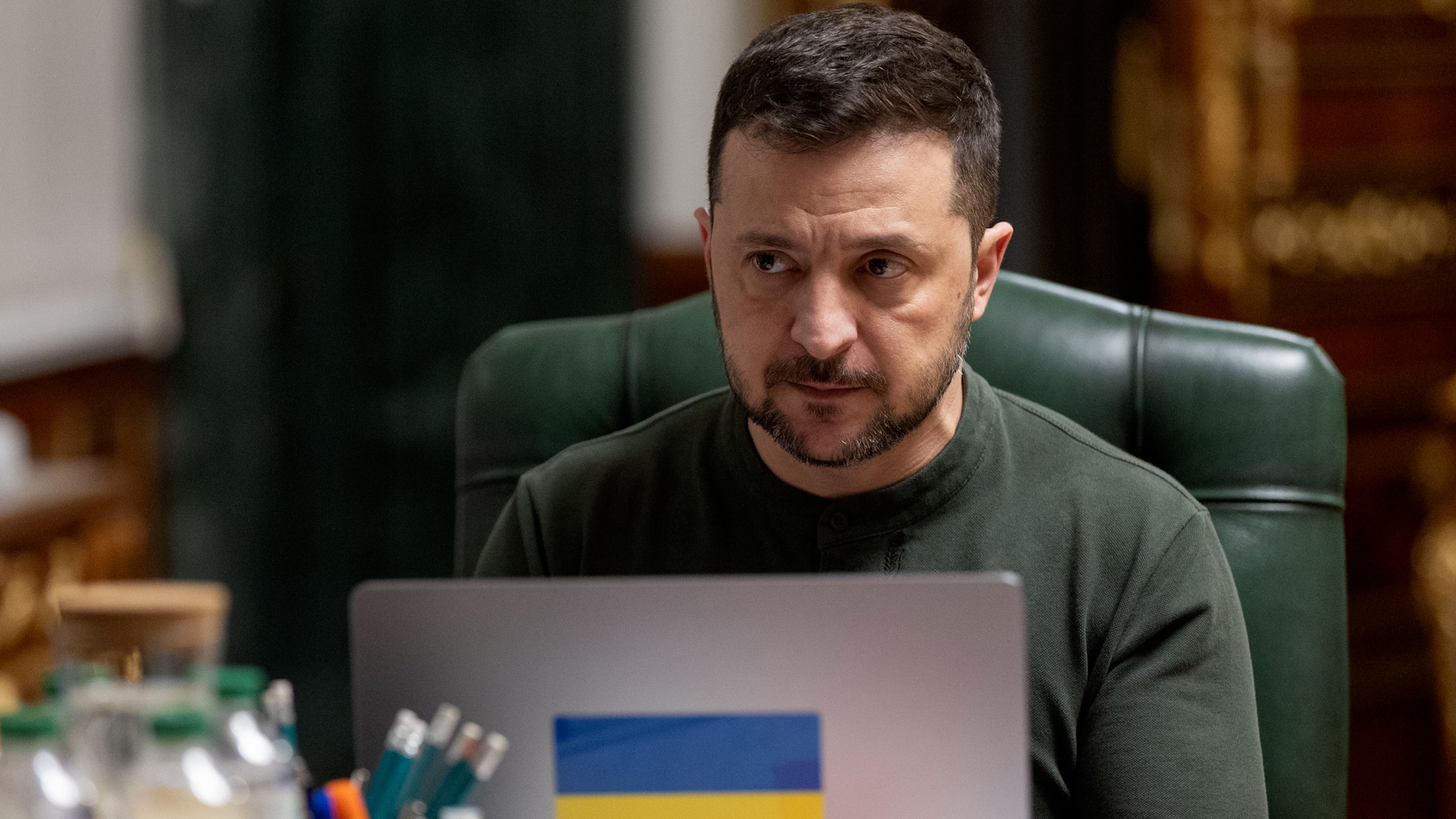
President Zelensky argues that without firm guarantees against renewed Russian aggression, any ceasefire or settlement will just pause the conflict rather than resolve it.
However, what sounds like a straightforward demand is one of the most complex and politically sensitive questions in European security.
Kyiv demands iron-clad, legally binding commitments
When Ukrainian leaders speak about security guarantees, they are not asking for general expressions of support or diplomatic goodwill.
What they want are iron-clad, legally binding commitments that would deter Russia and would be backed up with lethal military consequences.
In essence, Ukraine wants a level of protection akin to Nato's Article 5, even though formal Nato membership seems way off.
For Ukraine, this position comes from bitter experience.
In 1994, Kyiv surrendered the nuclear weapons it inherited from the Soviet Union in exchange for assurances from Russia, the United States, and the UK that its sovereignty and borders would be respected.
Those assurances, set out in the Budapest Memorandum, carried political weight but not much legal force.
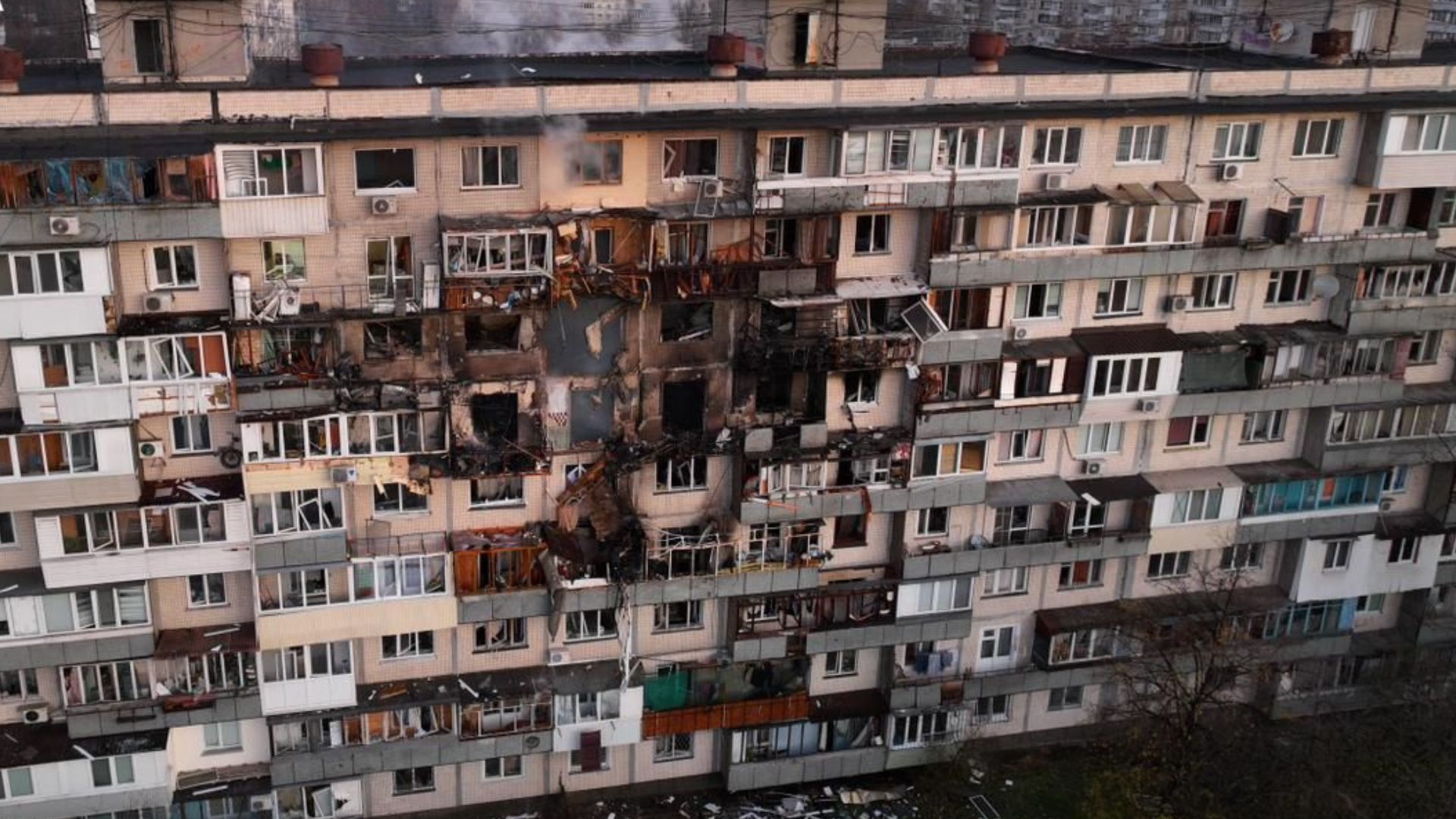
In the end, they failed to stop Russia's annexation of Crimea in 2014 and its full-scale invasion in 2022.
For Kyiv, that failure explains why today's guarantees must be far stronger than past promises.
Ukraine's demands combine several elements.
These include long-term military aid and training, intelligence sharing and air and missile defence.
Kyiv also wants help to rebuild its defence industries, and firm commitments by third countries like Canada and Japan to respond if Russia attacks again.
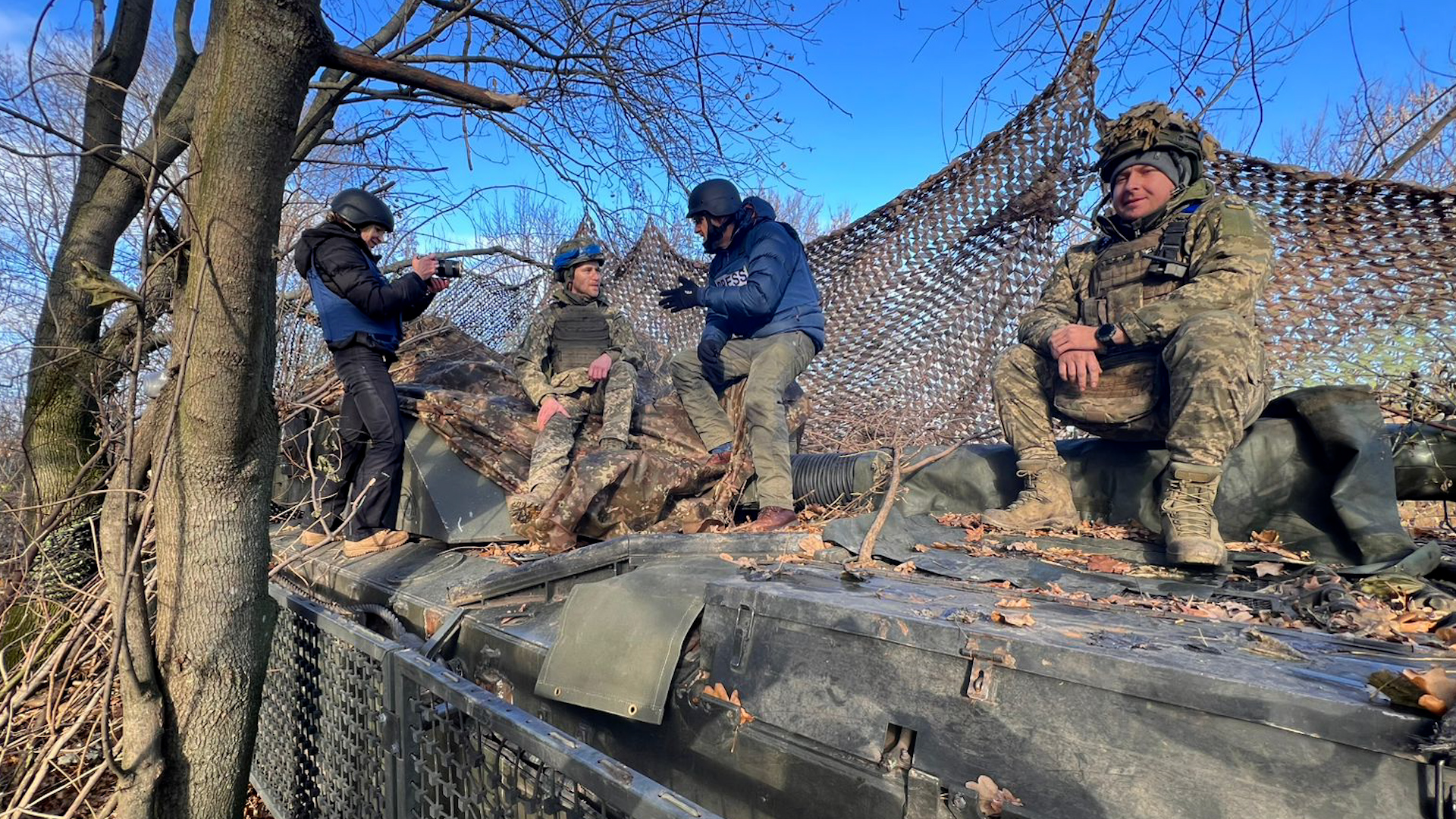
There are also proposals to bring in a multinational force to monitor any ceasefire and to help secure the country's borders and airspace once active fighting ends.
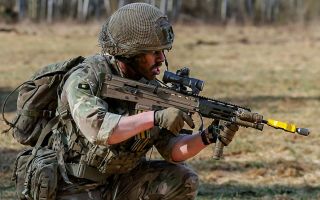
If that happens, then the UK government has made a commitment to put British boots on the ground.
What form will the security guarantees come in?
Security guarantees can take different legal forms, each with clear limitations.
The weakest are political assurances or memoranda – statements of intent that express support but impose no binding obligations.
These are easy to agree on but offer little deterrent value, especially to a country like Ukraine that has already seen these sorts of assurances collapse.
More robust are bilateral or multilateral treaties.
These are legally binding and can specify obligations such as military assistance, sanctions, or logistical support if Ukraine is attacked.
Treaties are harder to negotiate and require ratification by national parliaments, but they have the advantage of providing greater clarity and durability.
Even so, treaty language can be nuanced and written in ways that allow for dithering when the shooting starts.
The strongest possible guarantee is a collective defence commitment like Nato's Article 5, which treats an attack on one member as an attack on all.
This is the model Ukraine really wants because it offers the strongest deterrent.
But for Nato to offer that sort of commitment to a non-alliance country would be entering uncharted territory.
And many Western governments – including the US, Hungary, Spain, and Belgium – are reluctant to take that step because it would raise the risk of direct military confrontation with Russia.
That reluctance explains the frequent references to "Article-5-like" or "equivalent" guarantees.
These phrases are designed to signal strength without copying Nato's automatic military response clause.
In practice, they would mean layered commitments rather than a single, unconditional promise of intervention.
But for any guarantee to be credible, it must be backed by real capabilities.
Air and missile defences
Take air and missile defence, for example. The war in Ukraine has shown how heavily Russia relies on long-range strikes against cities and infrastructure.
Guarantees that do not include robust air defence systems would risk leaving Ukraine exposed even after a settlement.
But here you run into one of the problems with security guarantees: who controls them?
If Russia launched an air strike, who would authorise an interception, and how far would a contributor nation be willing to go in engaging hostile targets?
Long-term military assistance is much easier to promise and, in effect, is already happening.
Many Western countries, including the UK, have signed bilateral agreements with Ukraine committing to helping Kyiv over a long period.
These arrangements help ensure Ukraine maintains a strong military, which is itself a key part of deterrence.
Kyiv's domestic politics problem
Domestic politics in Ukraine also impose constraints.
After years of war and sacrifice, public opinion is deeply sceptical of any settlement involving territorial concessions without firm protection against future attacks.
Ukrainian leaders have limited wriggle room to accept vague or weak guarantees, even if those are all that partners are willing to offer.
The most credible deterrent combines external commitments with a strong, well-equipped Ukrainian military.
What is most likely to emerge, if negotiations do succeed, is a layered arrangement rather than a single dramatic pledge.
This could involve a legally binding treaty committing signatories to specific types of assistance.
It would be reinforced with long-term military cooperation agreements and some sort of monitoring mechanism to watch Russia's activities.
An agreement like this would fall short of Nato membership and lack the clear-cut 'line in the sand' trigger of Article 5, but it would still be far stronger than the empty promises Ukraine received in the 1990s.
Ultimately, the effectiveness of any protection Ukraine is offered depends on political will, funding, and the readiness of powerful nations to act.
They are a test of how far Ukraine's allies are willing to go to defend the security of Europe and how much risk they are prepared to accept to prevent another war.
Join Our Newsletter