Pragmatism could be paying for peace as Zelensky casts aside Nato ambitions
Ukrainian president Volodymyr Zelensky's decision to abandon any formal demand for Nato membership marks a landmark policy shift.
For more than a decade Kyiv has been trying to cement closer ties with the West – and that has always meant joining the North Atlantic Treaty Organisation.
But reports suggest the Ukrainian leader has indicated he is prepared to drop that request in return for legally binding security guarantees from the United States, Europe and other allies such as Canada and Japan.
A bitter pill
The shift emerged before talks taking place in Berlin between Mr Zelensky and his team and American negotiators, including US envoy Steve Witkoff and Jared Kushner, President Trump's son-in-law.
The discussions are centred around a highly controversial 20-point US-brokered peace plan that has been criticised for favouring Moscow's demands over Ukrainian sovereignty.
The plan would see the frontline frozen, with parts of the Donbas demilitarised, but under Russian control.
Ukraine's army would be limited to 600,000 troops, and it would become a neutral country, with no Nato forces stationed on its soil.
The framework document does make mention of "reliable security guarantees" for Ukraine from the United States and allied partners.
But it also requires Ukraine to enshrine in its constitution that it will not join Nato.
For Ukrainians, and President Zelensky himself, this will not be an easy pill to swallow.
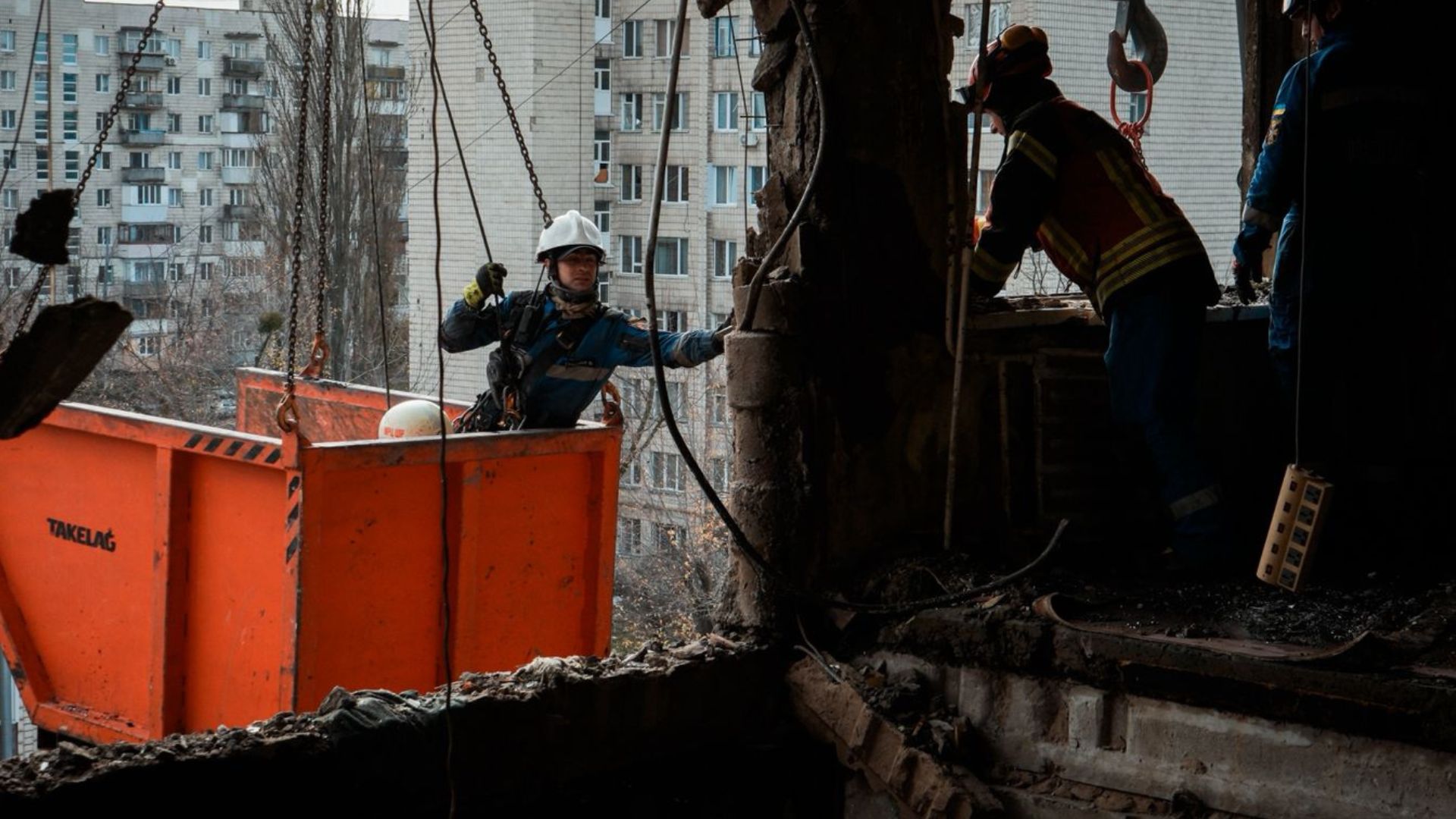
Nato membership had been a strategic objective
Way back in 2008, at the Bucharest Summit, Nato members formally agreed that Kyiv would, one day, become a member.
For a while, between 2010 and 2014, under President Viktor Yanukovych, Ukraine avoided the issue as part of a balancing act with Russia.
But after Vladimir Putin's 2014 Crimean land grab, public support for membership surged within Ukraine, and in June 2017, the Ukrainian parliament formally designated Nato membership as a strategic objective.
The country's constitution was amended to include this goal, cementing it as national policy.
For Ukrainians, being part of Nato represents a fundamentally different level of security compared with makeshift bilateral guarantees or ad hoc military aid.

An enduring aim overturned
So why is Mr Zelensky seemingly overturning such a long-term constitutional aim?
Well, it is being seen as a pragmatic compromise, a move designed to help secure a lasting end to the nearly four-year war without conceding Ukrainian territory to Russia.
Behind the scenes, Ukrainian officials accept that formal Nato membership is unlikely to come in the short term – and insisting on it might stall these fragile negotiations altogether.
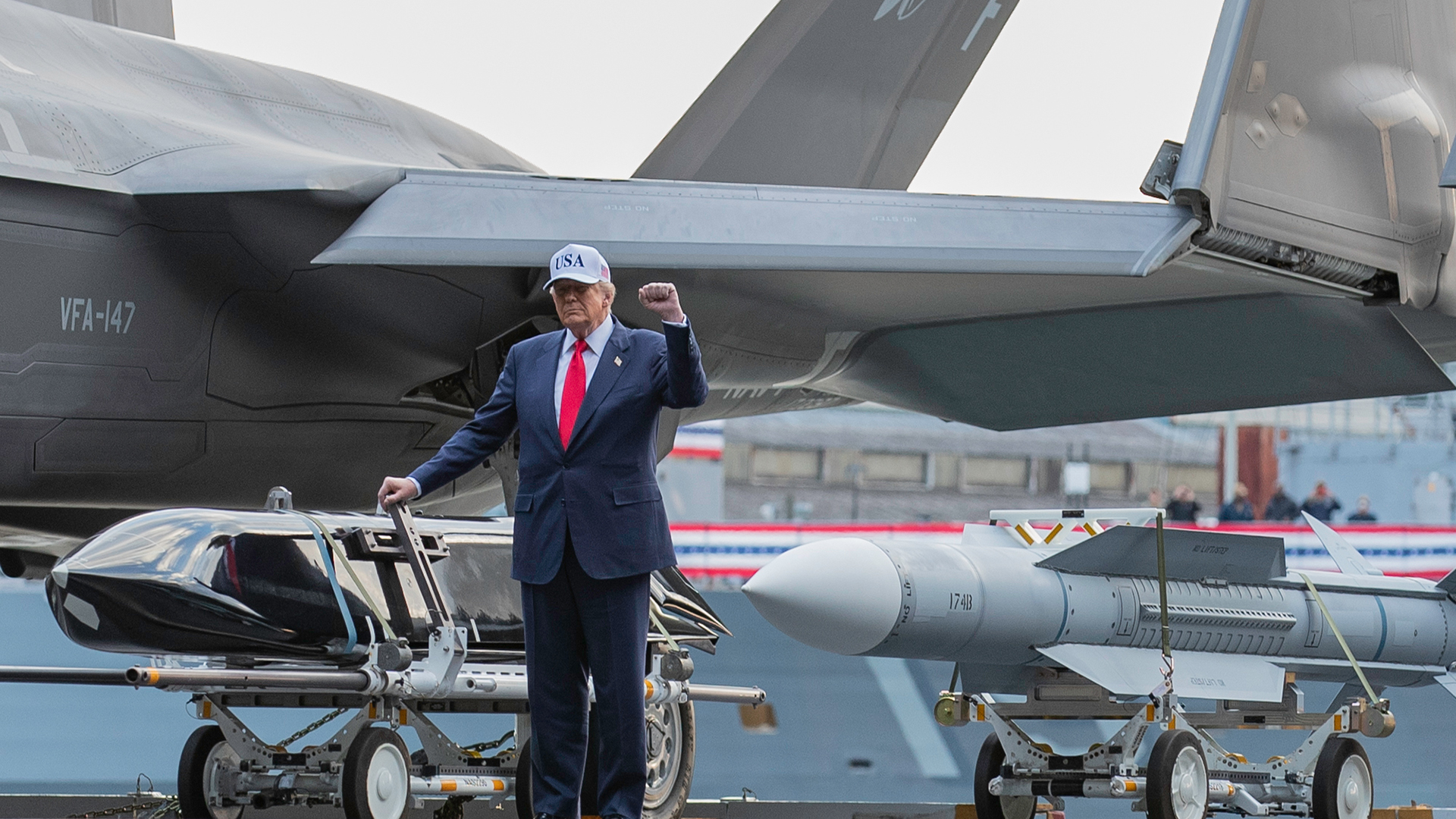
In February, Donald Trump told Kyiv to "forget about" joining the alliance.
Instead, Kyiv is pushing for bilateral and multilateral security guarantees that would functionally resemble Nato's protections.
Some are arguing that these need to be ratified by the US Congress to make sure they are legally watertight.
Caution from the West
This shift also mirrors longstanding Western caution about Ukraine joining the alliance.
American and European leaders have always been vocal supporters of Ukraine's reforms, but have also always stopped short of delivering a binding timetable for accession to the alliance because they worry about provoking Russia.
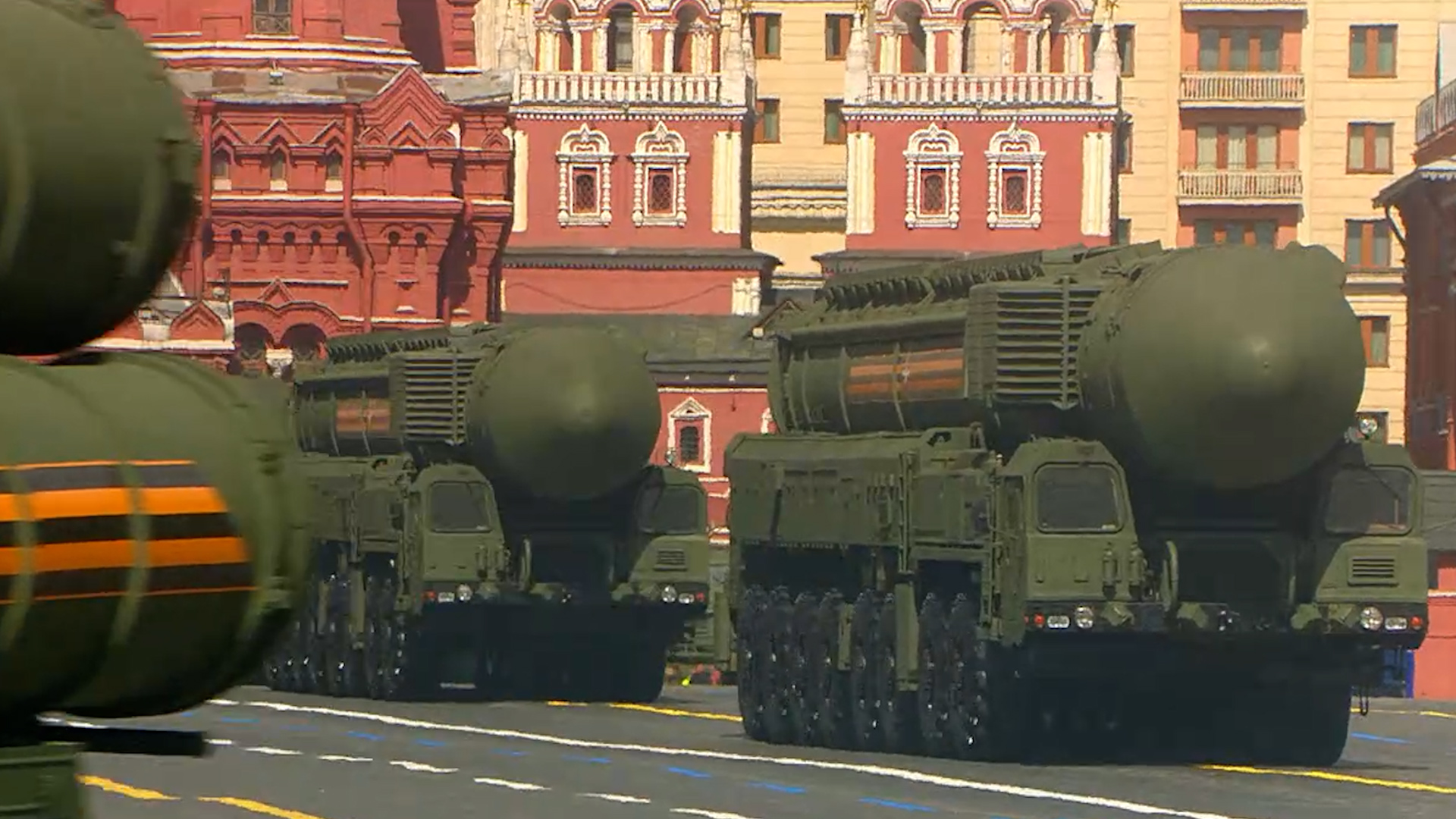
The Kremlin has consistently objected to Nato expansion in its neighbourhood.
Since the 1990s, Russia has continually framed Nato's potential eastward enlargement as a direct threat to its national security interests.
Moscow specifically cited Ukraine's Nato aspirations as one of the reasons for its full-scale invasion in 2022.
Inside Ukraine there are differing opinions about membership and whether it is worth sacrificing it for long-term peace.
Many see it as symbolic, and something Kyiv was not going to get in the short term anyway.
European leaders are also attending the meeting in Berlin, amid fears that appeasing Mr Trump's willingness to appease Russian demands will embolden Mr Putin even further.
The Kremlin said it expects to be updated on the Berlin talks by the Americans once they have finished.
Ensuring Ukraine's survival
So what does Mr Zelensky's decision mean for the future of the war?
For Ukraine, this is risky.
While Mr Zelensky's concession does reflect the realities of this grinding war, giving up on Nato membership could undermine Ukraine's negotiating position, particularly if watertight security guarantees are not forthcoming.
But the truth seems to be that Ukraine was never going to get full Nato membership.
Allowing a country at war with Russia into an alliance based on collective defence was always going to meet opposition from those wary of upsetting Moscow.
Ultimately, by choosing security guarantees over membership, Mr Zelensky has signalled that Ukraine's priority is no longer the symbolism of military alignment.
Instead, Kyiv is setting its sights on the far harder and more immediate goal of securing enough concrete protection to ensure the survival of Ukraine.
Join Our Newsletter