Europe's €90bn loan will buy Ukraine time – but delays decision on frozen Russian assets
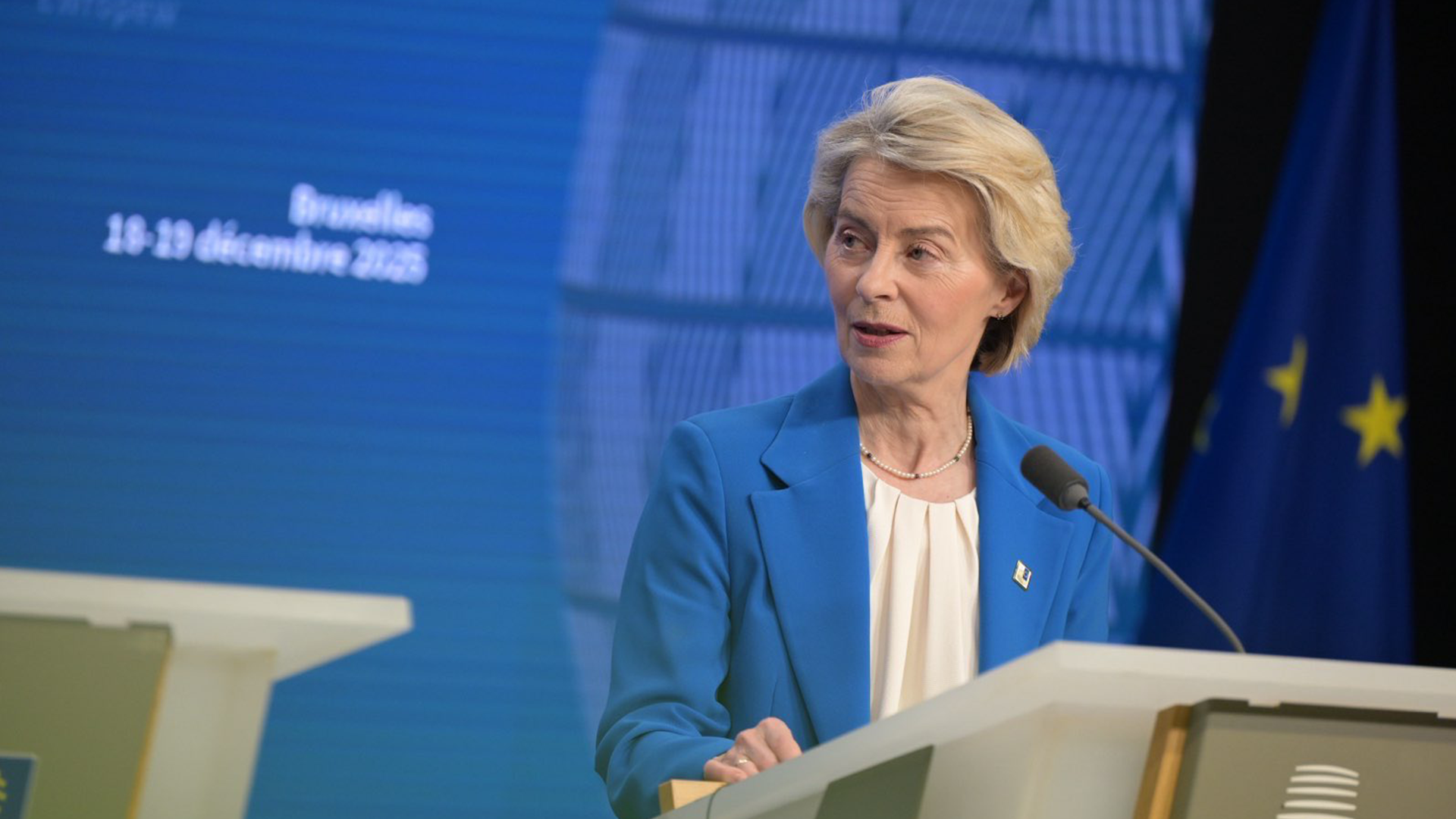
European Union leaders have agreed to give Ukraine a €90 billion loan to help Kyiv fund its fight against Russia – but they have stopped short of using frozen Russian assets to pay for it.
After the talks ended in the early hours, the president of the European Council, António Costa, told reporters that the EU had "committed and delivered" on its promises.
The summit was seen as a critical test of Europe's commitment, not only in terms of scale but also political will.
The €90bn loan package covers 2026 and 2027 and will be funded through joint EU borrowing.
The deal will avert a financial crisis in Kyiv, but it has also revealed deep divisions within the bloc over how far Europe is prepared to go in repurposing Russian assets frozen after the 2022 invasion.
Those assets are substantial.
Roughly €210bn in Russian central bank and sovereign funds remain frozen inside the EU, most of them held at the Belgian financial clearing house Euroclear.
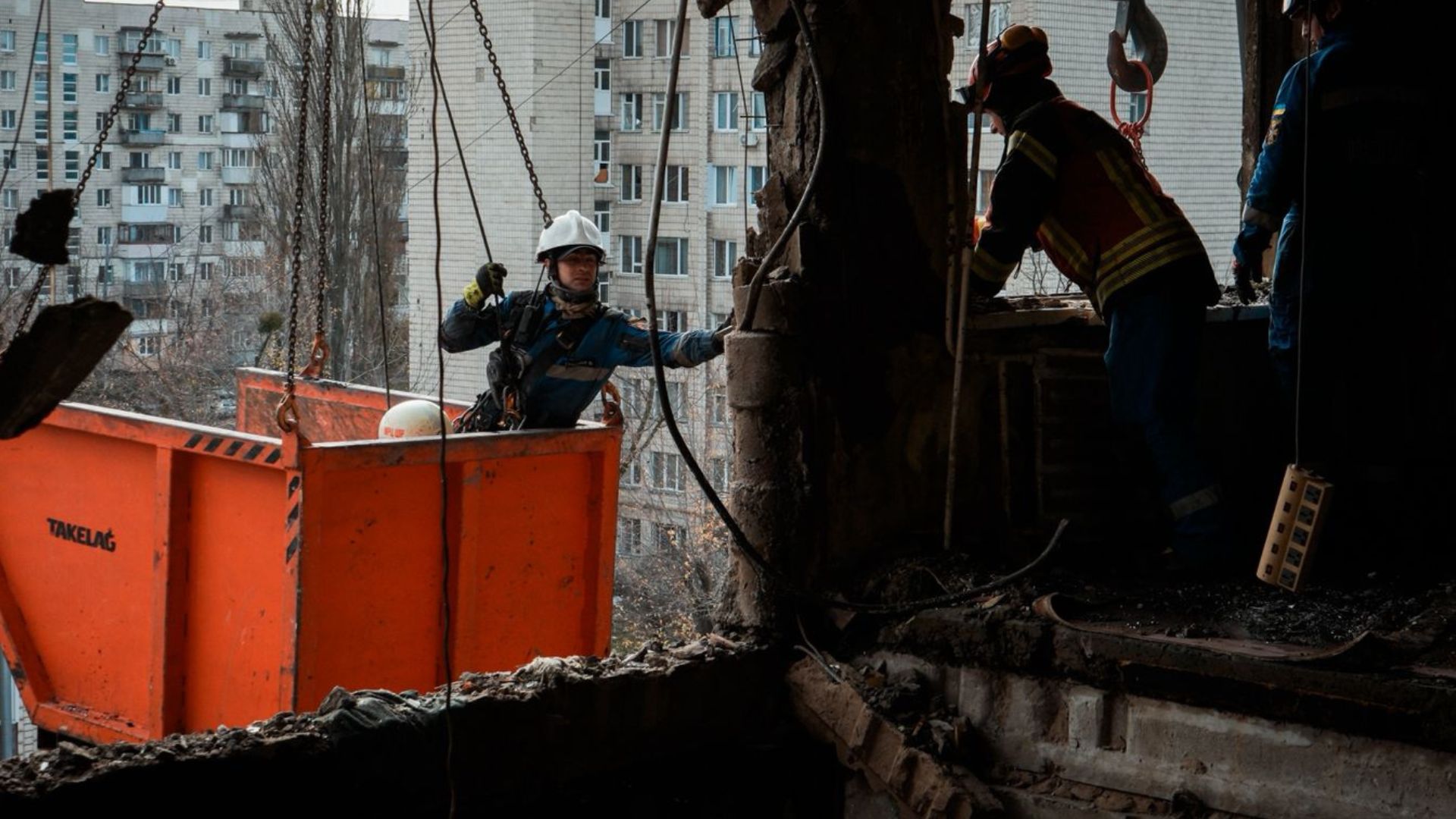
For Ukraine, the argument is very straightforward: Russia started the war, and it should be forced to pay for the damage it has caused.
The World Bank estimates that the cost of reconstructing Ukraine will be nearly £400bn.
Kyiv argues that leaving Russian money untouched while Ukraine is forced to rely on loans and aid undermines the principle that aggression carries consequences.
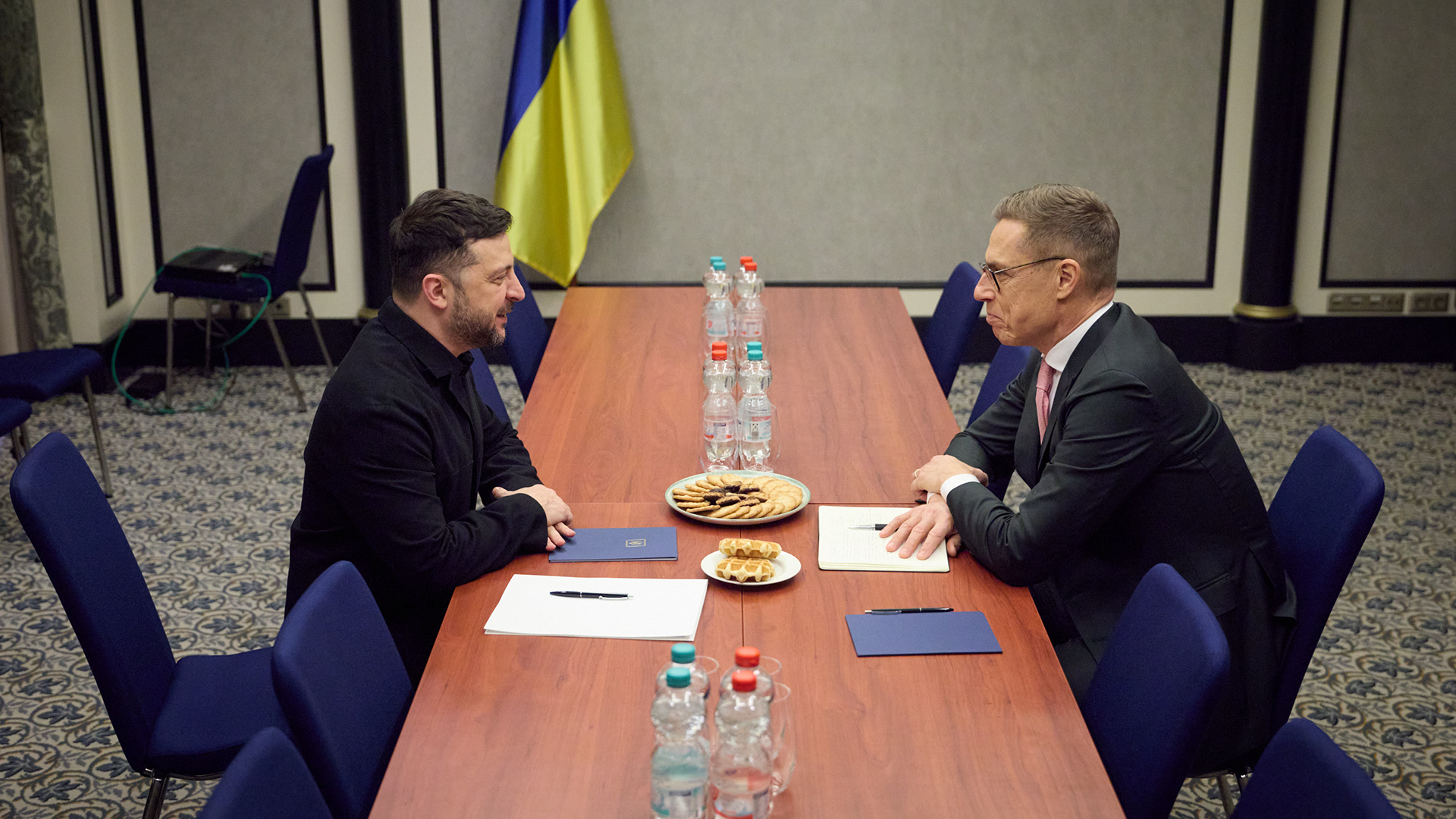
On X, Volodymyr Zelensky described the deal as "significant", saying the money "strengthens our resilience".
But behind the scenes, Kyiv believes the decision not to unlock Russia's frozen funds sends the wrong message.
To Ukrainians, leaving Moscow's money sitting safely in European bank accounts does not look much like punishment.
At the summit, leaders debated a proposal that would have used the frozen assets as collateral for a large, low-interest loan to Ukraine.
The assets themselves would not have been permanently seized, but they would have been used to underpin borrowing that could be channelled quickly to Kyiv.
In theory, the loan would only be repaid sometime in the future, and only if Russia agreed to compensation or reparations as part of a peace settlement.
But the plan ran into immediate resistance.
The bulk of the frozen assets – nearly 90% – are held in Belgian financial institutions, and Brussels is worried that the plan would lead to years of legal wrangles with Moscow.
Russia has already launched legal challenges against Euroclear and has threatened further action if its assets are used.
The other problem is that other EU governments are unwilling to offer Belgium open-ended guarantees against those risks, and the Belgians – understandably – feel that leaves them exposed.
There are also worries that it undermines the concept of sovereign immunity and would unsettle investor confidence in European financial institutions.
While Poland and the Baltic states strongly supported using Russian assets, others argued that forcing the issue without full consensus risked undermining EU unity.
Hungary remains openly opposed and, faced with the prospect of a deadlock, leaders opted for a more familiar solution: collective borrowing backed by the EU budget.
The €90bn loan package is significant. It gives Ukraine some level of predictability, particularly for its defence budget, through to 2027.
German Chancellor Friedrich Merz, a strong advocate of reparations, said the funds would be available from mid-January.
He said the agreement sent a strong message to Vladimir Putin, who would "only make concessions once he realises his war will not pay off".
But Ukraine still worries that this deal depends on the will of the donor countries and their political leaders – politicians who may be out of power in a few years' time.
For now, the EU is holding back, while the lawyers try to find ways to make a so-called reparations loan possible.
At the same time, the EU has moved to ensure the frozen assets are immobilised indefinitely, closing off any route for them to be siphoned off and returned to Russia.
UK Chancellor Rachel Reeves welcomed the loan deal, saying: "The UK's support of Ukraine remains ironclad."
For its part, Moscow claims any use of its assets would be illegal.
At his marathon annual TV news conference, Vladimir Putin was asked about the EU decision, telling the handpicked audience that the move to seize Russian assets went beyond theft.
"Theft is a secret stealing of property," he said, "but here they try to do it openly. It's robbery. But why are they failing? Because the consequences (for them) will be severe."
As the war grinds on into 2026, the question of frozen Russian assets is unlikely to go away.
While this EU loan will keep Ukraine afloat, it only kicks the can down the road when it comes to the deeper question of reparations.
And whether Russia will ultimately be made to pay financially for the war it started.
Join Our Newsletter