Reserve forces on the rise: How Europe's reacting to the threat posed by Russia
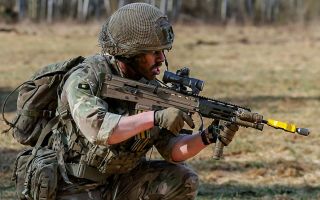
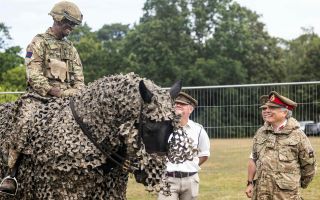
Nations are calling on their reserve forces as Europe fears a looming war with Russia.
But instead of bringing back mass conscription, many are turning themselves into reservist nations.
Since the start of the full-scale invasion of Ukraine – and numerous concerning actions by Russia against Nato members – more countries are trying to boost the numbers of their reserve forces.
How are the numbers shaping up?
Vietnam leads the world stage with its five million-strong reserves, and just behind is South Korea with three million. They're setting the example for other nations like the UK, which has just 29,000 reserves.
Vietnam's reserve force is actually larger than its number of active personnel, which stands at 600,000.
Russia comes in third highest with a reserve force of two million.
But how are nations increasing their reserves?
Germany: 60,000 reservists
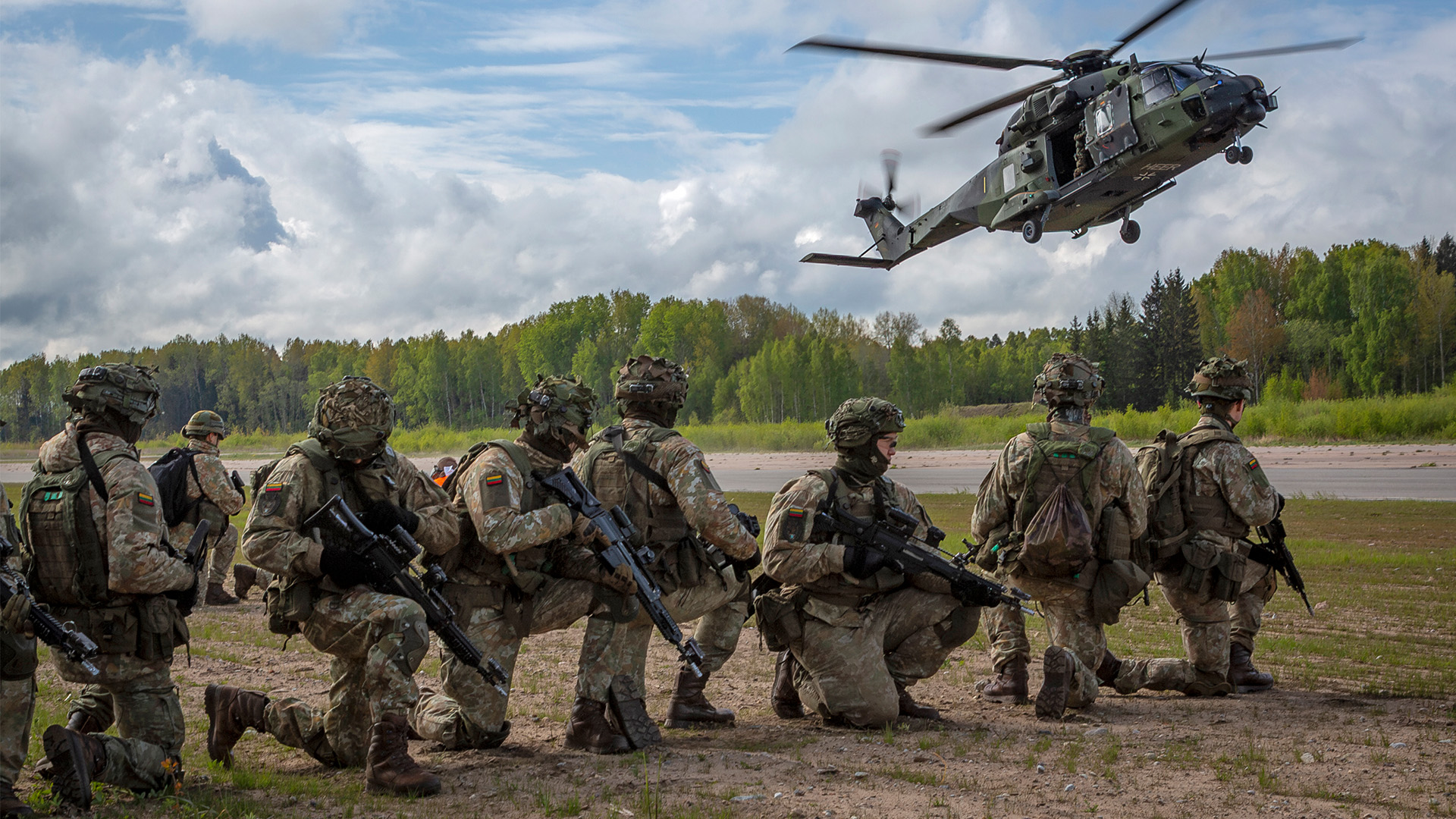
Germany has pledged to grow its reserves from 60,000 to 200,000 by introducing a new military service model.
It will target 18-year-olds by sending a questionnaire assessing their interest in joining the army as well as their health and physical abilities.
It will be compulsory for men to complete the questionnaire, but voluntary for women.
The move aims to make Germany's the largest conventional army in Europe – although Poland currently holds that title.
Poland: 350,000 reservists
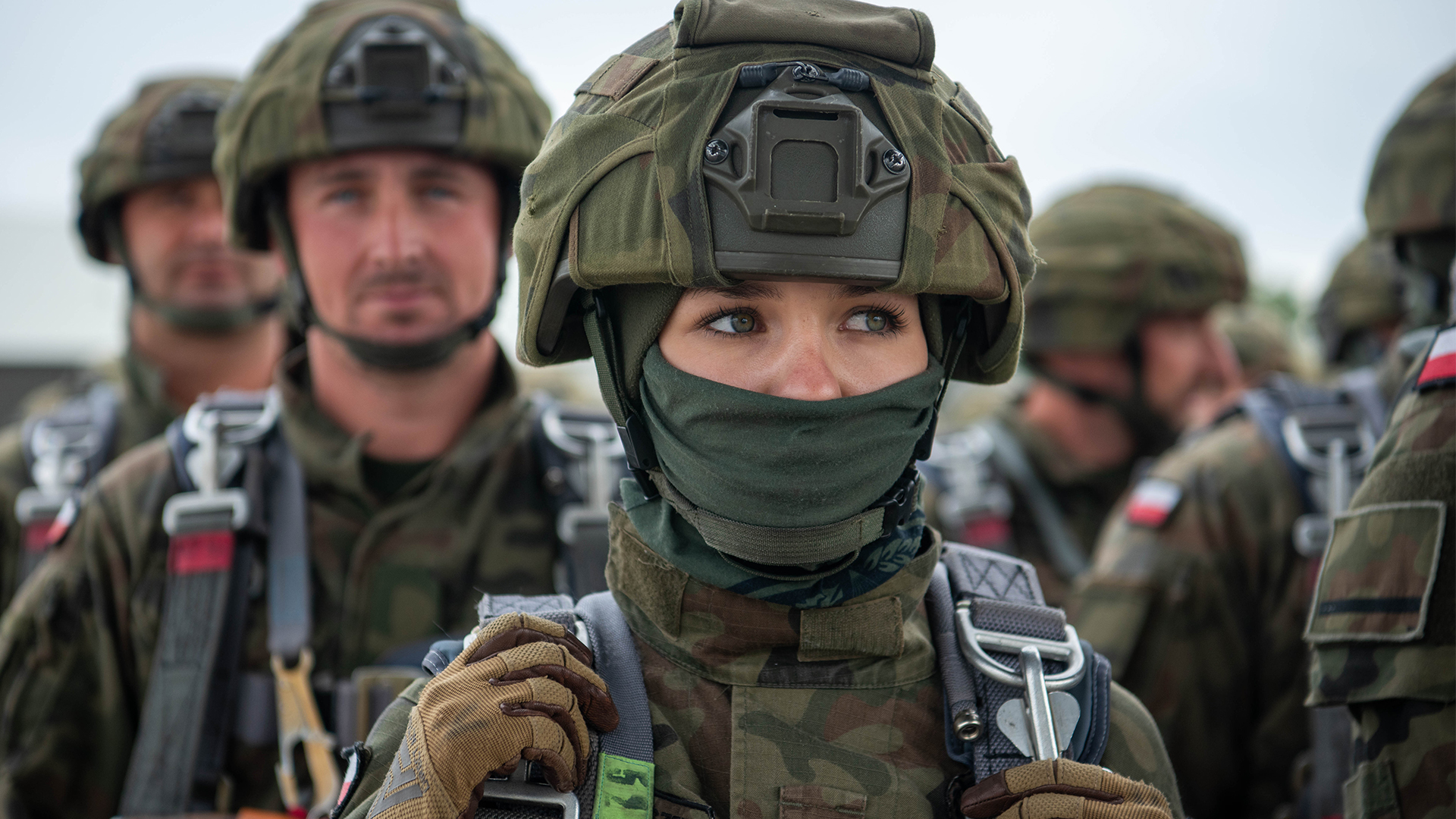
Poland also wants to increase its reserve numbers by 100,000 per year.
The country unveiled a new programme of universal and voluntary military training to all citizens to prepare them against Russian threats.
It's also further invested in defence spending so it's now the highest against other Nato allies, as well as more than doubling the size of its armed forces in the last 11 years from 100,000 to 216,000 – the third largest in Nato.
Due to its geographical location, Poland shares a border with Russia – and it's not the only country to step up resources.
Estonia: 40,000 and Finland: 870,000 reservists
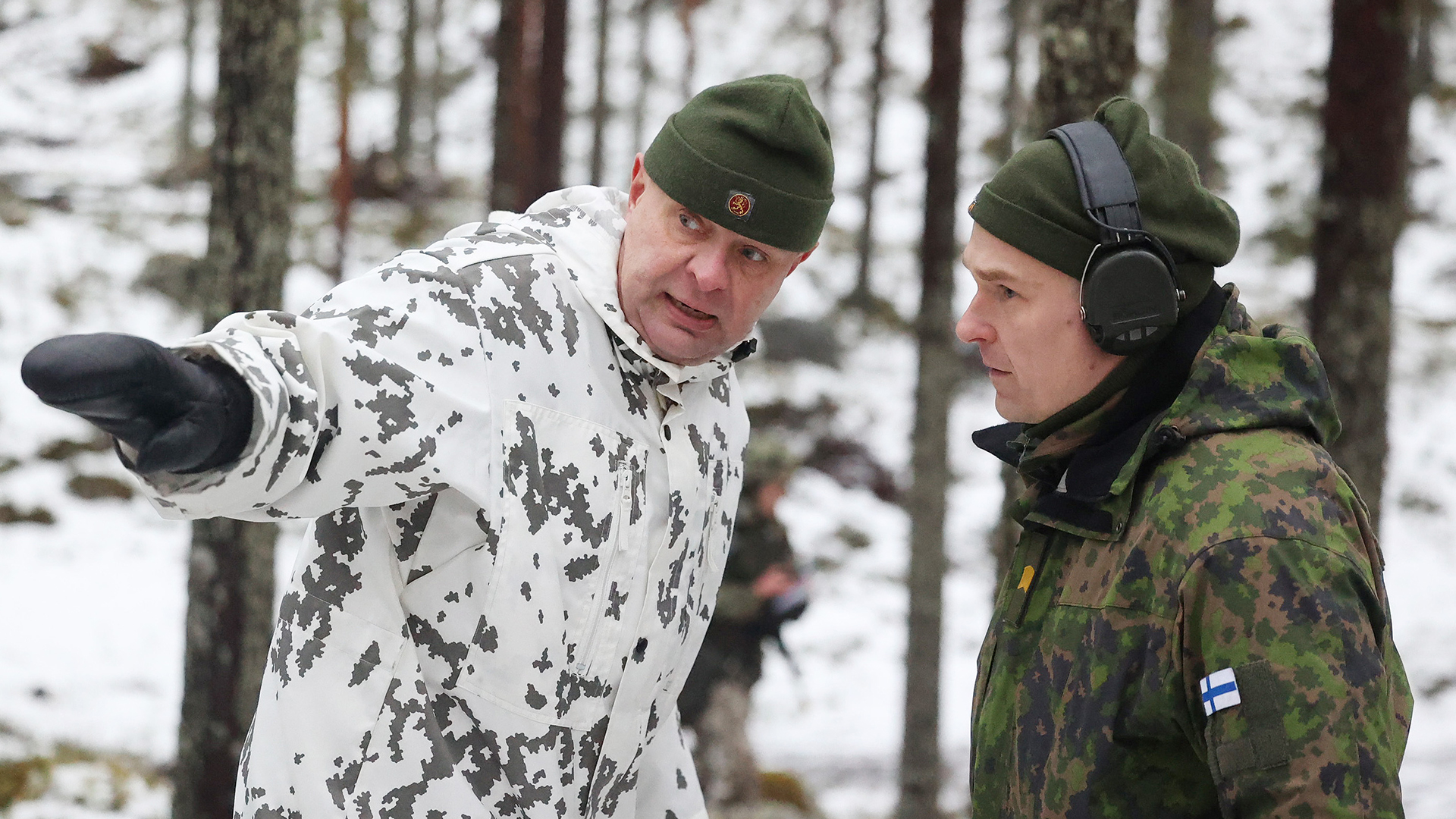
Estonia is sticking to its reservist age limit, but Finland is planning to raise the age to 65 instead of 60 in an attempt to boost numbers.
It's thought raising the age could increase reserves by 125,000, meaning Finland could reach about one million by 2031.
In Estonia, however, it's mandatory for men to join the reserves from the age of 18.
France: 47,000 reservists
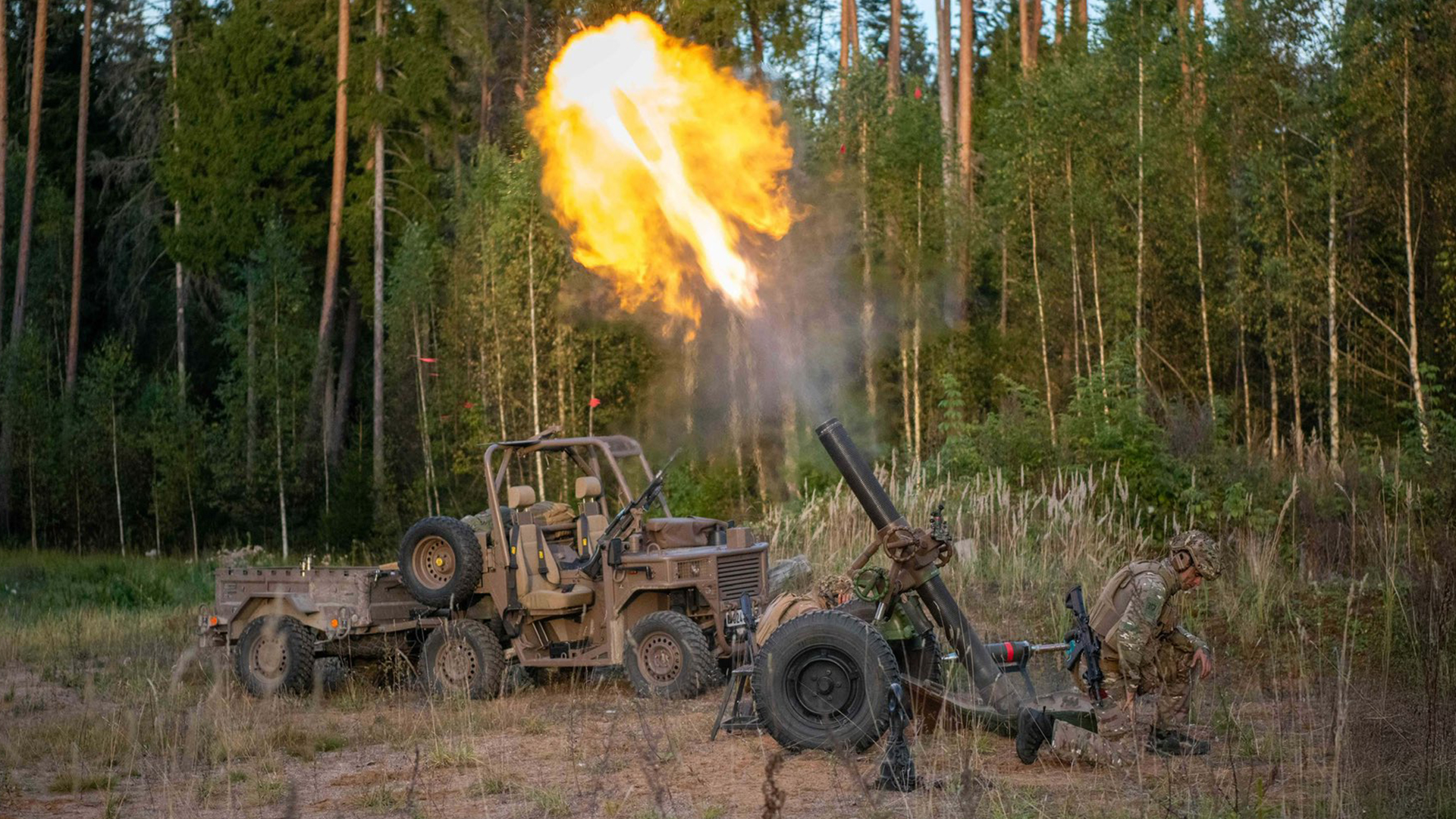
France has announced that it plans to introduce a voluntary conscription service to start next year.
The country is offering volunteers up to €10,000 (£8,800) to join the 10-month programme.
French president Emmanuel Macron hopes it will boost reservist numbers by up to 50,000 each year.
Belgium: 6,600 and the Netherlands: 7,400 reservists
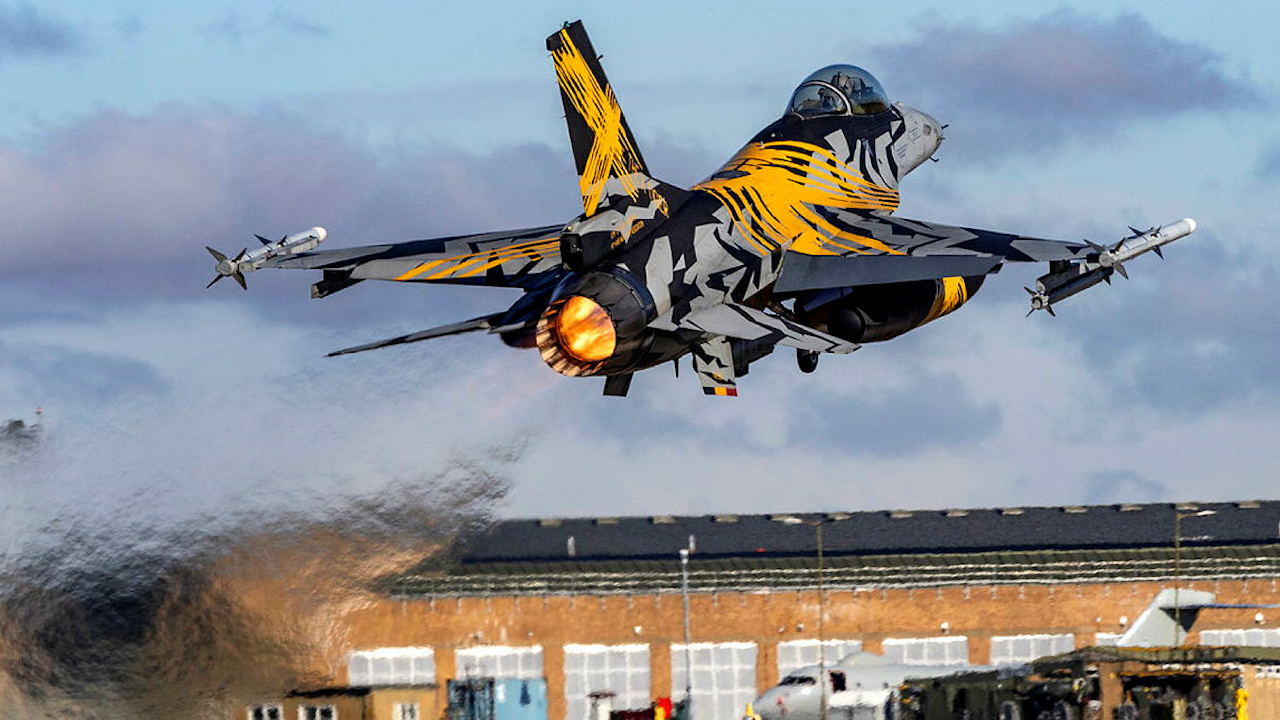
Belgium and the Netherlands have also adopted a similar voluntary or selective conscription scheme.
Belgium hopes to increase its reserves from 6,600 to 20,000, while the Netherlands is aiming for the same target.
The Netherlands still has compulsory military service, but since 1997 no young people have been called up.
Lithuania: 100,000 reservists
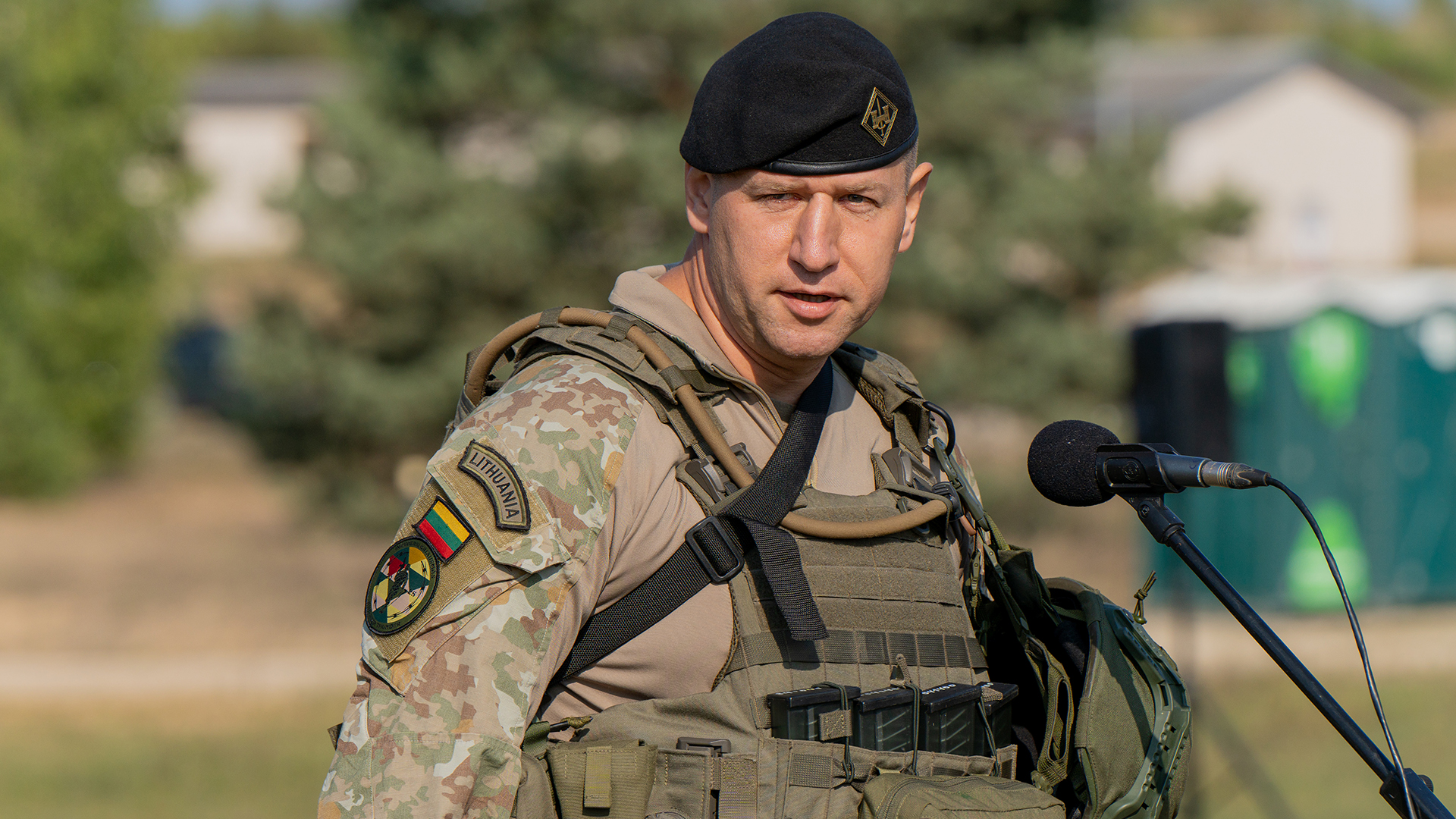
Lithuania plans to have reserves totalling 50,000 by 2030.
The country reintroduced its conscription service back in 2015, and plans to gradually increase numbers from next year.
The aim is to recruit more than 6,000 young people annually for compulsory service from 2027.
It is one of several EU countries to have compulsory military service, including Austria, Cyprus, Croatia, Denmark, Estonia, Finland, Greece, Latvia, and Sweden.
Denmark: 16,000 reservists
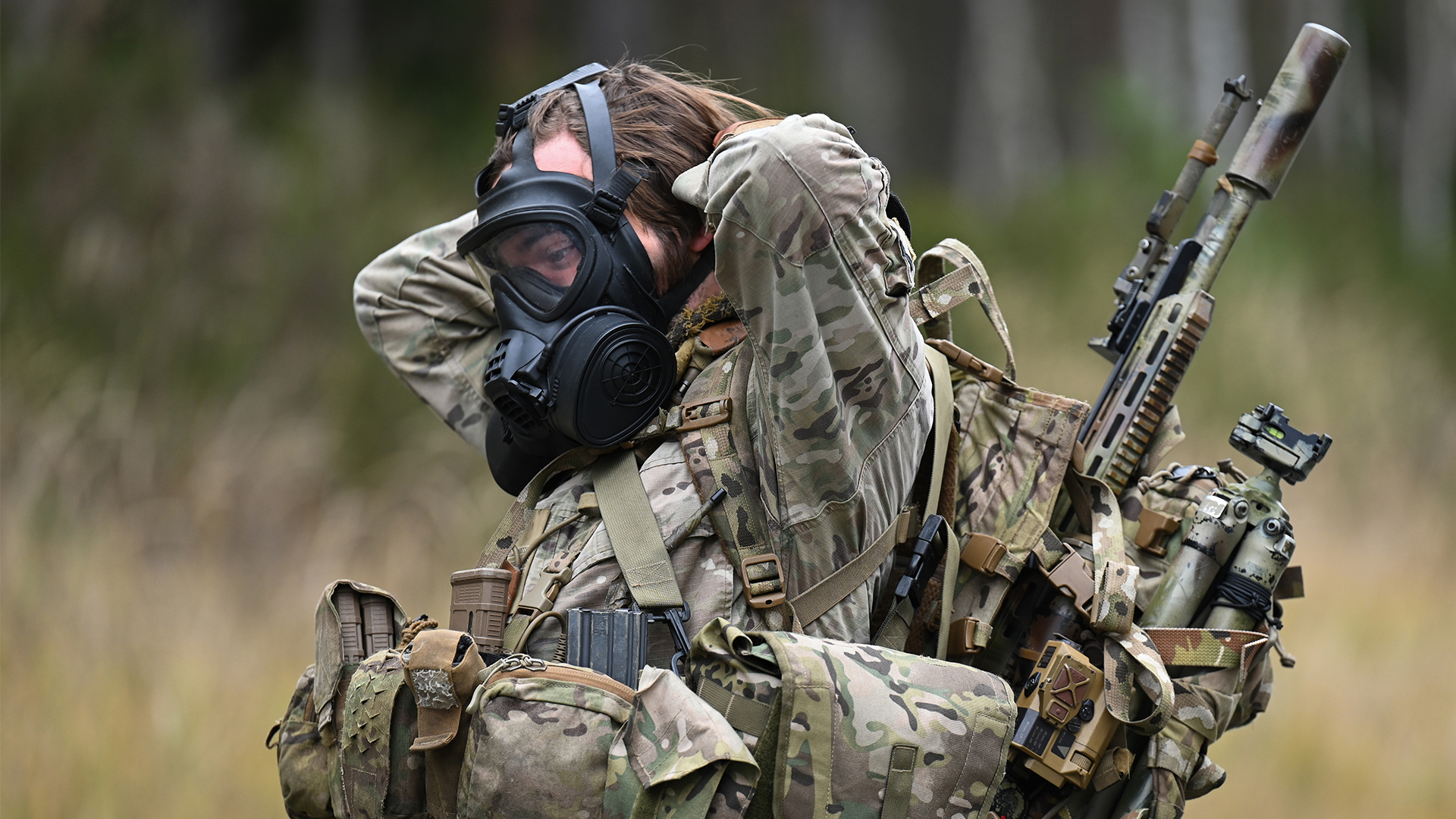
Denmark issued a rare urgent call-up of reservists after Russian drones crossed its airspace.
The call-up is to prepare reservists for a possible operation on Danish territory.
US: 761,000 and UK: 29,000 reservists
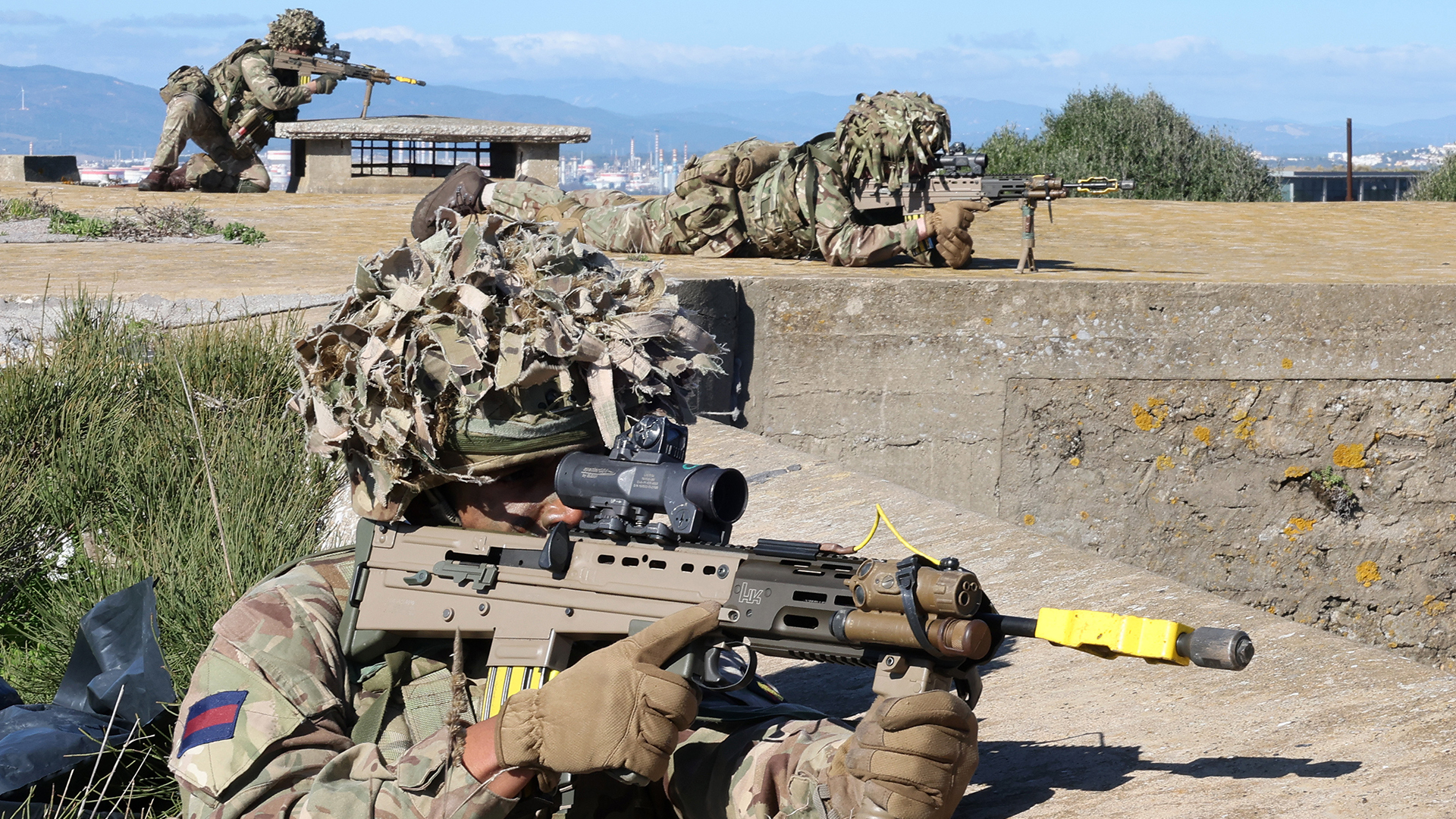
The US has paired up with the UK in a first-of-its-kind memorandum to allow residents residing overseas to receive reserve training.
The UK is also investing an additional £240m across the three services to improve training for reservists – but numbers are still falling.
Why the global shift?
The war in Ukraine has shown the importance of numbers.
Today's threats need specialists – skills that many reservists have from their day jobs.
Reservists are cheaper than the regular armed forces personnel and potentially better for grey zone warfare.
Related topics
Join Our Newsletter