Frontline lessons: Former paratrooper analyses Ukraine's evolving infantry tactics
A former British infantry officer who served three tours in Afghanistan says Ukrainian tactics are updating at a remarkable pace as soldiers adapt to drones, urban battlefields and constant technological change.
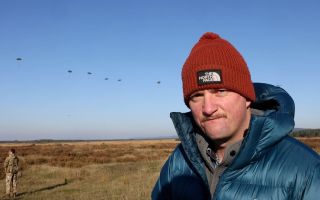
Andrew Fox, an officer with The Royal Welsh and later The Parachute Regiment, told BFBS Forces News that Ukrainian troops were combining traditional battlefield skills with rapid improvisation as they fight along some of the war’s most dangerous frontlines.
Mr Fox, who is now an academic researcher and defence commentator, has visited Ukraine several times and seen areas like Pokrovsk to witness the fighting firsthand.
Small squads carrying out FIBUA
Urban fighting in eastern Ukraine often involves clearing ruined buildings where enemy troops may be hiding in basements or underground spaces.
It is a challenging environment and unlike traditional assaults involving large formations, Ukrainian troops are often operating in small squads to avoid significant losses from artillery and drones.
In the open if you have battalions going forward, they get wiped out, Mr Fox said, "so what we're seeing here is small squads going forward".
The fundamentals of infantry combat continue to remain crucial, with soldiers only moving when covered by their teammates and constantly monitoring their surroundings.
"You need to be able to stay flexible, but you also need to make sure you are doing your skills and drills properly," he pointed out.
"You can see [from the helmet cameras], he's keeping his arcs covered he's going left, he's going right, he's not getting fixated on the target, he's keeping his situational awareness."
The master becomes the student
Mr Fox said in Afghanistan the big threat was improvised explosive devices, while in Ukraine the "IEDs are flying”.
First-person-view (FPV) drones are now widely used to hunt individual soldiers or vehicles, forcing troops to adapt their tactics and movement patterns.
With both sides engaged in a constant technological "cat-and-mouse" battle, Mr Fox said "essentially you need to control your drone like a tech startup".
He said they should have the freedom to innovate and be creative as well as the freedom to make new things to get around.
"Because the pace of change is so big at the moment, if you have a formal staffed up lessons learned process, it just takes too long .. There's a lot of trust needed," he explained.
The conflict is also offering significant lessons for Western armies.
"They've clearly taken a lot from Interflex and a lot from the training, but there will, of course, always come a tipping point where actually the master has become the student," he added.
"We're going to have to go to them and say 'can you show us how you did X, Y, Z' because we are way behind them in terms of stuff like procurement.
"We'd be insane not to speak to our friends and learn the lessons that they learned the hard way."
Join Our Newsletter