
Ex Bamboo Eagle: US Air Force drills train allies to fight an air war when comms break down
RAF and Australian planners are working inside the US-run air operations centre as Exercise Bamboo Eagle tests whether a coalition can make fast decisions and keep control of airpower across long distances under threat.
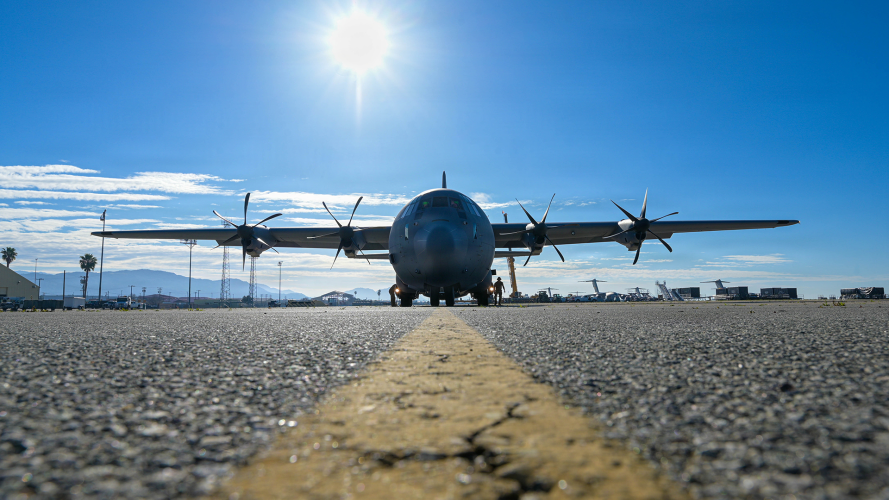
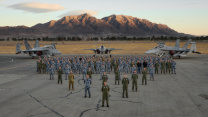
Exercise Bamboo Eagle takes place across Joint Base Pearl Harbor-Hickam in Hawaii, Kirtland Air Force Base in New Mexico, Hurlburt Field in Florida and other locations.
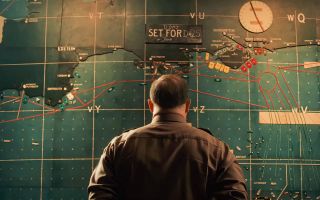
Unlike exercises that focus mainly on flying, Bamboo Eagle is aimed at the command layer: turning information into decisions and decisions into missions.
The key term is C2, or command and control. In plain terms, it is how commanders build a picture of what is happening, share it, and send orders so units can act together quickly.
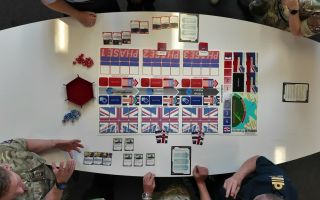
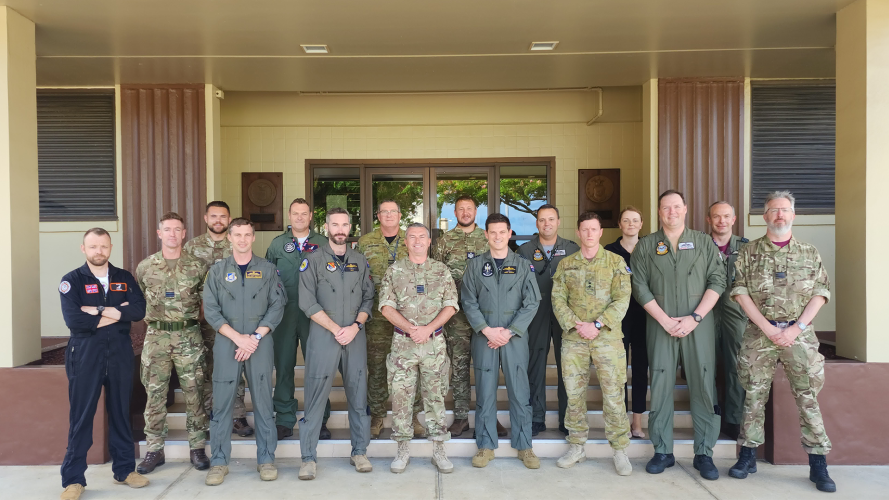
RAF C2 specialists have been embedded inside a US Air Force air operations centre as Exercise Bamboo Eagle tests how the US, UK and Australia would run an air campaign across long distances when comms are patchy at best.
Brigadier General David Epperson, commander of the US Air Force Warfare Centre, said the exercise is designed to pressure "the entire command and control architecture – from the air operations centre to the expeditionary wings".
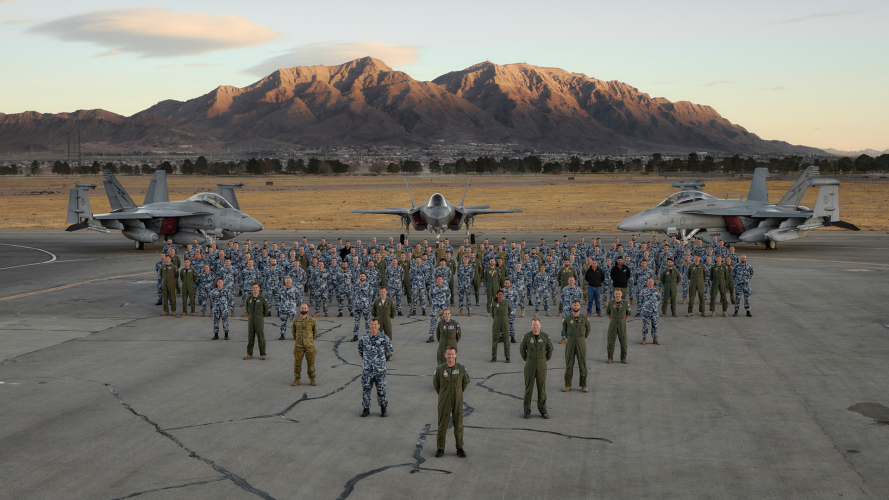
The RAF and Royal Australian Air Force contribution sits inside the planning headquarters.
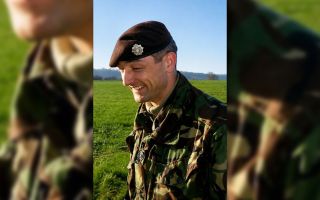
UK Wing Commander Richard Kinniburgh, the UK exercise architecture lead, said RAF C2 specialists are "fully embedded within the AOC's command team, contributing to the entire operational planning and execution cycle alongside the USAF and RAAF".
"Bamboo Eagle demonstrates a truly unified command structure," Cdr Kinniburgh said. "When you have a team this unified, you're not just sharing data; you're building a single, resilient command and control nervous system.
"A powerful nervous system is good; a battle-tested one is better," said Lieutenant Colonel Brad Short, 605th Test and Evaluation Squadron Commander.
His squadron is tasked with measuring how the command system performs, including how quickly the force can move from finding a target to acting on it, and whether the digital links that carry information and orders still work when the network is under strain.
Join Our Newsletter