CSG to head to the High North – with doubt cast on the F-35's ability to cope with the cold

From freezing fuel to ice building up on aircraft, operating in the High North presents a challenge – one the RAF may not be quite ready for.
It's something that worries the Chief of the Air Staff, Air Chief Marshal Harv Smyth, according to his comments reported in The Telegraph.
Speaking at an event at the Royal Aeronautical Society, ACM Smyth said the service had become "incredibly good" at operating in temperatures above 35 degrees thanks to its operational deployments to Iraq and Afghanistan.
Not 100 per cent sure
However, he said he was less certain about the RAF's readiness for operations in the extreme cold.
"It's a much more hostile environment," he said. "We have become an air force that's incredibly good at operating in the Middle East.
"I know I can send any squadron out the door and they can work in plus 35 degrees and make airplanes work and fly really good missions.
"I'm not 100% sure we could do that in minus 30 degrees."
With the UK set to deploy a new carrier strike group to the High North later this year, preparedness for cold climes will be high on the agenda across the military.
What sort of challenges will personnel face?
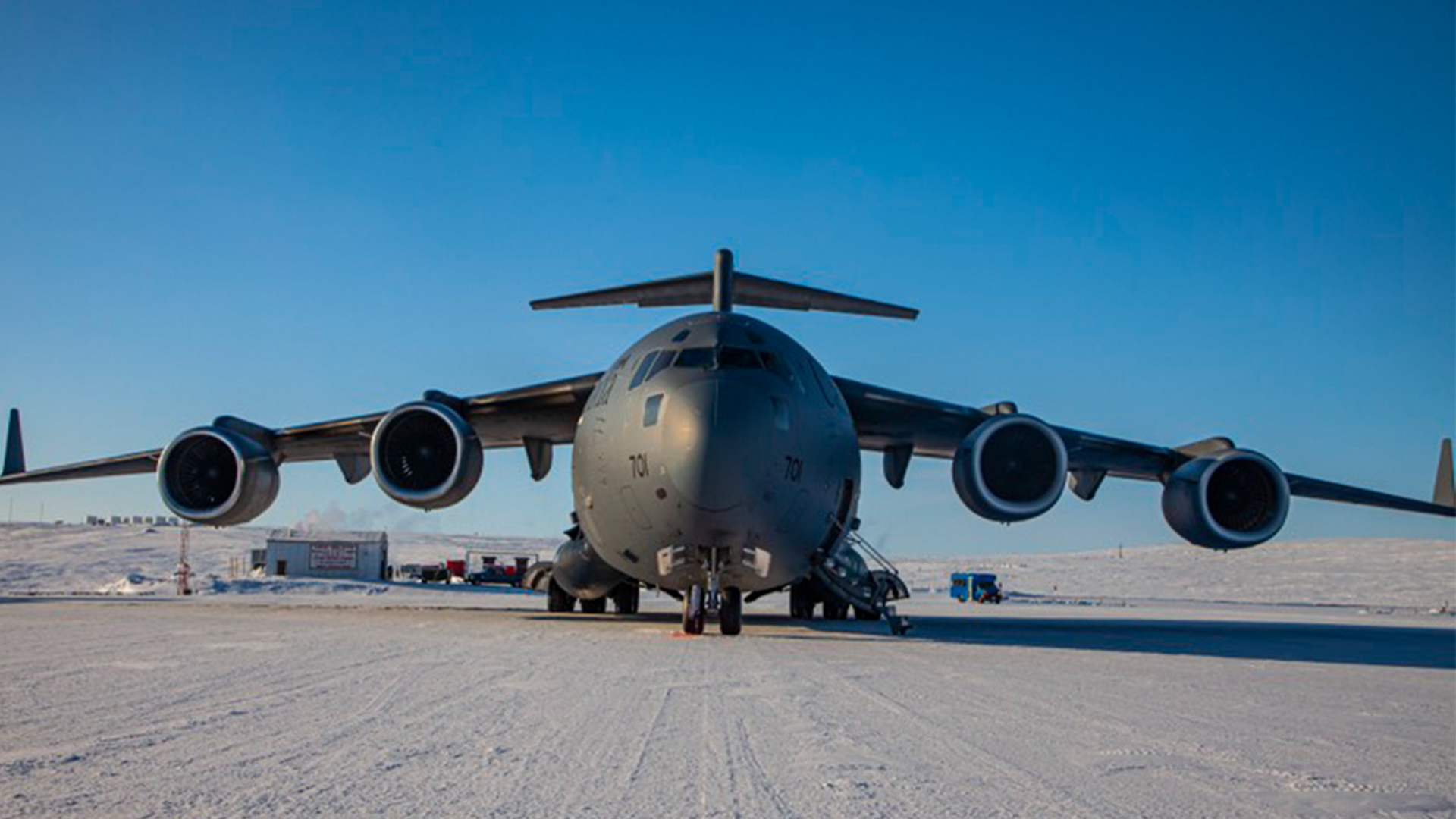
As with any other operation, the environment dictates what can be carried, what can be kept running and how quickly forces can move.
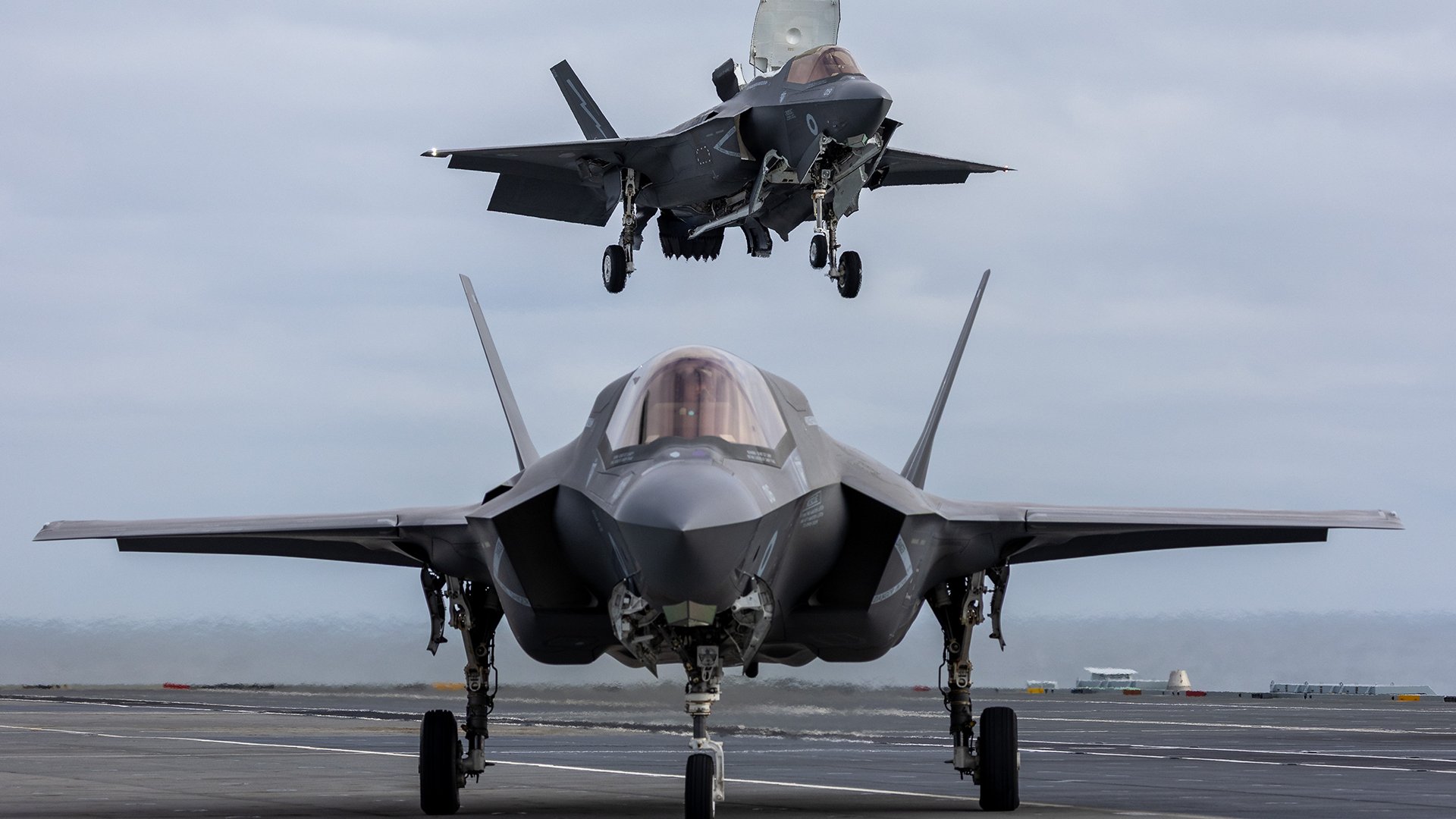
The top brass in the air force apparently have worries about the amount of warm clothing available and lubricants to help jets such as F-35s operate in the freezing temperatures, according to the Telegraph.
There are other problems working in these Arctic climates, as fuel and hydraulic fluid may be prone to degradation or even freezing in extremely cold conditions.
Beyond fuel and clothing, battery-powered systems are vulnerable when temperatures drop.
Lithium batteries and other new technologies can be hampered by the cold, meaning that certain equipment can only run for so long.
In addition, cloud cover can blunt the advantage of overhead surveillance.
What do we know about the deployment?
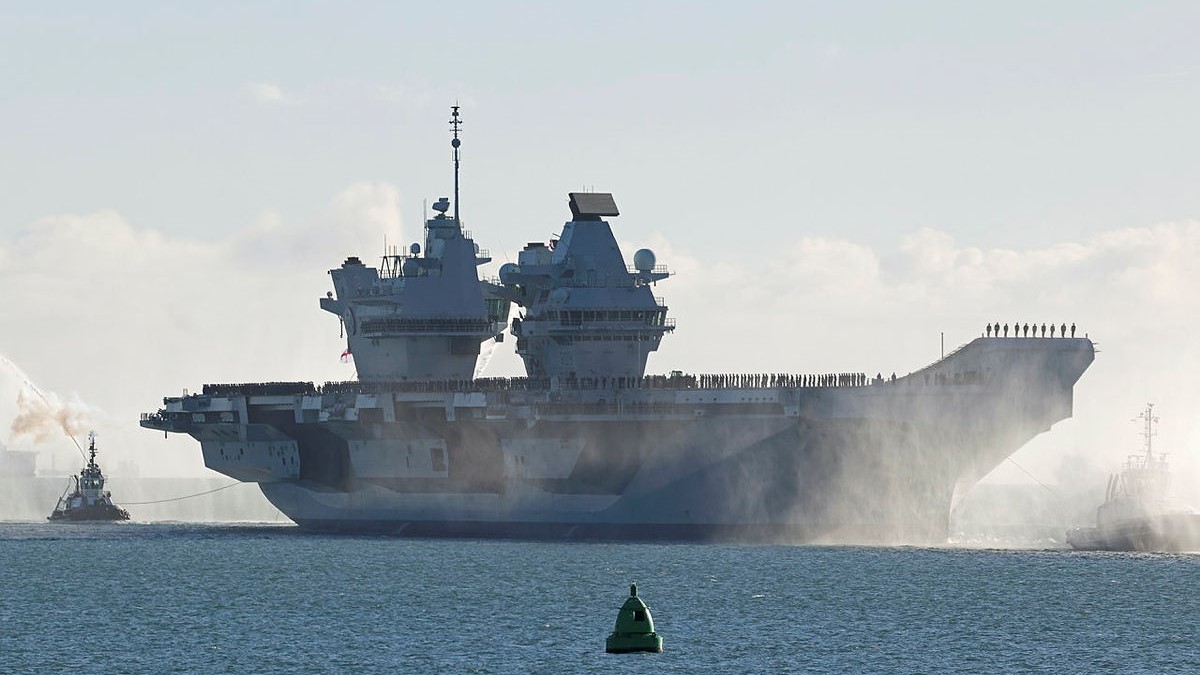
At the recent Munich Security Conference, Prime Minister Sir Keir Starmer said the UK would deploy a Carrier Strike Group under Operation Firecrest to the North Atlantic and the High North, led by the Royal Navy's flagship, HMS Prince of Wales.
CSG will operate with the US, Canada and other Nato allies, and will involve thousands of personnel from across the Armed Forces.
During Op Firecrest, the US and UK will work side-by-side on Euro-Atlantic security around the east coast of America.
The latest CSG will operate alongside Nato's UK-led Standing Naval Maritime Group 1, with HMS Dragon acting as the command ship of the maritime group throughout the year.
The CSG will sail across the Atlantic to visit a US port, with US jets anticipated to be flying from HMS Prince of Wales' flight deck.
Related topics
Join Our Newsletter