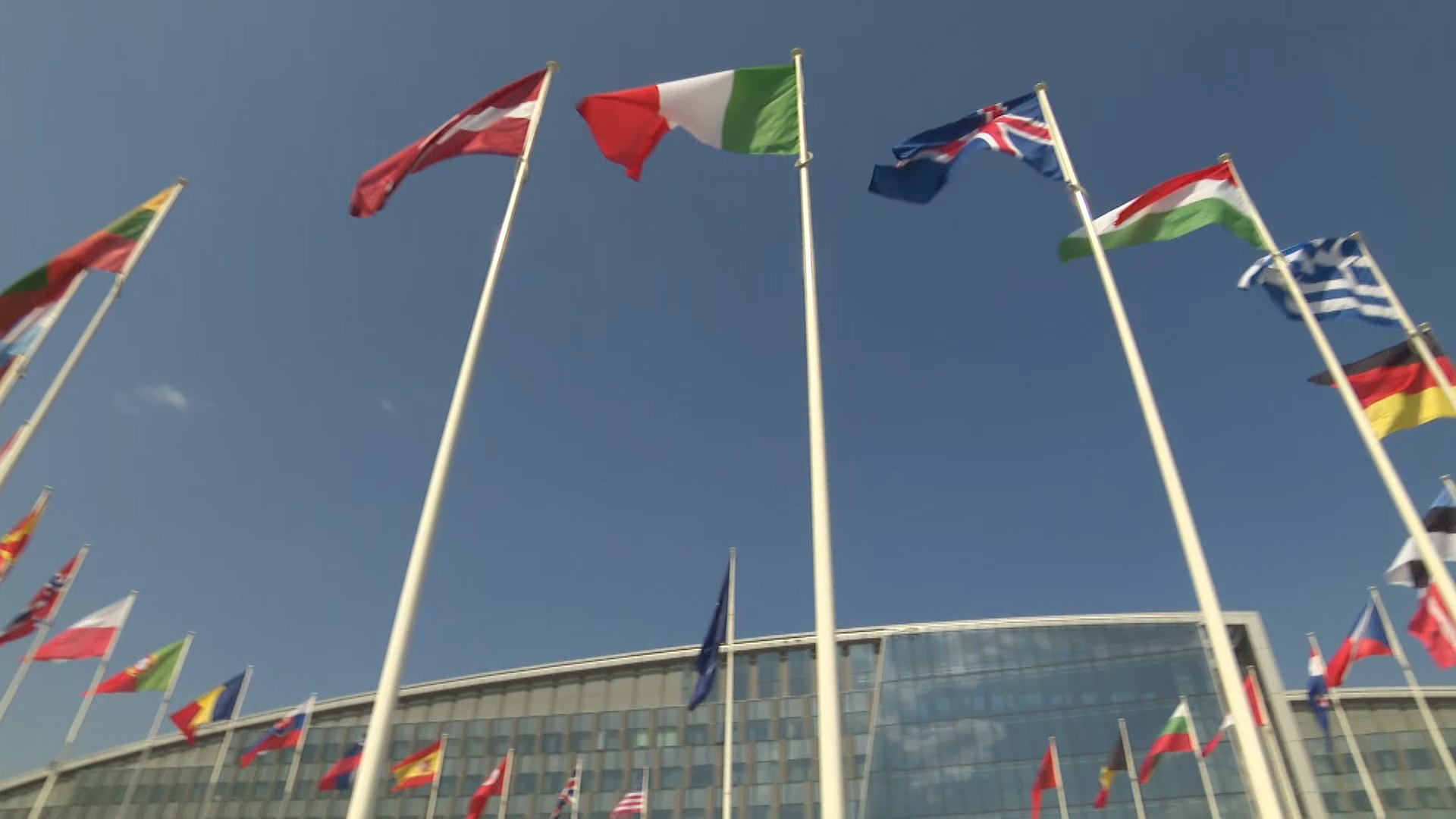
Military cooperation is lifeblood of Nato, despite political tensions, experts say

Military cooperation between Nato allies remains strong despite tensions at the political level between the US and Europe, three defence and security experts have told BFBS' Sitrep podcast.
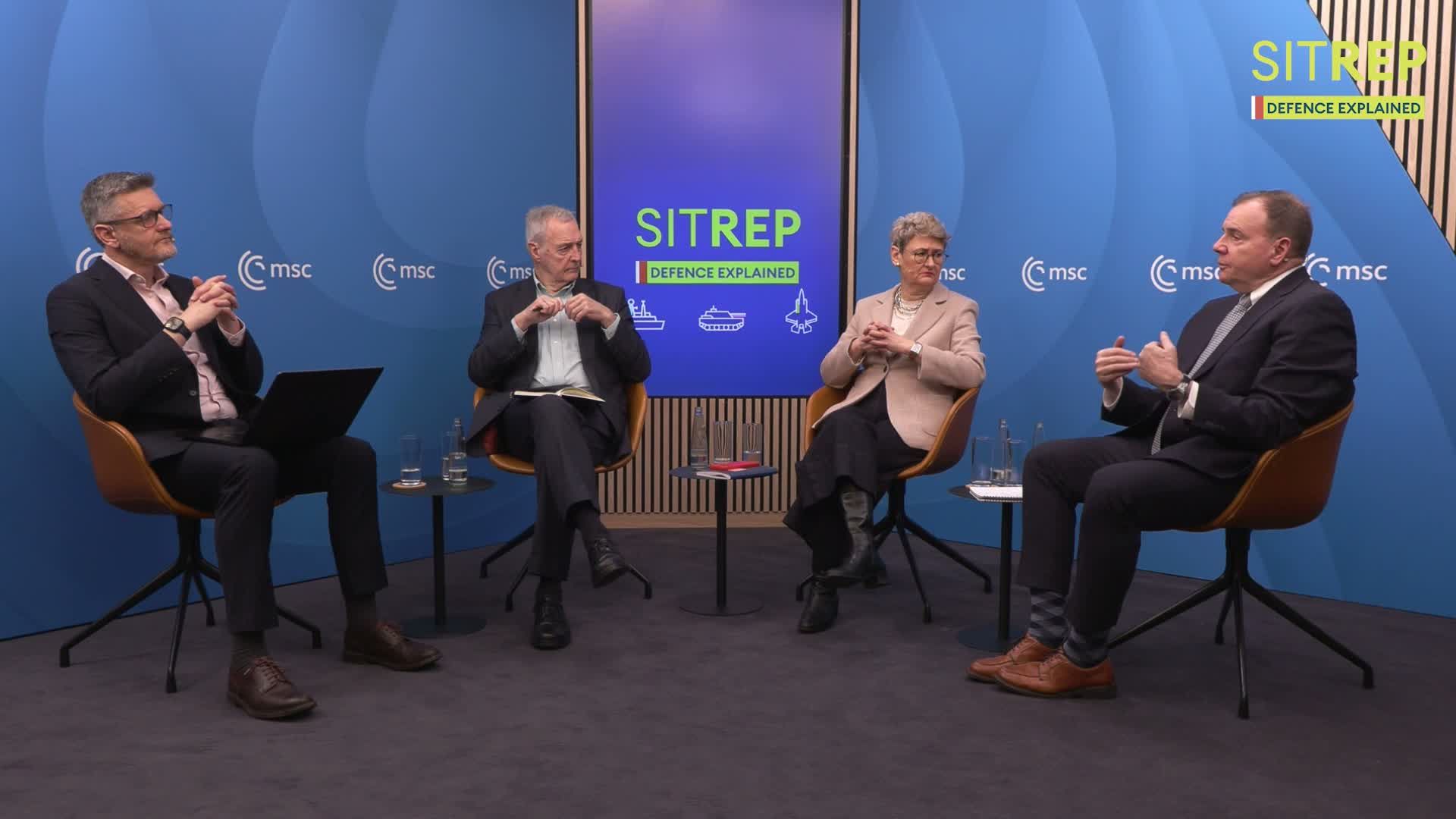
Lieutenant General (Ret'd) Ben Hodges, the former commanding officer of the US Army in Europe, and Oana Lungescu, who was the spokesperson for Nato for 13 years, were speaking with former director of RUSIA Professor Michael Clarke on a special edition of the Sitrep podcast, recorded at the Munich Security Conference.
"At this time of political tension, when our political leaders are at variance on so many issues, it is still the case, isn't it, that the military just get on with each other," Prof Clarke said, addressing a question to Lt Gen (Ret'd) Hodges.
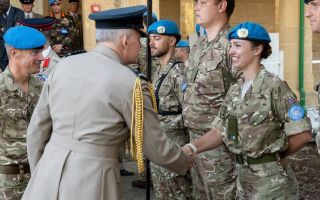
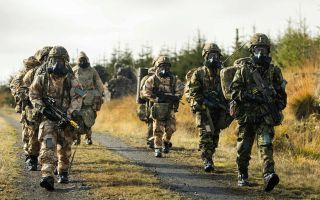
"Military professionals, they know each other. They usually like each other. As fellow professionals, they just get on… there's a sort of cement in the alliance, which is separate from the political end."
"I think that's well said," Lt Gen Hodges replied. "And it's worked for over seven decades.
"I think this is what Putin never anticipated or thought about," he continued. "We have all been together for years, not only in Iraq and Afghanistan, but in Bosnia. So, many of the Europeans have been on EU operations in Africa. So, there is a cohesion."
Ms Lungescu concurred, saying: "That mil-to-mil cooperation remains extremely strong. That trust between our militaries remains strong."
This year's Munich Security Conference came against a backdrop of antagonism between the US and its Nato allies, with a pre-conference report accusing President Trump's administration of taking a bulldozer to the international rules-based order.
The Munich Security Report stated that the "world has entered a period of wrecking-ball politics", causing the destruction of the traditional US-led post-1945 international order.
"The most powerful of those who take the axe to existing rules and institutions is US president Donald Trump," the report said, adding that the US's "bulldozer politics promises to break institutional inertia and compel problem-solving challenges marked by gridlock".
Moving on from JD Vance's controversial speech
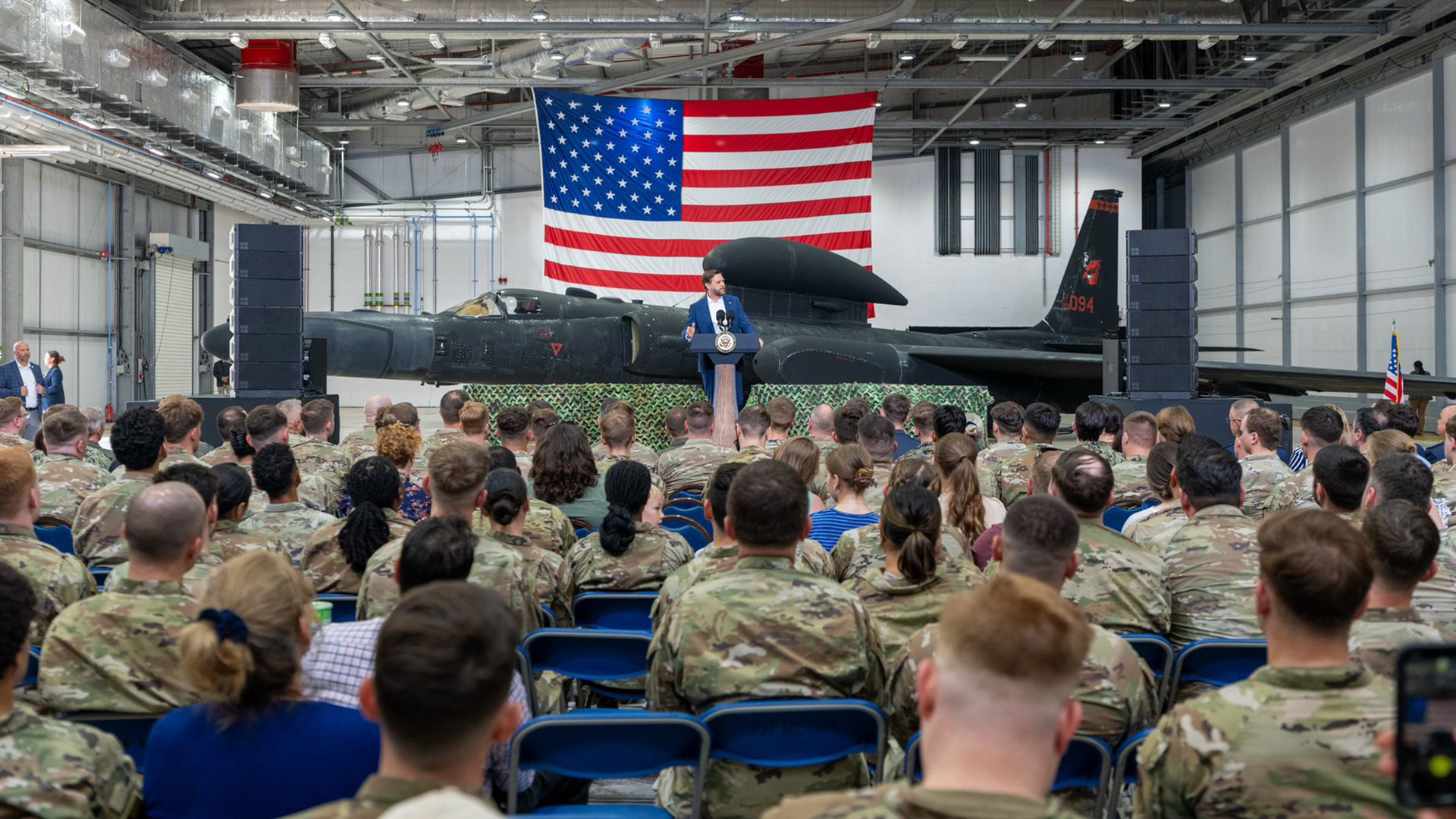
Following US vice president JD Vance's fiery speech last year, in which he berated Europe for its free speech and migration, and claimed that the biggest threat to the continent's security came from within, this year's showed a change of tone, with more talk of European resilience, joint procurement and reducing the reliance on the US.
In his speech, Mr Rubio told the conference that Europe and the United States "belong together" because they are part of Western civilisation.
"So, these are the Europeans re-establishing what will be a new relationship with the United States in a more, I think, probably more mature way, a less shocked way," Prof Clarke said.
"We've seen a certain amount of pushback from the United States, but also a change in tone from the US.
"But as you said, I mean, not a real change of substance, but at least the tone is not quite so conflictual now."
Ms Lungescu recounted the "stunned silence" when Mr Vance spoke about Europe's inability to deal with freedom of speech.
The US vice president's speech led to people being "shocked" around Europe, especially in Germany.
"There was a very different reaction, a sort of sigh of relief at secretary of state [Marco] Rubio's speech," Ms Lungescu, who was the first woman and first journalist to be Nato's spokesperson, said.
Greenland and Arctic security
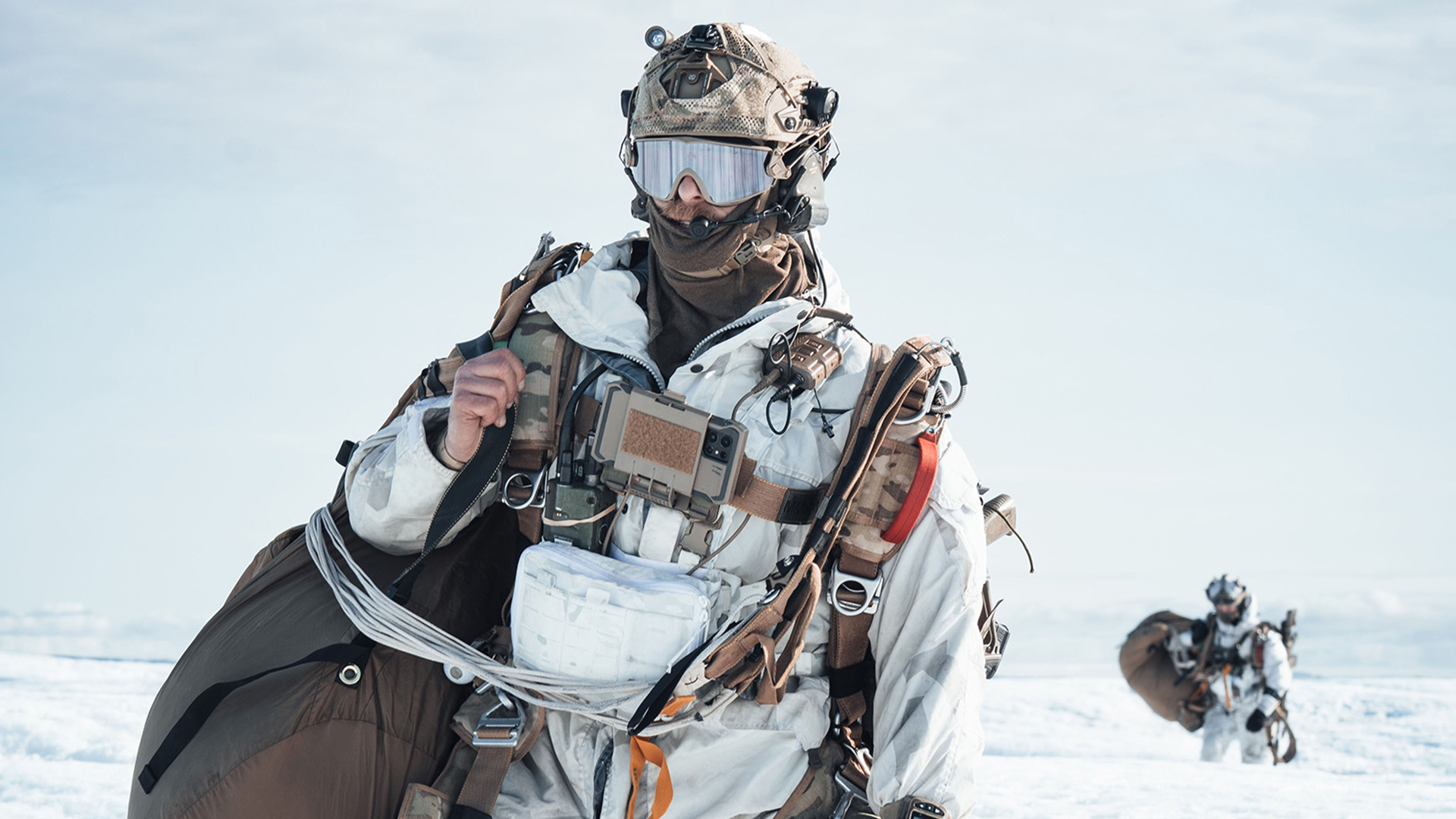
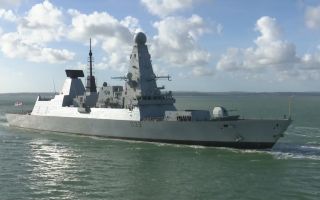
Prime Minister Sir Keir Starmer announced that the UK would send a Carrier Strike Group to the High North as a show of strength to Russia and China in his speech in Munich.
The Carrier Strike Group, known as Operation Firecrest, will be led by HMS Prince of Wales, one of the UK's two aircraft carriers, along with Royal Navy warships and the RAF's F-35 fighter jets.
The deployment will involve activity under Nato's Arctic Sentry mission, which is strengthening the alliance's security in the region.
Speaking about the UK Carrier Strike Group deployment, Prof Clarke said: "It makes perfect sense. It's not a huge thing. But, [with] Britain taking over the Joint Force Command in Norfolk, Virginia, that means that the North Atlantic is now our responsibility to lead on and be the framework for."
The CSG will be partnered with Canada, the United States, and Joint Expeditionary Force nations, including Denmark, Finland, Norway, and Sweden.
Lieutenant General (Ret'd) Ben Hodges said that sending the UK's 65,000-tonne aircraft carrier to the Arctic delivers a message to Nato's adversaries.
"When you send a [aircraft] carrier somewhere, of course, there's so much that goes with it," Lt Gen (Ret'd) Hodges told the podcast.
"And that's exactly what the US does when it's announced that [USS] George Washington, or the [USS] George HW Bush or the [USS Gerald R] Ford is arriving.
"That is a huge strategic message, a political message, because it has clout."
Ukraine
With the almost four-year-long Ukraine war grinding on in a cold February, the debate around Ukraine dominated the conference.
The conflict has left Moscow with close to 1.2 million casualties after its full-scale invasion in 2022, according to the Center for Strategic and International Studies, meaning that Vladimir Putin, the Russian president, is having to increasingly rely on foreign fighters.
"I think what's also important is a lot of people at this conference have stressed again this message that Russia is not winning," Ms Lungescu explained.
"[Mr] Putin has actually failed in all his objectives. He wanted Nato not to enlarge; now we have Finland and Sweden.
"He wanted to conquer Ukraine in days or weeks; Ukraine is still fighting bravely four years on."
Russia-Ukraine peace talks are slated to start in Geneva this week as Kyiv and Moscow look to hammer out a peace deal that is acceptable to both parties and their populations.
On the potential conclusion to the conflict, Lt Gen (Ret'd) Hodges added: "[Mr] Putin has no incentive to end the war. I mean, he does not want to have a million veterans unhappy with nothing to show for it, coming back to this stagflation and no jobs."
Additional reporting by Simon Newton.
You can watch Sitrep special on the BFBS Forces News YouTube channel, or listen to it wherever you get your podcasts.
Join Our Newsletter