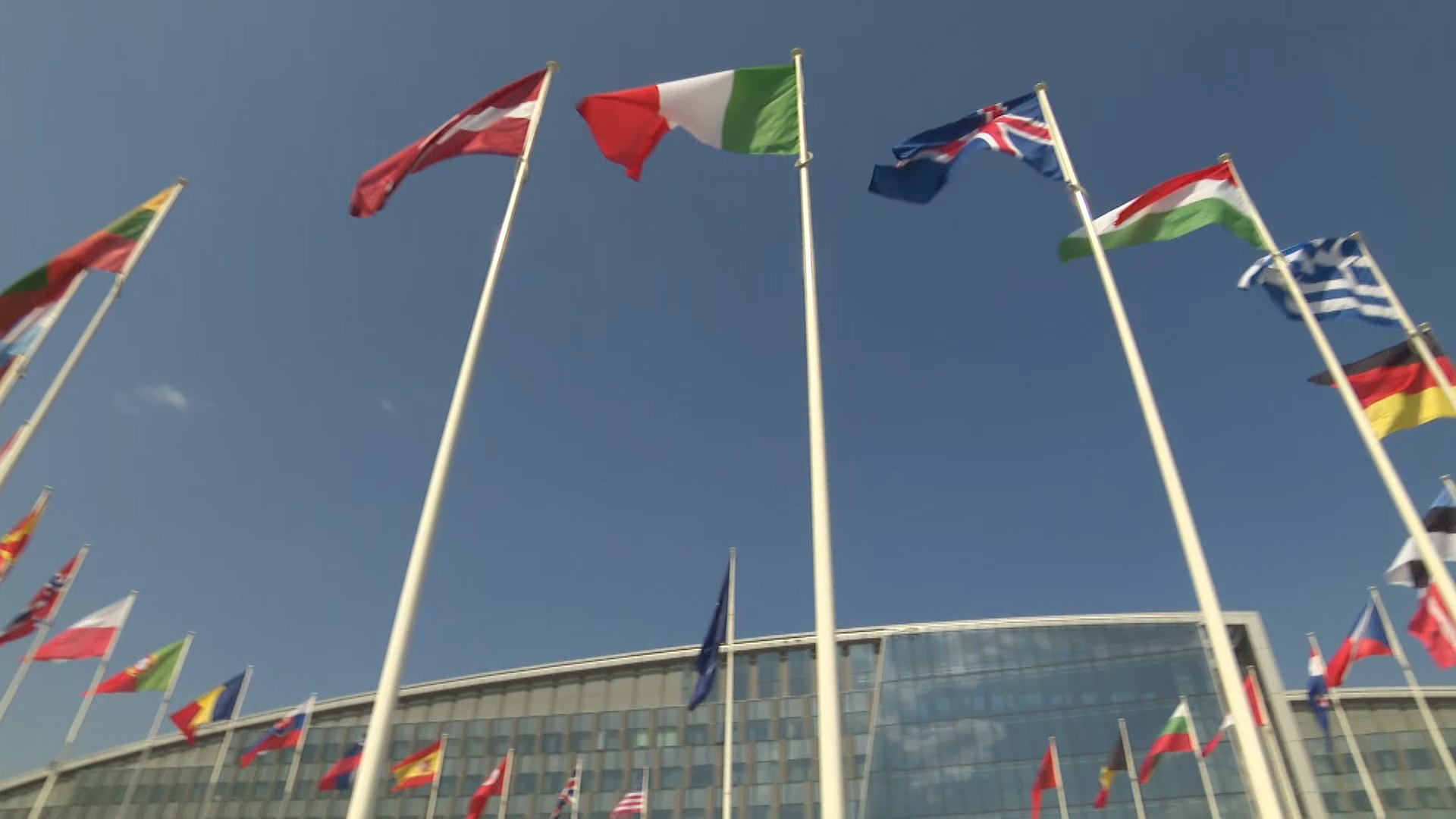
Trump thinks Nato's a problem for Europe not the United States, says expert

Amendments to the Nato command structure are sensible in light of the United States' changing relationship with the 32-member alliance, an expert has told BFBS Forces News' Sitrep podcast.
Professor Michael Clarke, who hosts Sitrep, said president Trump's administration thinks Nato is a European problem and sees Washington as being no part of it.
His analysis comes after Nato announced a significant redistribution of its command structures.
The European Nato restructure
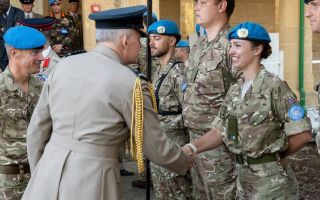
The United Kingdom will gain command of Joint Force Command Norfolk, Virginia, and Italy will be handed Joint Force Command Naples. The US previously had control of these bases.
Meanwhile, Germany and Poland will share command of Joint Force Command Brunssum on a rotational basis.
"I think there's something real in it, certainly, because it's sensible in a lot of ways," Prof Clarke told the podcast. "And it does reflect the fact that [European allies need to stand on their two feet and] the Nato allies understand that.
"They've got to step up, and everybody agrees with that."
One of the guests on the podcast, Jamie Shea, who was Deputy Assistant Secretary General for Emerging Security Challenges at Nato headquarters in Brussels from 2005 to 2018, said he was not surprised by the latest reshuffle and said it was about Europe being more in control of its defence.
"This push towards Europe taking on more responsibility [and] the Pentagon wanting the European Nato to be able to assure its own conventional defence by 2030, although that’s unrealistic, but that push is there," Mr Shea said.
The former Nato spokesperson during the Kosovo War added that these latest reforms are better than losing lots of Americans from the Nato command structure.
"Italy takes over and nobody bats an eyelid, so, first of all, how times have changed in that respect," Mr Shea said on the alterations on mainland Europe.
"Secondly, on Brunssum, Joint Forces Command, that makes sense. I mean Poland is a big contributor to Nato."
He explained that these modifications make sense given that Berlin and Warsaw are important in Nato's future land conventional defence of Europe.
It means that all three Joint Force Commands, which lead at the operational level in crisis and conflict, will be led by Europeans.
Is the UK losing Allied Maritime Command a blow?
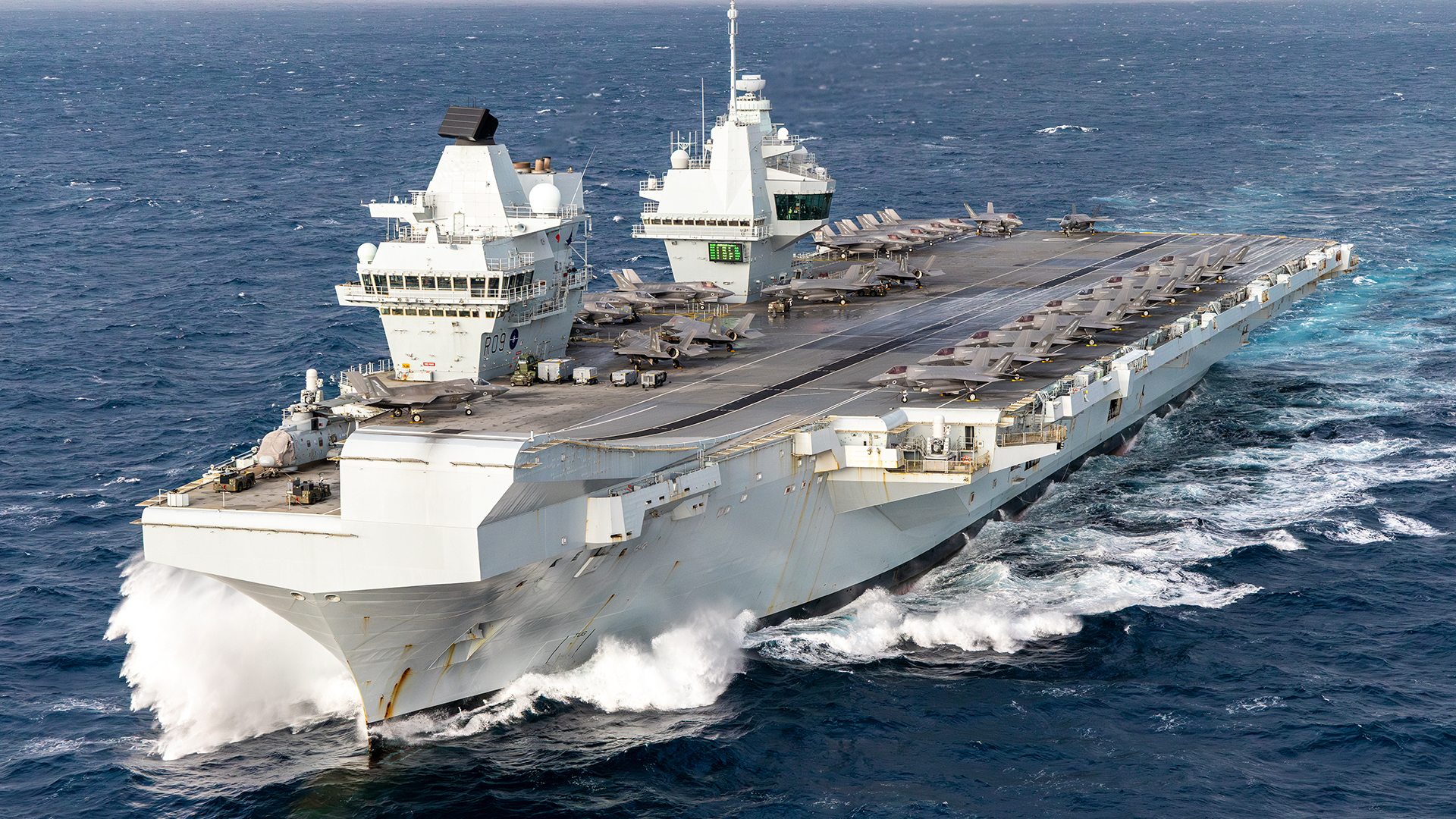
The United States has gained responsibility for Allied Maritime Command at Northwood from the UK, while keeping control of Allied Land Command and Allied Air Command.
Prof Clarke suggested that the UK losing Northwood, while gaining command of JFC Norfolk, had led to a "neutral" effect overall.
"It has to reflect not just the tidiness of these new arrangements, and they are tidier than they were before," he explained.
"It does reflect that the Royal Navy can't put enough ships to sea. That's the state that it's in."
Mr Shea was more positive than Prof Clarke about Northwood being taken off the UK's hands.
"So, it strengthens the European footprint, which I suppose is a good thing," he added.
The US' relationship with Nato
The reforms will be implemented in the next few years, in line with the existing scheduled rotation of personnel.
The agreement is part of a shift toward shared responsibility within Nato, as Europeans are given more leadership roles in Nato's command structures.
Despite these reforms, Nato said that Washington is committed to the alliance's command and control, including in maintaining the role of Supreme Allied Commander Europe (SACEUR), currently General Alexus G Grynkewich.
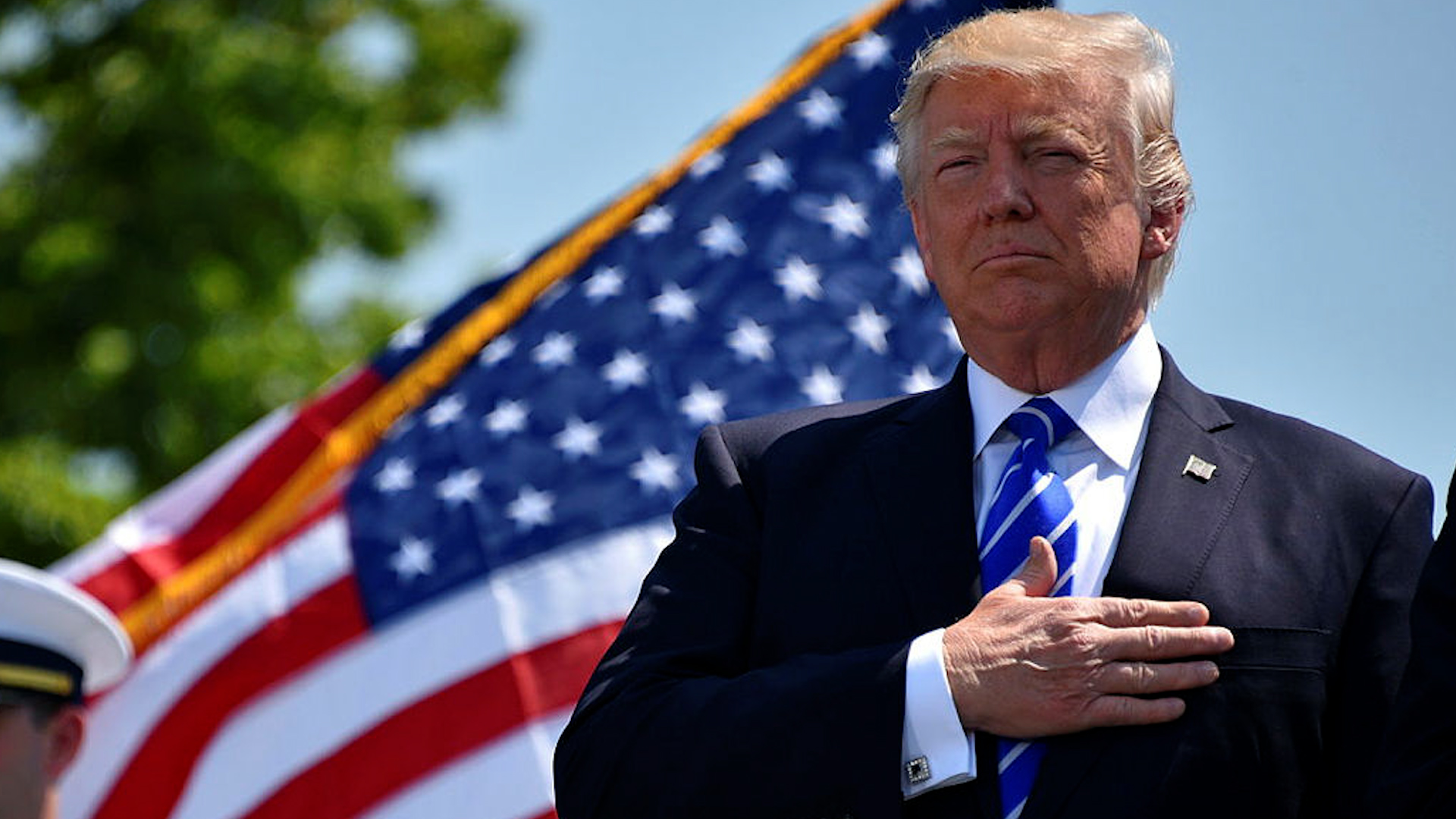
Given the current administration's views on Nato, these latest reforms will be seen through the lens of the United States' ever-changing relationship with Nato.
Speaking on the podcast Prof Clarke examined Washington's backing of Nato, saying: "The problem underlying that is this doubt about the transatlantic relationship, [and] whether the United States is really backing Nato up.
"The Trump administration seems to see Nato as a European problem, not it. It regards itself as somehow not in Nato."
Sitrep Munich Security Conference special
BFBS Forces News Reporter Simon Newton and Professor Michael Clarke will be hosting a special edition of BFBS Sitrep from the conference on 15 February, where they'll be discussing the highs and lows and picking out any explosive moments.
You'll be able to watch on the Forces News YouTube channel, or listen wherever you get your podcasts.
Join Our Newsletter