Duty vs morality: How personnel can respond if asked to follow an illegal order
President Trump has been effusive in his praise for the US armed forces over their actions in the Iran war, describing their "swift, decisive, overwhelming victories on the battlefield, victories like few people have never seen before".
However, some people in the military community have been unsettled by some of the wording he’s used to threaten Iran in social media posts.
Between 1997 and 1999, Professor Nancy Sherman was the first distinguished chair of ethics at the US Naval Academy where she taught service personnel about the dangers of following illegal commands.

"That you would wipe out a civilisation, or bring Iran back to the Stone Age... coming from a Commander in Chief... to the whole armed services was shocking," she told BFBS Forces News.
"The military community, and the veteran community and the officer community are deeply, deeply worried... What really worries me is there was no mention in advance of constraints in the targeting."
Excess and harm
In America and the UK, it’s a serious offence to disobey a lawful order – so if you’re serving in the Armed Forces, how do you judge whether you’re being asked to do anything illegal?
Professor Sherman breaks it down.
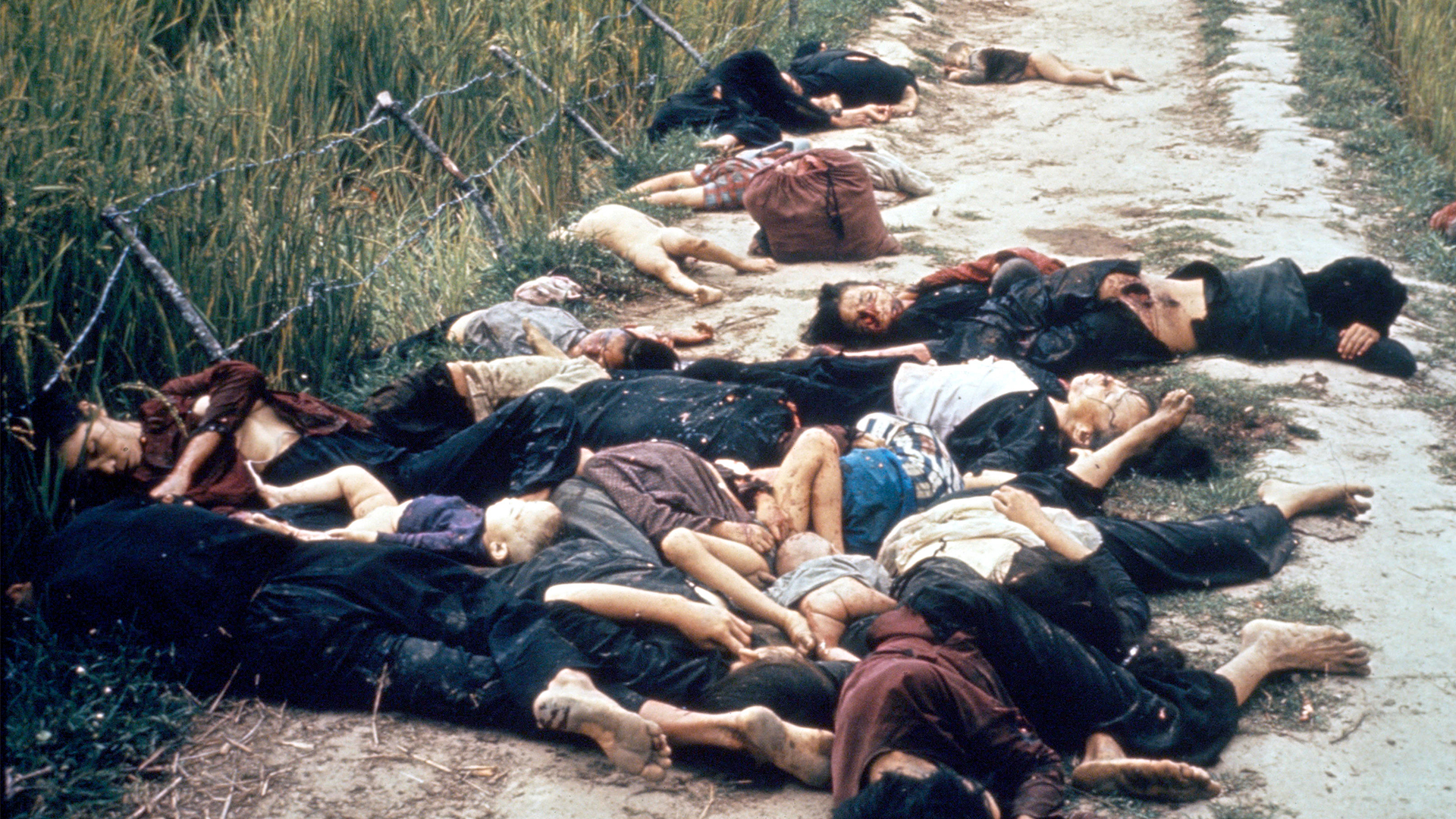
"An unlawful order would be one that fails to discriminate between combatant and non-combatant... one that does not take into account proportionality. Is the harm excessive – and the harm to civilians in particular?
"But it could be also to enemy combatants, excessive relative to the gain, and the gain would be the importance of the mission for the victory."
The Kosovo airport incident
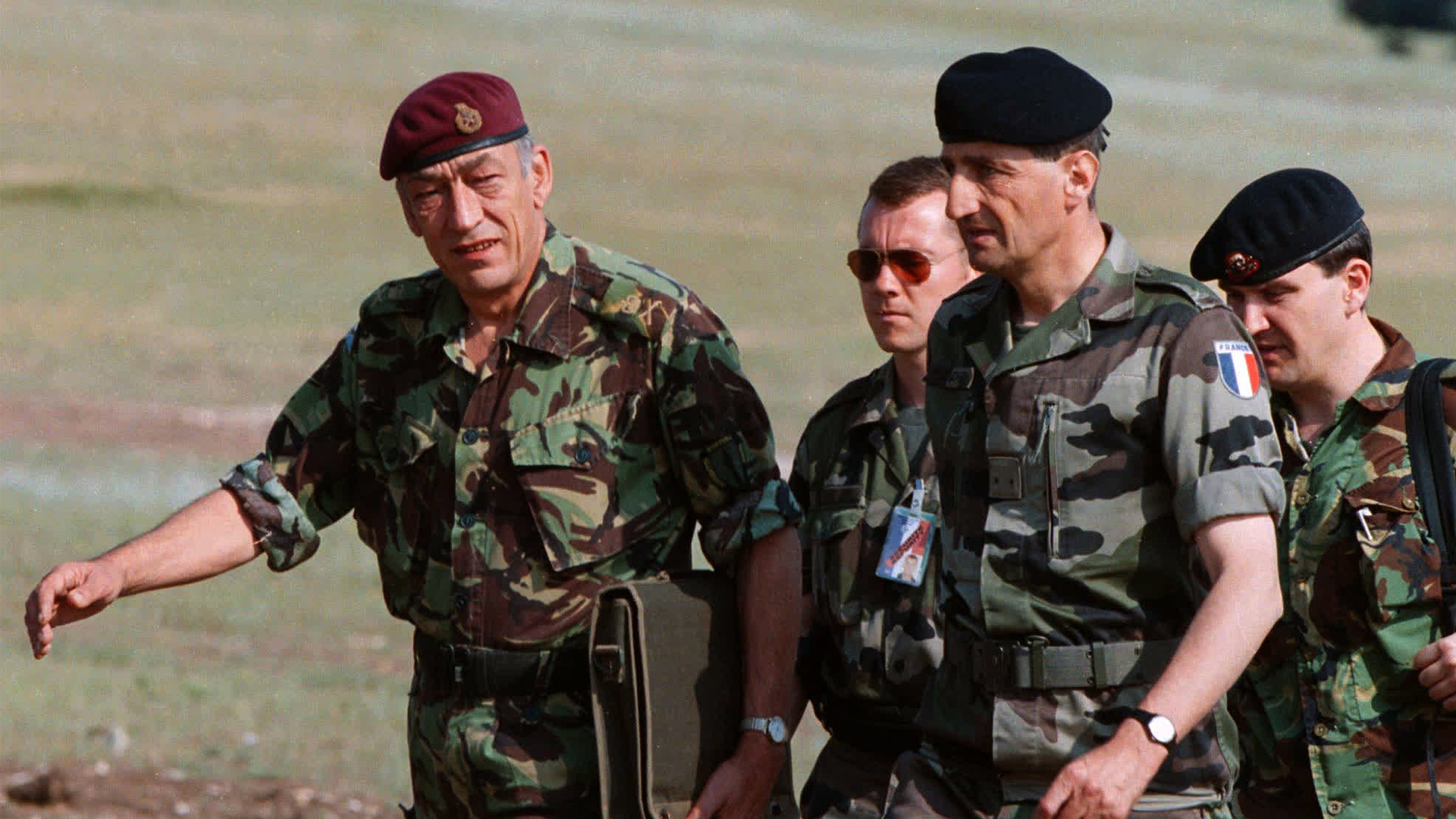
One famous example of a British officer disobeying an order is the late General Sir Mike Jackson.
Back in the 1990s, the former head of the Army was serving as Nato Commander in Kosovo when Russian troops occupied the airport. He was ordered to block the runway, but refused, allegedly telling US General Wesley Clark: "I'm not starting World War III for you!"
Speaking in 2014, he told BFBS Forces News: "It was a confused and rather dramatic 72 hours... It was not clear what the benefits of [blocking the runway] was, but certainly to me and my staff it was pretty clear what the risks might involve."
For Gen Sir Mike, there were no negative personal consequences for his decision, but others have not been so fortunate, finding themselves facing opposition from their comrades or their superiors.
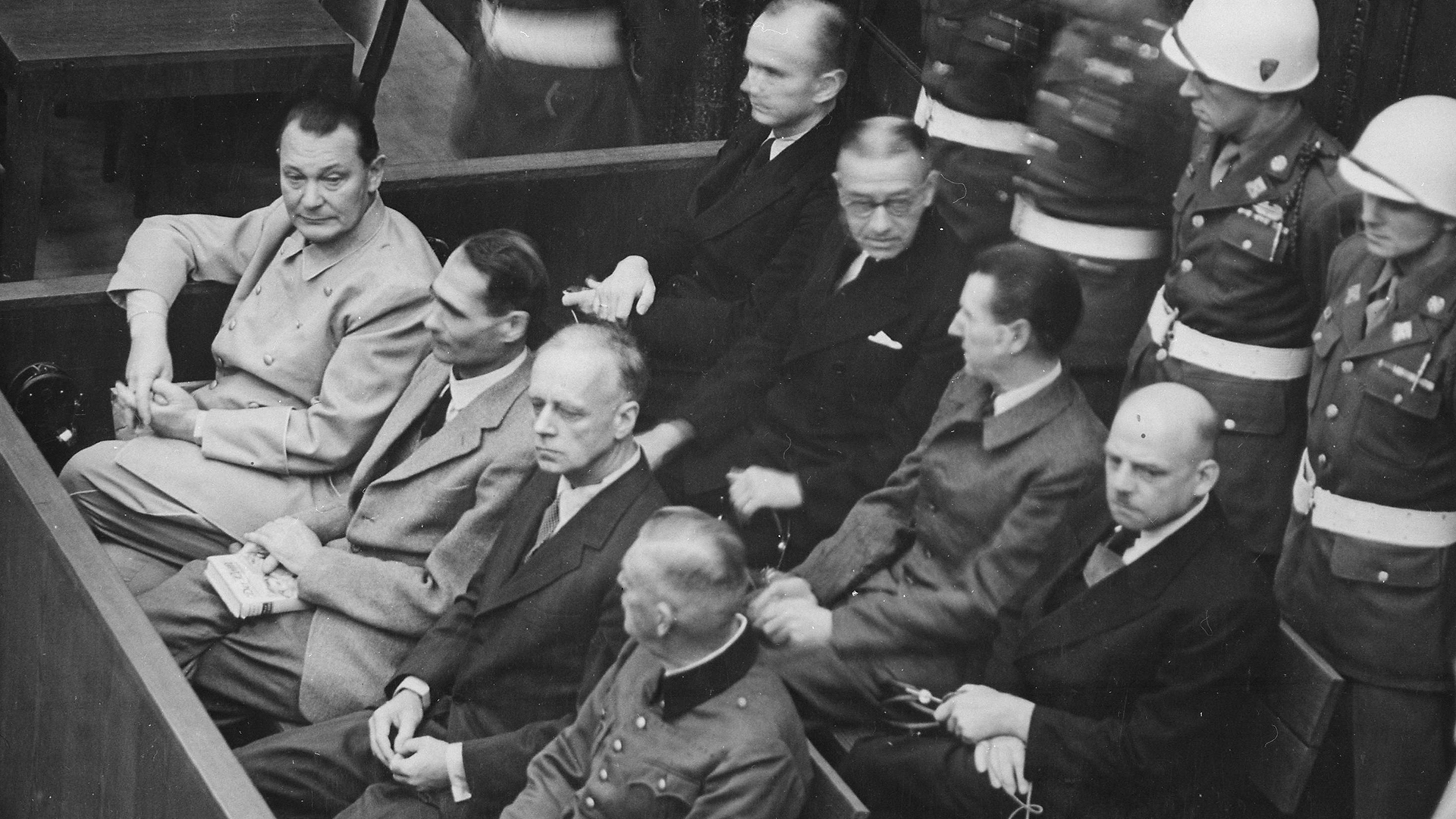
For the current generation of serving military personnel, the stakes are high. Since the prosecution of Nazi war criminals at Nuremberg, "following orders" is not a defence recognised in international law.Service personnel must balance moral responsibility with their duty to follow lawful commands.
In an age of social media and commanders-in-chief who broadcast orders in real time, it can be hard to see exactly where that line falls.
Join Our Newsletter