Trump's use of gameplay footage to promote Iran war undermines troops, argues expert

What do Call of Duty, Wii Sports and blockbuster films like Iron Man have in common?
They're cultural icons, each responsible in their own way for shaping a fictional narrative around gameplay, conflict, violence and heroism.
They're also examples of footage that the White House, under President Donald Trump, has interspersed with real depictions of the war with Iran to spread the message that the US is triumphing through Operation Epic Fury.
These videos are the latest iteration of a growing trend - the gamification of warfare - where footage from video games like Battlefield or Age of Empires is blended with real-world actions such as missile strikes.
The impact of the sharing of this footage is profound for American soldiers, for America's increasingly isolated allies and for our understanding of what it means to report from the modern battlefield.
Shaping a narrative of victory
Since the launch of Operation Epic Fury in late February, President Trump has, through his rhetoric, sought to shape a narrative of victory from the outset.
In posts to his social media platform Truth Social he has boasted of sending the entirety of Iran's navy to the bottom of the ocean and assassinating Iranian Ayatollah Ali Khamenei, which he described as "Justice for the people of Iran".
These gamified videos promote that same narrative.
Posted to the White House's X account, one captioned gameplay footage from Wii Sports with a single word: UNDEFEATED.
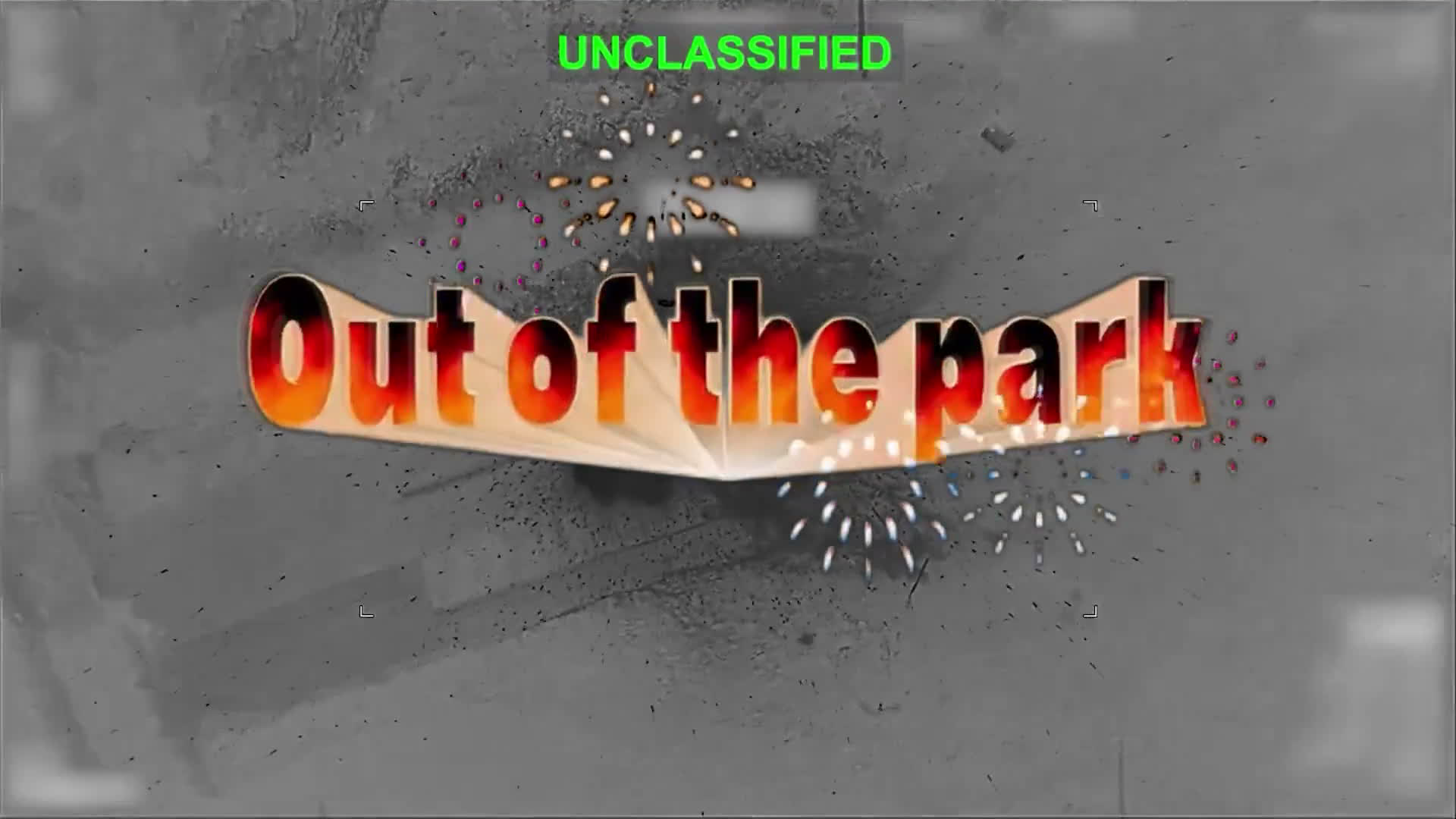
In another example, footage from the Marvel film Iron Man was interspersed with real declassified imagery from initial US strikes during Operation Epic Fury.
The US is not the only player in the conflict that has used this tactic – Tehran posted an image of a Lego-themed animation that showed the downed F-15 pilot running away from Iranian personnel.
In another example, the Iranian Embassy in Thailand posted a Lego-animated video of Iranian musician Ali Ghasmari playing in front of a power plant after Mr Trump threatened to target critical infrastructure.
Dr Melanie Garson, associate professor in international security and conflict resolution at University College London, spoke with BFBS Forces News about how these gamification tactics are impacting real-world perceptions of conflict.
"It creates a falseness within the relationship with the conflict for many, that could be seen to destroy empathy and create that kind of moral crisis, if you want a government to [be] seen as level-headed and true to its values," Dr Garson said.
"And they've talked about this being a moral, just war – a war to liberate the Iranian people, to give that then the dignity that it deserves."
She said that much of the content created can become a danger as it can become "zombie content" where it can be absorbed into games. "It becomes very, very difficult to distinguish from reality," she explained.
"Zombie content" refers to persistent misleading information that continues to circulate despite evidence to the contrary.
However, she also notes there is historical precedent for using popular culture to sell a war to the public.
Frank Capra's Second World War films, called Why We Fight, for example, were used to persuade people to take up arms against the Axis powers.
How this content affects troops and allies
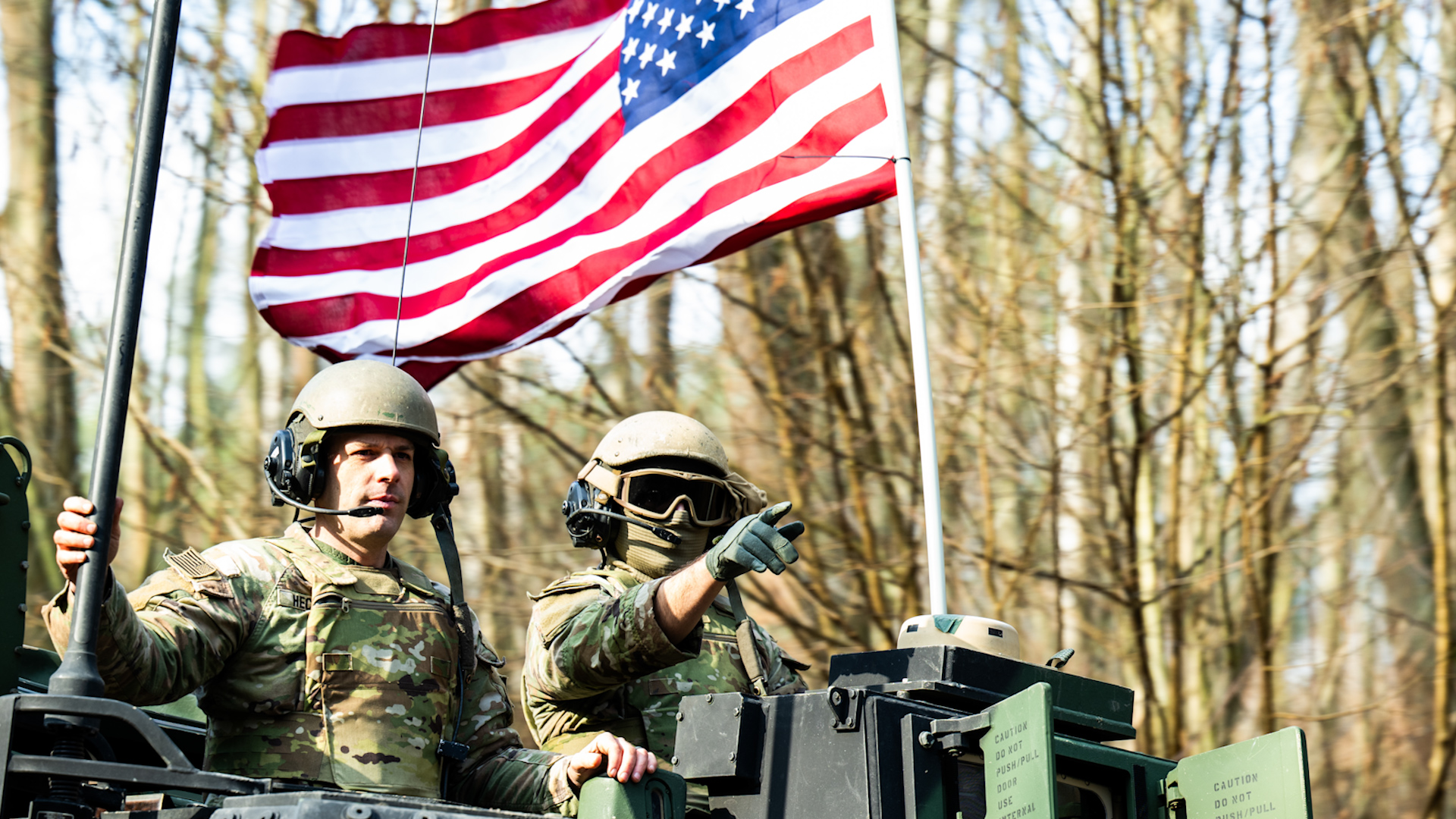
These clips are being shared on official accounts such as the White House X account, with its 4.3 million followers, and are visible to American personnel as well as the US' allies, which have so far remained reticent to embroil themselves in a war they didn't start. Their publication forms part of the US' narrative about its campaign – through the lens of braggadocio.
Dr Garson said: "[It] undermines both the aims and objectives of the war itself, and consequently it makes it more difficult for some of those allies to buy into."
She said that many of these posts do not acknowledge the tensions involved in fighting in a war.
"Nobody really wants to fight a war unless they have to, and those outcomes have real human life consequences that are undermined by gamifying it or putting Batman's 'pow kapow' elements on to this type of footage."
War is 'always ugly'
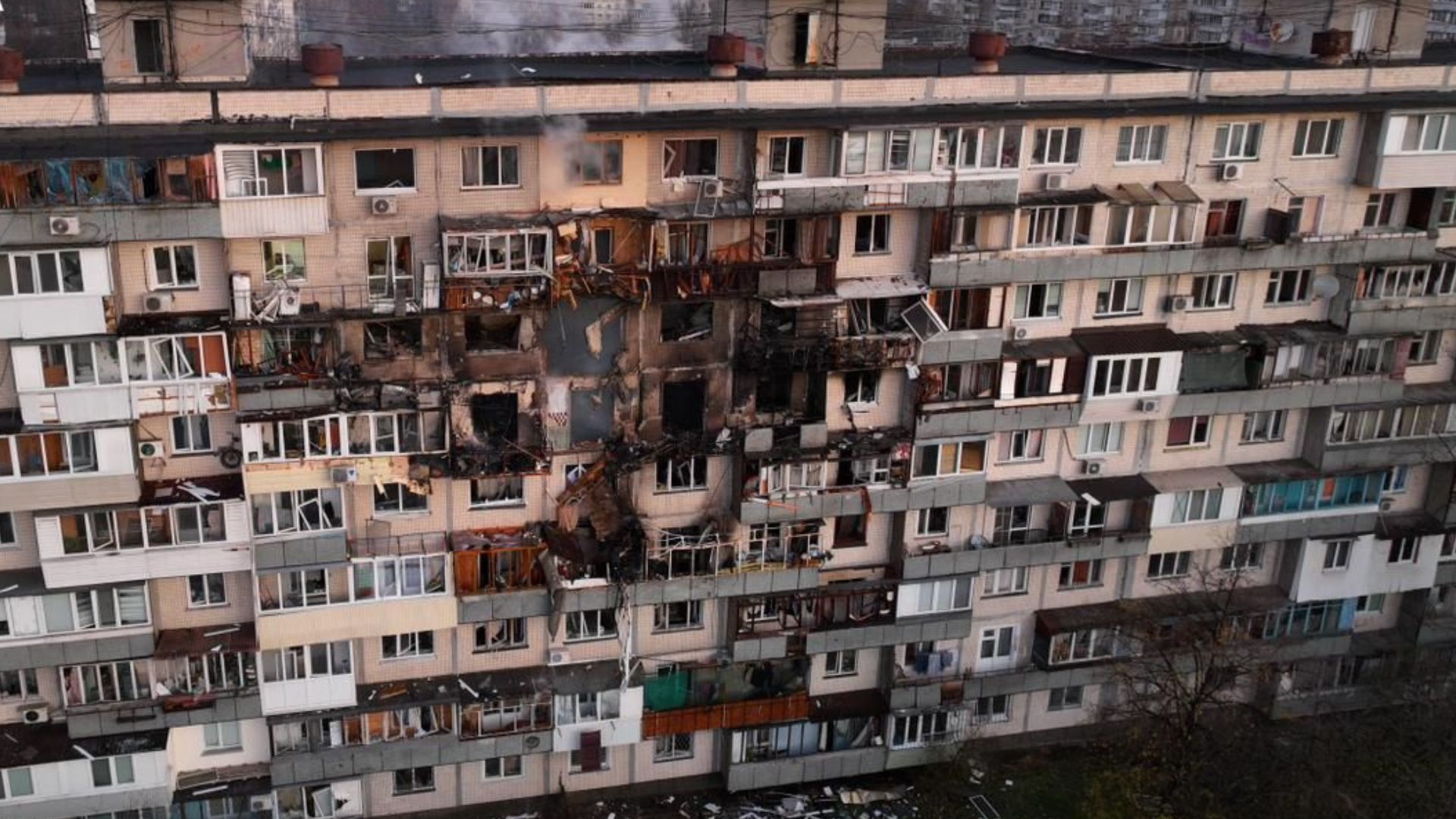
Dr Garson said that soldiers' professionalism could be undermined when conflict is cartoonified and placed within the context of popular culture.
"War is always ugly, war is unpleasant," she added. "There's no professional soldier that is celebrating the death of anybody.... They have to do it."
It chimes with the inclinations of former chief of Joint Special Operations Command General Stanley McChrystal, who told the New York Times that he was disappointed with the current atmosphere perpetuated by the top-level officials.
"There's another reality that, particularly in today's military, the number of people who really need to have big biceps and be able to kick open the door is minuscule, because most of the force is intelligence, communications, logistics – all the enablers that allow you to, with great accuracy, put in that very small number of operators," Gen McChrystal told the US publication.
"So, when you say, "All people should look like me" – that would be a disaster."
Dr Garson also told BFBS Forces News that the Department of War invested heavily after 9/11 in developing games like Call of Duty and Battlefield as part of a strategy to promote military enlistment – part of a broader sphere known as the military-entertainment complex.
However, to then see footage from these games used to depict a real-life war is jarring.
"I think what is challenging [is that] sharing that this kind of footage in this way, de-professionalises [personnel]," she said.
Ukraine's 'Game of Drones'
Gamified tactics have crept into other conflicts in recent years. In Ukraine, the Brave1 Marketplace, created by Kyiv's state-funded defence innovation programme, allows the military to log on to a website to order kit directly from the Ukrainian manufacturers to where they are needed most.
"It's like Amazon for the military," a Ukrainian soldier told BFBS Forces News' Sofie Cacoyannis.
Teams compete under the "Army of Drones Bonus System": the more points you get, the more kit you can buy.
Dr Garson said: "On one level, it acts as a record that you need.
"On another level... even within Ukraine, [it was] said by some of the generals – we want our people to come back human, we don't want them to come back seasoned killers."
The blurring of the line between fact and fiction
The ultimate effect of this tactic is that conflict becomes increasingly unreal to the observers of war, while being very real for its combatants and civilians.
"These are games about war, but there was a sort of, I hesitate to use the term, innocence about it," Dr Garson said.
"You were able to draw that line between fiction and reality much more clearly.
"And now they're being enlisted as part of a service and as part of this culture that uses this terminology."
When real-life combat footage is interspersed with gameplay, those lines become increasingly blurred – soon, they may become indistinguishable entirely.
Join Our Newsletter