RAF's first 'eyes in the sky' aircraft lands as UK rebuilds airborne warning fleet
The UK's first Wedgetail airborne early warning aircraft has arrived at RAF Lossiemouth, marking a major step towards restoring a capability the UK has been without since the retirement of the E-3D Sentry.
The aircraft, known as WT001, flew from STS Aviation Services at Birmingham Airport to its future operating base in Moray.
It will now continue its test and evaluation phase at RAF Lossiemouth and MOD Boscombe Down before being formally handed over to the RAF from Boeing.
- Maritime mathematics: What it would take to keep an RAF sub-hunting Poseidon on station
- RAF Lossiemouth's role in Nato air defence could make it a target for Russian nukes
- Armoured warriors: Specialised airborne unit remembered 50 years after disbanding
Once in service, the Wedgetail AEW Mk1 will be operated by 8 Squadron, the unit that previously flew the E-3D Sentry from RAF Waddington.
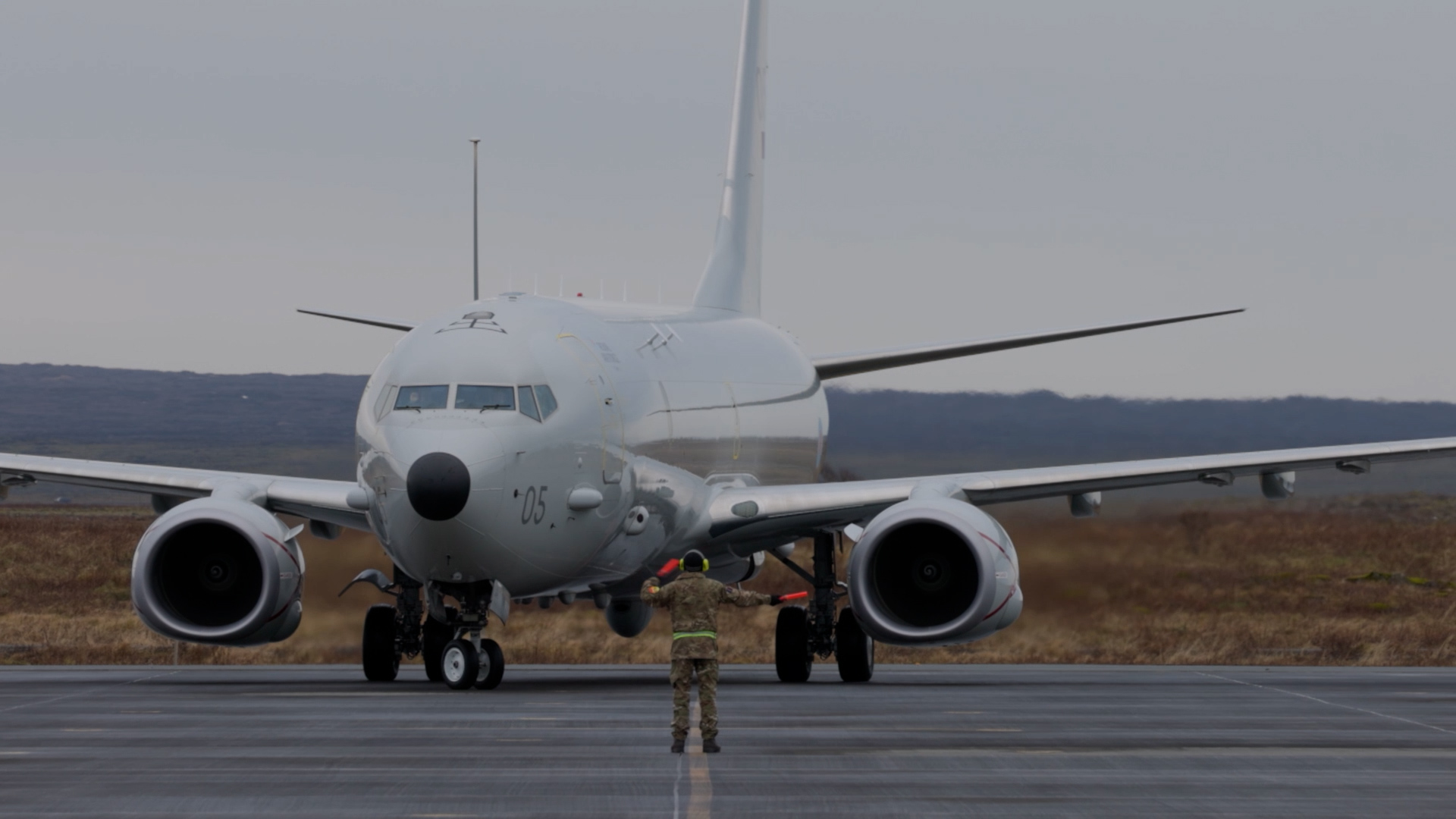
The Wedgetail is a Boeing 737-based aircraft fitted with a large radar system on top of the fuselage, allowing crews to detect and track aircraft and maritime targets over long distances.
It acts as a flying command post, building the air picture and passing information to fighter jets, warships, tankers, surveillance aircraft and commanders on the ground.
The aircraft will be based alongside the RAF's nine Poseidon maritime patrol aircraft at Lossiemouth.
Wedgetail and Poseidon both come from Boeing's 737 passenger jet family, and have been modified for very different military roles.
RAF Lossiemouth is one of the RAF's key northern stations, home to Typhoon fighter squadrons and the Poseidon fleet.
The arrival of Wedgetail adds airborne early warning and control to a base that's central to UK air defence and maritime patrol operations.
The UK retired its E-3D Sentry fleet in 2021, leaving a gap in land-based fixed-wing airborne early warning and control.
That gap has drawn criticism, with a House of Commons Defence Committee warning in 2023 that the retirement of Sentry had left the UK without the capability, while the Wedgetail programme faced delays.
The committee was also critical of the decision to reduce the fleet from five aircraft to three, saying the cut delivered a large reduction in capability for a much smaller saving in cost.
Group Captain Sarah Brewin, Station Commander at RAF Lossiemouth, said: "We are delighted to welcome the arrival of the first Wedgetail aircraft to RAF Lossiemouth to continue its Test and Evaluation phase."
She said the arrival marked "a significant step" in delivering the RAF's next generation of airborne surveillance and control capabilities.
Australia, South Korea and Turkey also operate the platform, while the United States has selected the E-7 to replace part of its ageing E-3 fleet.
A new Operational Conversion Unit, 42 Squadron, has also re-formed at Lossiemouth to train aircrew and engineers for both Poseidon and Wedgetail.
The Strategic Defence Review recommended that further E-7 Wedgetails should be bought when funding allows, potentially through a cost-sharing arrangement with Nato allies.
Join Our Newsletter