Find out how the Armed Forces could rescue aircrew shot down behind enemy lines
The US mission to rescue the downed F-15 pilot in Iran involved a massive, complex operation – almost a mini-war to get one man out.
If you imagine it like a Hollywood movie, that is how the Americans did it.
But what would happen if it were a British aircrew shot down over hostile territory? What Combat Search and Rescue – CSAR – capabilities do the UK Armed Forces have?
42 Commando Royal Marines
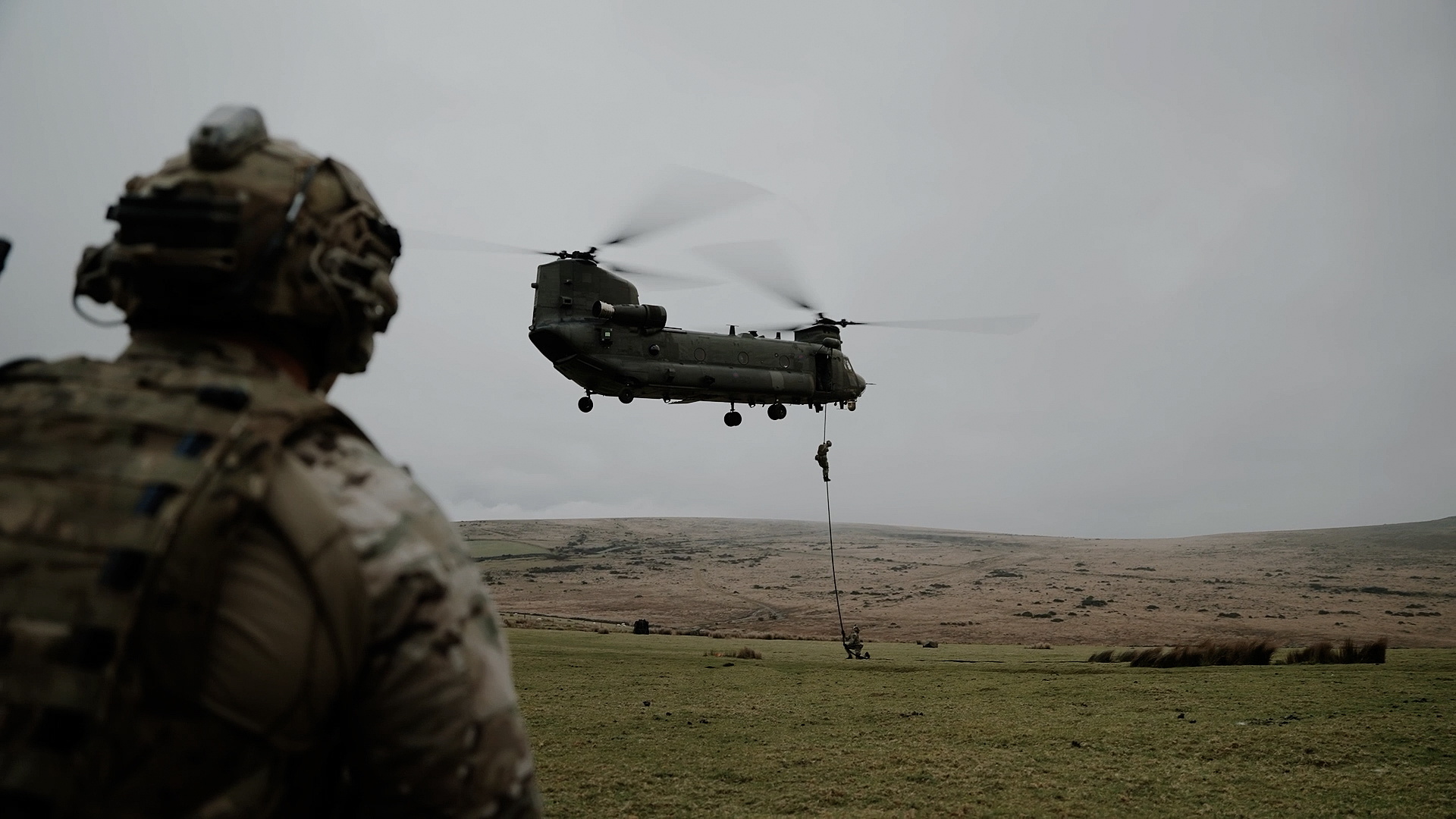
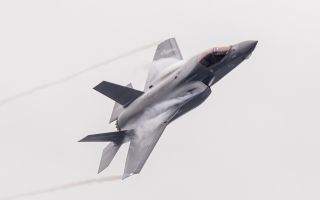
When the UK's two aircraft carriers, HMS Prince of Wales and HMS Queen Elizabeth, entered service, the Royal Navy needed to have a trained force on standby in case any of the F-35s on those ships went down.
Lima Company, around 80 to 100 Commandos, initially took on this Joint Personnel Recovery role, before it was later rotated to Mike Company.
These are some of the most highly trained forces the UK military has, and they train alongside the US Marines to conduct these extractions deep behind enemy lines.
They have also trained with US forces at Quantico in Virginia.
Their role includes rescuing trapped British citizens or troops that have been cut off from their unit.
Their other job – just like the American forces in Iran – would be to destroy airframes, like an F-35, that came down in enemy territory to stop that technology from falling into the wrong hands.
What aircraft would the UK use to extract personnel?
These marines are trained to find a stranded pilot and then bring them back, usually with a Merlin helicopter, and extract them.
The UK does have jets in the region flying missions from Cyprus and Gulf states like Qatar, but unlike the US military, the Royal Air Force is not flying over Iran.
However, this scenario is not something the UK military and its pilots won't have trained for.
ISIS and John Peters
The RAF has flown aircraft over both Iraq and Afghanistan, and for the past decade Britain has been flying missions over Iraq and Syria against Islamic State as part of Operation Shader.
I was at RAF Akrotiri, the UK's largest overseas airbase, in early 2015 when ISIS captured and executed a 26-year-old Jordanian F-16 pilot.
At the time, British pilots were flying daily missions in ageing Tornado jets, and that horrific episode sent shockwaves through the whole coalition.
Even further back, during the Gulf War, there were images of Tornado pilot John Peters and navigator John Nichol after they were shot down and badly mistreated.
Royal Marines and UK Special Forces
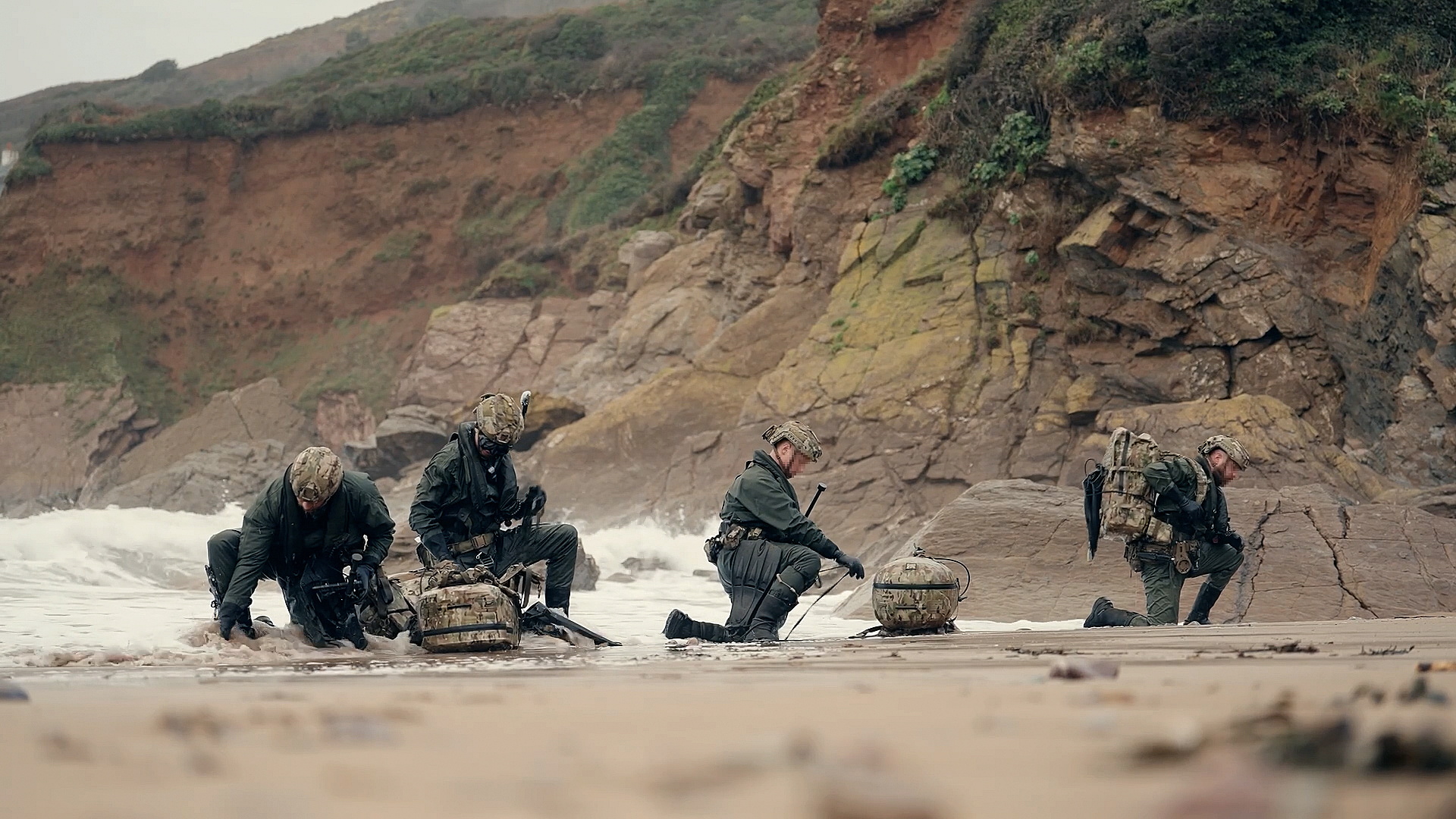
British pilots undergo similar Survival, Evasion, Resistance and Escape (SERE) training to their US counterparts, and the UK has a dedicated centre for this at RAF St Mawgan in Cornwall.
Now, the British military does not have a dedicated Pararescue Jumpers unit, or PJs ,as the US has, or the sheer resources to mount a rescue mission of this size and complexity; for that, London would need American air power.
But Royal Marines and UK Special Forces are some of the best operators in the world, and in the case of Op Shader, British SF operatives were forward-deployed into Syria.
So, if this scenario did involve a British fighter jet pilot, you could expect to see a hybrid mission – the American hammer supplemented by a British scalpel.
Join Our Newsletter