RAF Regiment shoots down 14 attack drones in single night over air base in Middle East
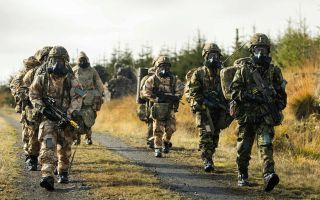
British air defence specialists have shot down 14 Iranian kamikaze drones in just one night, defence officials have revealed.
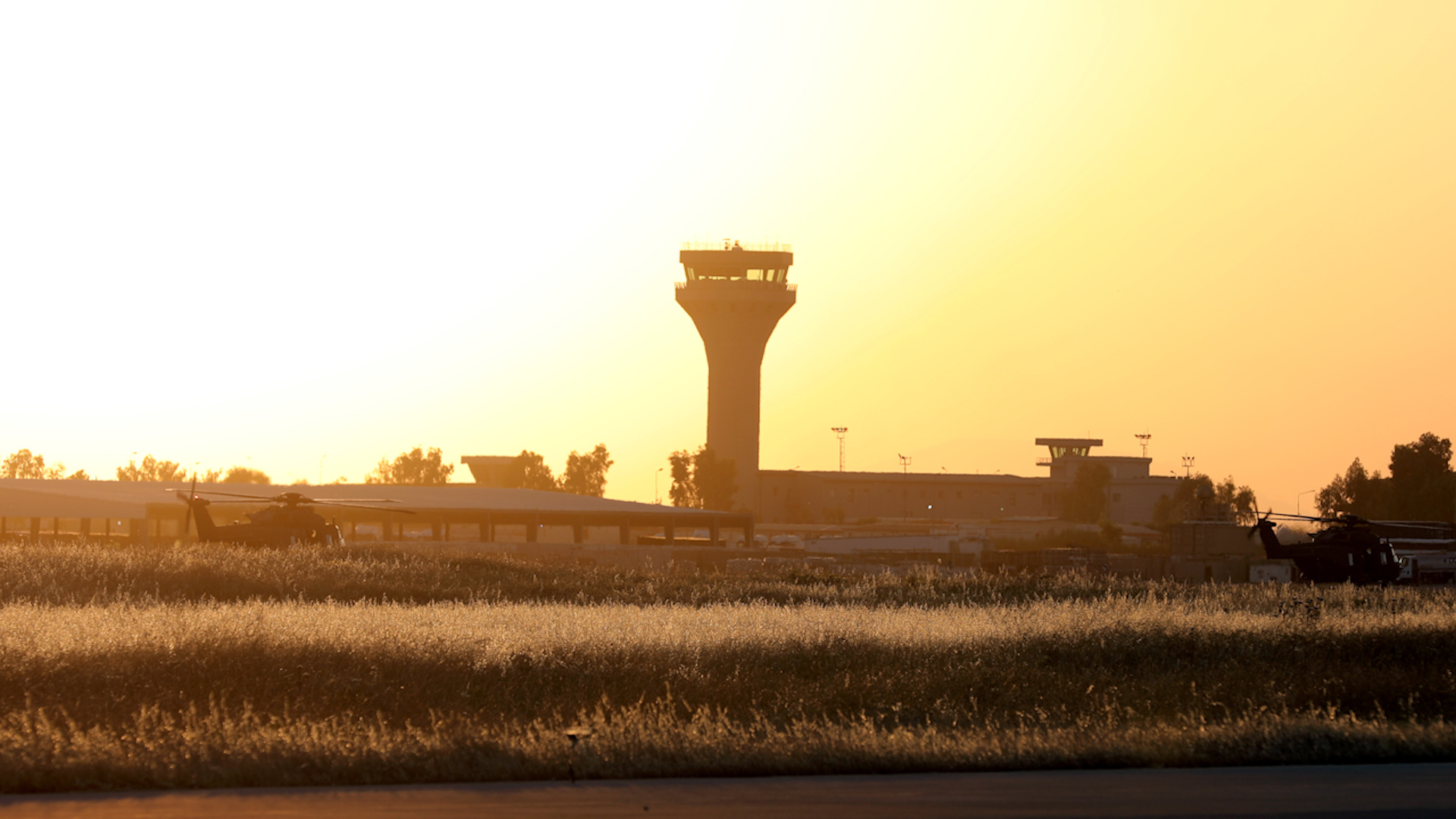
The personnel, members of the RAF Regiment, were deployed to a large US-controlled base at Erbil in Northern Iraq, which has also housed British forces for several years.
Largely members of 2 Force Protection Wing, they operate the Rapid Sentry ground-based missile system and have been active every night since the US and Israel launched operations against Iran.
Detect, disrupt, defeat
Rapid Sentry can detect and track enemy drones using a laser targeting system, before shooting them down using Lightweight Multirole Missiles (LMM).
The missiles, which the Royal Navy calls the Martlet, have a range of five miles and travel at Mach 1.5.
It is thought RAF gunners have now downed more than 50 Iranian drones since the conflict began - ten times the number taken down by RAF Typhoons and F-35B jets based in the region.
The base at Erbil itself was hit by two Iranian drones at the start of the conflict. In a briefing for reporters, defence officials said the US was holding its operational plans "very tightly".
US President Donald Trump has sent the 31st Marine Expeditionary Unit, a rapid reaction force of around 2,200 Marines, to the Middle East, along with amphibious assault ships.
But defence officials said the UK had not been asked to put any boots on the ground in Iran.
Elsewhere, officials said Iran had laid a number of mines in the Strait of Hormuz, but a safe route through did still exist as Tehran was allowing a small number of vessels from Pakistan, Turkey, India, and China to pass through.
Recently, President Trump said Nato members should play a part in ensuring the Strait remains open, as it was to their economic benefit.
Iran has threatened to attack any ship that tries to pass through the vital channel without its permission.
Much of the world's energy supply depends on tankers being able to use the Strait, which is the only maritime route for Gulf countries, including Qatar, Kuwait, and Bahrain.
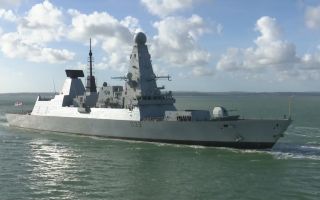
Officials said the Royal Navy is preparing both manned and autonomous mine countermeasures (MCM) systems and is evaluating what ships could serve as a mothership for any future MCM mission to the Gulf.
"Ultimately, what we've got to do here is provide sufficient confidence and assurance to the merchant shipping industry that it's safe for their ships to transit through that region," said officials.
"If navies across the world aren't prepared to put their ships into the Persian Gulf, they [merchant shipping] aren't going to be prepared to put their merchant ships through the Gulf either.
"Some form of physical presence, across the multinational coalition, with navy crews on board, is going to be part of the solution."
Officials said the UK and France are exploring the possibility of convening a Strait of Hormuz security conference in the future.
"But there needs to be a reduction in the rate and scale of combat operations in the region before we could imagine being able to secure the Strait and get the confidence of merchant shipping," they explained.
They added that right now, those conditions are not set.
Join Our Newsletter