Rapid Sentry: The RAF Regiment's missile system that's used to shoot down drones

While Royal Navy Wildcats armed with Martlet missiles are patrolling the skies over Cyprus, the RAF has its own counter-drone missile system – Rapid Sentry.
Gunners from the RAF Regiment, the unit tasked with protecting bases, aircraft and personnel, use a variety of kit to detect, disrupt and defeat hostile uncrewed aircraft.
And if the last option is the one that's required, that's where Rapid Sentry comes in.
Detect
But before a hostile uncrewed aerial vehicle is shot down, other factors need to be taken into consideration – the first being detection.
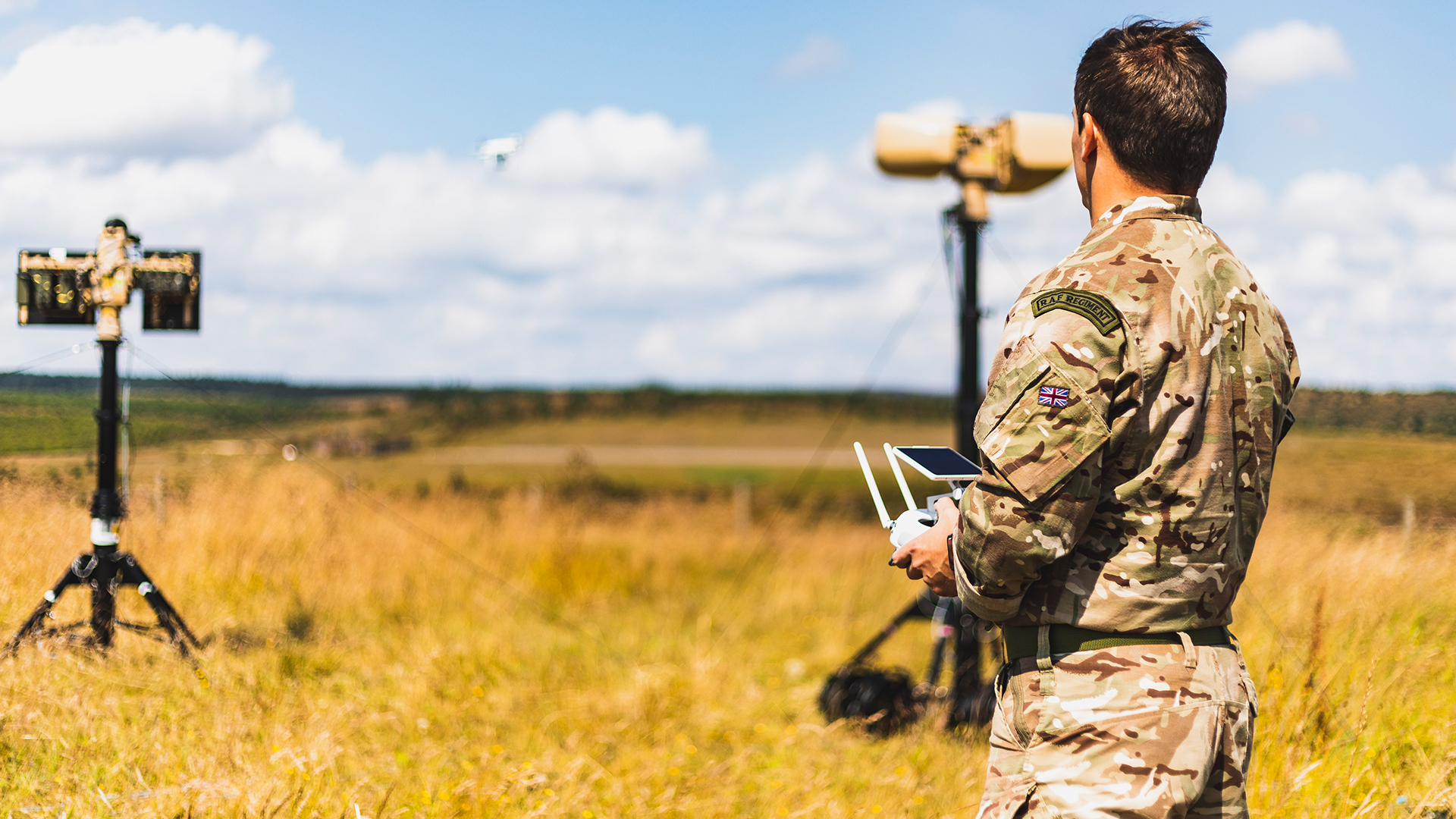
Systems such as Orcus, the RAF's integrated counter‑uncrewed aerial system, enable operators to detect, track, identify and defeat drones operating near protected locations.
By identifying potential threats early, RAF Regiment teams can decide on the most appropriate response to a hostile drone.
Disrupt
Electronic warfare plays a vital role in counter‑drone defence. RAF Regiment gunners use systems such as Ninja to interfere with or even take control of the communications links that control many types of UAS.
By disrupting or overriding these signals, operators can prevent these drones from completing their mission.
And in some cases, they may even be able to redirect a drone or force it to land safely, allowing it to be recovered for testing.
According to the RAF, this approach can neutralise drone threats without having to physically destroy them, while also gathering intelligence about how the drone was operated and where it might have come from.
Defeat
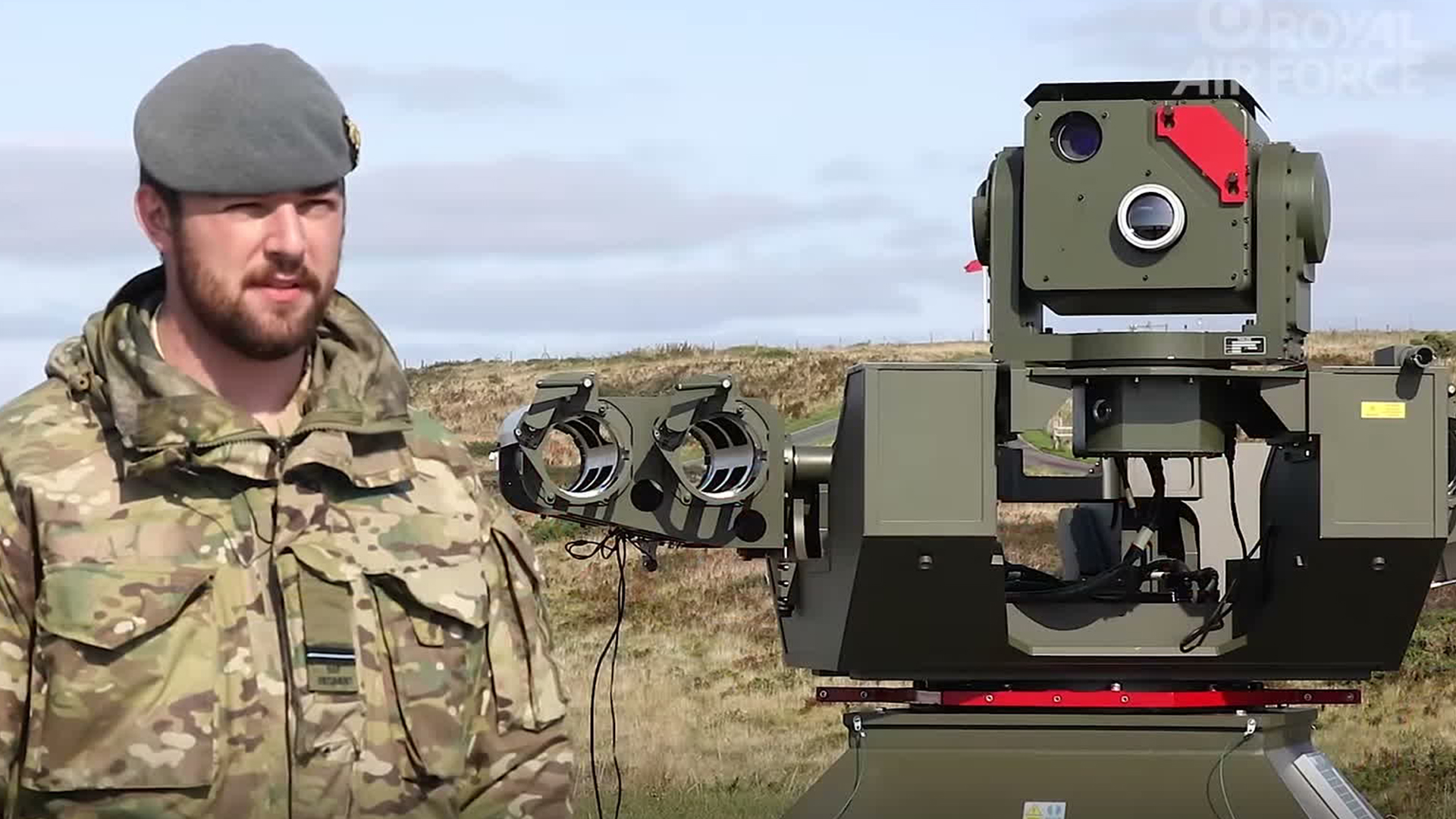
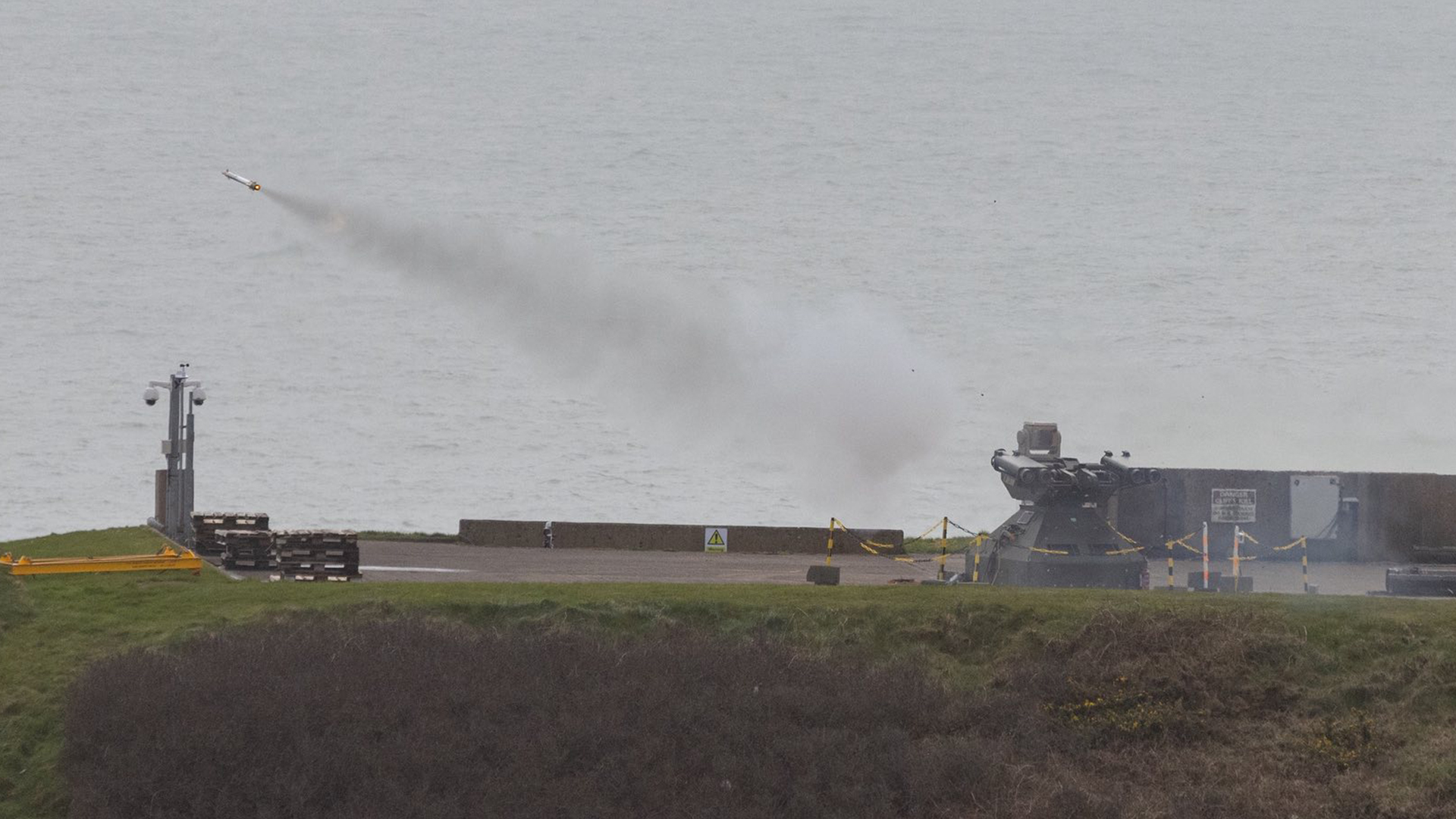
If electronic countermeasures fail to work, the incoming drone may need to be destroyed, and this is where the Rapid Sentry system comes into play.
The system is comprised of a radar unit that works in tandem with a launcher that fires the Lightweight Multirole Missile – the same weapon that Navy Wildcats are armed with, although in naval use they are called the Martlet.
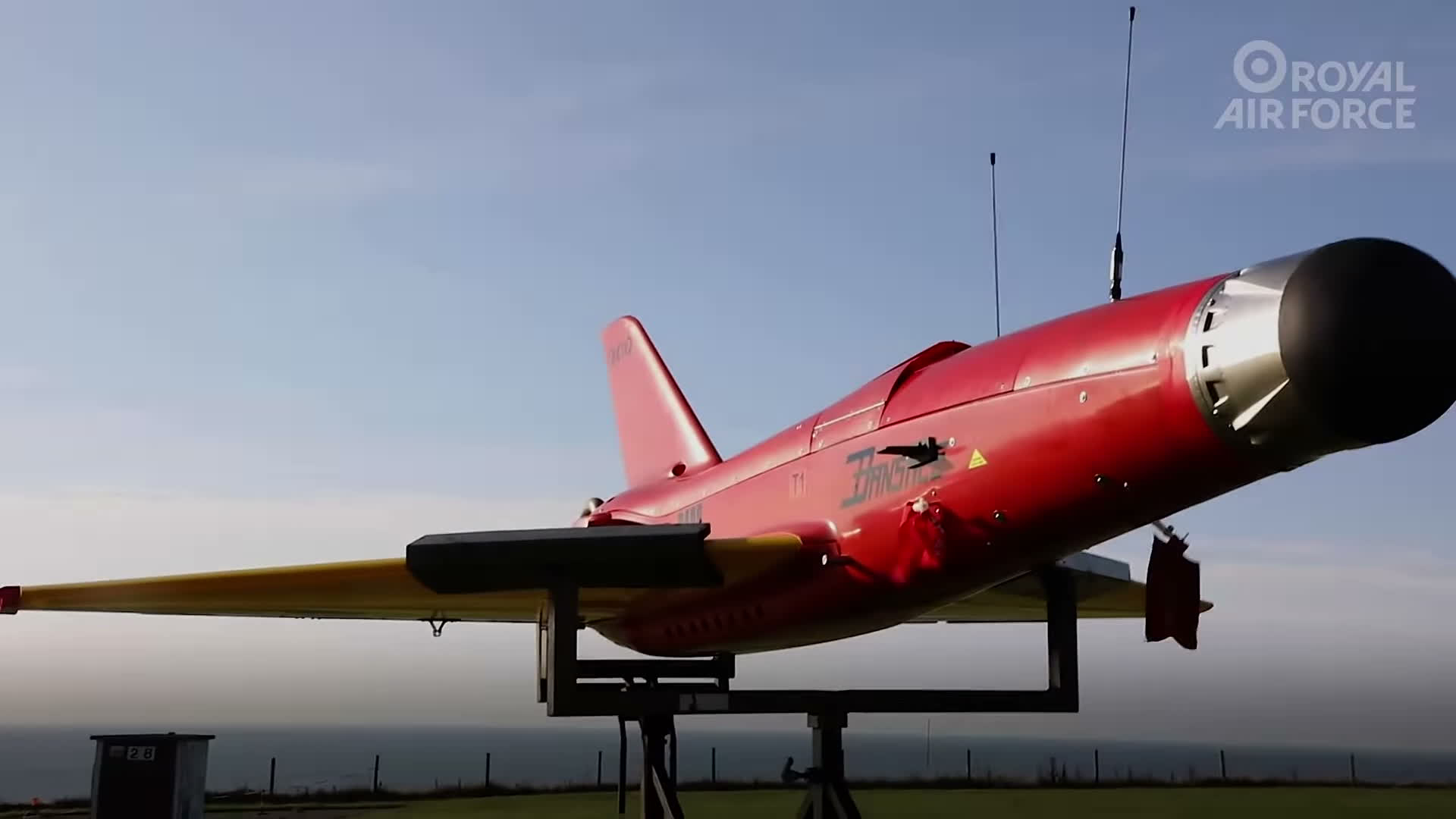
A video recently posted by the RAF showed Rapid Sentry in use by 34 Squadron at Air Defence Range Manorbier in Pembrokeshire, where it was pitted against Banshee drones.
Air Commodore Paul Hamilton, the Commandant General RAF Regiment, said: "Our layered system means we always have options: detect, disrupt, or defeat. Rapid Sentry gives us a credible kinetic safeguard when a drone cannot be defeated electronically."
In action in the Middle East
The RAF Regiment said its personnel were playing a vital role in counter-drone defence operations across the Middle East.
It posted on Facebook: "Specialists are actively detecting, tracking and neutralising airborne threats, working closely with coalition partners to ensure the safety of personnel and the continuity of operations.
"Through precision, professionalism and coordination, they remain committed to protecting people and critical infrastructure in a complex and evolving environment."

Join Our Newsletter