New burial law proposals will 'level the playing field' and protect war graves

News that war graves will be protected under new proposals to allow graves more than a century old to be reused in cemeteries across England and Wales has been 'warmly welcomed' by the Commonwealth War Graves Commission (CWGC).
The Law Commission's recommendations suggest modernising Victorian-era legislation to address a shortage of burial space and protect grieving families.
While the Commonwealth War Graves Commission says it has never felt unable to protect war graves, this news has certainly been a breath of fresh air.
Vincent Collins, General Counsel for the Commonwealth War Graves Commission, spoke to BFBS Forces News about what this news means going forward.
He said: "Because of the complex nature of the law and the regulation and the rights that sit behind it, [protecting certain war graves] was often quite time-consuming and involved lots of engagement on our part with numerous different types of authorities in order to successfully assert our rights and protect our position.
"We're very pleased to have been consulted as heavily as we were by the Law Commission; they really did engage with us.
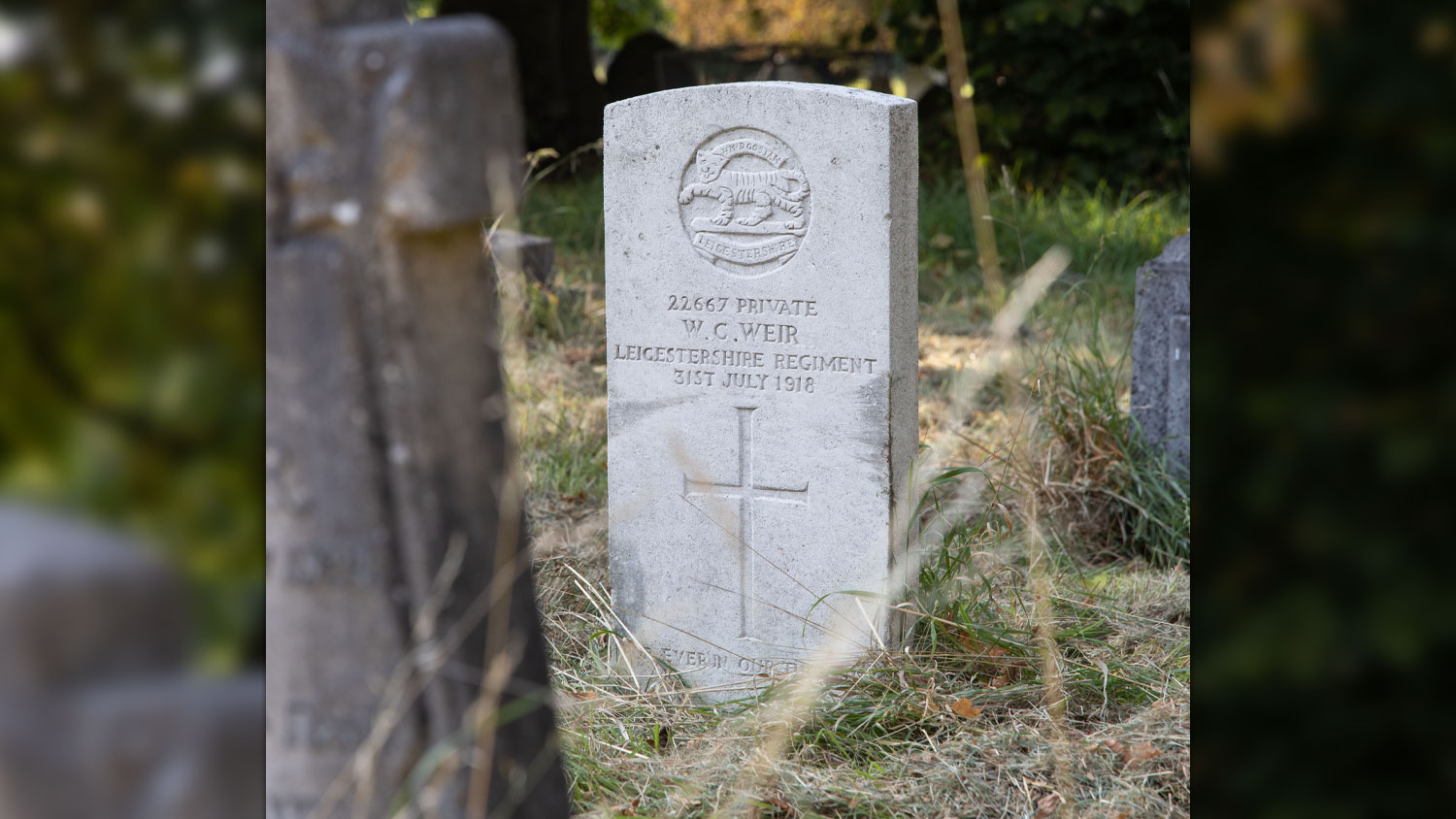
"We feel this is hugely beneficial for the commission. It enables us to continue the work that we've been doing for more than 100 years now in protecting the war graves of those that fell in the First World War and the Second World War."
The proposed reforms will also, for the first time, protect – through a right of objection – post-Second World War military graves for which the Ministry of Defence is responsible.
While it is reported that concerns had been raised about the graves of soldiers who died in the First and Second World Wars being disturbed as part of the proposed legal overhaul, the CWGC has been involved in the conversation with the Law Commission since 2023.

Mr Collins says the process was collaborative and cooperative, and the Law Commission recognised the CWGC's historical status and how vital it was to get the proposal right so that some issues the CWGC faces can be avoided in the future.
Ultimately, the Law Commission said: "The CWGC tells us that it will always object.
"As a consequence, our recommended reforms to the law would result in no Commonwealth war grave ever being reused."
Assuming these proposed reforms are put into law, the CWGC will now always be in the loop if private burial grounds want to redevelop the area.
However, Mr Collins is keen to assert that there have always been many ways by which this has been avoided in the past.
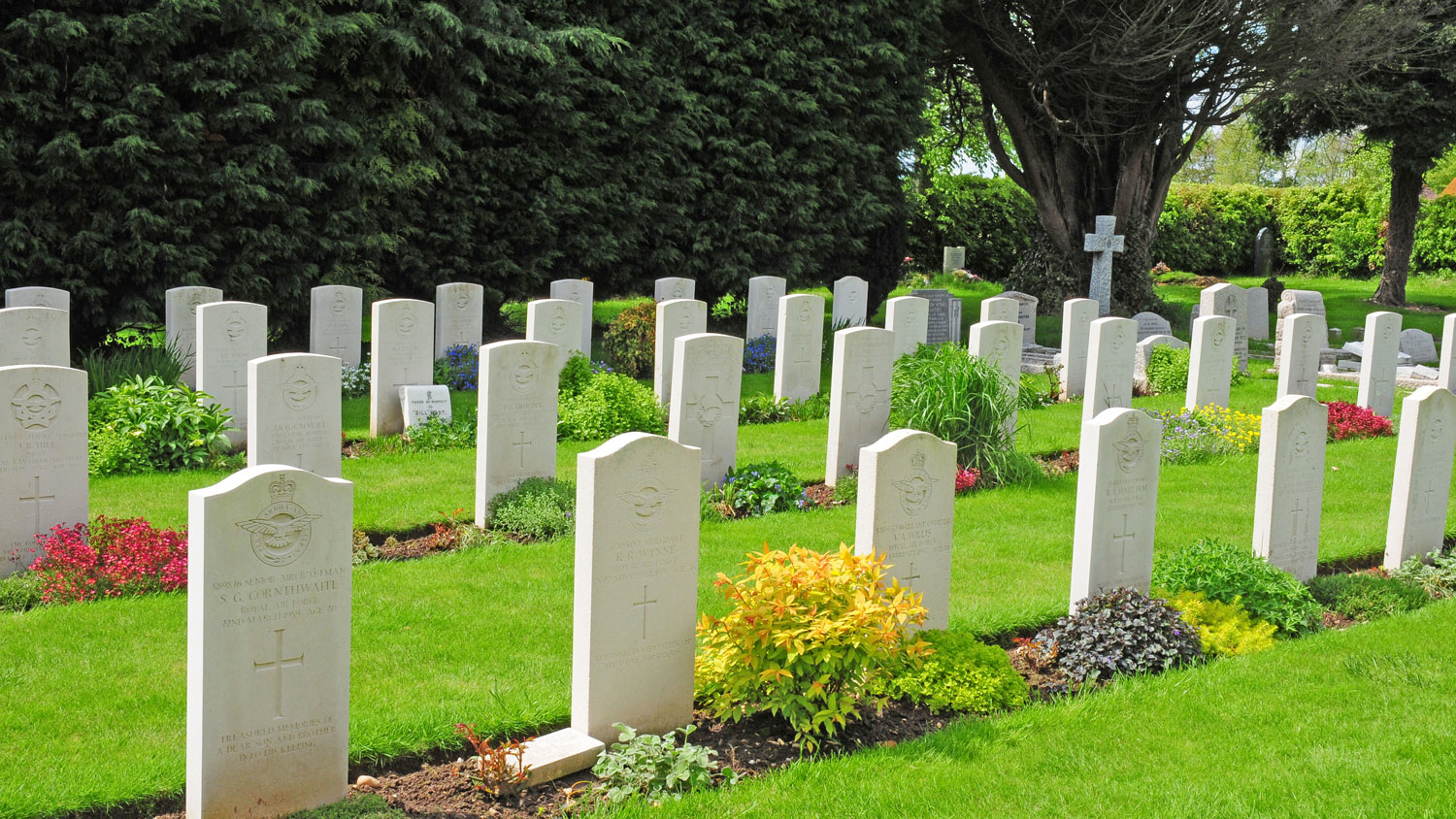
Not only are CWGC's concerns always met by burial ground operators with "open arms and open ears", they understand how important it is to keep war graves untouched.
In addition, the CWGC has teams of people who are its "eyes on the ground".
A team of dedicated volunteers who often visit war graves to clean them provides a network of protection that exists before they even need to assert legal rights.
The CWGC's 'Eyes On, Hands On' project trains volunteers to conduct inspections on First and Second World War graves in their local cemeteries.
Their name liveth for evermore
One of those who gives up his time to look after war graves is Nick Steele, a former BFBS Radio presenter who now lives in Catterick Garrison.
News that the Law Commission is determined to never reuse a war grave is music to Mr Steele's ears.
As a military child, the sacrifice of service personnel and their families is very familiar but it was his work with BFBS and the CWGC that brought home how important it is for future generations to honour those who served during the World Wars.
As more and more Second World War veterans sadly die, Mr Steele believes volunteering to keep their sacrifice and memory alive by maintaining CWGC graves is very important.
Speaking with BFBS Forces News, he revealed being inspired by the quote "no one is forgotten as long as their name is spoken".
He said: "That hit a nerve with me so every time I'm there, I probably look a bit strange, but I actually read out their names out loud.
"And then, just in that moment, they're alive again."
Mr Steele has taken his daughter to visit war graves since she was one because he is keen for future generations to understand the importance of remembrance.
He said: "For me, being able to do that small, small deed helps in [the CWGC's] mission to make sure that their sacrifice is never forgotten."
Commemorated in perpetuity
Mr Collins said the CWGC is aware of the growing pressure on cemeteries to find space for civilian burials and welcomes the Law Commission's work to help ease that.
The new proposal would mean no civilian grave could be reused until 100 years after the last burial – the rule is currently 75 years – and relatives would have a year to object to the reuse of their loved ones' grave.
However, when it comes to the war graves, the same rule simply cannot apply.
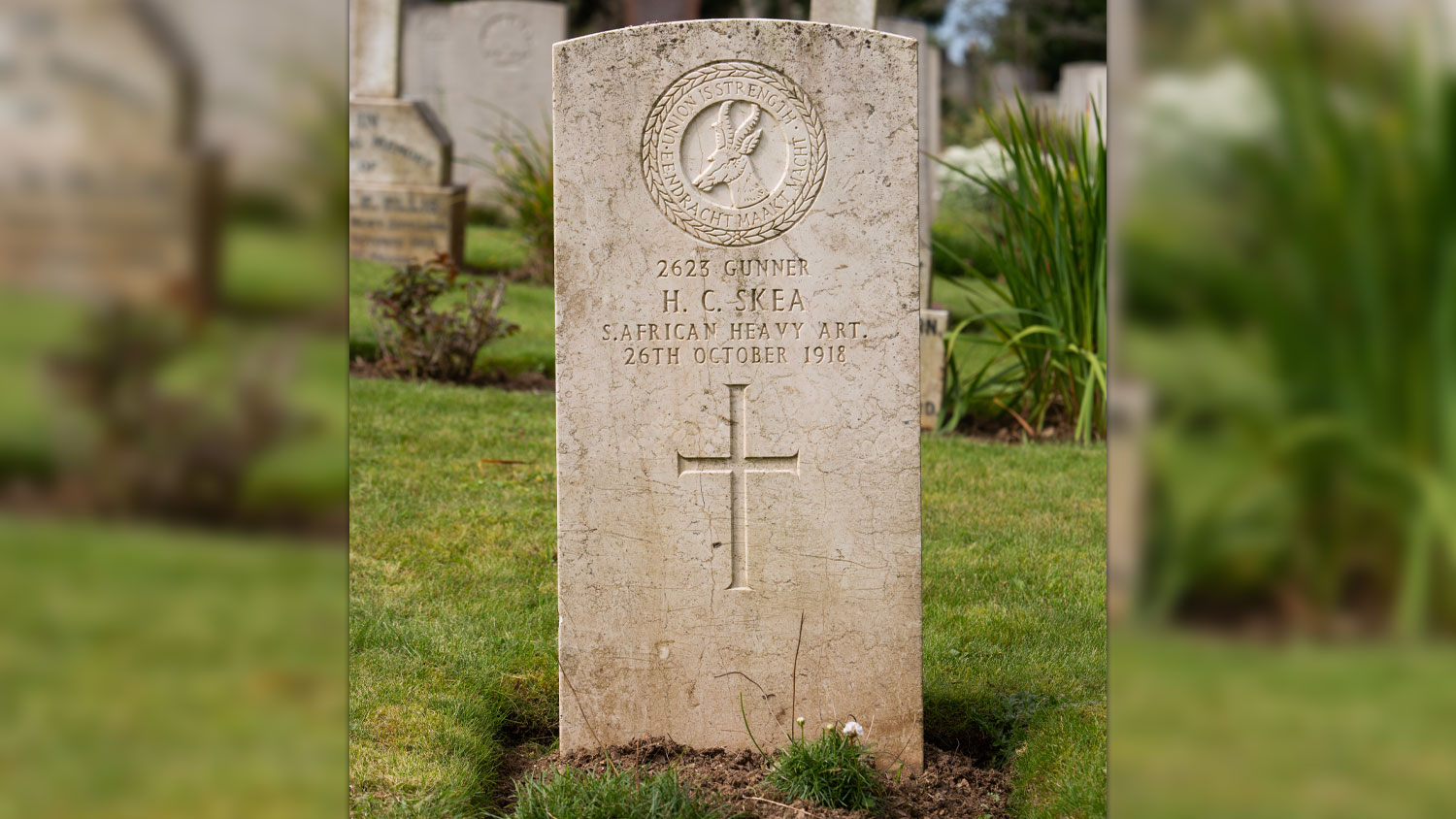
The CWGC was founded in 1917 by royal charter with an obligation to protect the war graves of First and Second World War service personnel and ensure that those who gave their life in service, regardless of rank, are commemorated forever.
He said: "We viewed that as our obligation in 1917, in 1970, in 2017 and forevermore.
"[The Law Commission are] recognising the commission's unique status and... the commission and MOD graves now occupy a unique place of protection, of special merit.
"They're effectively saying we're going to level the playing field here.
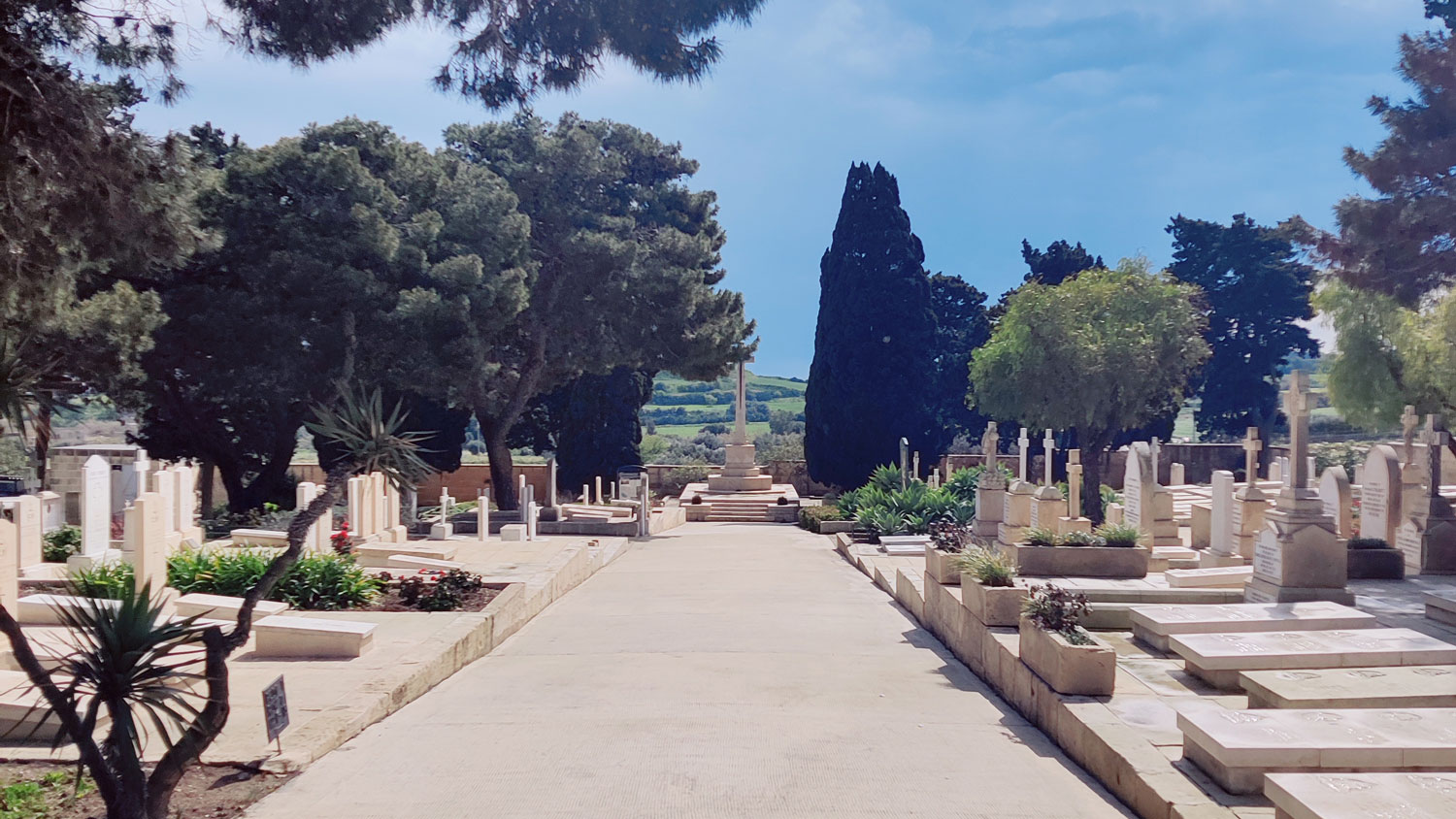
"We're going to give you the same protections across all of these graves so that [the CWGC's] job should effectively become a bit easier."
The protection of war graves is more than just a job for many people who work at the CWGC.
As a parent of children the same age as many of the 1.1 million individuals buried in war graves at 23,000 locations in more than 153 countries and territories maintained by the CWGC, Mr Collins is profoundly moved by the work undertaken to protect them.
He said: "Frankly, it feels like the least that we can do to ensure that they're remembered and their stories are remembered."
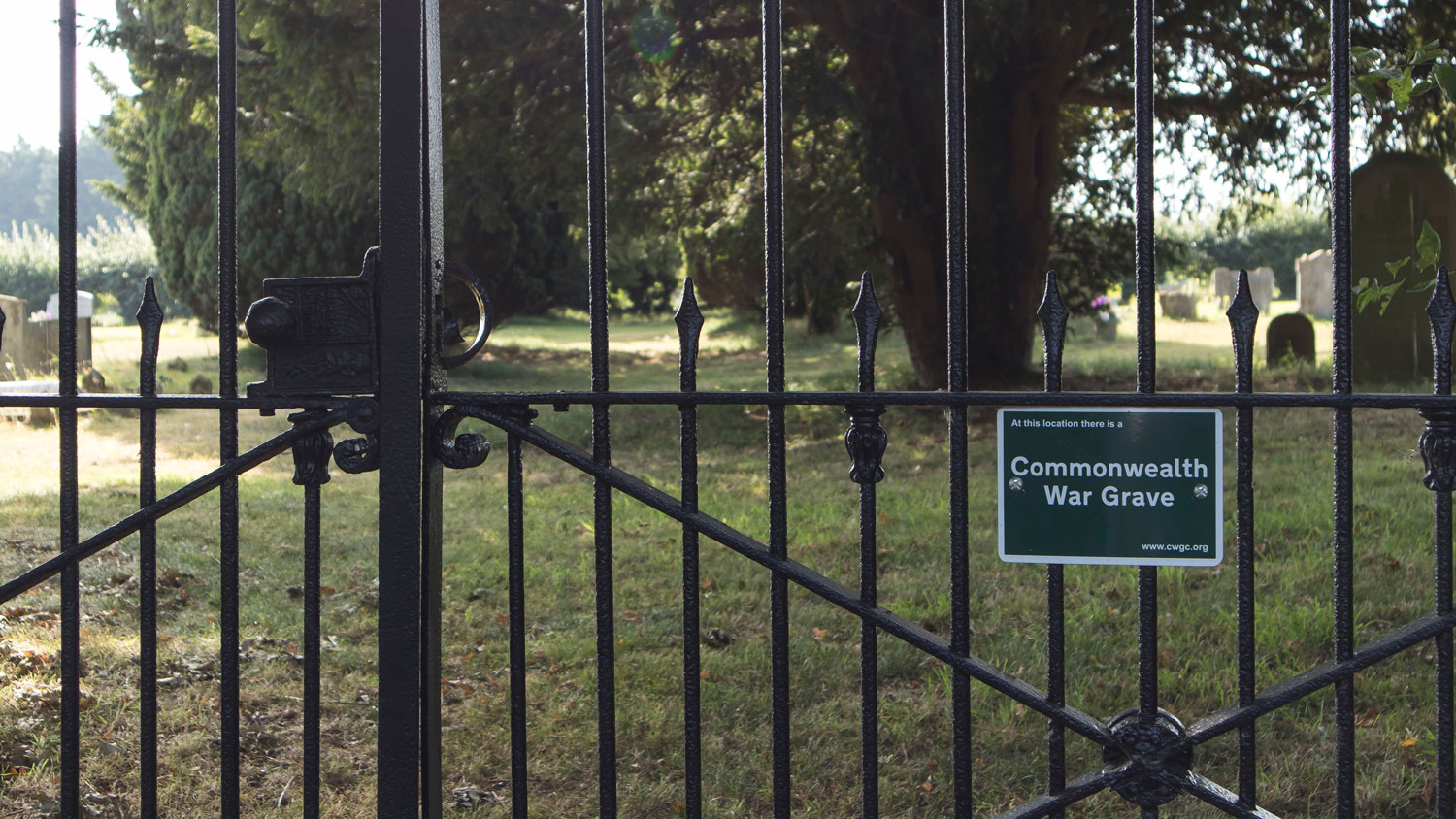
He encourages anyone interested in volunteering to get in touch with the CWGC.
"Think about [your] own family stories and how they connect into the wars and into those that we commemorate," he said.
"Find us, engage with us, and you'll find open arms here."
Join Our Newsletter