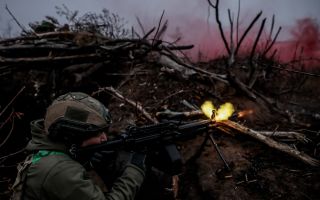
What makes an ace an ace? The origins of the most elite title in aviation

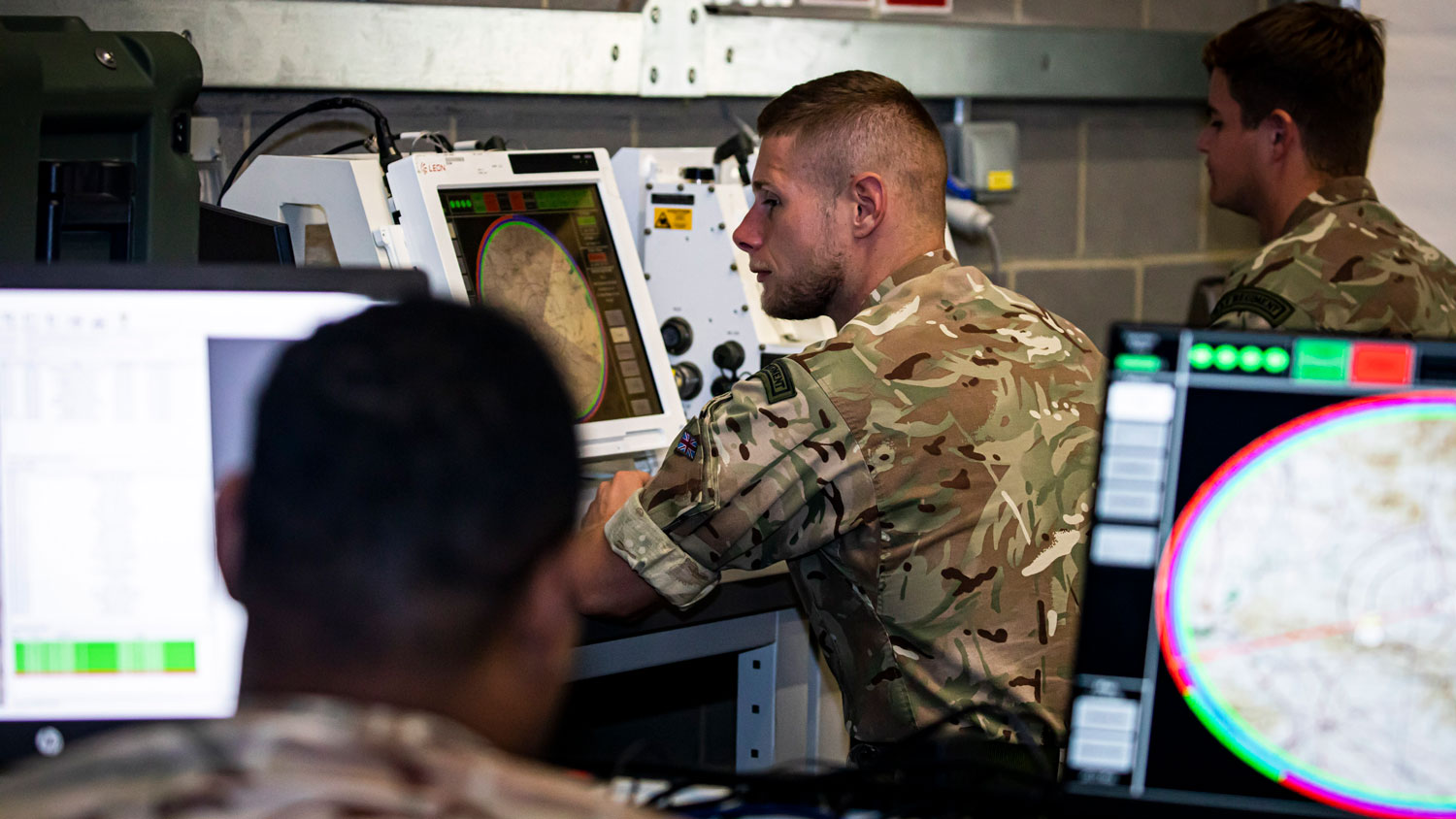
Four RAF Regiment gunners have made unit history by becoming 'aces' for the first time, having each shot five or more Iranian drones out of the sky during operations in the Middle East.
The term "ace pilot" evokes daring dogfights and sky-high heroism during the Second World War but what does it mean, where did the term come from and how does it relate to modern-day warfare?
To defeat a 21st century enemy, the new 'aces' combine early-warning sensors, electronic warfare and the state-of-the-art Rapid Sentry air defence system armed with Lightweight Multirole Missiles against uncrewed systems, hostile drones and complex swarming technologies.
An unnamed RAF Regiment gunner 'ace' said: "We are all RAF Gunners – some as young as 18, many of us with over five confirmed engagements and some just eight months out of training.
"We are proud to represent the next generation of the corps."
Origins of the term 'ace'
However, it is the 'Greatest Generation' – those who fought during the Second World War – who are most commonly associated with the term 'ace'.
It's important to note at this point that there is a common misconception about the term.
It was, in fact, first used to recognise outstanding pilots during the First World War such as Adolphe Pégoud, a French aviator who was the first to earn the title, and Captain Lanoe George Hawker, the first flying 'ace' of the Royal Flying Corps, the primary precursor to the Royal Air Force.
The term 'ace' is used to describe a pilot who shoots down and destroys at least five enemy aircraft during combat.
'Aces' from The Few
Aviation historian and former RAF pilot, the late Francis Mason, explores one of UK history's most pivotal military events in his book, Battle Over Britain.
The book details the harrowing experiences faced by 'The Few' – a term used to honour the 2,937 British and Allied airmen who bravely fought in the skies during the Battle of Britain, the world's first battle conducted entirely in the air.
The phrase 'The Few' was made popular by Prime Minister Winston Churchill when he said during a speech in August 1940, "Never in the field of human conflict was so much owed by so many to so few."
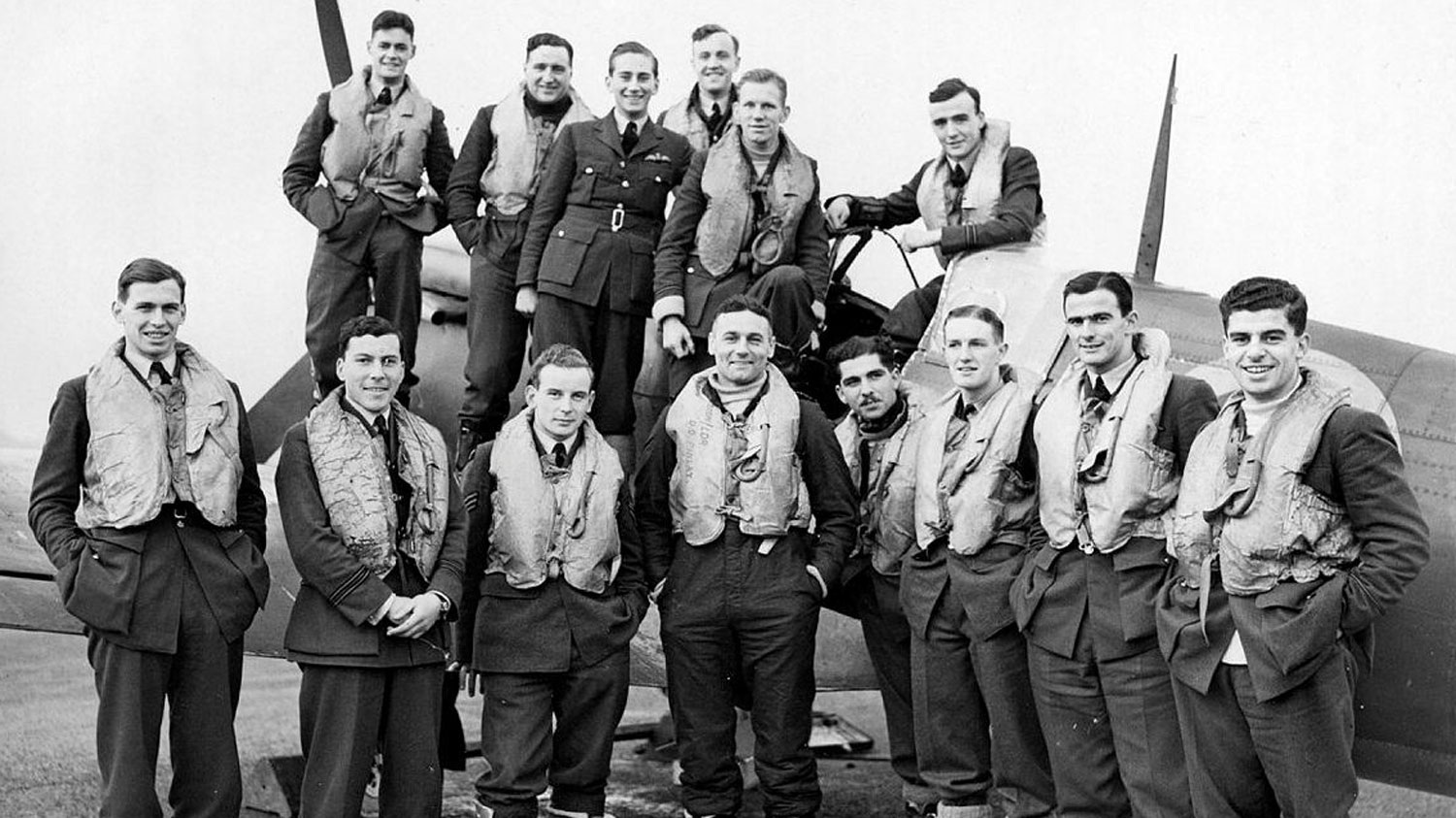
In his book, Mr Mason wrote of what faced the pilots, a small percentage of whom were considered 'aces'.
"At this moment the first British pilots were experiencing a sight which would haunt the survivors for the rest of their lives," it said.
"Breaking out of a layer of haze east of Sheppey, they found themselves on the edge of a tidal wave of aircraft, towering above them rank upon rank, more than a mile-and-a-half high and covering 800 square miles, blotting out the sky like some vast, irresistible migration."
Popularity of the term
The term 'ace' became more popular during the Second World War to help boost morale.
During the Battle of Britain, civilian men, women and children sought protection from the battle above them in a variety of places such as the London underground, churches and air-raid shelters.
News via the BBC of the previous night's battle would shift the focus away from death and destruction and instead focus on the daring feats of the 'ace' pilots with the most downed enemy aircraft.
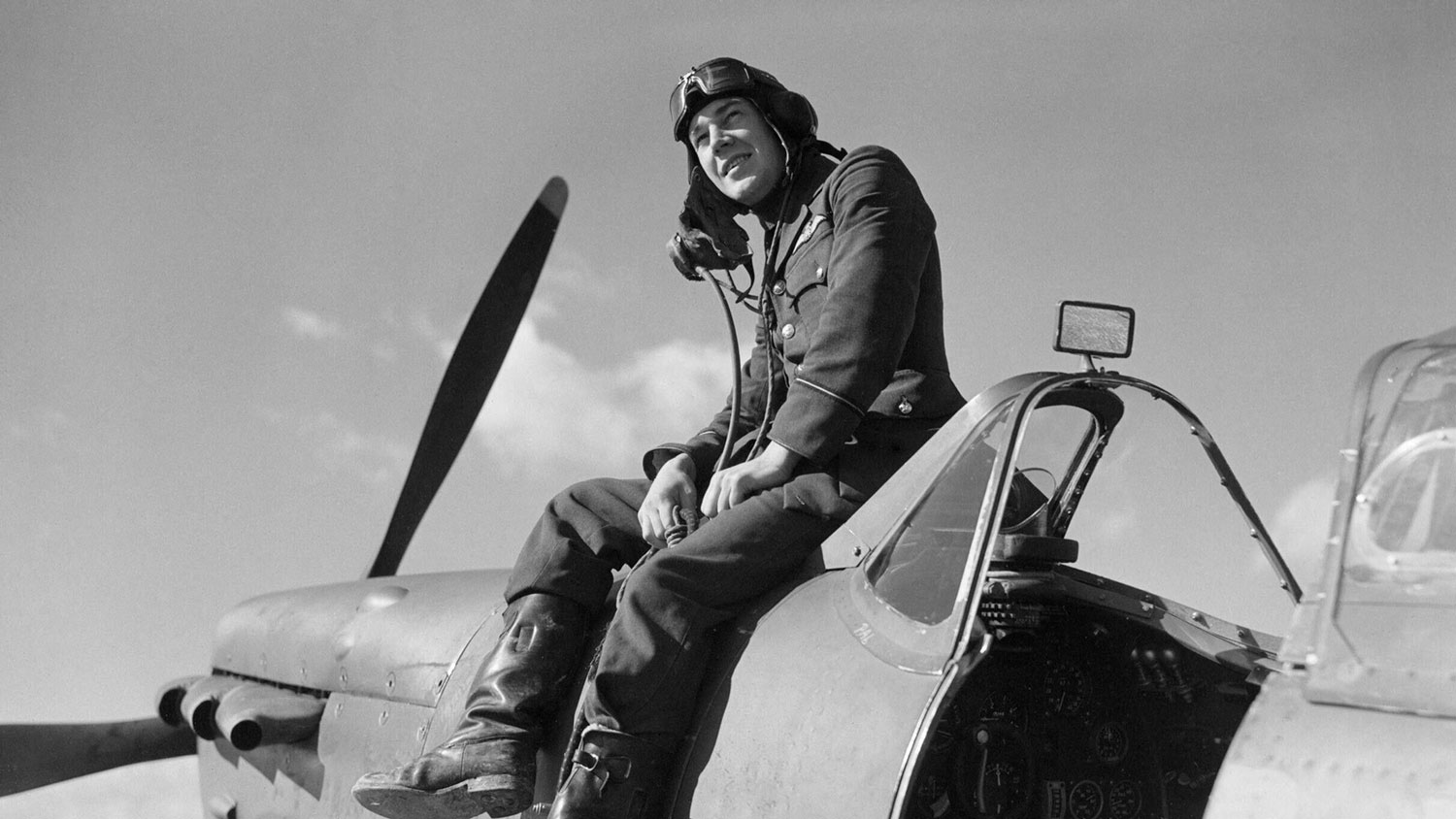
Men such as legendary double leg amputee Group Captain Sir Douglas Bader, Flying Officer Leonard Haines and Air Vice Marshal James 'Johnnie' Johnson – Britain's highest scoring fighter ace during the Second World War.
Are there any modern 'aces'?
The term 'ace' is now used far less often as jet warfare, missiles and drones make "dogfights" rare.
Some post-Second World War pilots achieved ace status, but it's uncommon.
With six confirmed MiG kills, US Air Force weapons systems officer Colonel Charles DeBellevue became the highest-scoring American flying ace of the Vietnam War.
The most successful jet 'ace' of the Korean War was Captain Joseph McConnell Jr who, on 18 May 1953, shot down his 16th MiG-15.
Meanwhile, Commander Nigel 'Sharkey' Ward, considered one of the Royal Navy's most famous aviators, isn't an 'ace' but shot down three aircraft during the Falklands conflict.
New challenges for pilots
Air-to-air combat has evolved from dog fighting as seen during the First and Second World Wars to what RAF personnel face today – detecting, tracking and engaging targets, often while coming under fire.
The RAF said: "There is nothing remote or game-like about it.
"Every engagement comes with real risk, real pressure and real consequences."
Armed Forces Minister Al Carns said: "Our teams across the Middle East are operating in some of the most demanding conditions imaginable and they are delivering with professionalism, courage and real combat skill.
"I am hugely proud of our RAF Regiment.
"Night after night, under threat, they are protecting British lives and British interests and doing so in the finest traditions of the RAF Regiment.
"Several of these heroes have achieved 'ace' status neutralising Iranian drones. The first of its kind, it isn't just impressive, it is exceptional."
And so, while the term 'ace' is rarely used today, no matter the era, the RAF still protects the skies.
Join Our Newsletter