£15k auction bid fails to secure bouncing bomb inventor's marbles from Dambusters raid
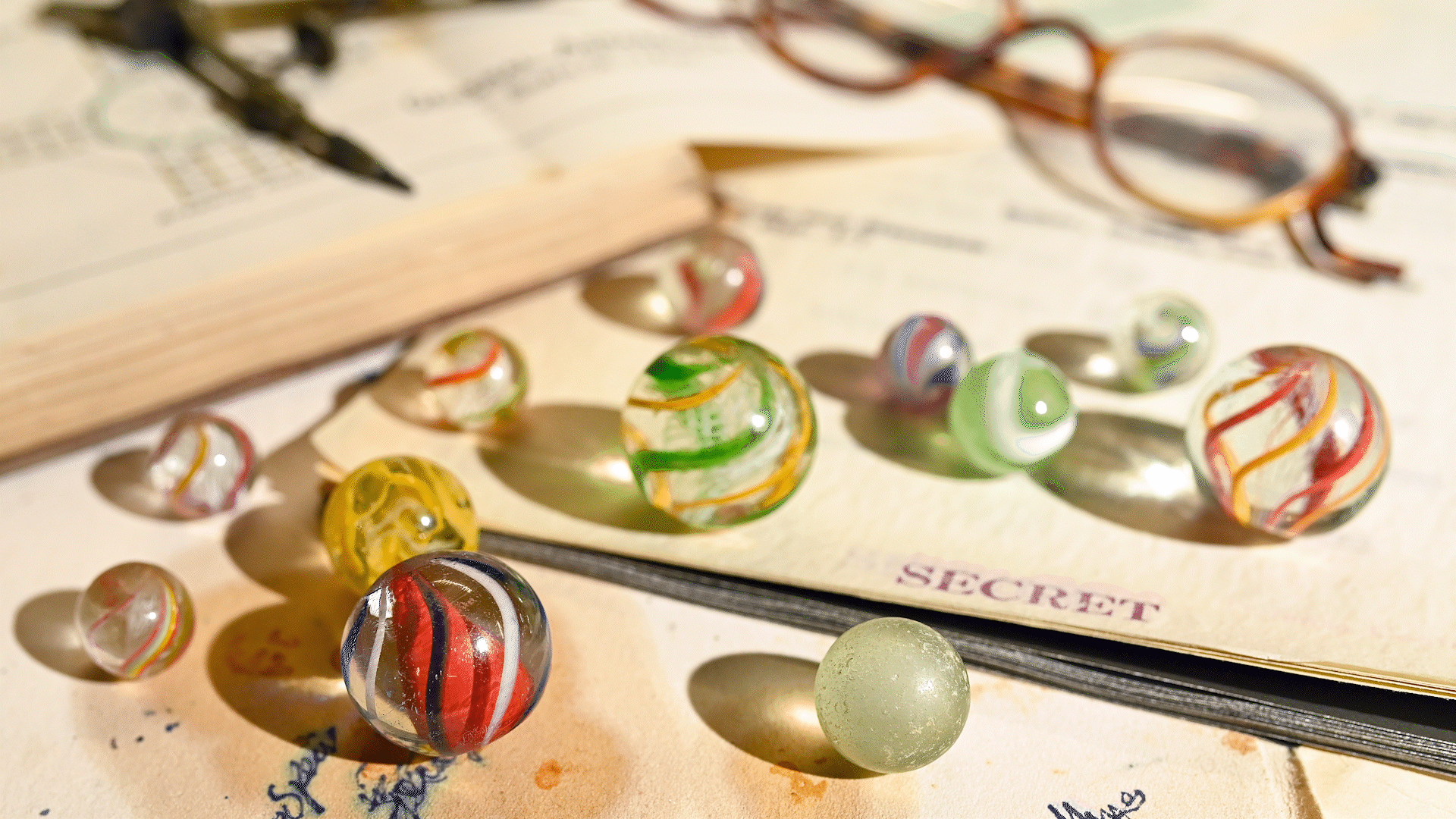
A unique collection of marbles linked to Sir Barnes Wallis, the inventor behind the bouncing bombs used in the legendary Dambusters raid, failed to sell at auction when the hammer went down at £15,000.
The marbles were the stand-out items of the collection of the inventor's belongings which went under the hammer. They belonged to his daughter and were used during his early back-garden experiments to see if he could "bounce" an object over water.
The final bid on the marbles, which Elisabeth Gaunt, 93, has displayed over the years and which have until now remained in her possession, was £15,000 but after the hammer went down it was revealed they didn't meet their reserve.
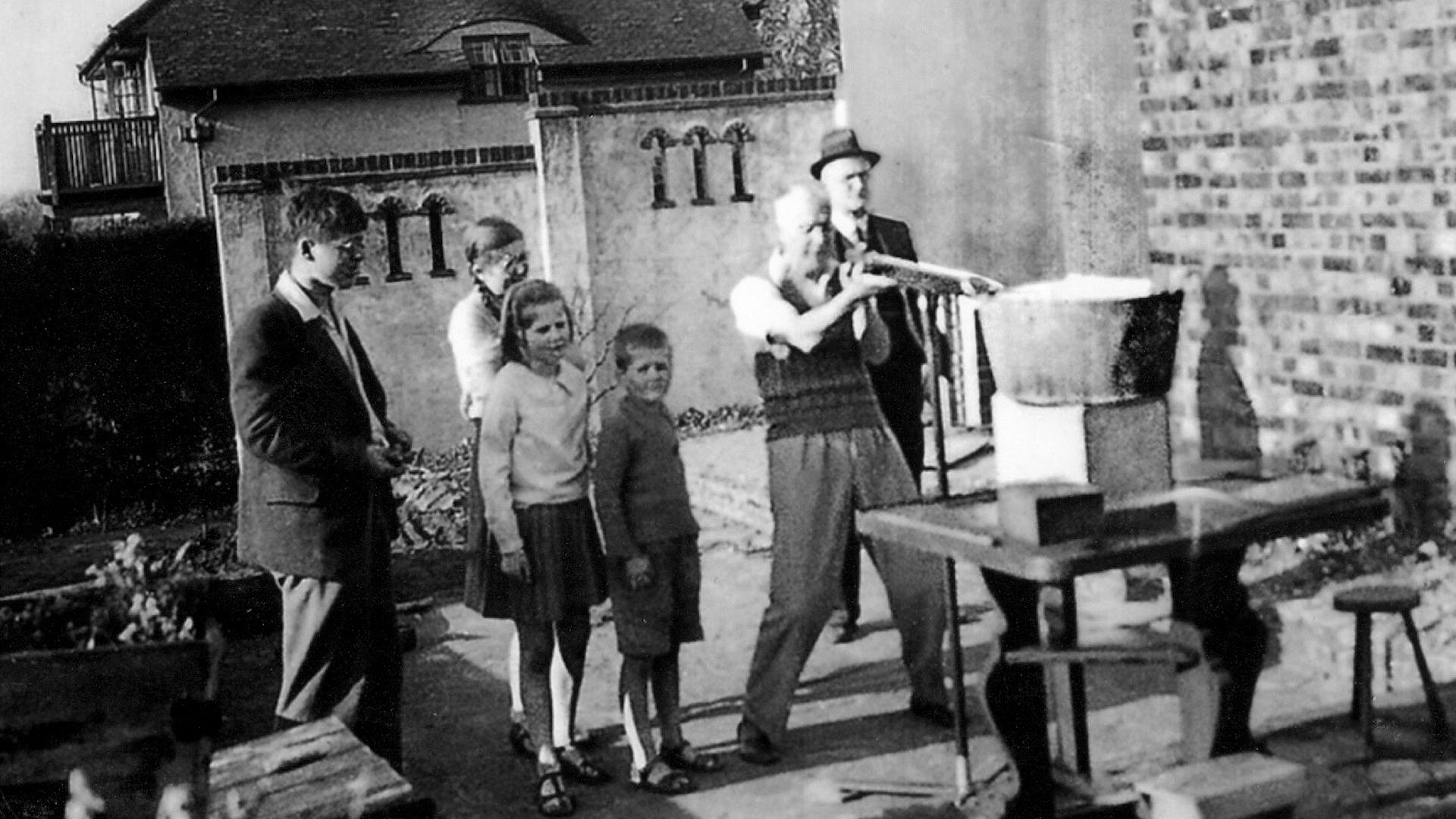
She recalled the time her father used them, saying: "I remember the Easter bank holiday weekend when Daddy came home with a strange device and placed it in front of a metal wash tub that he had filled with water in the garden.
"He then asked if he could borrow my marbles for an experiment. I was fiercely protective of my marbles, but reluctantly agreed. Sadly, some of them did get chipped."
The Dambusters raid, officially known as Operation Chastise, took place on the night of 16 May 1943 and saw 19 Lancaster bombers from RAF Scampton take off on a mission to destroy the Möhne, Edersee and Sorpe dams in Germany's Ruhr Valley, a critical industrial region.
Using Sir Barnes's revolutionary bouncing bombs, the crews flew at an incredibly low altitude of just 60ft above the water, releasing the bombs at the perfect moment to skip across the surface, avoiding torpedo nets, and strike their targets.
The resulting damage crippled Germany's water supply and disrupted its war production efforts.
The mission's success came at a steep cost, though, with 53 of the 133 airmen not returning, a survival rate of just over 60%.
Despite the losses, the raid went down in history as one of the Royal Air Force's most spectacular and daring feats, immortalised in the 1955 film The Dam Busters.
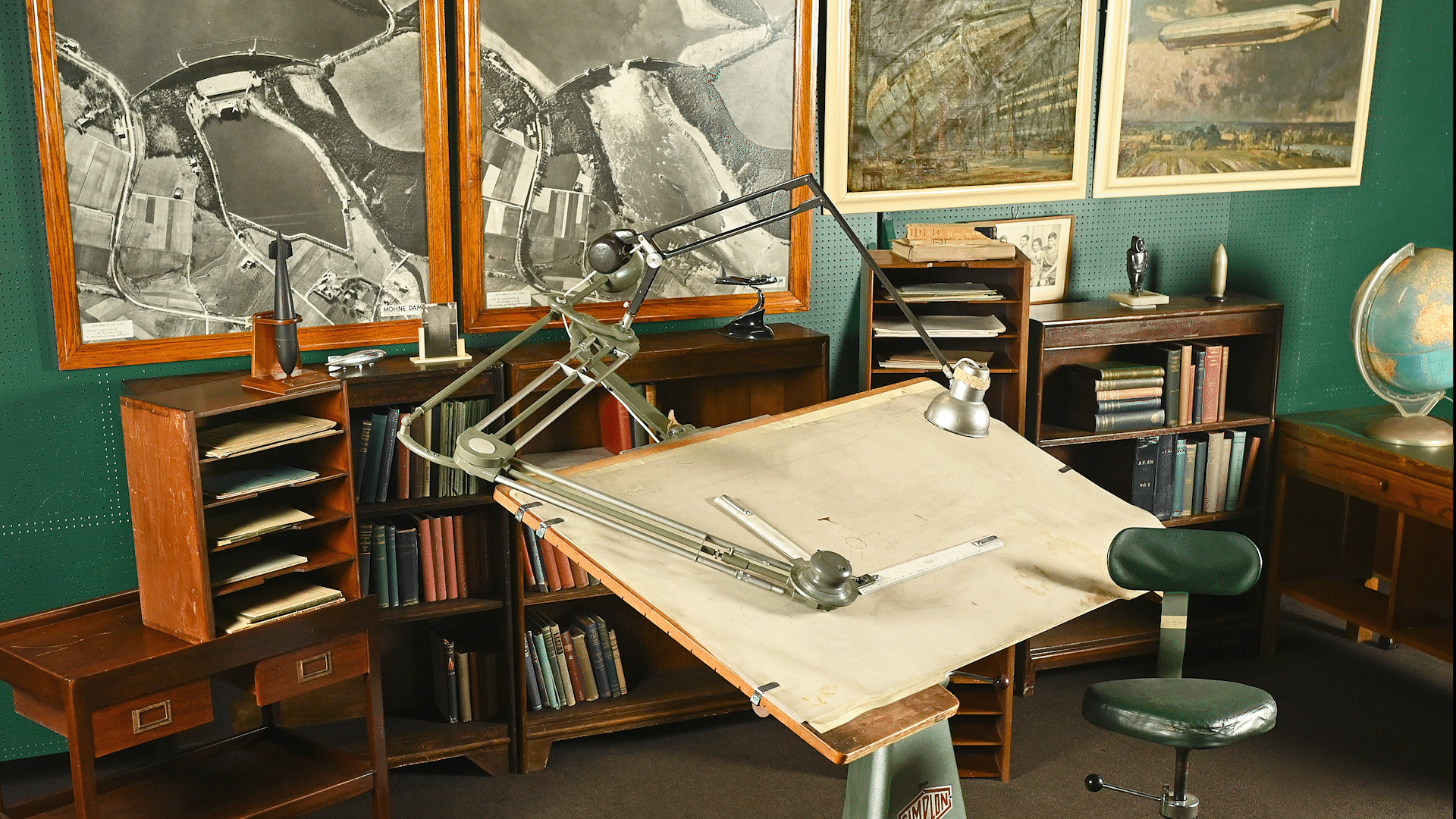
The auction also featured two aerial photographs documenting the aftermath of the Möhne Dam attack – one of the images bears the signature of Guy Gibson, the decorated commander of 617 Squadron, along with other personnel involved in the raid.
The contents of Sir Barnes's office were up for sale too, which included paintings and a pair of his glasses.
Related topics
Join Our Newsletter