Diplomacy's on the table, but warplanes in the air as Trump's armada sails closer to Iran
Diplomacy on the table. Warplanes in the air. Why is the US military build-up against Iran not slowing down?
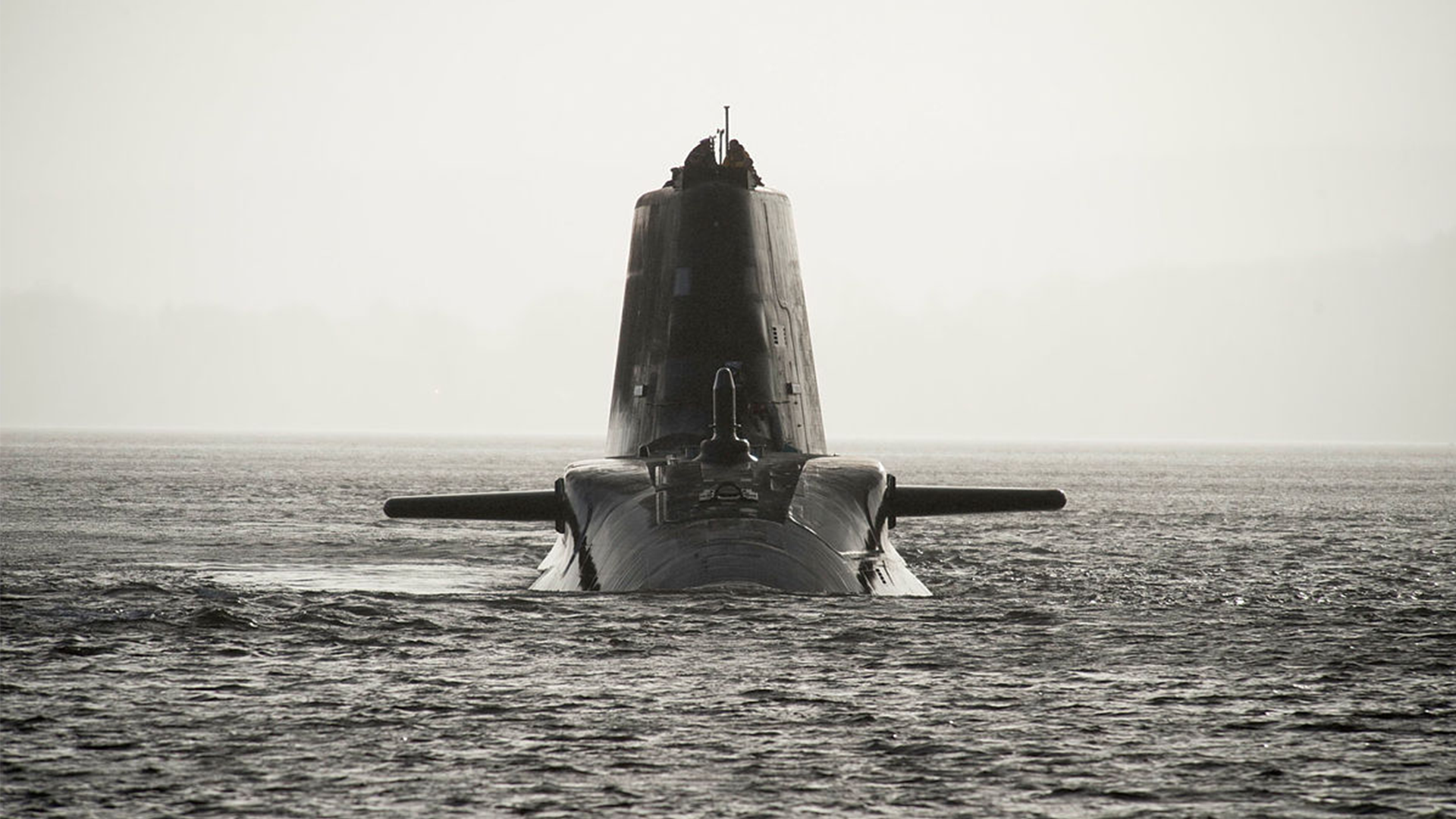
And in a break from its usual secrecy, the Ministry of Defence said a Royal Navy Astute-class submarine had left Gibraltar on 27 January.
She is believed to be heading to Australia as part of the Aukus agreement.
- Armada's on its way, says Trump as tensions rise amid Iranian crackdown and nuke fears
- Time and precision: How the US military spent 15 years planning its strike on Iran
- The GBU-57: The Americans' massive bunker-buster MOP bomb dropped on Iran
These hunter-killer submarines can carry Tomahawk land attack cruise missiles with a range of nearly 1,000 miles.
The UK has also deployed four RAF Typhoon aircraft to Qatar in a defensive capacity.
Al-Udeid airbase in the Gulf state was attacked by Iranian ballistic missiles in June 2025 in a symbolic response to the B-2 Stealth bomber attack on its nuclear facilities.
RAF Typhoon aircraft were previously used in April 2024 to shoot down Iranian Shahed drones heading towards Israel.
Is military action inevitable?
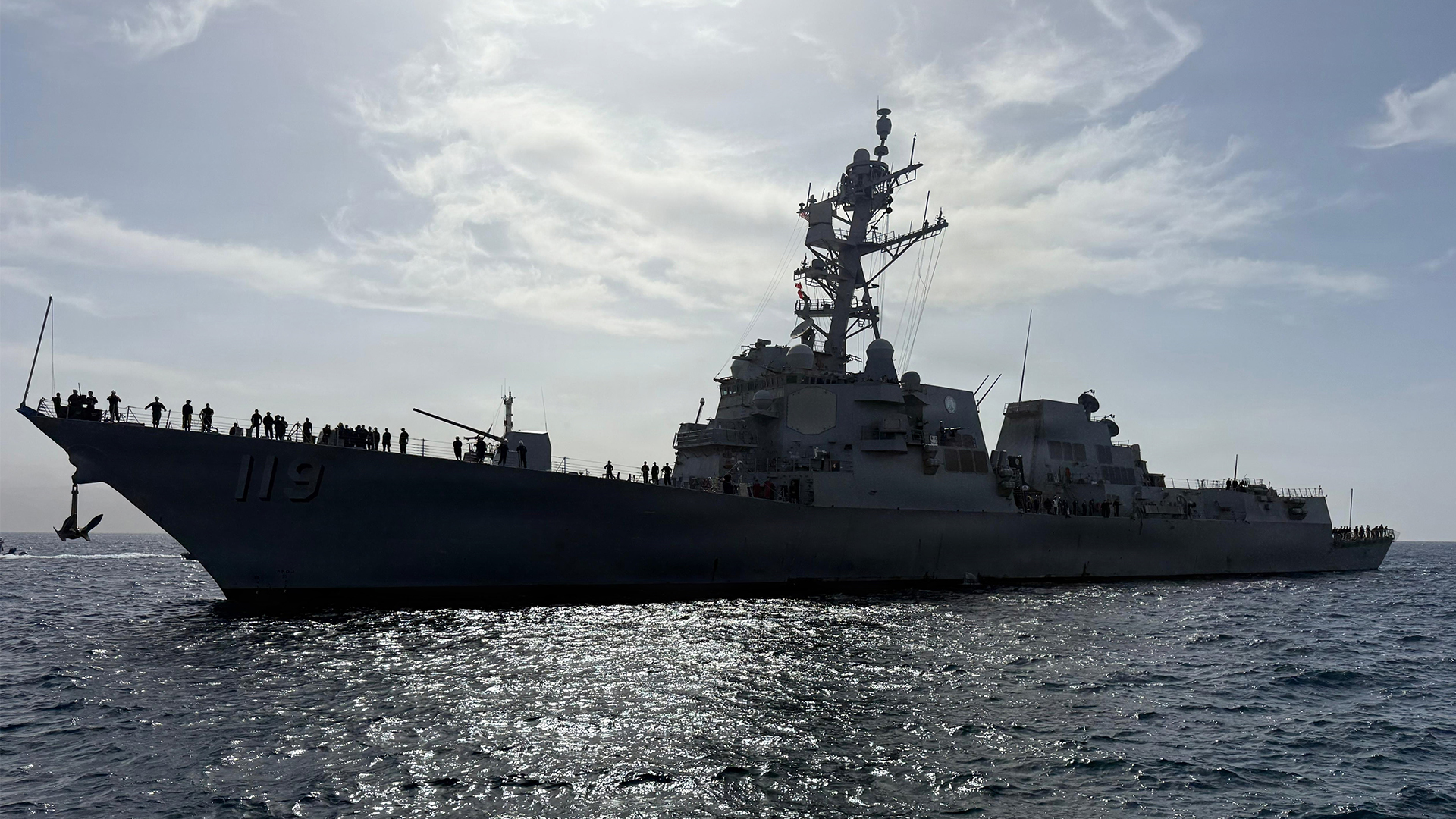
Meanwhile, Arleigh Burke-class destroyer USS Delbert D Black has transited the Suez Canal, entering the Red Sea and then docking in an Israeli port.
Her role could be to help protect Israel from retaliatory Houthi ballistic missile attacks coming from Yemen.
US Central Command said the Iranian Revolutionary Guards would be conducting a two-day live-fire naval exercise in the Strait of Hormuz starting on 1 February.
Centcom warned the Iranians to avoid unnecessary risk to freedom of navigation for international maritime traffic.
The Iranians then claimed they had never planned any naval exercise in the first place.
There have also been numerous transport aircraft flights from the US into the region.
These are likely moving additional Patriot and Thaad air defence systems to protect allies from an Iranian ballistic missile response to any attack.
It's quite possible that the US has already committed so much hardware that if it doesn't attack, it will be seen as a sign of weakness in the region.
Related topics
Join Our Newsletter