Four Immortal Chaplains: Legacy of courage and compassion in the face of tragedy

In the freezing, choppy waters of the North Atlantic, with dead bodies surrounding them, the men who had survived the deadly U-boat torpedoing of USAT Dorchester saw what was described by survivor John Ladd as "the finest thing I have seen or hope to see this side of heaven".
Another witness, Private William Bednar, shared that the air was filled with men "crying, pleading, praying", but that another sound gave him hope.
He said: "I could also hear the chaplains preaching courage – their voices were the only thing that kept me going."
The courage of four men of different faiths on 3 February 1943 highlights the importance of the role of chaplain within the Armed Forces then and still resonates strongly today.
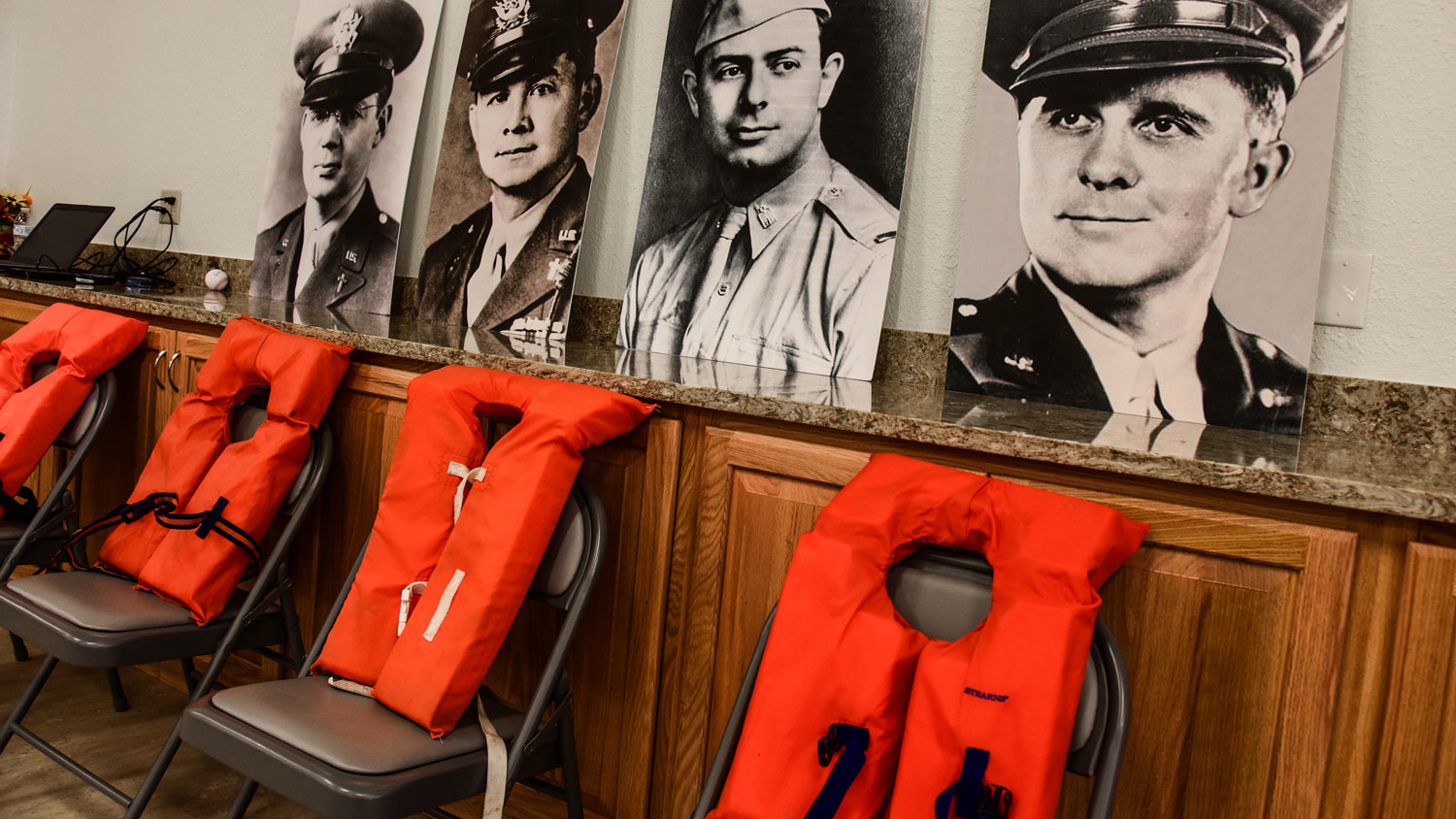
On board USAT Dorchester were four US Army chaplains – Jewish Rabbi Lieutenant Alexander Goode, Methodist minister Lieutenant George Fox, Roman Catholic priest Lieutenant John Washington and Dutch Reformed minister Lieutenant Clark Poling.
It is the spirit of these four brave men, known collectively as the Four Chaplains or the Immortal Chaplains, and others that came after them, that is at the very core of what the role of chaplain offers serving personnel today – to be a beacon of hope – a calling like no other.
Before heading to Greenland on USAT Dorchester, a former passenger steamship-turned-US Army transport vessel, Lt Poling asked his father, Reverend Daniel Poling, to pray, saying: "Not for my safe return, that wouldn't be fair.
"Just pray that I shall do my duty... never be a coward... and have the strength, courage and understanding of men."
Sacrifice until the very end
Chaplains deliver pastoral care to everyone in the military, regardless of their faith.
The Armed Forces is an incredibly diverse and multi-cultural workplace and so offering spiritual support and moral guidance is something that chaplains, or padres as some are known, have to provide for all faiths, no matter their own religious beliefs.
Their duty is to help service personnel in any way they can, offering a symbolic lifejacket to keep heads above water during a crisis.
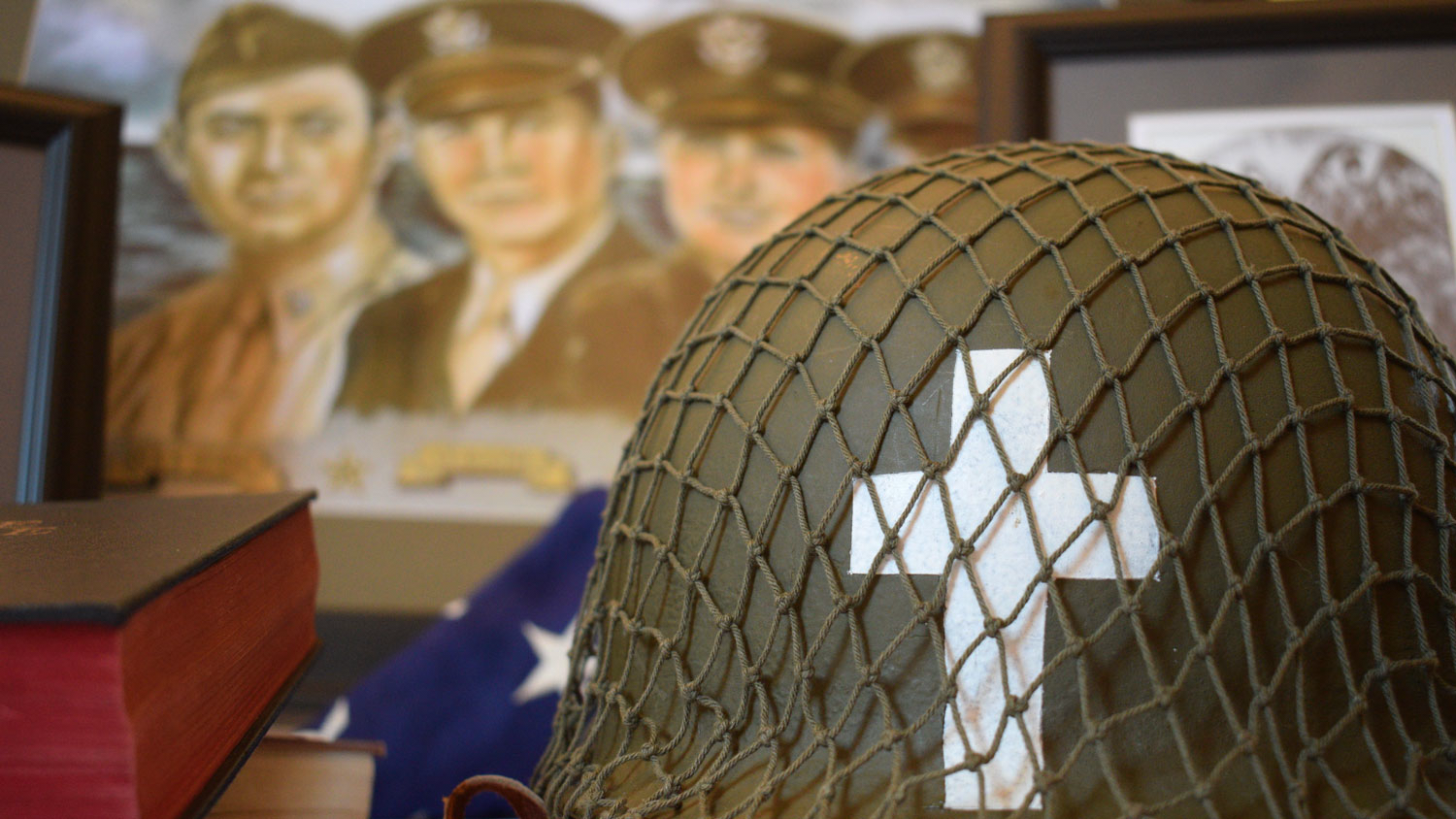
As the Dorchester sank, the four chaplains started handing out lifejackets but, as reported by survivor Engineer Grady Clark, when there were no more lifejackets left, the chaplains took theirs off and gave them to others in need.
But, as the US Army writes: "When giving their life jackets, Rabbi Goode did not call out for a Jew; Father Washington did not call out for a Catholic; nor did Fox or Poling call out for a Protestant.
"They simply gave their life jackets to the next man in line."
This is the powerful moment Mr Ladd describes as being the finest thing he has seen this side of heaven.
The last time the four men were seen, their arms were linked in prayer as the ship sank.
A powerful image of unity against all odds.
Strong, steady and courageous
To remind currently serving chaplains of their mission today, Major General Bill Green Jr, the US Army's Chief of Chaplains, spoke of the Four Chaplains who, despite their religious differences, joined forces in the face of certain death.
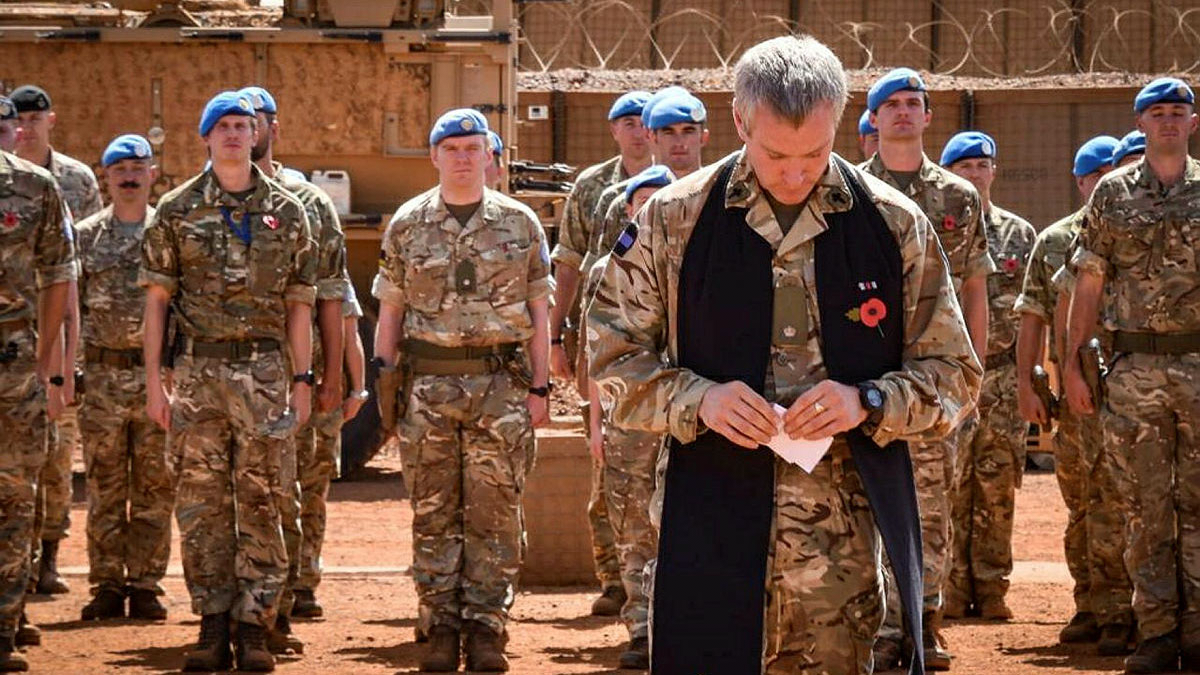
He said: "The four chaplains were united in their desire to provide comfort, care and calm to their shipmates as everyone abandoned the ship.
"They made the ultimate sacrifice when the supply of life jackets was exhausted, and they all removed their own to give them to others.
"Chaplains have been a strong, steady and courageous presence in every major conflict... and today we continue building spiritual readiness so that our soldiers can endure in any future fight."
At one point that night, as the screams of men filled the cold night air, Rabbi Goode offered his gloves to Petty Officer John Mahoney, claiming to have a spare pair.
It was only later that PO Mahoney questioned the interaction and came to the realisation that Rabbi Goode had decided his fate was to stay on the sinking ship.
Why would he need gloves if he was preparing to die to save the lives of others?
What is the role of chaplains today?
The brave actions of the Four Chaplains prove that chaplains offer more than just religious services that could be found on civvy street.
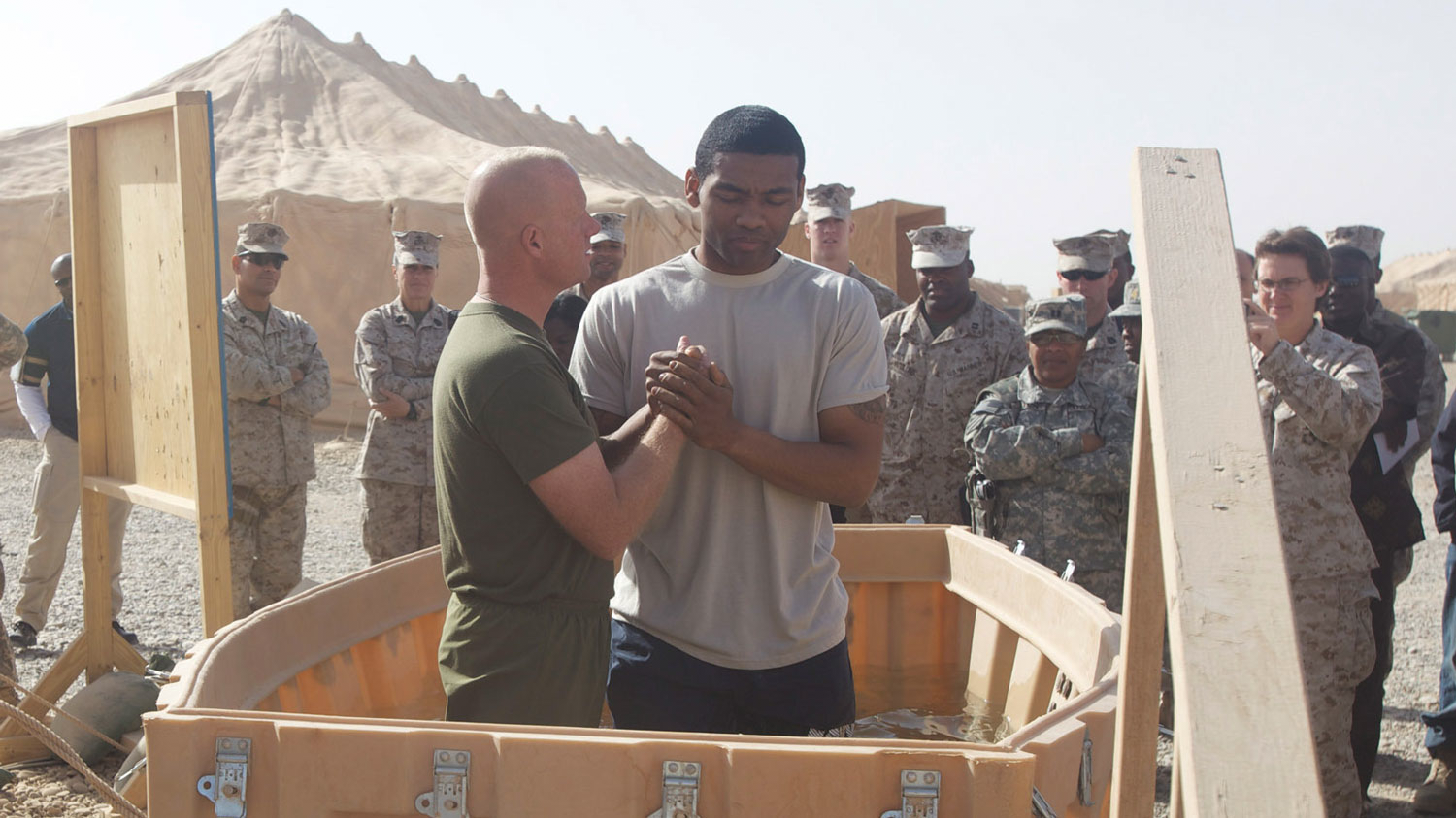
They provide a multifaith ministry of presence by deploying into combat zones and an ethical anchor for all serving personnel and their families.
Modern chaplains are trained to support the free exercise of religion for all, ensuring no service member is excluded based on their beliefs.
Military chaplains are often driven by a deep sense of duty, faith and empathy for others.
They are also non-combatants, which means they don't carry weapons or engage in combat.
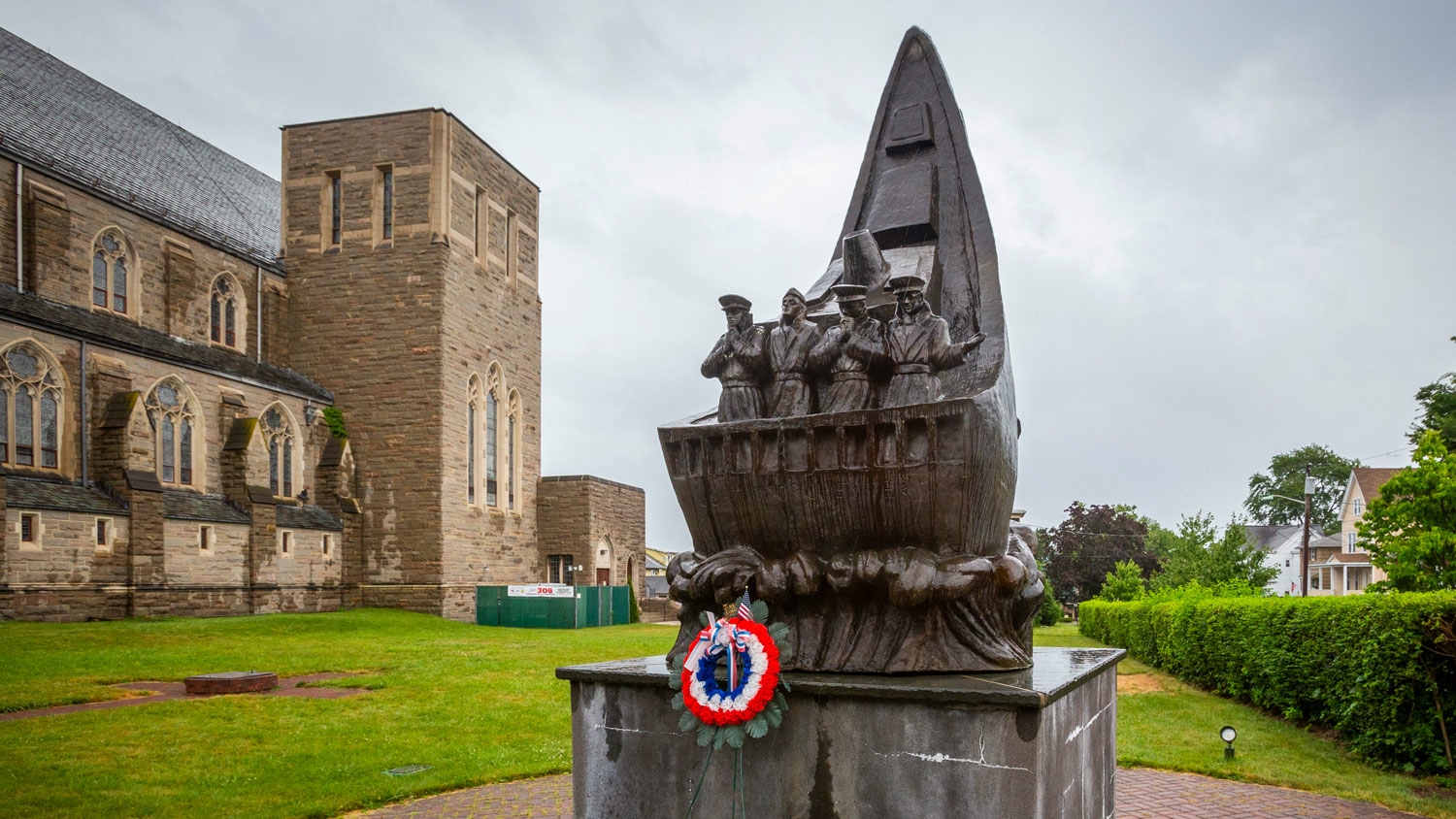
How are the Four Chaplains remembered?
Of the 902 service members, civilians and crew who were on USAT Dorchester on that fateful day, 672 died.
But 230 survived; many of whom owe their lives to the sacrifice of four chaplains who put faith, compassion and service first.
Lt Alexander Goode, Lt George Fox, Lt John Washington and Lt Clark Poling were posthumously awarded Purple Hearts and Distinguished Service Crosses for their selfless action.
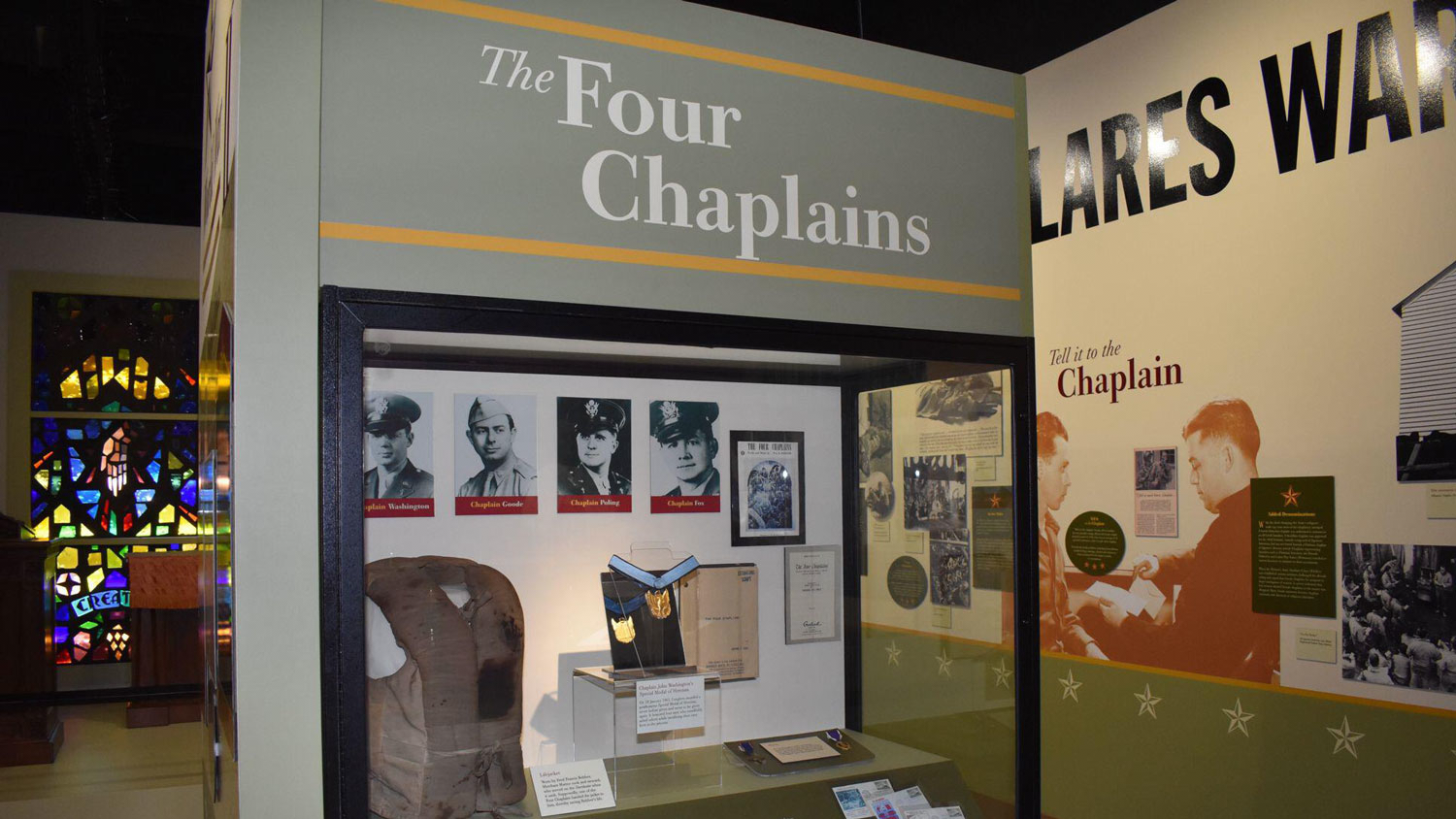
However, as their bravery was not during "combat with the enemy", they were not awarded the Medal of Honour – a decision that weighed heavily on the minds of those who thought their sacrifice deserved to be honoured.
Eventually, on 18 January 1961, Wilber Brucker, Secretary of the US Army, presented a specially made 'Four Chaplains' Medal' to the loved ones of the four men to honour their sacrifice.
It holds the same importance as the Medal of Honour and will never be awarded again.
At a time when America was divided by religion, in May 1948, the US Post Office issued a three-cent black stamp with the words "These Immortal Chaplains … Interfaith in Action" printed on it.
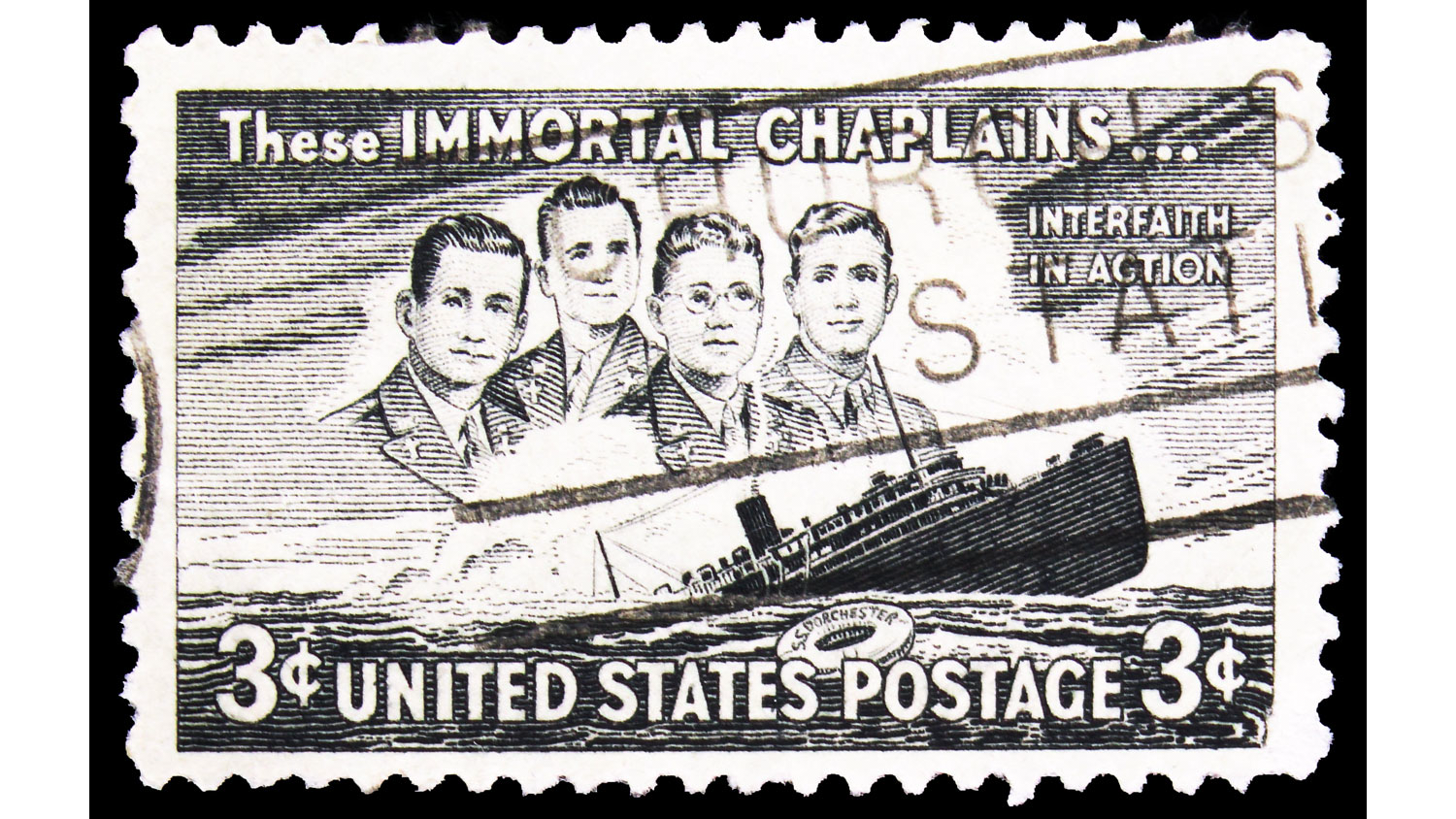
In 1988, Congress further honoured the men by designating 3 February 'Four Chaplains Day'.
Now, 83 years since that fateful day in 1943, the Four Chaplains are still being remembered and honoured.
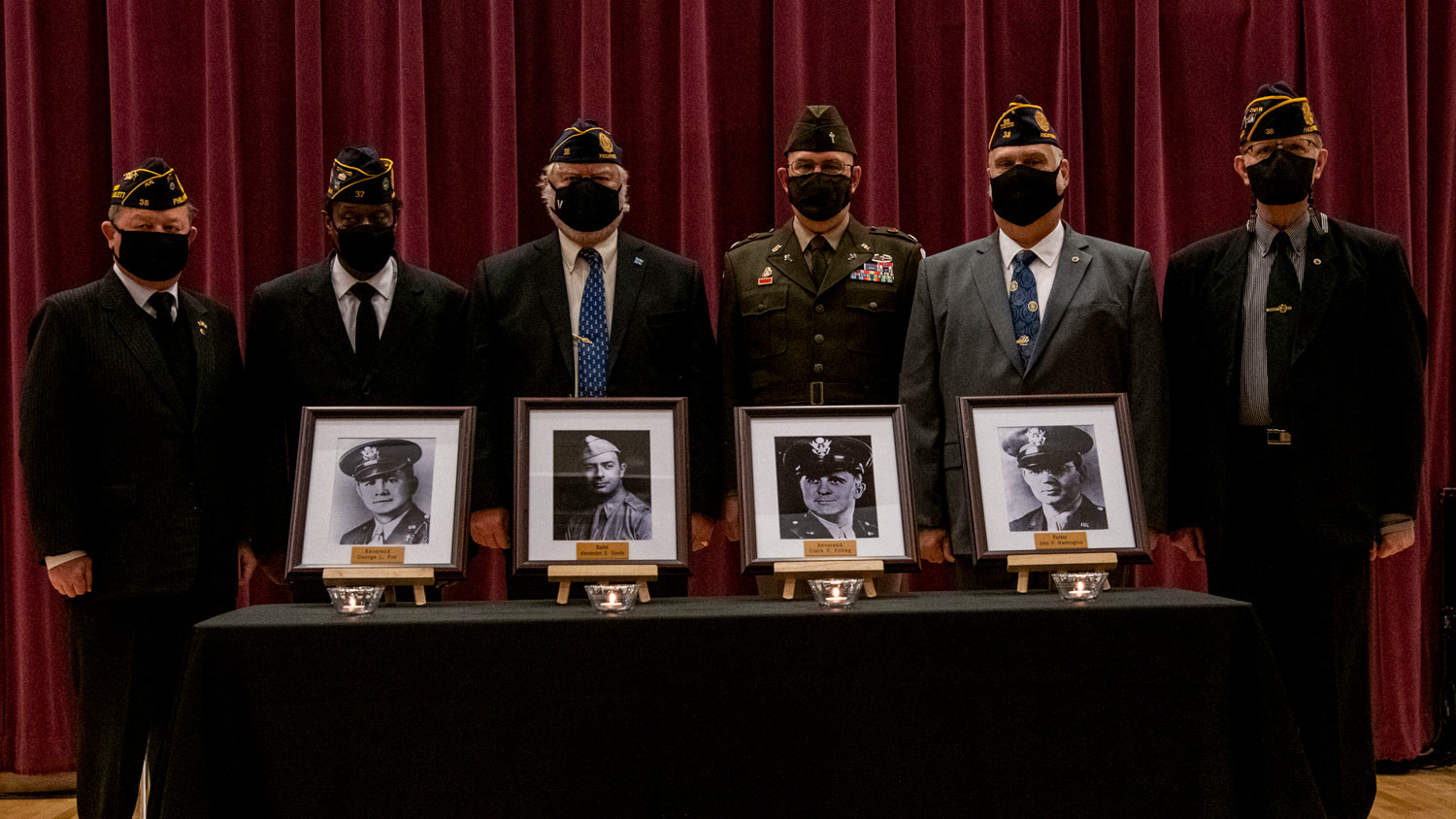
A branch of the American equivalent of the Royal British Legion – the American Legion Auxiliary Unit 6 – in Dubuque, Iowa, hosted a ceremony on 1 February, and on 28 March, USAF's Osan Air Base in South Korea will host its third annual Four Chaplains' Memorial Run & Ruck.
The event will see those taking part tackle a 30km Norwegian Foot March to remember the chaplains who stood their ground to the end, choosing sacrifice over survival.
Join Our Newsletter