Readiness faces £14.4bn squeeze as MOD prioritises equipment and delays service homes

The Defence Investment Plan (DIP) will squeeze spending on training and readiness by a combined £14.4 billion over the next four years, a new report from the National Audit Office (NAO) has found.
Following a year-long delay, the first four years of the DIP up to 2029-30 are considered broadly affordable by the MOD, but there are still gaps in how it will deal with emerging future cost pressures.
With Nato warning of an increased potential of Russian military action against Nato allies before 2030, there is a distinct need for readiness to increase before the end of the decade.
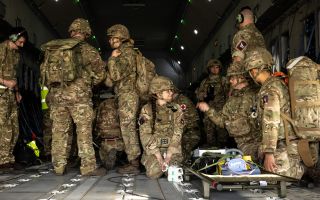
To balance the DIP costs, the MOD has elected to reduce or defer spending on military equipment, accommodation and training, directly opposing the Armed Forces proposals made in September last year.
So, what will this look like?
Readiness reduction
Compared with the Armed Forces' projections of £138bn needed to achieve the goals laid out in the Strategic Defence Review, the DIP has knocked planned spending down to £126.7bn – a reduction of £11.3bn over four years.
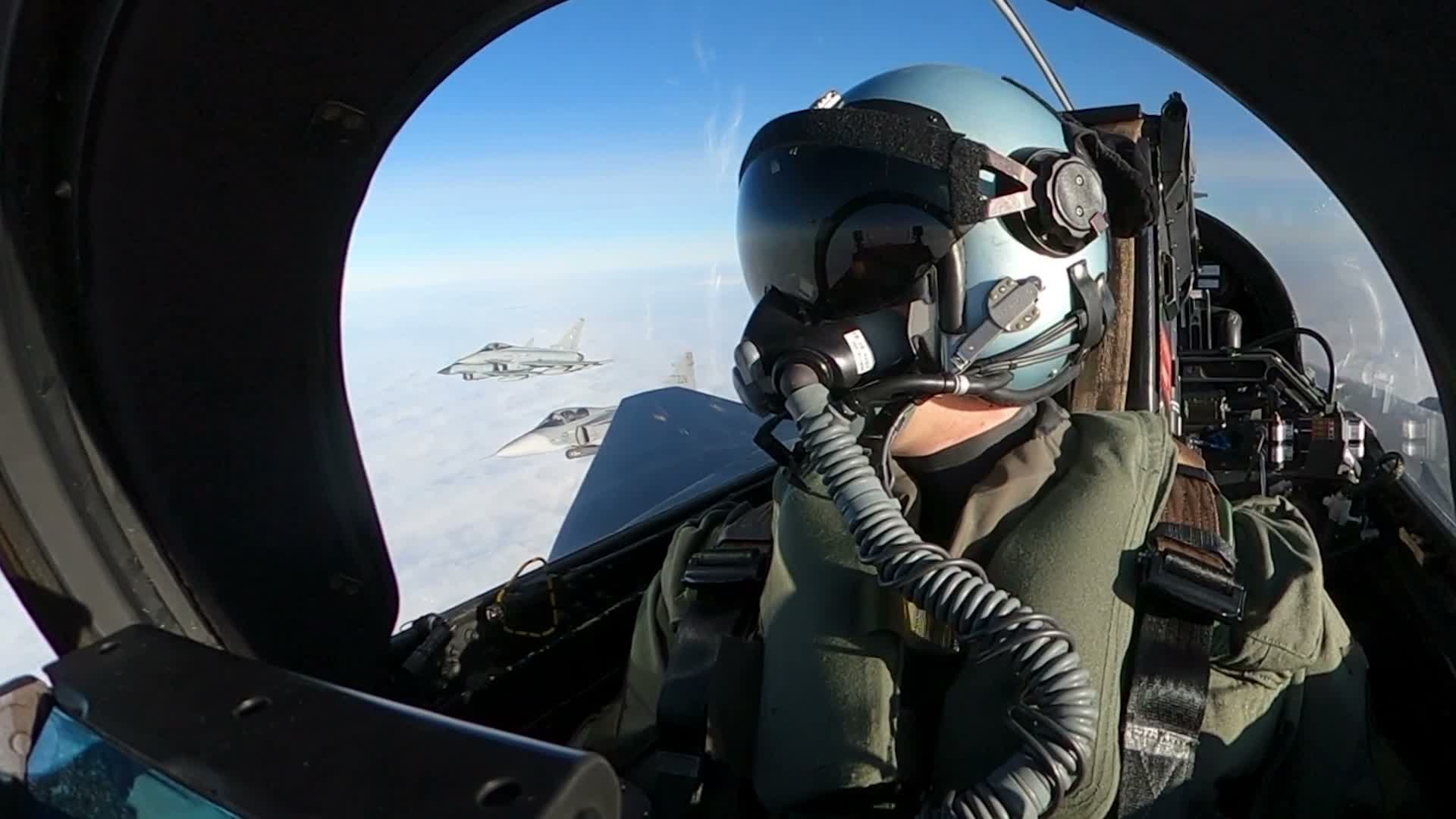
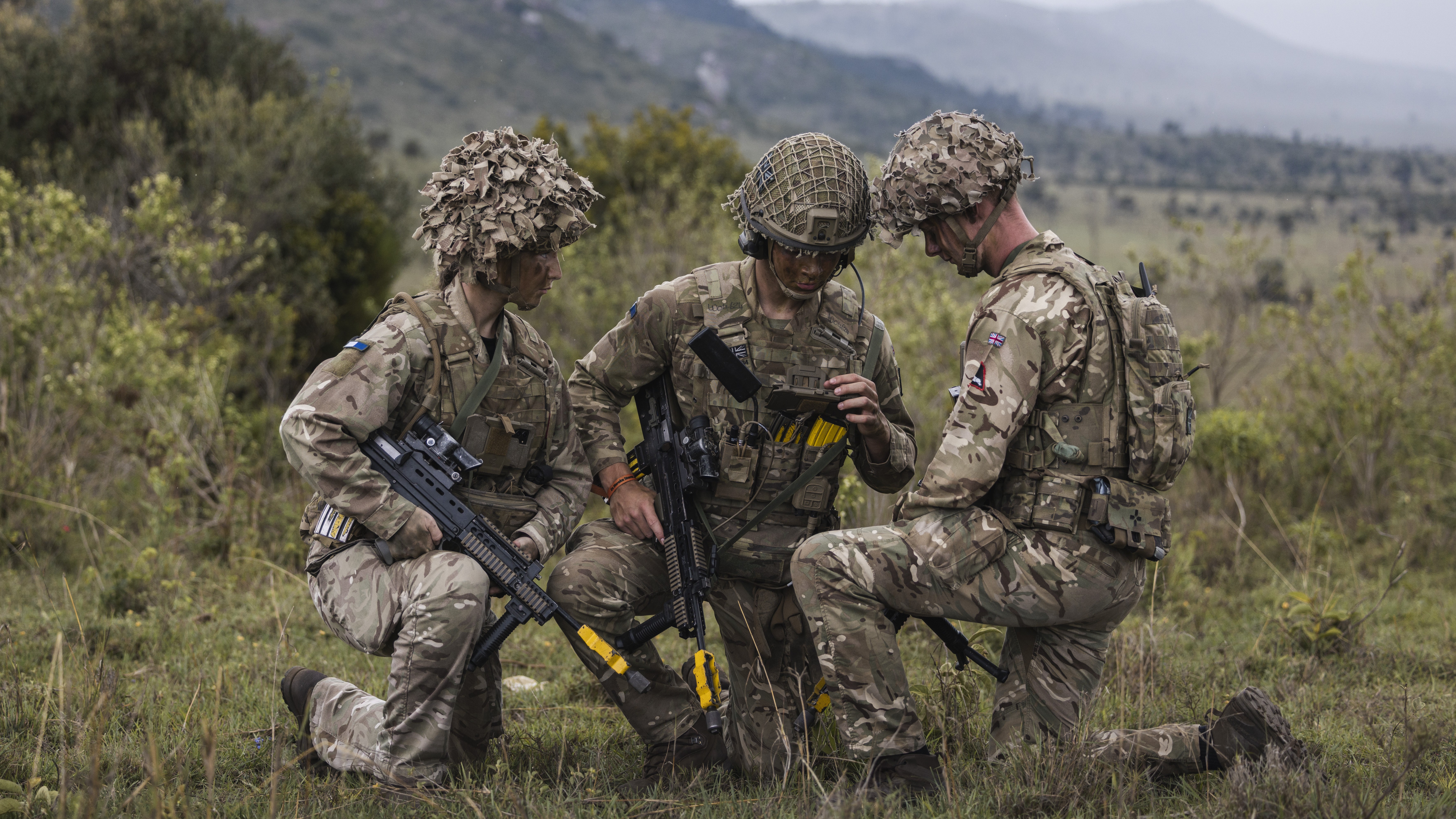
The largest share of the reduction includes cuts to training personnel and other military activity, reversing the Armed Forces' initial proposal of significantly higher spending to deliver to SDR.
Activity spending is now set to rise only in line with economic inflation, but with no end in sight for the conflict between Iran and the US, costs of fuel and equipment maintenance are pushing costs up faster.
£2.6bn of the readiness reduction will come from specific workforce spending, which covers military personnel and civilians working for the UK's Armed Forces.
Accommodation deferred
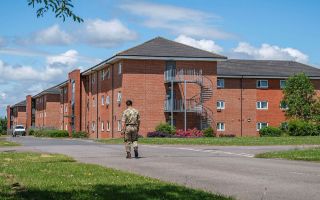
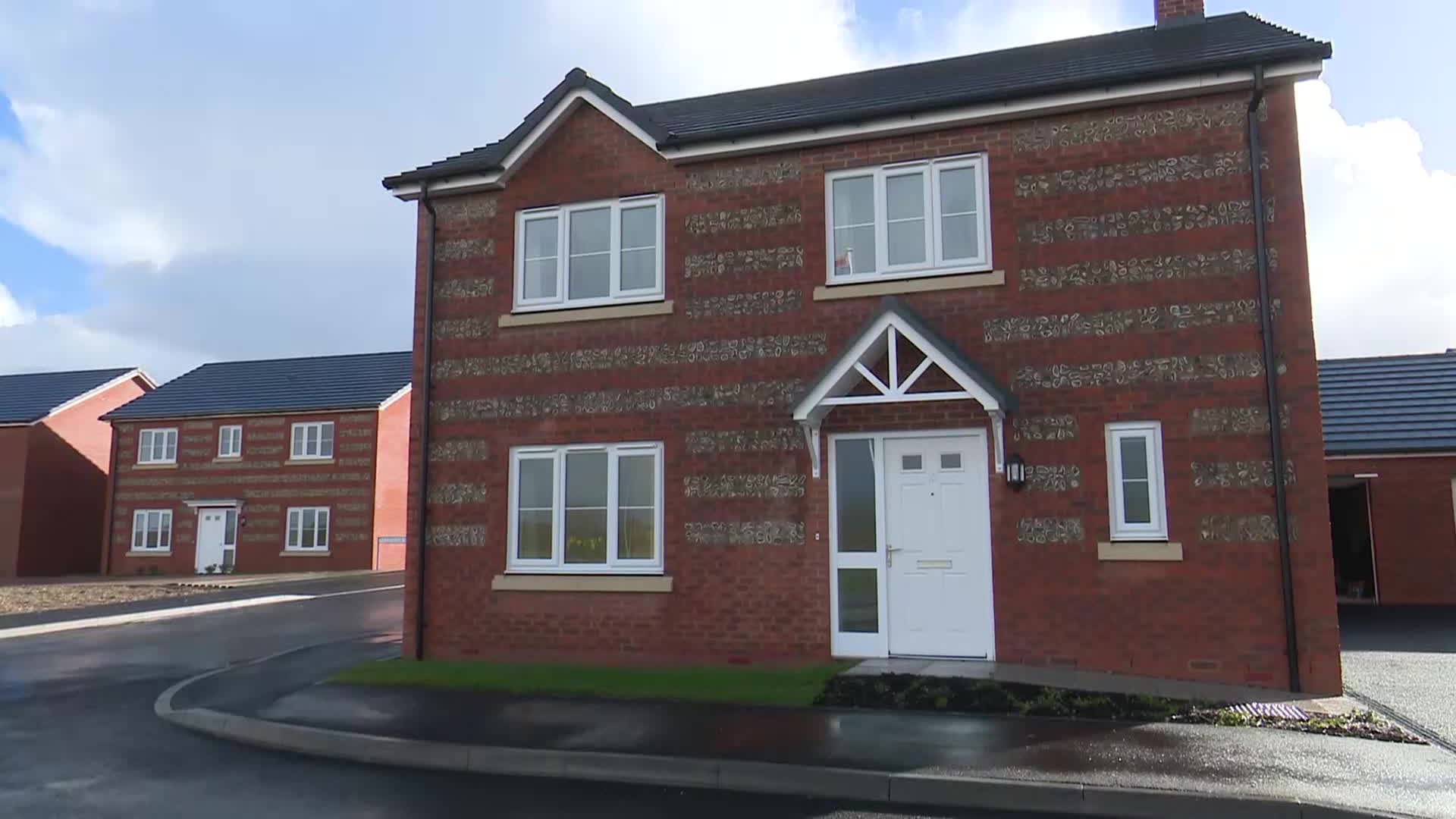
While successfully reducing the budget shortfall to £1.2bn over four years, a much more direct impact will be felt by military families and service personnel in their accommodation facilities.
Explicitly detailed in the NAO report, a reduction of £3.1bn of spending will mean:
:: The delayed purchase of 2,400 new homes for service families
:: The delayed replacement of 7,000 bedspaces for unaccompanied service personnel currently living in buildings that fail to meet MOD standards
:: Deferred spending needed to free up land for 43,000 homes until after 2030, against a target for 100,000
These cuts will likely have a direct influence of reduced capability and readiness, put more pressure on the maintenance budget in the future and may also affect Armed Forces' recruitment and retention.
Build-in delays
Rather than cancelling many programmes, the DIP is relying heavily on deferrals and resequencing of spending.
Because of uncertainty over supplier reactions and mobilisation, the DIP assumes that about 20% of project costs won't be spent as planned. This is double the predictions of a normal project, which sit around 8-10%.
With delays becoming part of the baseline, there is significant risk of creating a backlog of undelivered projects well into, and beyond, the second half the DIP timeline.
Future uncertainties
The first four years of the DIP, up to 2029-30, are largely considered affordable and reasonably well planned out.
The remaining six, however, are significantly unaccounted for.
With less planning and cost forecasts for the final six years, 2030-31 to 2035-36, more costs are likely left out after April 2030, making it harder to judge long-term effects of short-term savings or spot future cost growth.
While the government committed to spending 3.5% of GDP on core defence by 2035, the MOD and Treasury had not agreed a path to reach it during the DIP process.
Related topics
Join Our Newsletter