Rapid response teams for broken locks: How government is being told to improve SLA
A new report has urged defence to transform its approach to Single Living Accommodation (SLA) for military personnel, suggesting modern kitchens, dedicated laundry areas and strong internet connection must now be treated as a core requirement for modern life.
As of 31 October 2025, 77,412 personnel occupied SLA.
The Elphicke Ross Review wants to see a shift in accommodation provision, grading and maintenance championed by a new Office for Military Accommodation within the Military Strategic Headquarters.
The publication wants the MOD to adopt planned lifecycle maintenance for SLA, rather than what's described as the reactive "fix on fail" approach of today.
Critical of 2022's introduction of The Defence Minimum Standard for accommodation – apparently without funding or a plan – the report calls for a new Decent SLA standard to ensure all bedspaces are safe, warm, clean and secure.
The report was authored by Natalie Elphicke Ross, Chair of the Independent Review of Single and Unaccompanied Living Accommodation.
It stated that this newly recommended standard should be achievable by no later than the end of 2032 and that a costed implementation plan should begin with immediate rapid response teams to address high-priority failures, like broken locks, heating and hot water.
The current four-tier grading system should also be scrapped for a simple pass or fail standards test, it said, with 40% of SLA occupants facing the lowest standard (grade four) when data was collected in late October 2025.
"Not all new accommodation needs to be built on military bases," the report reads.
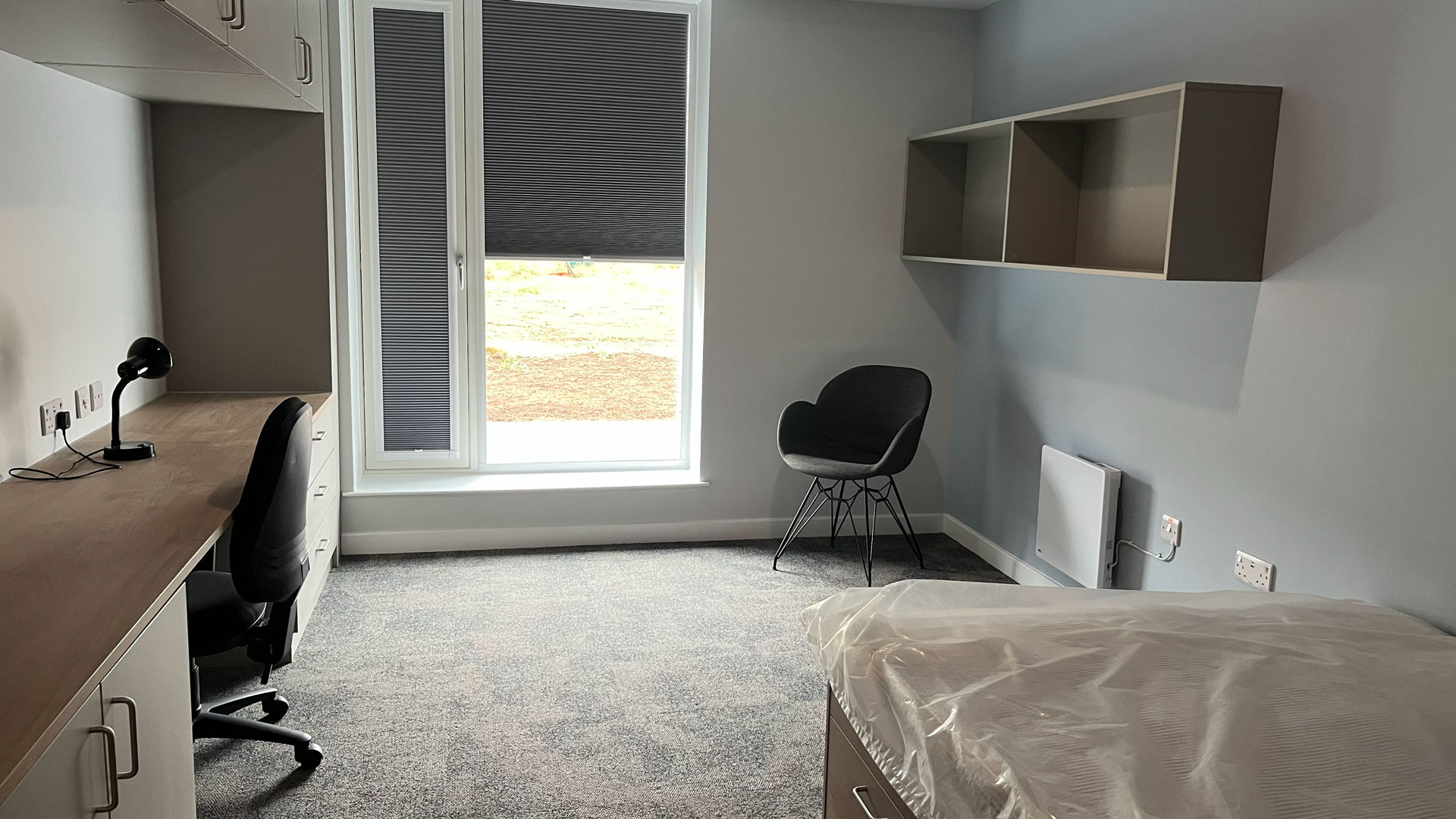
"Indeed many longer serving, more experienced, personnel would prefer to live in independent, self-contained accommodation off-base by themselves or sharing with other Service personnel."
It went on to suggest: "A new form of accommodation, to be known as Service Independent Accommodation (SIA), should be provided.
"Such accommodation could be purchased or commissioned from the general housing market, would be welcomed by Service personnel and cost much less to provide than traditional on-base accommodation for the experienced personnel concerned."
Only 47% of SLA occupants surveyed were satisfied with the overall standard of their accommodation, according to the survey data.
Here are some of the key recommendations:
In 2027
- Immediately set up rapid response repairs team for high-priority failures.
- Introduce new Decent SLA Standard with a costed and prioritised investment plan.
- Introduce new SLA Charter for modern facilities and make reliable, affordable high-speed internet a core accommodation requirement.
- Take immediate steps to tackle insecure accommodation
- Establish the Office for Military Accommodation.
- Launch Service Independent Accommodation pilot – living spaces purchased or commissioned from the general housing market.
By 2032
- Complete investment plan to achieve the Decent SLA Standard.
- Abolish the outdated 4-Tier Grading system and replace it with a strict pass/fail compliance model.
- Complete the programme to eliminate internet 'not spots' across SLA.
- Complete stock condition surveys for 100% of the SLA estate.
The report suggested the poor condition of SLA has become institutionalised, with a property grading system that offers Service personnel a lower rent for worse accommodation, and urged defence to begin work on a detailed roadmap quickly.
According to the report, 29% of service personnel stated that accommodation was a factor which increased their intention to leave the Armed Forces.
Related topics
Join Our Newsletter