Nato puts Baltic Sea defence under new command as Exercise Baltops begins
Baltops 2026 is smaller than in recent years, but this year's exercise marks a shift in how Nato is preparing to defend the Baltic Sea.
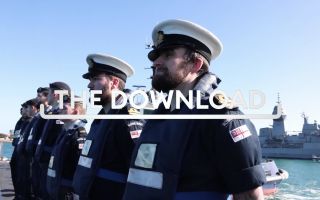
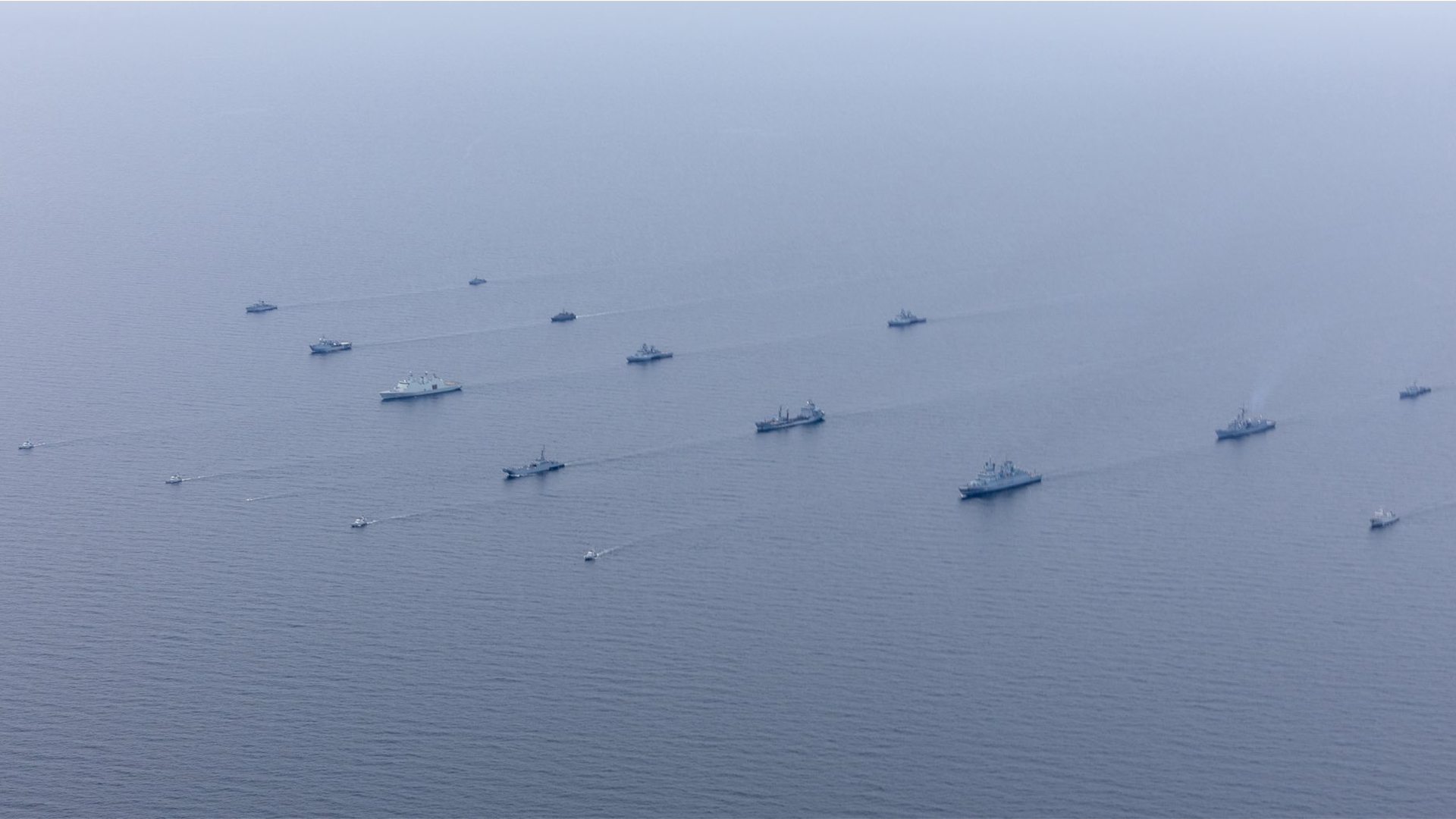
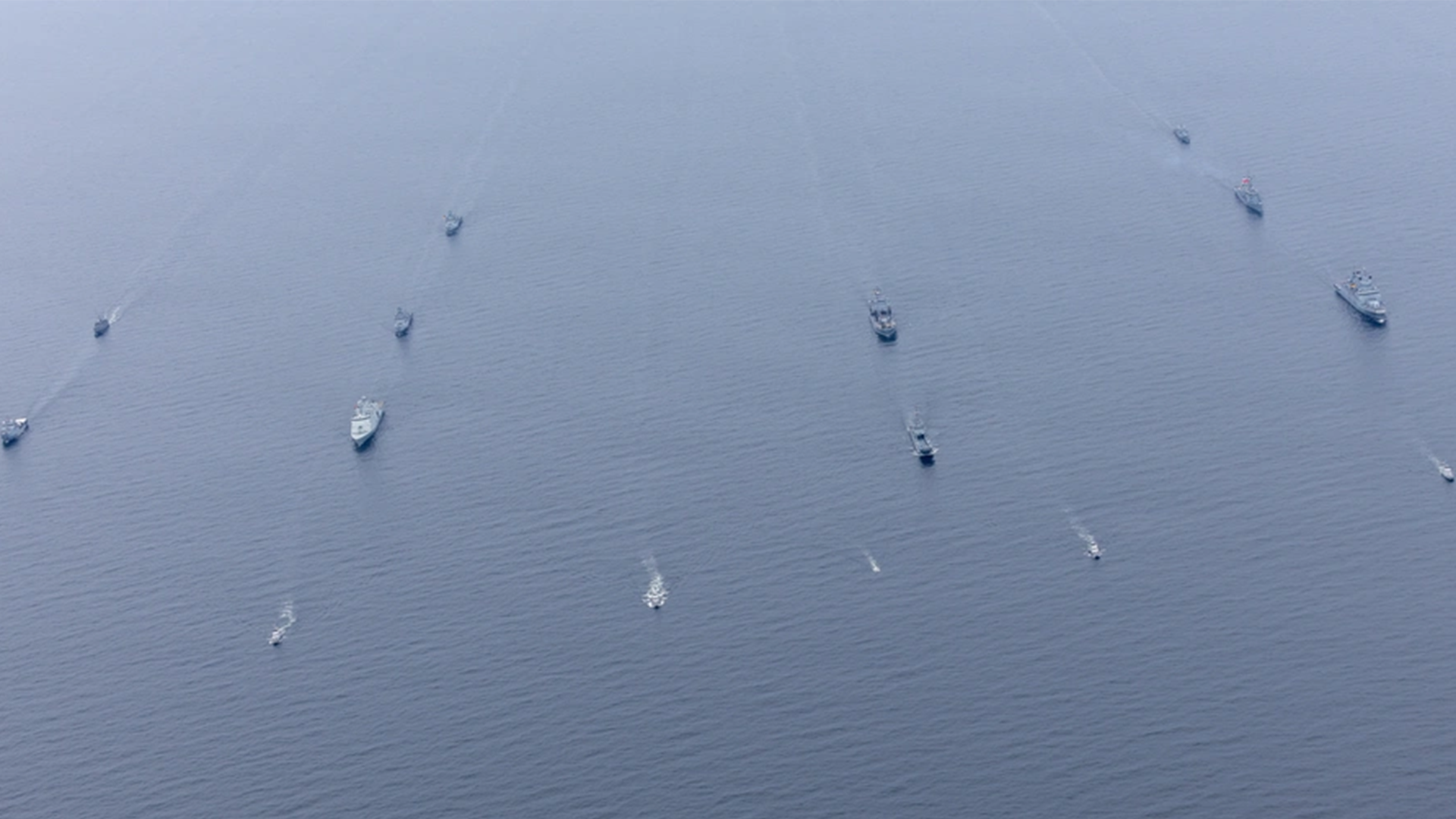
Around 6,000 personnel from 15 allied nations are taking part in the maritime exercise, with 20 ships having left Gdynia, Poland, for two weeks of training.
The drills include amphibious operations, air defence, anti-submarine warfare, mine countermeasures, crisis response and uncrewed systems.
- Baltops 25 begins as Navy patrol boats HMS Dasher and HMS Archer join Nato fleet
- Baltops: Royal Marines battle through island network alongside US and Swedish troops
- MOD accused of placing unrealistic expectations on troops operating Ajax vehicles
The exercise is led by the US Navy's Sixth Fleet, with the USS Mount Whitney serving as the flagship.
The change this year is how the exercise is being controlled.
For the first time since Baltops began in 1972, command and control is being run from Allied Joint Force Command Brunssum, Nato's operational headquarters in the Netherlands.
The exercise will run across the Baltic Sea region until 20 June.
In previous years, Baltops has reflected the change in Baltic security since Russia's full-scale invasion of Ukraine.
In 2024, after Finland and Sweden had both joined Nato, the exercise became the largest in its history, involving more than 50 ships, 85 aircraft and around 9,000 personnel.
Last year's exercise involved the same number of troops but fewer ships, more than 40, and 25 aircraft from 16 allied nations.
This year, the numbers are lower, but the command change points to a different priority.
The shift places the exercise more directly inside Nato's collective defence planning for northern Europe, rather than treating it mainly as a recurring US-led maritime drill with Allied participation.
The exercise also comes after Nato launched Baltic Sentry in January 2025 to strengthen the protection of critical undersea infrastructure.
Related topics
Join Our Newsletter