44 years later: Remembering the Falklands conflict, a defiant stand for sovereignty

"I'll talk to them, but I'm not walking out. I'm not surrendering to the bloody Argies, certainly not."
Defiant words from Rex Hunt, British Governor of the Falkland Islands, while speaking on the island's radio station as he was held at gunpoint by Argentinian marines in Government House on 2 April 1982.
Since 1833, Britain and Argentina had disputed the sovereignty of the Falkland Islands, with the increasing tension eventually turning into a full-blown, 74-day undeclared war between the countries.
Argentine forces invaded and occupied the Falklands Islands and South Georgia – a move described by the then Prime Minister Margaret Thatcher as "such a stupid thing to do".
However, the British were vastly outnumbered as just 69 Royal Marines stood between hundreds of Argentine invaders and the islands' capital, Stanley.
The next day, Mrs Thatcher addressed the House of Commons, saying: "For the first time for many years, British sovereign territory has been invaded by a foreign power."
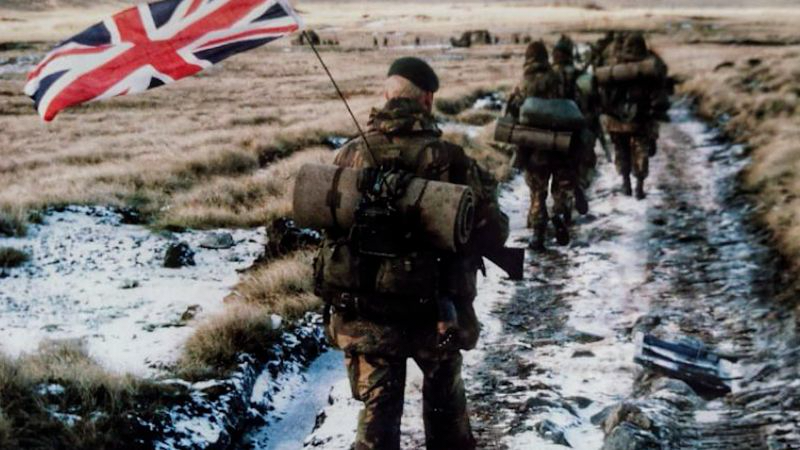
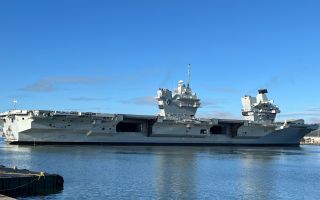
Within just 72 hours of the invasion, a Royal Navy task force including aircraft carriers HMS Hermes and HMS Invincible, more than 120 vessels and thousands of personnel was on its way to re-take the islands – creating the largest operation of its kind since the Second World War.
Britain's strong, determined military response retook the territories back on 14 June but it didn't come without sacrifice. During that time, 907 people died – 255 British military (777 were wounded), 649 Argentine and three civilian Falkland Islanders.
Related topics
Join Our Newsletter