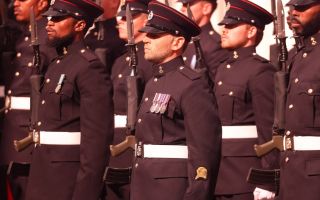
Hurry up and wait: The challenge of mobilising Britain's Strategic Reserve
The Royal Navy, along with its sister services, is taking the need for 'warfighting readiness' (sic) seriously.
One aspect of this is consideration of how to boost the service's workforce should it be needed in time of crisis.
As BFBS Forces News has covered here and its Sitrep podcast here, the Armed Forces are preparing to reinvigorate the Strategic Reserve to meet this need in a major exercise next year.
But it pays to be prepared and the personnel management teams are starting to get ahead of the game.
The call-up list is being dusted off
Royal Navy career managers are getting their lists together and are readying themselves to pick up the phone.
Most people who leave the Armed Forces have a liability in the Strategic Reserve.
The exact nature and duration of this liability depends upon the nature of one's service (commissioned or enlisted), age and the manner of leaving – Premature Voluntary Release or retirement (having completed one's engagement).
Everyone who is liable for such service (and, like jury duty, it's not optional) should get a letter each year confirming the nature of the liability and asking the individual to confirm their contact details.
Now, I always see this as a slightly odd and anachronistic way of doing it.
If you receive the letter, then your contact details are valid and don't need updating.
It's the people who don't receive the letter who need to get in touch and update their whereabouts.
It's like asking people who aren't in class to identify themselves by putting their hand up.
Anyhoo, such absurdities are part of military life and well recognised by all of us who have served.
Hurry up and wait; smile and wave!

Should the First Sea Lord take the part of Princess Leia and send his version of R2D2 to convey his plea for my aid: "Help me Commodore Prest, you're my only hope" then, of course, I would answer the call for help, pick up my lightsabre (well, officer's sword) and do my duty.
I doubt that will be the phrasing used in the correspondence, but I'll know what he means.
But what might such a recall to arms mean in practice?
If the Strategic Reserve is to be activated, then it needs to be mustered.
Presumably, such recalls would be phased and prioritised based on the need for shortage skills and experience at certain ranks.
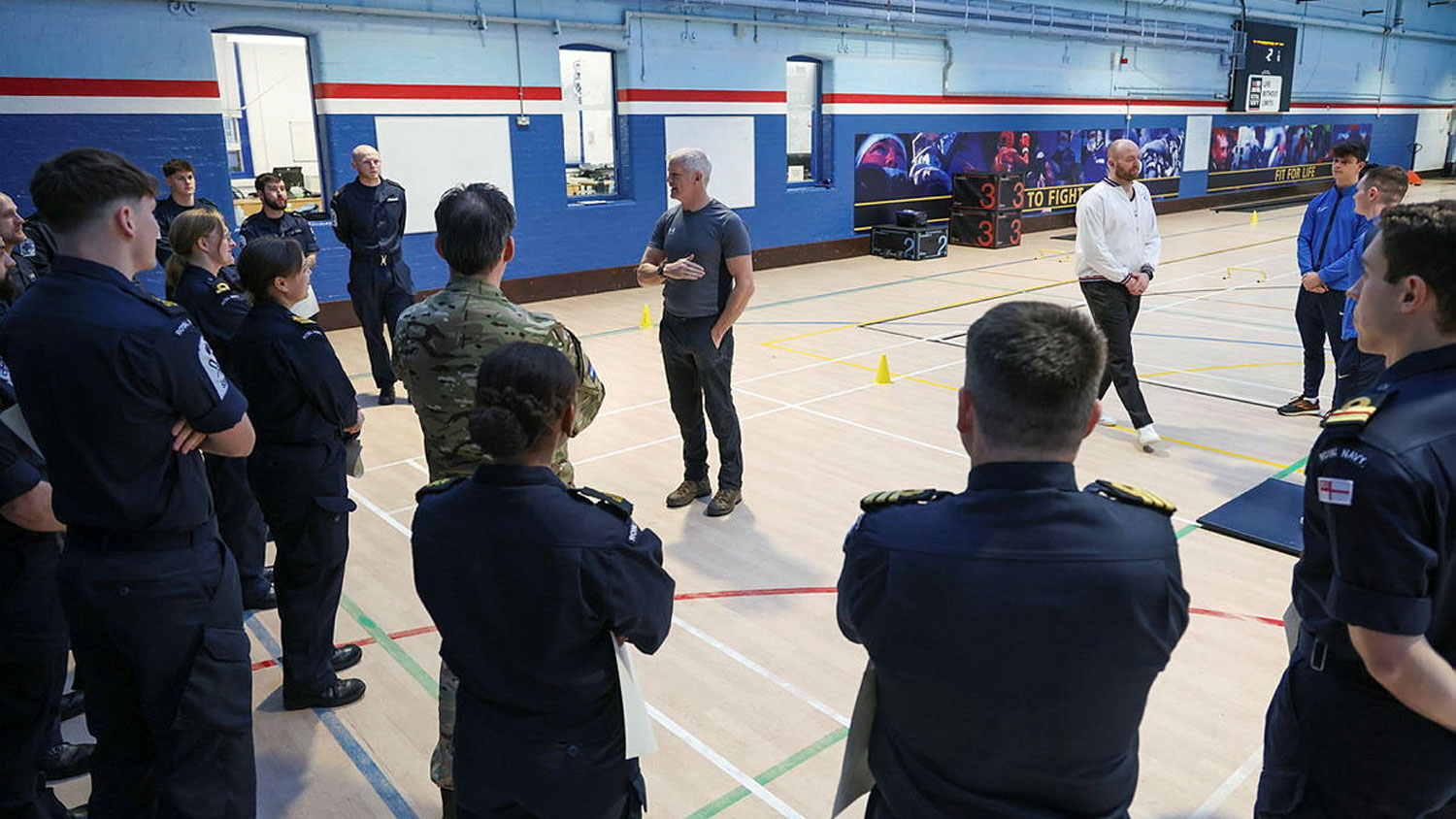
For the Royal Navy, the RN Mounting Centre at HMS Nelson in Portsmouth Naval Base would be the obvious place but accommodation in Portsmouth is already stretched.
Where will everyone be accommodated?
First, find them – then find somewhere to put them
To gain entry to the dockyard, one needs a pass and/or an ID card but unescorted access to the dockyard also necessitates a security clearance.
People still working in the Defence Sector may well have retained their security clearance, but many will not have.
Escorting hundreds of people and their cars around the dockyard while the glut of clearances is processed will be a challenge.
Just imagine the faff around the issuing of car passes alone.
So perhaps another facility might be better – but where?
One of the training establishments?
Perhaps, for the Royal Navy, Britannia Royal Naval College Dartmouth could be dedicated to the task.
But again, limitations of accommodation become clear.
Let's assume that challenges of location, access control and accommodation have been overcome.
The next issue is medical screening.
Security passes, medicals and the mobilisation maze
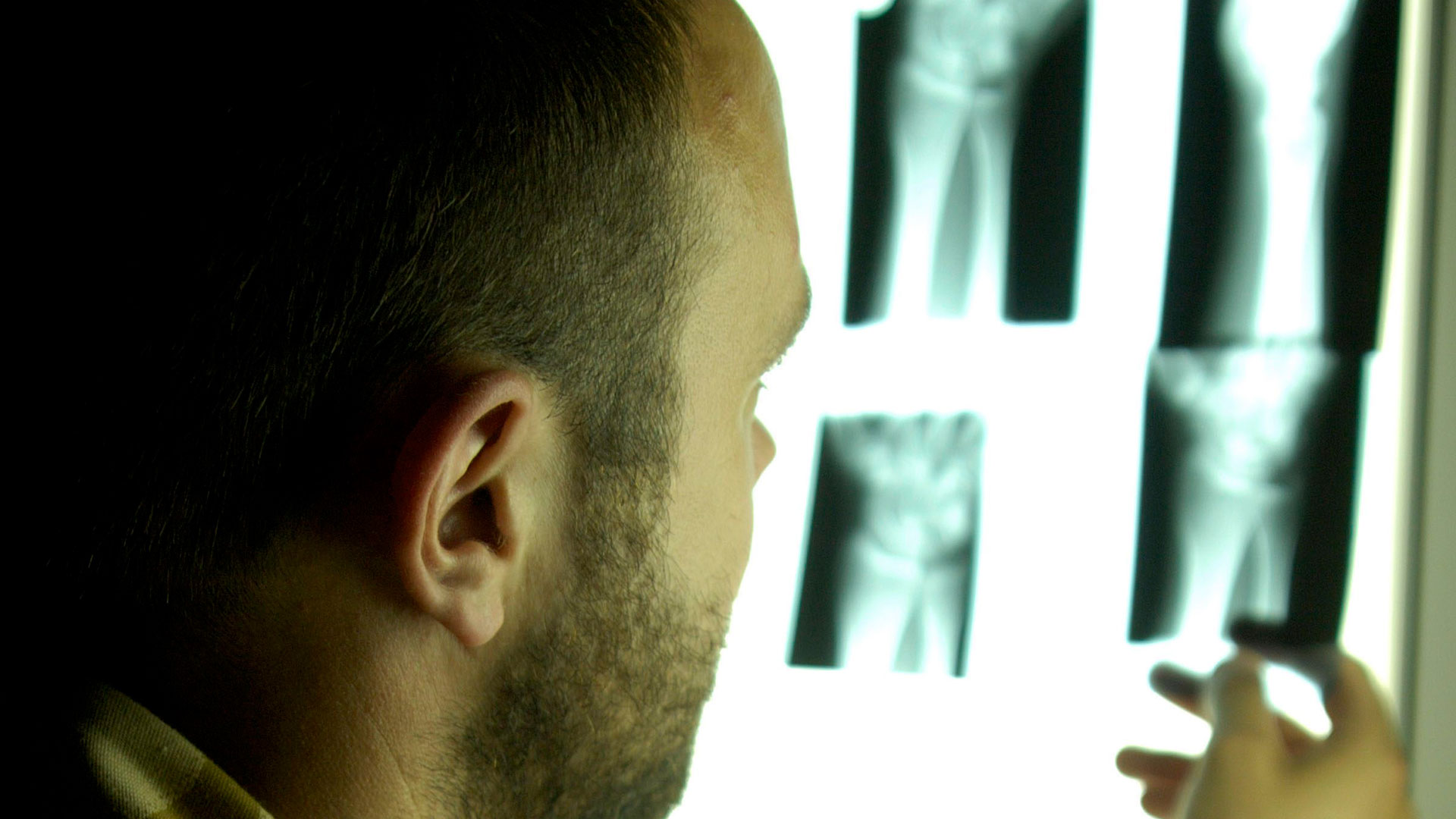
Each person will, presumably, need to undergo a medical assessment to ensure that they are still fit for military service – even if they are just to backfill roles 'ashore' allowing regulars to deploy forwards.
This may necessitate, as in recruiting, the individuals consenting to the MOD being given access to their GP records.
What if such consent is not forthcoming from reluctant individuals?
Can they pass a medical assessment anyway or is this a loophole that could be exploited by those less keen to do their duty?
Some people may even claim to have grown bone spurs to avoid being drafted.
Does the Defence Medical Service have the capacity to undertake this volume of examinations to facilitate mobilisation – at BRNC, and elsewhere?
Uniformed and MOD employed civilian doctors can be tasked with such work but this takes them away from their day jobs in either Defence Medical Services or the NHS.
Once security vetting is underway and medical assessments have been undertaken, it's time for kit issue.
Most people will have returned their uniform when they left and anything retained by the individual for the purposes of digging the garden or fixing the car is probably out of date or not fit for purpose.
They'll need more than just a uniform
With about 95,000 people in the Strategic Reserve, that's a lot of sets of combat pyjamas that will need to be issued along with boots, rank slides, foul weather gear and so on.
And, of course, all of the other specialist and formal uniform that will need to be handed out in addition to the daily working rig – body armour, respirators, etc, etc.
Do such things exist in sufficient quantities and if not, when are they being ordered?
With many things now being communicated and managed digitally, each of the re-enlisted members of the Strategic Reserve will need a login to access the Joint Personnel Administration system – JPA, MODNET email and so forth.
Nonetheless, as we all know, this won't actually reduce the number of paper forms that will need to be completed and processed by the Unit Personnel Office.
But, if you want to get your payslips and read the various policy documents, you'll need access to the system.
Accounts will need to be (re)generated for each of these people and devices provided for both general access and, for many, the ability to perform their role.
How many such additional devices and accounts have been ordered, do you think?
I would go so far as to predict that anyone mobilised for their first two-week exercise will spend most of their time filling in forms or waiting in-line or at the tea boat for their turn to be seen at Stores, the UPO, the Doctors' or the IT Hub.
Training takes time – especially for technical roles
Once all of the administration is completed, next comes the issue of training.
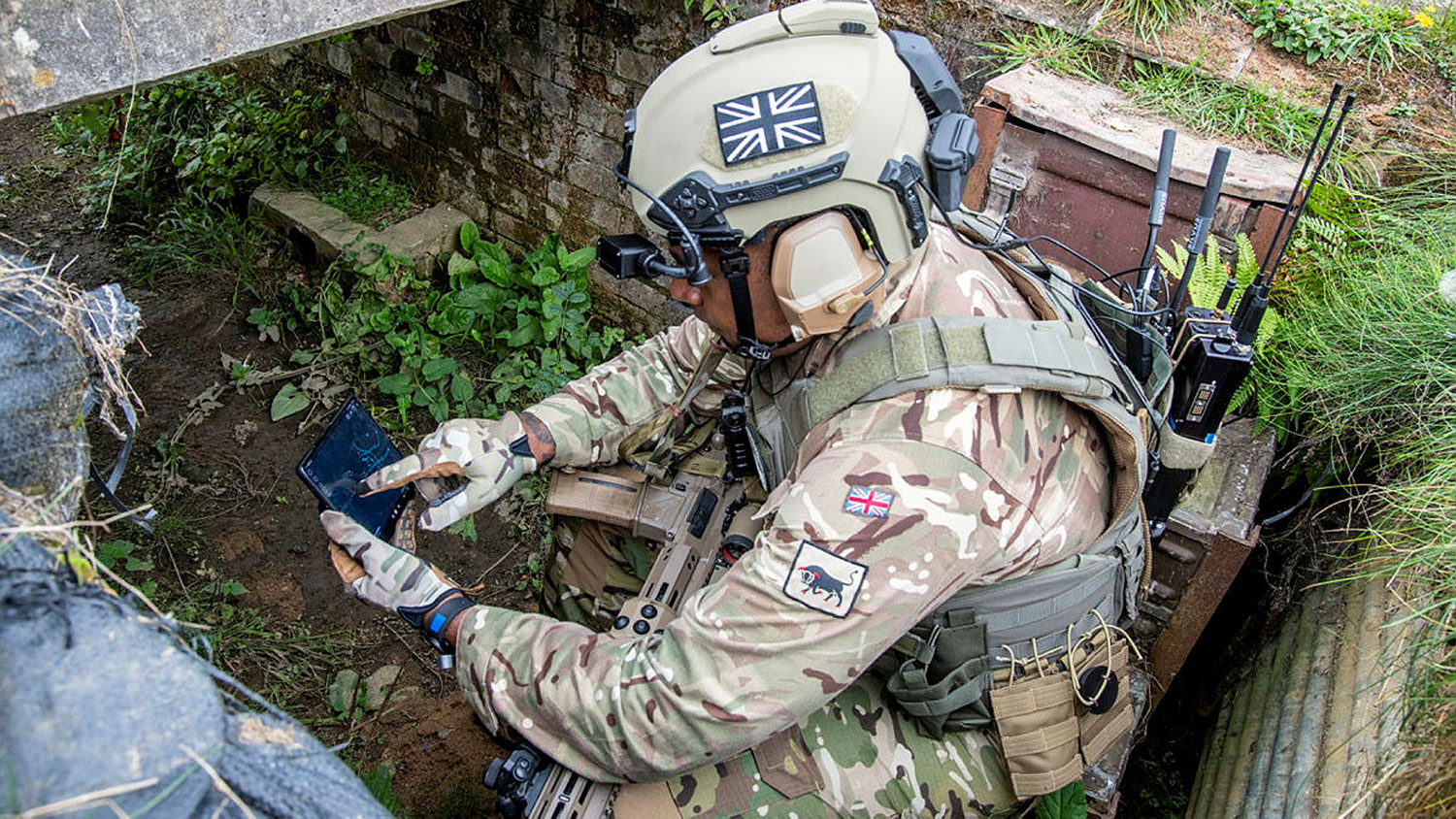
Whether it's the basic business of weapons proficiency, physical fitness, the training of operators and maintainers on the new equipment that they will now be responsible for, or the renewal of qualifications for, say, custodians of explosives, courses will need to be run and attended.
Are the training establishments ready and have they the capacity to deliver these courses in the time required?
What training is required depends of course on what role those called-up will be asked to fulfil.
Yes, there are certainly gaps to be plugged in ships and submarines at sea but there aren't that many ships and submarines that can be put to sea.
As we have seen with our Ukrainian colleagues, new infantry and drone units can be generated in a few weeks.
More technically involved roles may need months of training for people to be competent and effective.
Remember, it's the enemy they're supposed to be dangerous to, not themselves or their shipmates.
None of these problems is insurmountable.
What would help is to really get ahead of the game.
When the balloon goes up, it will be too late
For those of us on a recall list, why not refresh our MEDCAT now?
Renew our security clearances, issue our ID cards and give us a fresh set of uniform so that we're ready to go.
With an eye on a wartime role, we can then start the necessary training.
Of course, all of this needs money and with squeezes on readiness budgets already evident this year, it is highly unlikely that headroom will be found to actually do any of this.
But we should.
When the balloon goes up, it will be too late to start.
We can be ready and we should be ready.
There are no good excuses.
Join Our Newsletter