Trump offers peace plan for Ukraine, but Putin has no intention of accepting
Another week has been hailed as "momentous" for peace between Russia and Ukraine, yet the uncomfortable truth is that we are no closer to ending this war than we were when President Trump entered office in January 2025.
Vladimir Putin has not shifted his position by a single inch.
He continues to show no willingness to compromise and remains entirely prepared to, in his own words and actions, "fight to the last Ukrainian".
Strategy v wishful thinking
The fact that Steve Witkoff and Jared Kushner, two businessmen with no track record in dealing with an adversary like the Kremlin, are being dispatched to negotiate with the Russian president speaks volumes.
This is not diplomacy; it is wishful thinking dressed up as strategy.
Ukrainian president Volodymyr Zelensky was in Paris recently to meet his French counterpart Emmanuel Macron.
French foreign minister Jean-Noël Barrot claimed: "Peace is within reach, if Vladimir Putin abandons his delusional hope of reconstituting the Soviet empire."
That caveat tells you everything.
If that is the condition for peace, then peace is nowhere near at hand.
Moscow's end game
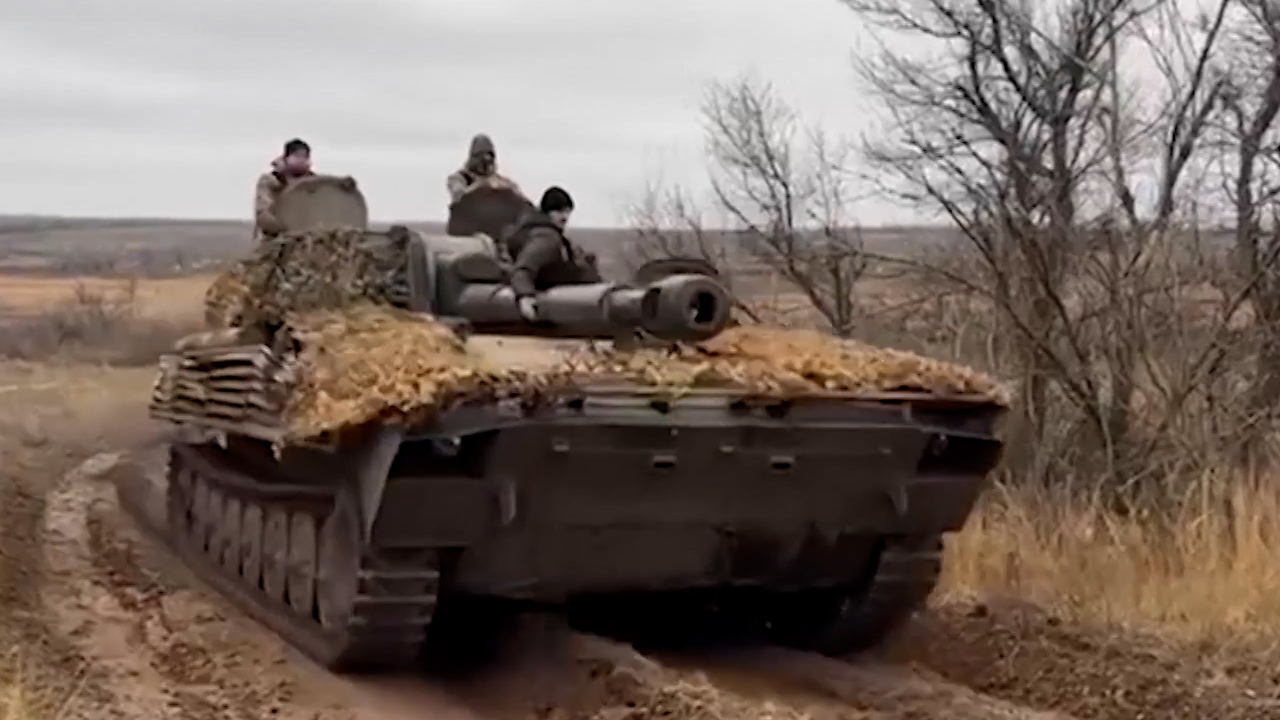
Putin's demands remain utterly unacceptable: Ukraine must surrender the entire Donbas and reduce its military to a token force, effectively inviting Russia to return in two or three years to finish the job.
And this is far from Putin's true end state: control over the whole of Ukraine as part of a broader project to resurrect a Soviet-style empire, precisely as the French foreign minister warned.
I speak regularly with people in Kyiv and Lviv. For them, the Donbas is not a bargaining chip, it is a red line.
Handing it over would immediately condemn hundreds of thousands of Ukrainians to Russian rule, the same people who have endured Russian bombardment, occupation and repression for the past four years – indeed, the past 11.
Zelensky will not abandon them, and nor should he.
Trying to buy, but he's not for sale
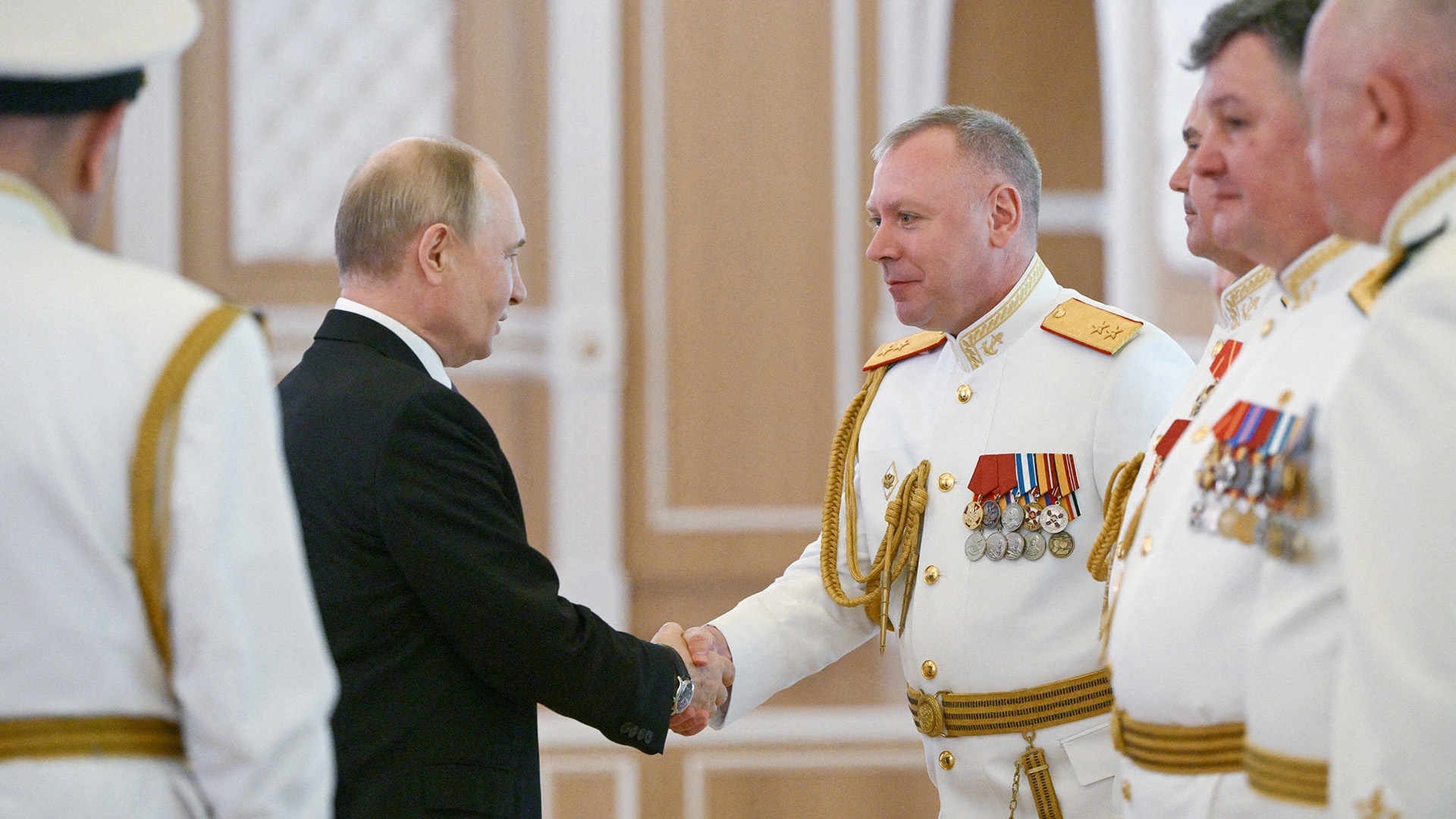
Meanwhile, Trump appears intent on trying to "buy" Putin off.
But Putin is not a man who can be bought. He has more money, more resources and more baubles than Trump could ever offer.
Putin is an ideologue – and ideologues stop only when they are stopped.
The only lever that will bring Putin to the negotiating table is force, or at least the credible threat of it.
We know full well that Russian equipment and manpower are no match for Nato's technology, training and firepower.
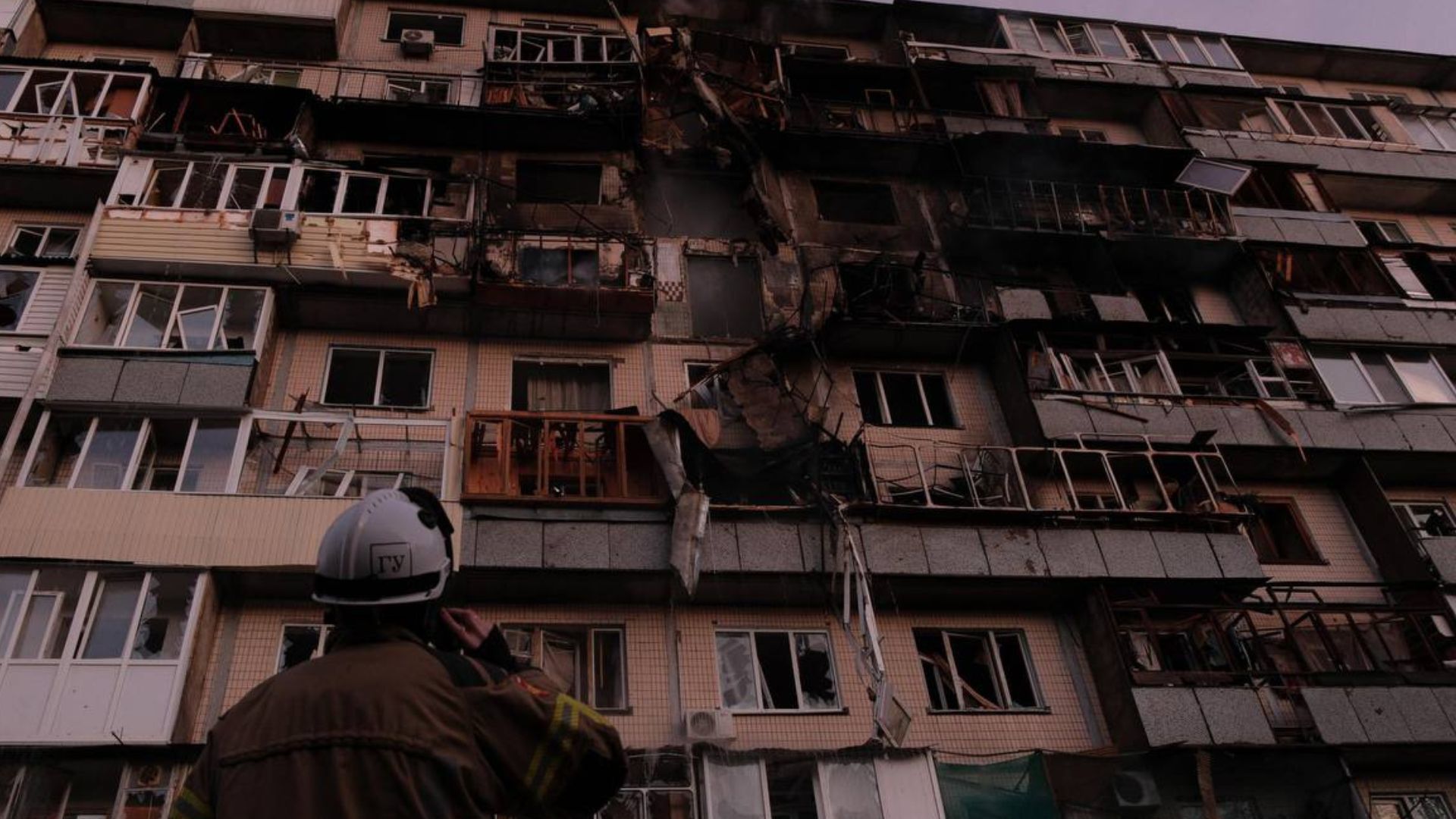
Nato airpower alone – even operating from outside Ukrainian airspace in a no-fly-zone-style posture – could dramatically disrupt Russia's campaign against civilian infrastructure and blunt the Kremlin's strategy of terrorising the population into submission.
Cruelty as a weapon of war?
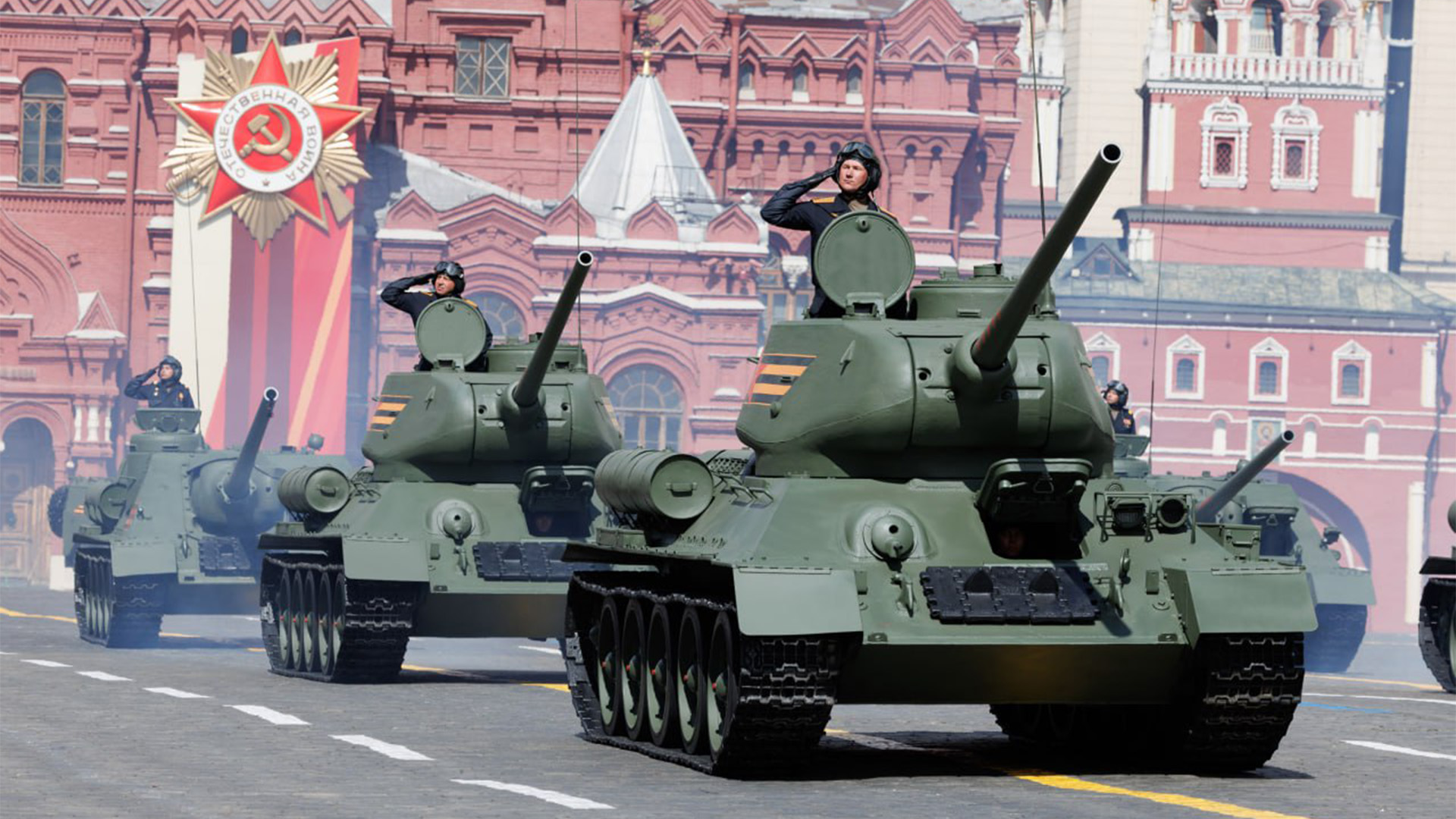
As historian Antony Beevor observed: "With the Russians, conspicuous cruelty is a necessary weapon of war." We see this every day in Ukraine.
The Russian army is effectively clinging on. Yet the Kremlin's propaganda machine, amplified by willing voices in the West, paints a picture of victories that simply do not exist.
The catastrophe at Pokrovsk is a case in point: Russia has lost an estimated 170,000 men in 12 months trying to take a city in which their advance can be measured in yards, not miles.
In the mouth of the tiger
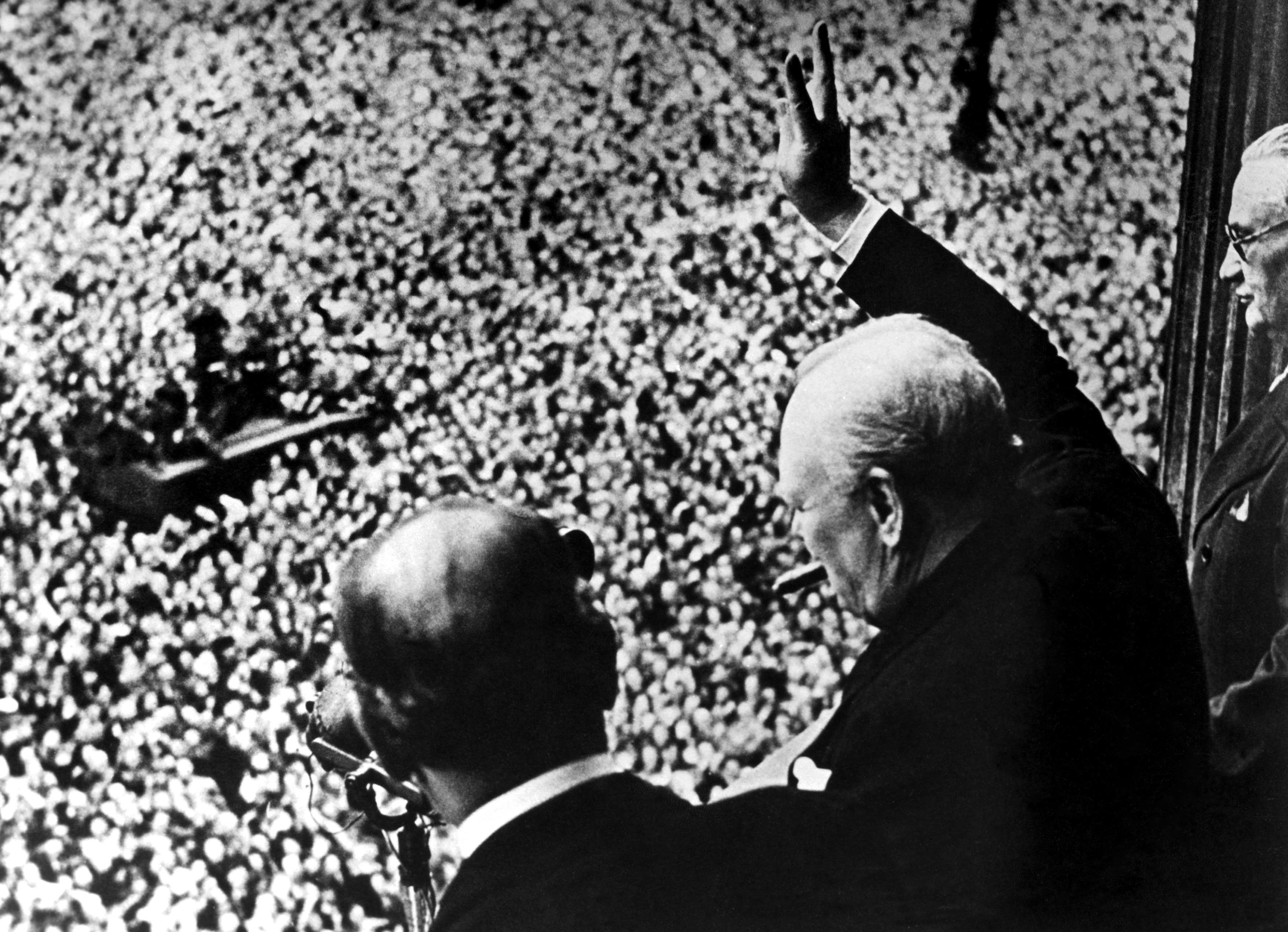
If Trump wishes to emulate his hero Churchill, he should ask himself what Churchill would do now.
In 1940, as Hitler drove west, Churchill famously said: "You cannot negotiate with a tiger when your head is in its mouth."
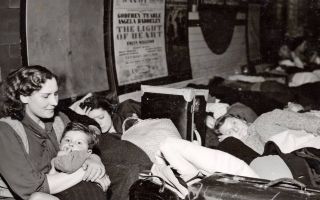
Britain then felt much as Ukraine does today: isolated, facing a ruthless foe with territorial ambitions.
Britain survived because Churchill understood that Hitler did not want peace – he wanted victory – and he prepared accordingly.
Had Britain rearmed in the 1930s, Hitler may never have dared to attack. The same logic applies to Putin today.
Trump must now demonstrate to Putin that he cannot win and that freezing the lines where they are is the very best outcome Russia can hope for.
And he must make clear that if Putin refuses a ceasefire, he risks losing everything.
That, I suspect, is precisely what Churchill would have done.
Colonel Hamish de Bretton-Gordon is a former Royal Tank Regiment officer and commanding officer of the Chemical, Biological, Radiological and Nuclear Regiment.
Join Our Newsletter