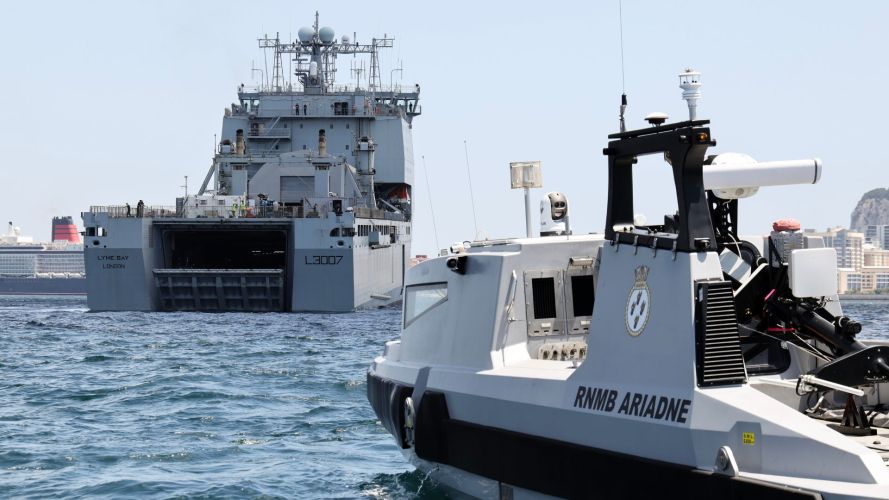

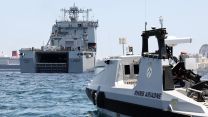
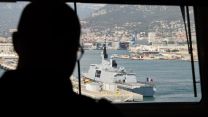
The Royal Fleet Auxiliary ship Lyme Bay has arrived in Cyprus, ahead of a potential mission in the Strait of Hormuz.
Fully repurposed as a minehunting mothership, she is sailing with more than 100 expert minehunting personnel from the Royal Navy, along with a host of remote-controlled minehunting equipment and autonomous systems.
The deployment comes amid growing concerns that the strait, through which roughly one-fifth of the world's oil passes, could remain closed indefinitely if the proposed peace agreement between Iran and the US fails to materialise.
Training to fight
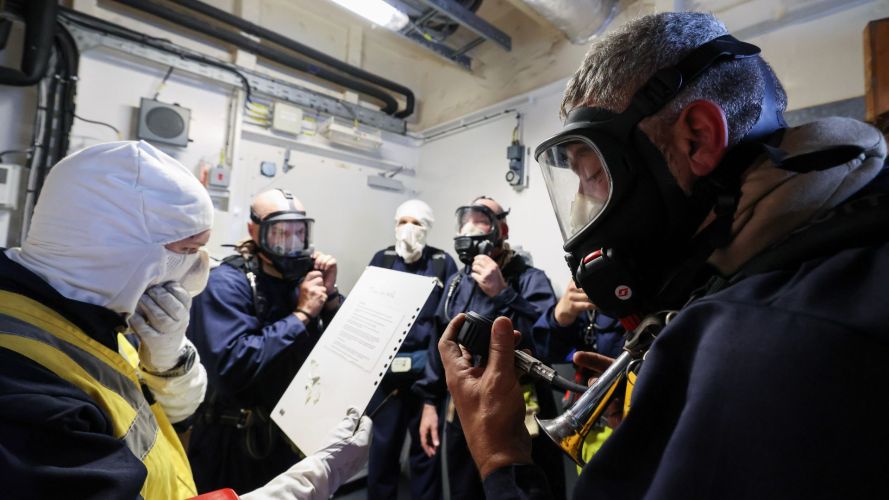
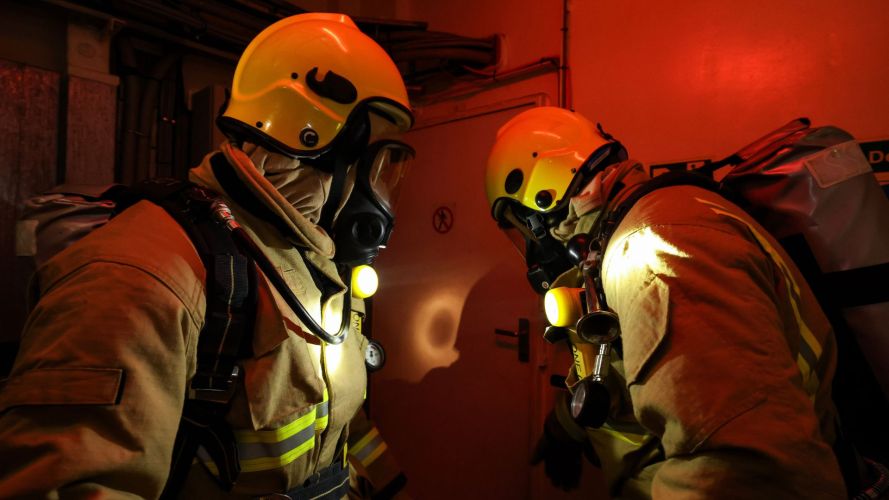
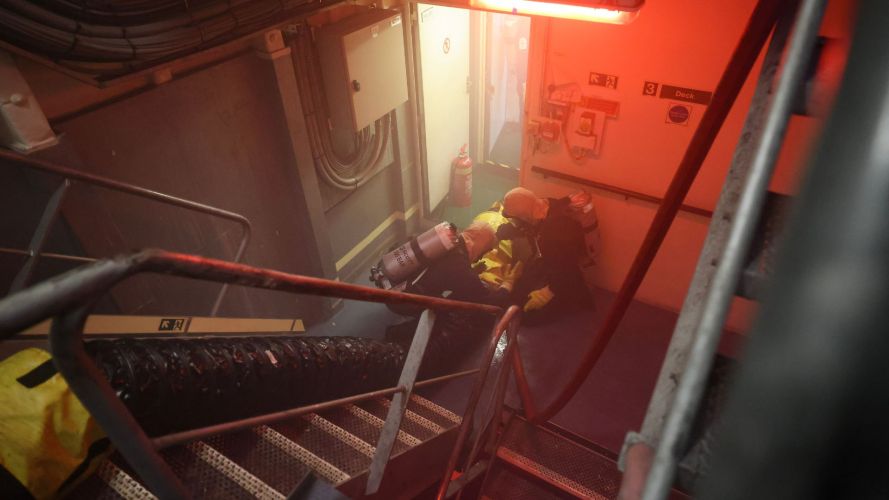
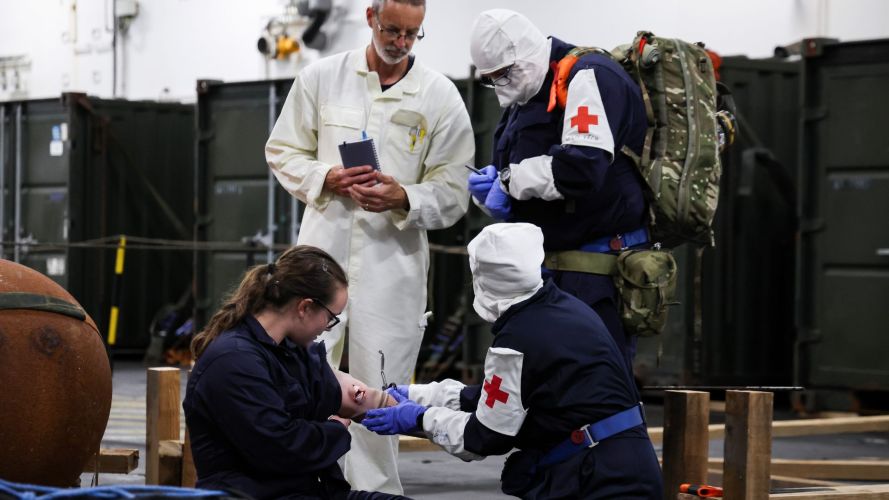
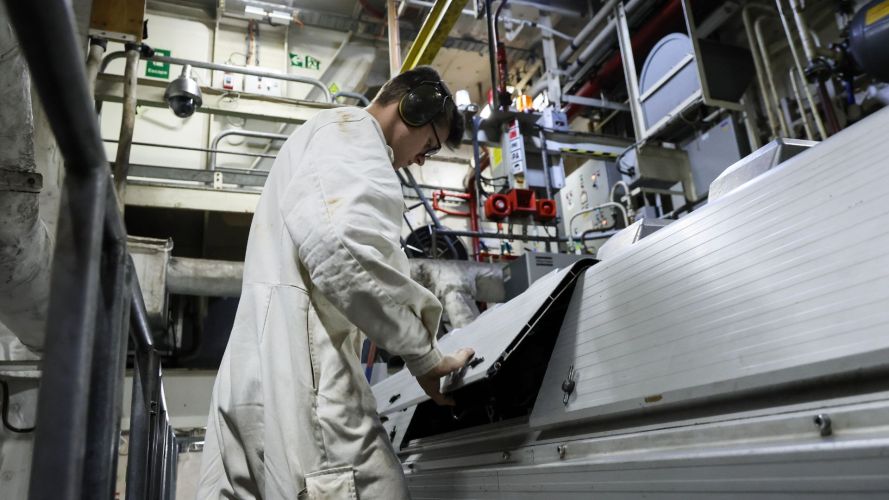
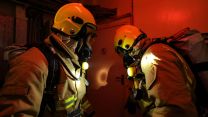
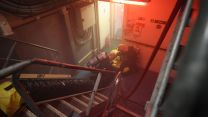
Prior to arriving in Cyprus, the ship's company, comprising around 60 personnel, completed an intensive period of training in the Mediterranean.
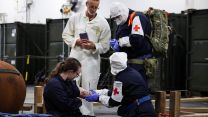
A team of Royal Navy and RFA specialists led training sessions on responding to fires, flooding, equipment breakdowns, and power failures, alongside emergency casualty care training.
"It's testing, it's realistic, but I am really pleased at how everyone has pulled together," Lyme Bay's second-in-command Chief Officer Steven McCubbin said.
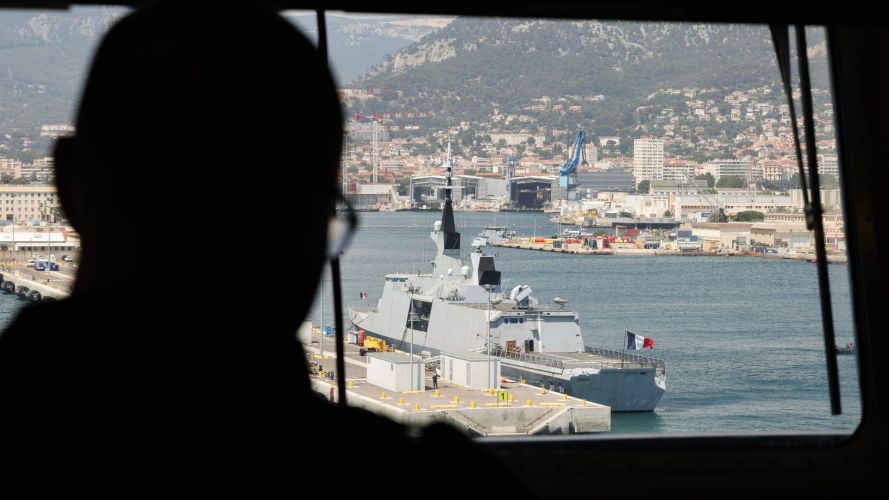
Alongside HMS Dragon – which is currently on deployment in the Indian Ocean – RFA Lyme Bay will play a central role in any future multinational effort to safeguard freedom of navigation in the Strait of Hormuz.
Locked and loaded
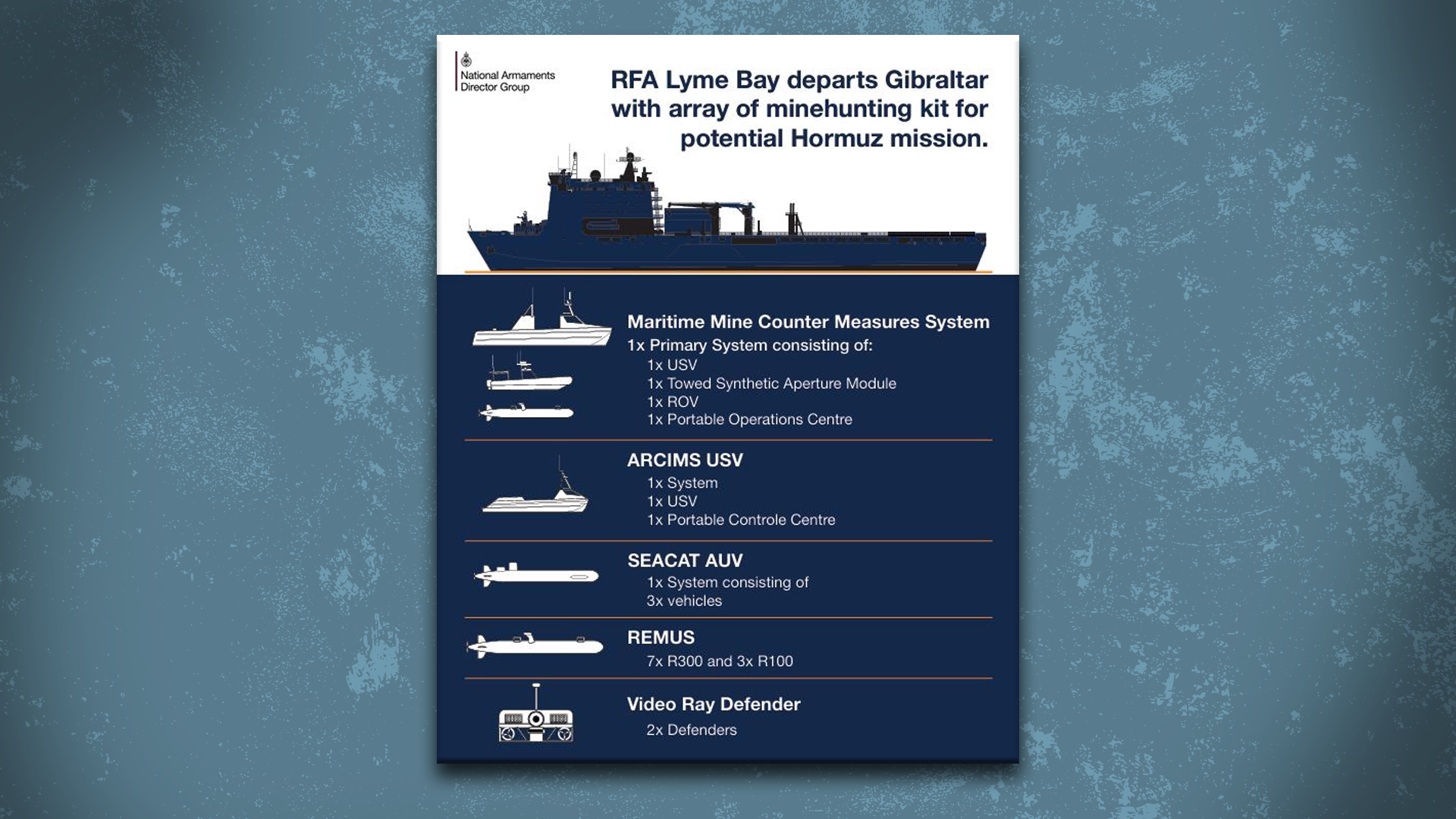
Repurposed as a minehunting mothership, the kit she carries includes RNMB Ariadne, a 12m uncrewed surface vessel (USV), which can carry a sophisticated payload and is operated from a remote command centre.
Other equipment comprises a multi-role crewless boat which can deploy Seacat, the Royal Navy's surface-to-air missile system, an autonomous underwater vehicle that can generate detailed 2D and 3D sonar imagery of the seabed, and the Remus uncrewed underwater vehicle.
Bright yellow, torpedo-like submersibles act as the eyes and ears of the Royal Navy's mine warfare experts. Operating autonomously, they scan the seabed to locate underwater threats while keeping personnel safely out of harm's way.
RFA Lyme Bay is now conducting a crew change, taking on supplies and embarking extra mine warfare specialists in Limassol, on the southern coast of Cyprus.
Join Our Newsletter