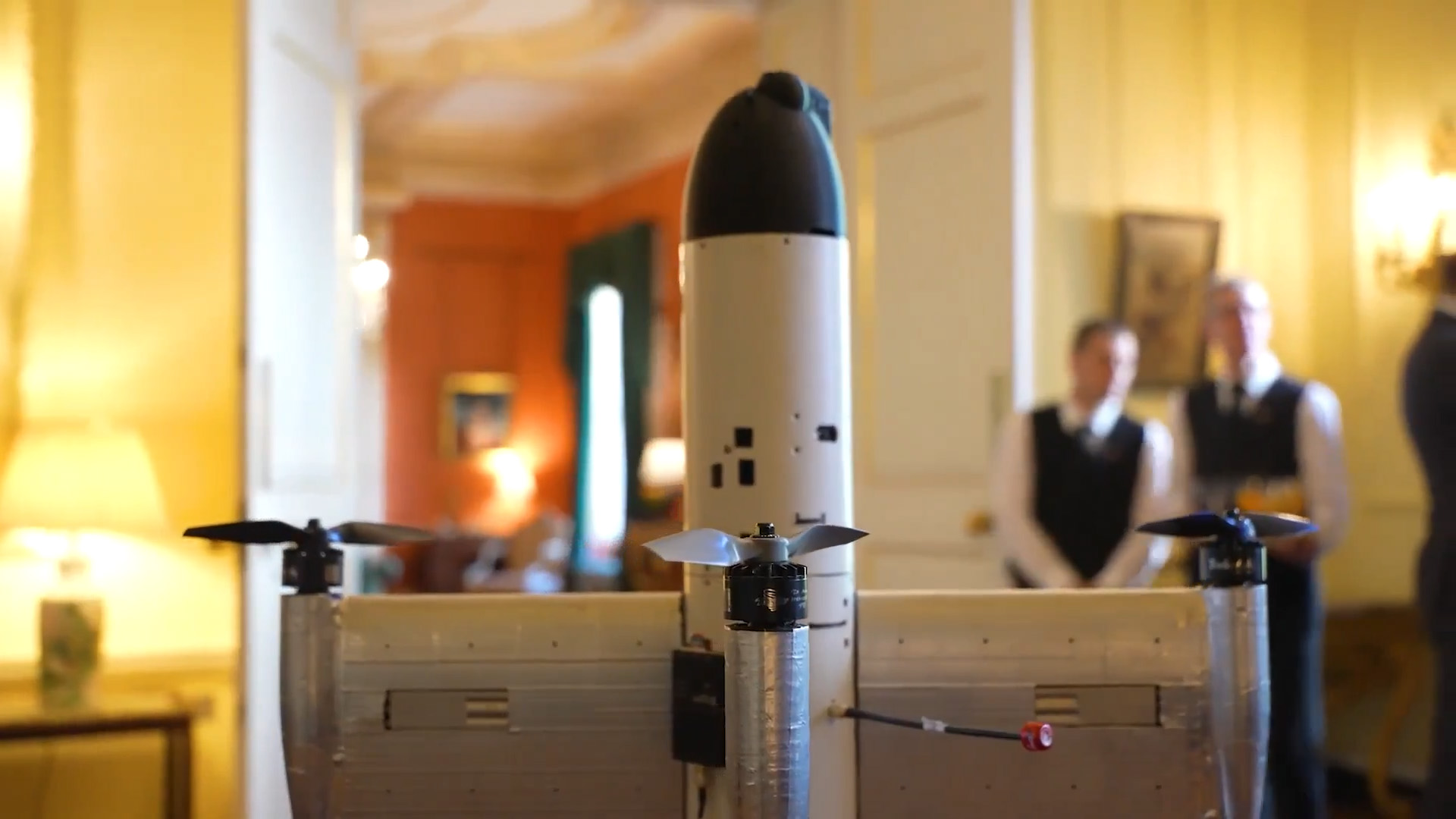
UK supplies drones, so Russia supplies threats – but what action could Putin take?

Russia long ago ceased to be the sort of country that took treaty obligations seriously and, in recent months, it has ramped up its unethical and often illegal greyzone attacks against the West.
Now Russian officials have threatened unspecified retaliation against the UK over Britain's reported supply of drones to Ukraine.
That most likely means greyzone attacks.
A high price to pay?
Britain's dilemma is that in the greyzone anything can be a tool or a target and, unlike military actions, greyzone ones are nigh impossible to predict.
"London's actions will inevitably carry consequences for which it will have to answer," the Russian embassy to the UK wrote after British news media reported that UK-made drones had been used by the Ukrainian military.
"The deeper its involvement in the conflict... the higher the price it will pay," the embassy ominously added.
That high price can be anything.
In recent months and years, the UK has seen arson attacks against warehouses linked to Ukraine and arson attacks on properties linked to Sir Keir Starmer.
Individuals targeted
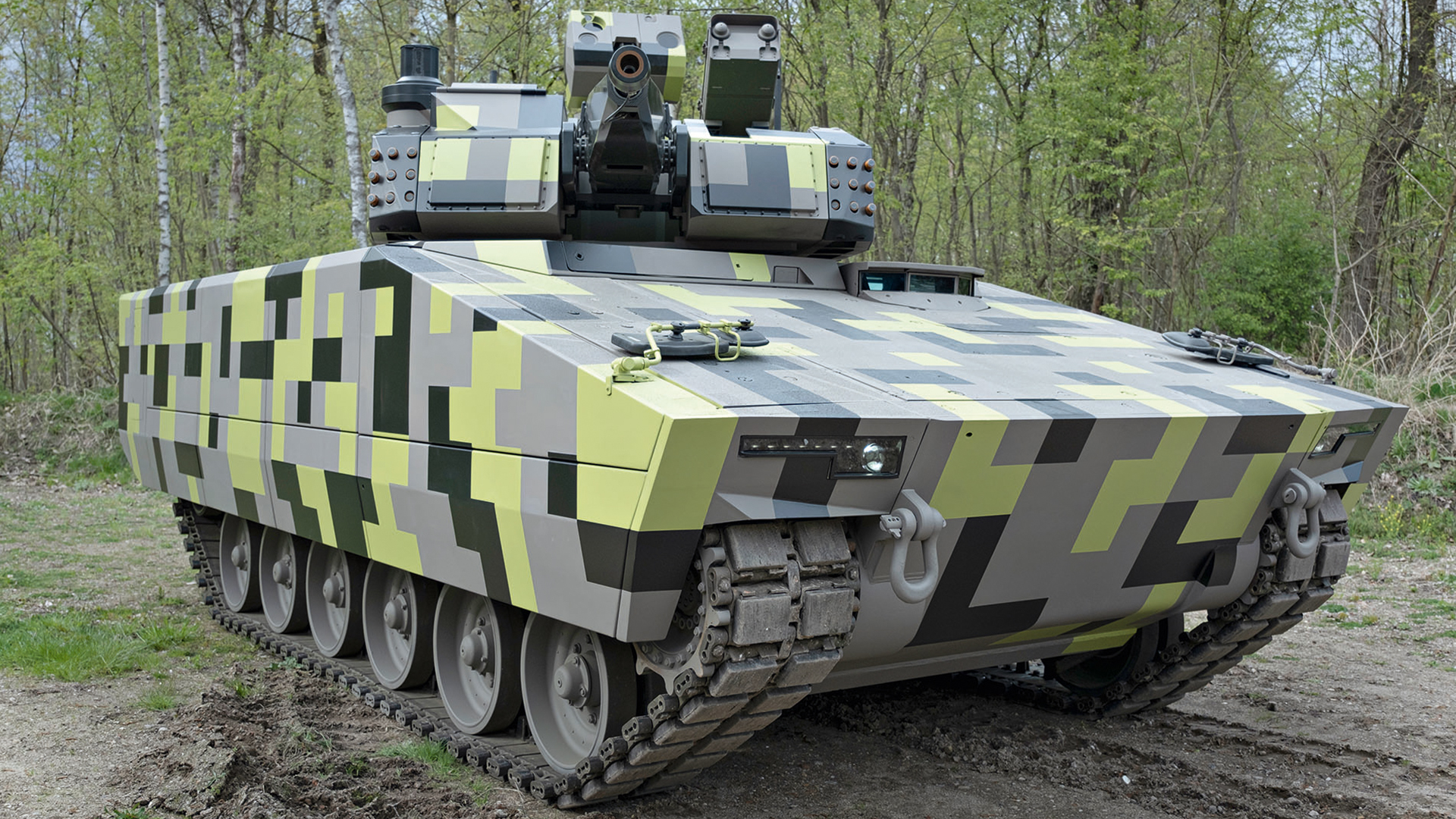
Germany has seen plots against two defence execs, drones with explosives at the Leipzig/Halle airport and parcel bombs destined for DHL planes.
Mysterious drones have circled above a string of European airports and energy installations off the Scottish coast.
There are constant cyberattacks and disinformation campaigns. Governments have attributed most of these activities to Russia.
There have even been plots against individual citizens. In 2024, German authorities uncovered a Russian assassination plot against Armin Papperger, the CEO of Rheinmetall.
This summer, German authorities uncovered an unsettling effort to map out the home, office and daily life of Stefan Thumann, the CEO of the drone-maker Donaustahl, who had announced that his company plans to start manufacturing in Ukraine.
Not even during the Cold War did the Soviets try to assassinate ordinary Western business leaders.
The element of surprise
Which of these tactics might the Kremlin deploy to cause Britain to pay a "high price" for its support of Ukraine?
Possibly none of them, because a country that has decided to specialise in greyzone aggression can keep innovating.
Even though China, North Korea, Iran and a few other countries are also skilled at greyzone activities, in the past few years Russia has been particularly innovative.
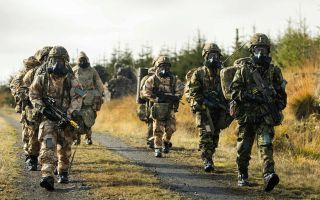
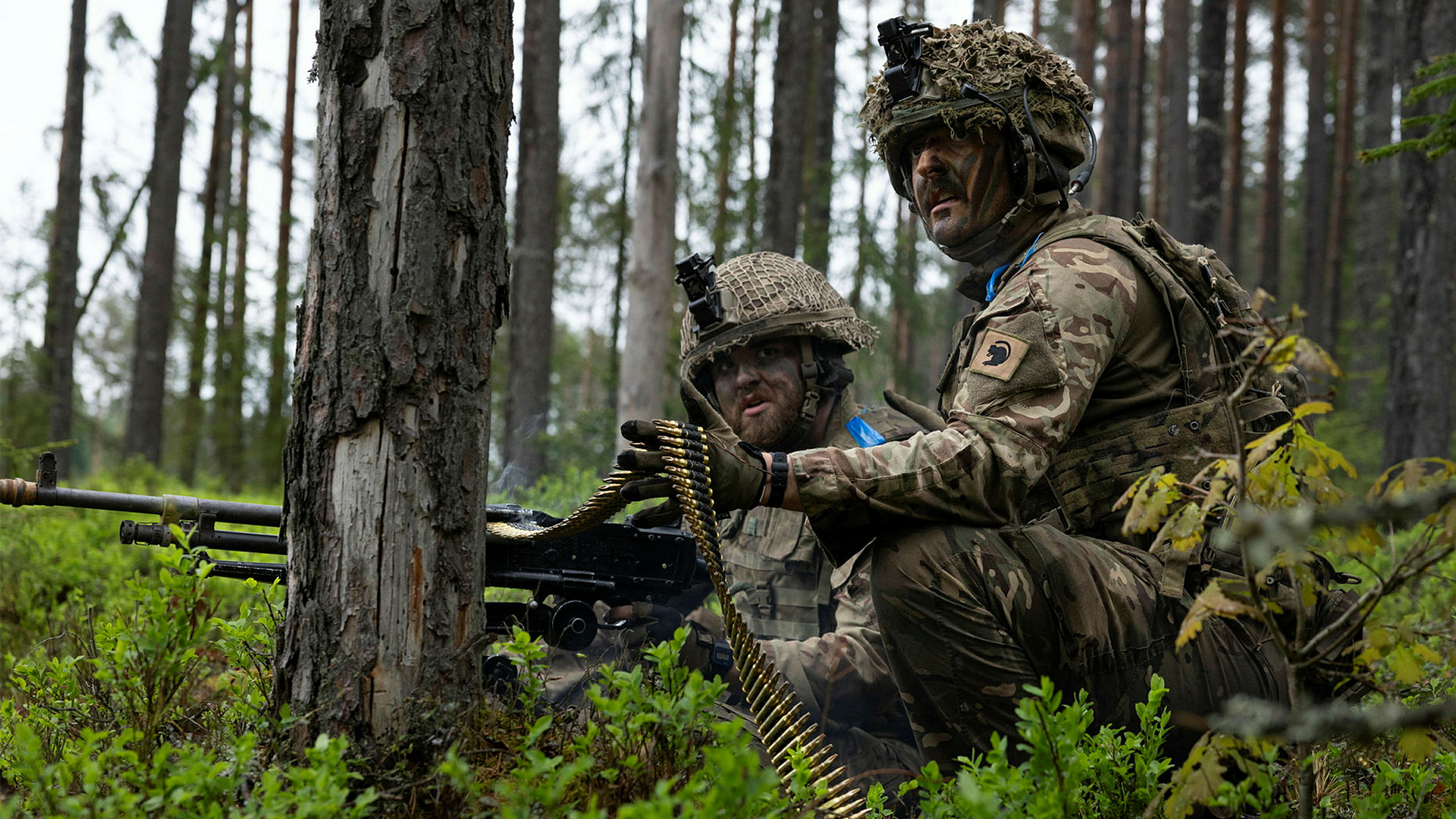
Because Russia is now in the business of targeting individuals, it could set its sights on British soldiers serving in Nato roles on the eastern flank.
It wouldn't have to be assassination plots – Russia has spent years running disinformation campaigns against Nato soldiers in the Baltic
states.
Or what if the Kremlin decided to create an artificial refugee crisis along its borders with Estonia, the way it has already done with Norway and Finland?
In Estonia, Britain is the framework nation for Nato's enhanced Forward Presence – that is, its leading contributor.
Any large crowd trying to cross into Estonia from Russia would naturally be considered a national security concern.
But would it be a case for Nato? Should the eFP soldiers intervene? Hang back? Either way, their response would create controversy, which Russia would then exploit.
I'm not trying to give the Kremlin greyzone suggestions – it's perfectly capable of thinking up such activities itself, and the Kremlin's plans likely feature activities far more sinister than the ones listed here.
The point is that the UK should not stare itself blind at particular activities it thinks may occur.
The nature of greyzone aggression is that the most obvious activities are the ones least likely to occur, because greyzone attackers love the element of surprise.
Join Our Newsletter