MOD under scrutiny by MPs who say the UK must prepare for a more volatile future
The Ministry of Defence must urgently improve its financial controls, procurement processes and ability to tackle fraud as defence spending increases, the Public Accounts Committee (PAC) has warned.
In its annual report, the committee – which scrutinises government spending to ensure accountability, transparency, and value for money – raised concerns around the government's defence decision-making at a time more volatile than at any point in recent memory.
It said: "Our allies and our own military capabilities are frequently under attack, we must keep up with the pace of change needed in modern warfare."
Defence expenditure
The report raised concerns about the department's ability to manage a planned increase in defence expenditure "without significant reform", as the budget is expected to reach £79.1 billion by 2029-30.
It highlighted weaknesses in financial management, including the MOD's failure to provide adequate accounting records for £6.1 billion of assets under construction.
The department also failed to recognise £2.6 billion in expected liabilities relating to compensation claims and costs associated with Afghan resettlement schemes.
The committee warned that existing financial controls may be insufficient to manage planned spending increases, while calling for fundamental improvements to the way the department operates.
Procurement
The procurement process was identified as of "paramount importance" for reform, with the current system described as "far too slow, subject to mission creep, and usually late and over-budget".
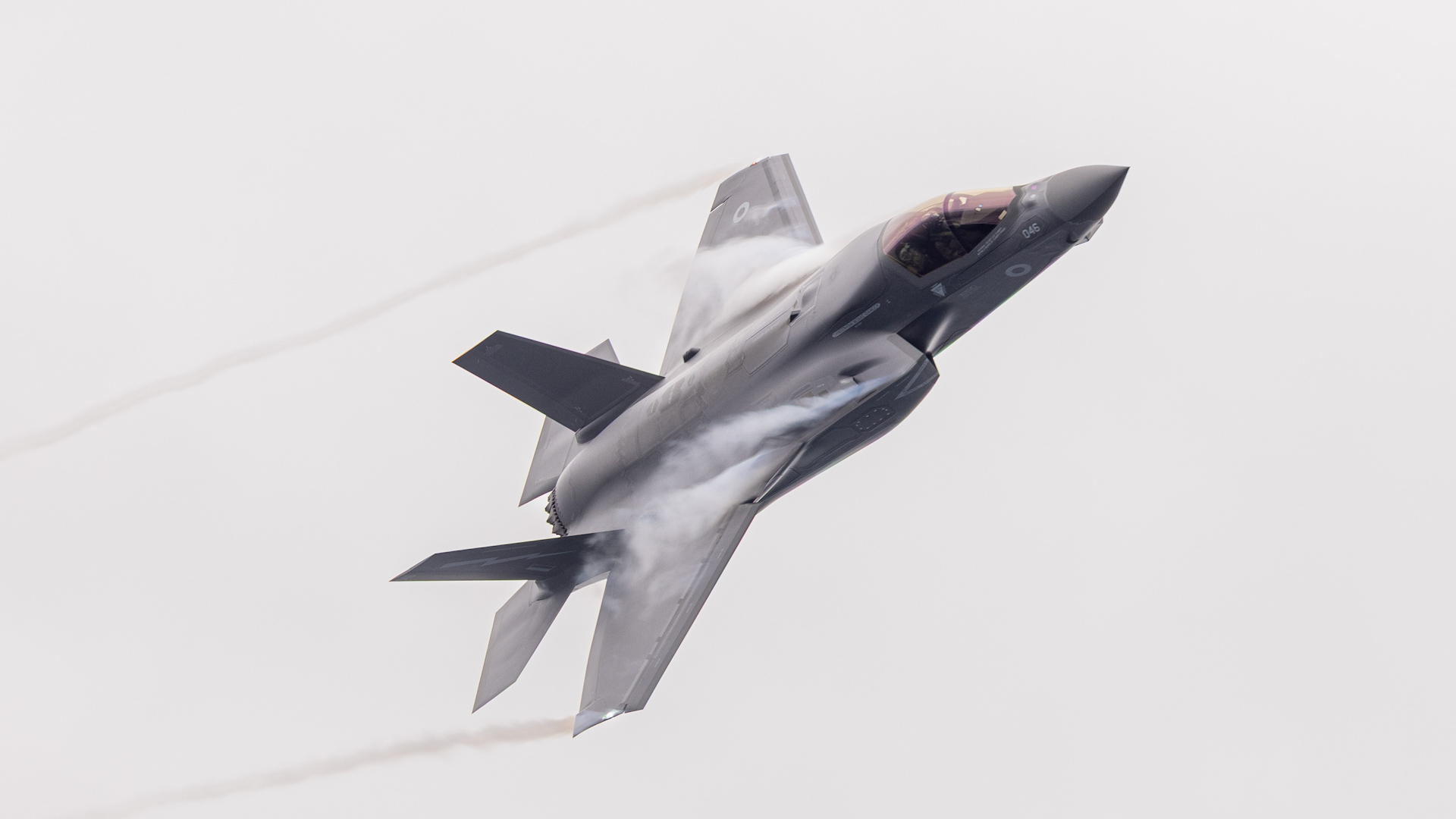
The F-35 programme was given as an example, with uncertainty over future aircraft purchases and inadequate accommodation at RAF Marham creating challenges for planning and capability.
The committee also raised concerns about the delayed Defence Investment Plan, which was published in June 2026 after originally being expected in autumn 2025.
The delay had affected defence industry suppliers, particularly smaller companies, leaving some unable to plan manufacturing programmes, resulting in suppliers going out of business and the loss of critical expertise.
Fraud and economic crime
The MOD is highlighted as being at significant risk of fraud and economic crime because of its high expenditure, complex procurement and workforce split between the armed forces and civil service.
The report said: "The MOD could not demonstrate to the Committee that it was doing enough to protect public funds that should be available to bolster the UK’s defence capability."
The MOD receives hundreds of allegations of suspected fraud each year, but historically relatively few result in detection, disruption or recovery.
According to the report, responsibility for tackling fraud is fragmented across several counter-fraud and police teams, contributing to poor information sharing and ineffective outcomes.
Join Our Newsletter