Pick up the phone: Confidence in whistleblowing not yet consistent as minister shares experience
Confidence in whistleblowing is not yet consistent across defence, a new review has found.
Commissioned by defence ministers, the Whistleblowing in Defence Review gives 13 recommendations across themes including culture and trust, and support and anonymity.
It investigated the effectiveness of existing policies and procedures for raising concerns within the Armed Forces.
It concluded: "Confidence to speak up is shaped less by the existence of policy or routes, and more by culture, trust and leadership behaviour as encountered in practice."
The review also highlighted that there is confusion among users about where to take different types of concerns.
What is whistleblowing?
Whistleblowing is another term for raising a concern, according to officials.
It is usually seen as acting in the public interest to report something that is fundamentally wrong, illegal or endangers others, rather than addressing a personal dispute.
Personal complaints are looked after by the Service Complaint system. They can include bullying, harassment, discrimination and biased, improper or dishonest behaviour.
Veterans & People Minister Calvin Bailey said "we mustn't confuse grievance with criminality".
"If something's illegal, then you call the police, or you activate the service police," the former Royal Air Force officer explained.
Some of the review's recommendations include developing internal campaigns to normalise speaking up, improving transparency about the independence of the confidential hotline, including how operational independence is maintained in practice, and improving the accessibility and usability of whistleblowing policy and guidance with clearer signposting.
In the year 2024/25, 57% of defence whistleblowers chose to raise concerns anonymously, according to Cabinet Office transparency data.
Getting things right when anonymous claims decrease
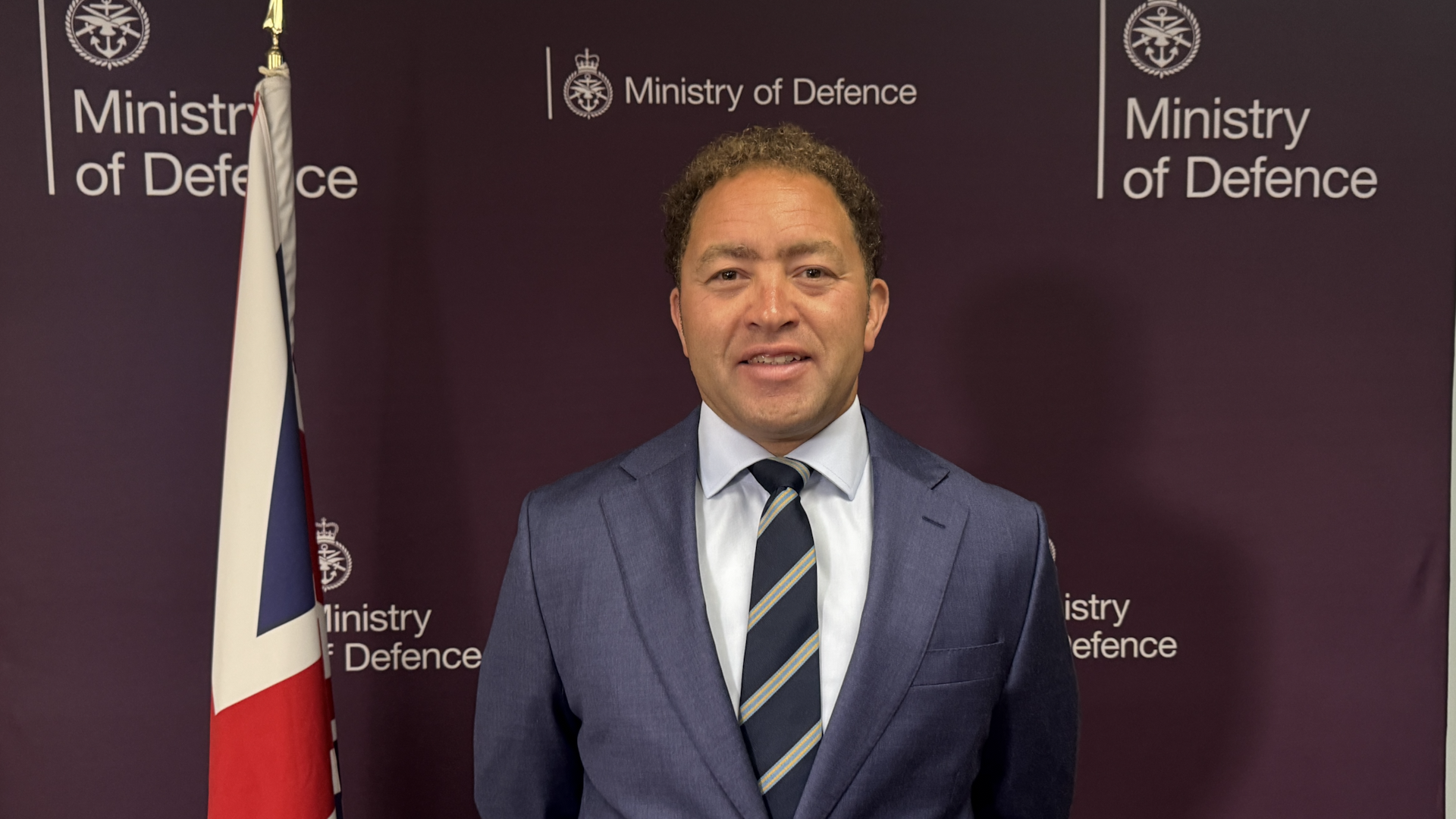
Speaking to BFBS Forces News, Mr Bailey said he'd know "we're getting things right" when the number of anonymous claims reduce, as people become more comfortable saying who they are during the claims process.
Mr Bailey told BFBS Forces News of his own experience of raising a "high level" concern whilst serving in the RAF.
"I felt under a lot of pressure just to press 'send'. I engaged with our chaplains and with the people that were around me…then I worried about the consequences of doing so once I did," he said.
"This is about messaging and about making sure that people know that we are not going to take their security clearance if they raise a concern. That this is not going to impact them, their career or how they will continue their service."
His message to personnel?
"Pick up the phone, raise the complaint, know that you are entering a system that is not going to impact you adversely for having done so. That we're grateful for you having the strength of courage and character to raise a concern.
"That this is actively something that is part of your job to do."
Improving the culture
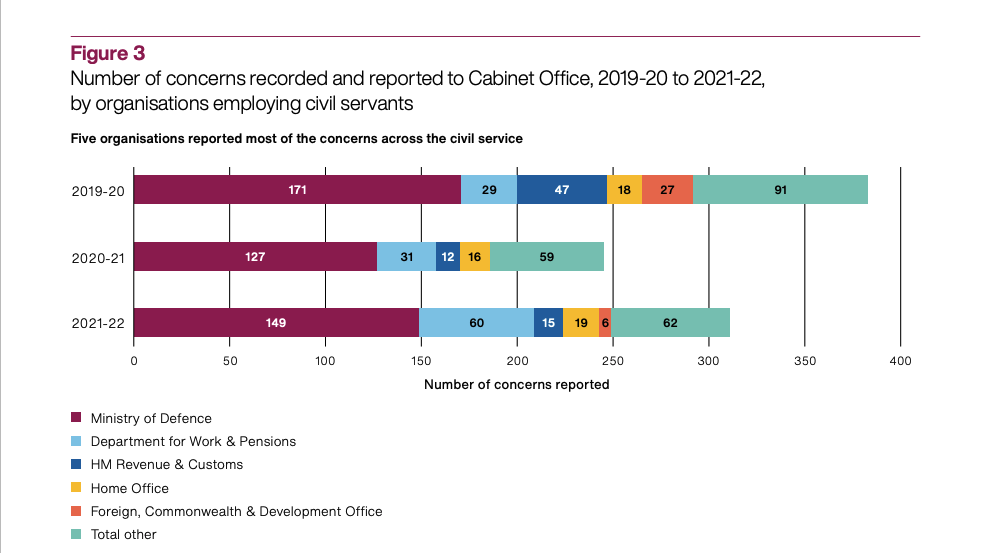
A National Audit Office report from 2023 showed that the Ministry of Defence was the organisation with the most reported concerns across the Civil Service for the previous three reporting years.
When asked about the wider culture in the Armed Forces, Mr Bailey said there was a "broad spectrum of work" the MOD was doing to improve the culture, adding: "We're attacking it from all different places."
On publication of the review, Defence Minister Lord Coaker told the House of Lords the review represents "an important opportunity to strengthen protections for those who work in at all levels in the organisation, and to ensure that defence continues to foster a culture of accountability, transparency and trust".
The review comes after the role of Chief of Defence People, held by Vice Admiral Phil Hally, was abolished in 2025.
An Armed Forces Commissioner was established in April 2026, replacing the former Service Complaints Ombudsman for the Armed Forces.
The MOD's confidential hotline is the main route for whistleblowing concerns for both civil servants and Armed Forces personnel.
You can contact the MOD confidential whistleblowing hotline by calling 0800 161 3665 in the UK or +44 1371 854 881 from overseas.
Related topics
Join Our Newsletter