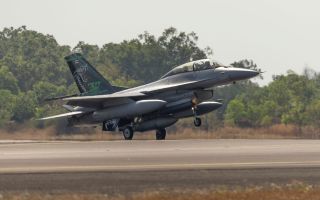
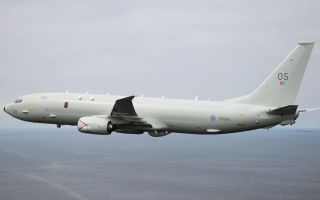
In March, Prime Minister Sir Keir Starmer announced that British forces and law enforcement officers had been given the authority to stop, board, and detain sanctioned vessels from Russia's so-called shadow fleet.
Since that announcement, more than 200 of these sanctioned tankers have sailed through the UK's 200-mile exclusive economic zone. Checked, but so far unchallenged.
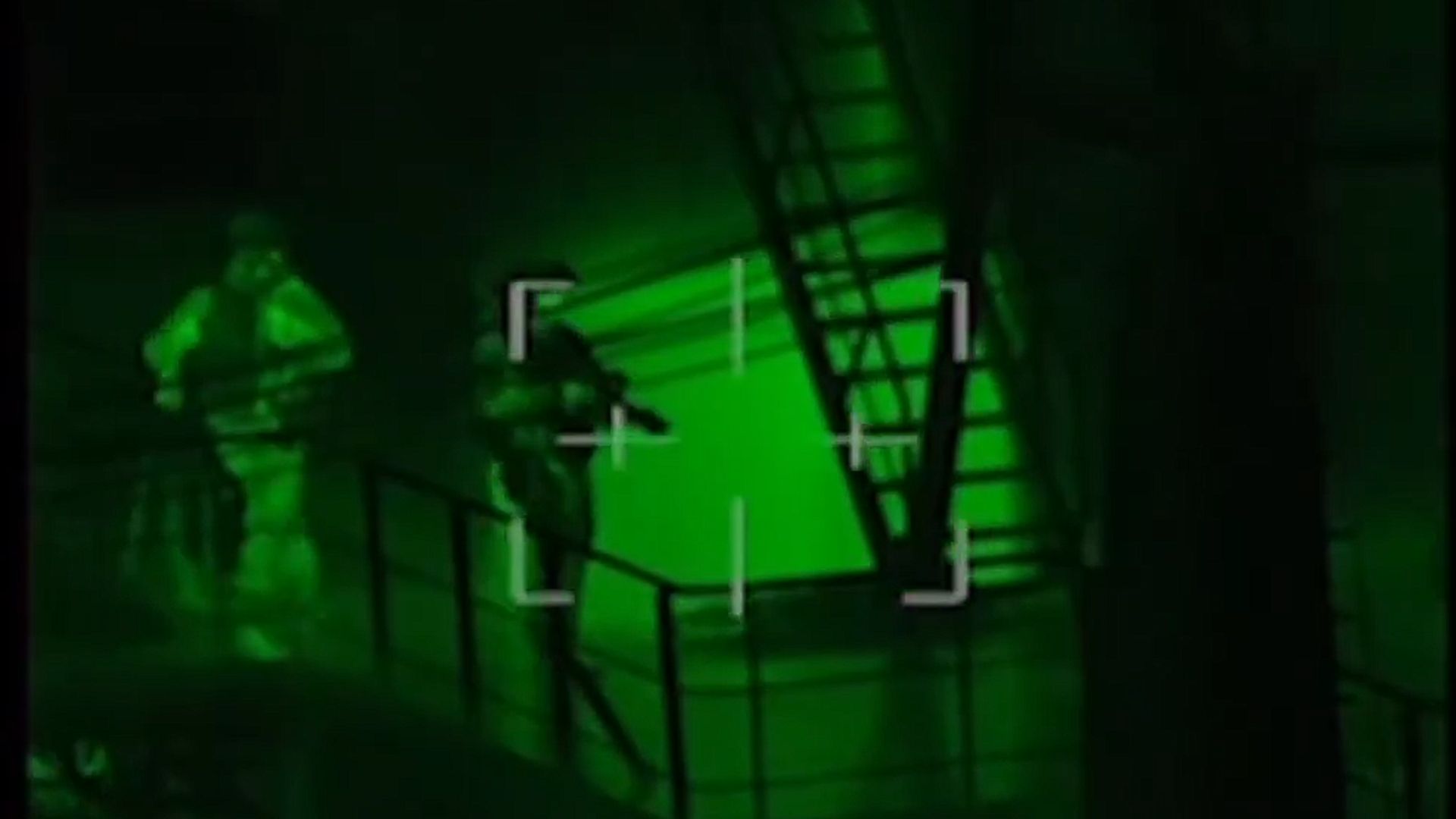
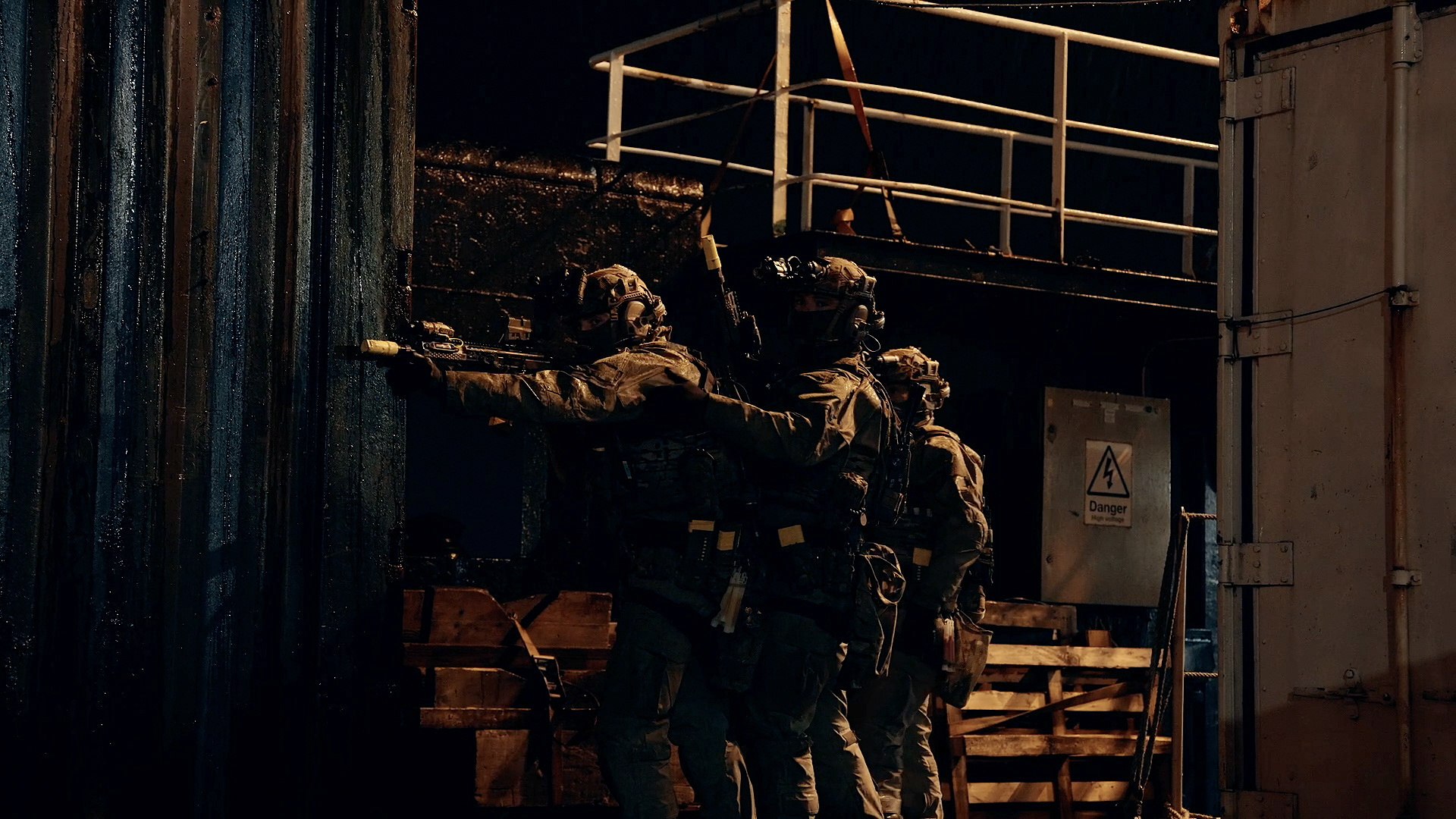
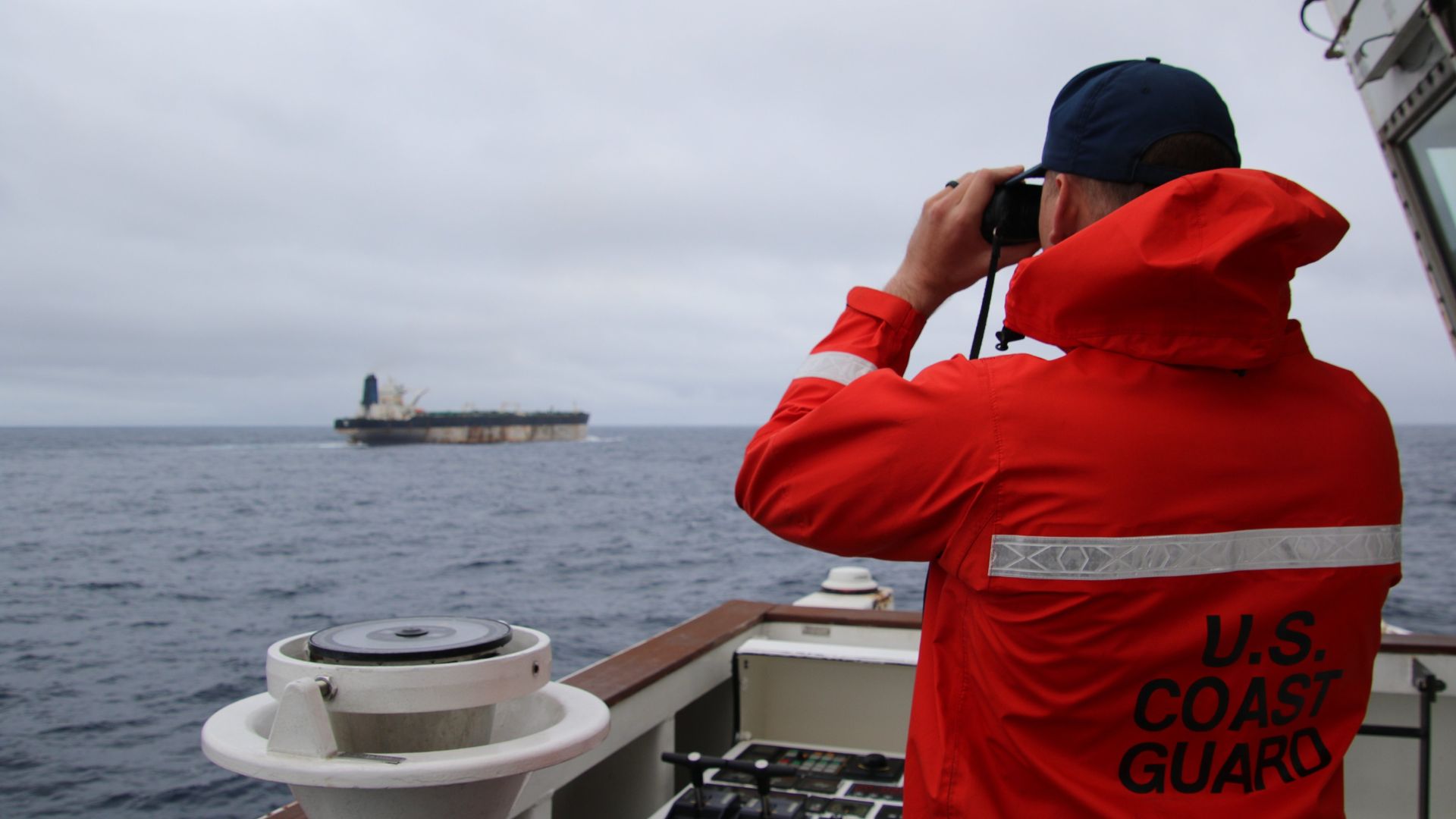
With the UK having recently supported the French-led boarding operation, which saw commandos daringly rappel onto the Russian tanker Tagor some 400 nautical miles west of Brittany, it begs the question.
Given the UK now possesses the legal authority to undertake such actions, why does the UK continue to show reluctance in leading its own boarding operations?
The answer is far from black and white, argues Basil Germond, a Professor of International Security at Lancaster University.
Speaking to BFBS Forces News, he explains the complexities of the law of the seas, the factors at play, and why the boarding of Russia's so-called shadow fleet may pose more risk than reward.
Putin's playbook
To understand the UK's hesitation requires an understanding of the law by which it abides: the United Nations Convention on the Law of the Sea (UNCLOS).
A legal framework governing activity in the world's oceans, it is as dense as it is complex.
Under this law, as Prof Germond explained, there are only a few exceptions under which it is possible to board a foreign vessel, or at least under which it is possible to "build a strong legal case against".
While acts of piracy provide the clearest example, the line begins to fade when it comes to stateless vessels: The modus operandi of Russia's secret shadow fleet, whose ships often operate under false flags – or without any flag at all.
Moreover, by frequently disabling tracking systems or manipulating GPS to hide the true origin of their cargo, they aim to skirt around international sanctions.
Hiding in plain sight, for want of a better term.
"When it comes to territorial waters, states can also apply their domestic laws," Prof Germond continued. "So, if a vessel is under domestic sanctions, there is a case to make that you can board and inspect."
However, he emphasised that matters are never that straightforward under UNCLOS.
In the context of sanctioned vessels transiting much of the wider English Channel – an international strait – there exists a recognised legal right of transit passage.
At its narrowest point, such as the Strait of Dover, foreign ships are granted the right of innocent passage through these waters under international law, provided they travel continuously and expeditiously without threatening the peace, security, or coastal state laws.
But ultimately, "there are lots of parameters at play we have to take into account before making a decision to board a foreign vessel," Prof Germond continued.
"And those parameters might be linked to the vessel itself regarding their flags, the way they have been registered and the paperwork."
Unmasking the aggression
So why the hesitancy, in contrast to France's readiness to act? There are several reasons, suggests Prof Germond, who takes an "overstretched" Royal Navy as his starting point.
But he continues, the issue also lies in the UK's institutional structure.
Unlike France, the UK does not have a dedicated criminal enforcement coast guard or agency, meaning it's more "difficult to set up a long-term enduring force or mission to systemically deal with shadow fleet vessels," he explained, adding this extends to its monitoring, intelligence and investigative capabilities.
He also added that French president Emmanuel Macron has been more willing to be public about boarding operations aimed at the shadow fleet.
Particularly on X, Mr Macron has held an increasingly assertive tone.
"Our determination is steadfast and unwavering," he declared shortly after French forces seized the Tagor.
"We will not tolerate any violation," he exclaimed, following the boarding of Russia's sanction-busting tanker the Grinch at the beginning of the year.
It is as much a direct message to President Putin as it is a demonstration to the rest of the world.
Funding the frontline
A risk of escalation is another significant concern – both politically and militarily – particularly if the legal basis for action is weak, he said. He pointed to Russia's practice of escorting its tankers with naval assets as a development that could further increase tensions.
The most important question he proposes is whether the risk is worth taking, made all the more complex by the shadow fleet's inner workings, wrought with secretive criminality.
"It is enabled by willing captains because they make a lot of money. It's enabled by the systems of the open registries, by the complexity of international law of the seas, and it's also backed by foreign powers like Russia, Iran, and others."
According to the Centre for Strategic and International Studies (CSIS), the shadow fleet generates an estimated $87bn to $100bn in revenue per year, directly fuelling Moscow's war machine.
For context, this value has matched, if not exceeded, the total economic and military assistance provided to Ukraine since the start of the war.
"So the question is, if we start boarding some of these vessels here and there, is it going to be efficient to have an impact on the overall business of the shadow fleet?" he asked.
"If the answer is not a clear-cut yes, then you have to balance that with the risk we might take in terms of escalation, and I think that's exactly what the UK government is doing."
The bigger picture
But his most important point, Prof Germond continued, is for the UK Government to demonstrate itself as a guarantor of the rules-based, stable, global maritime order.
A framework actively upheld by Western alliances and Indo-Pacific partners, and challenged by revisionist powers such as North Korea and Iran, and non-state actors like the Houthis, it seeks to preserve freedom of navigation, preserve natural resources, and find a peaceful resolution to disputes among nations.
"If this is a clear foreign policy objective of the UK, it would perhaps be dangerous to set up a precedent for boarding vessels, for example, in the English Channel, with some sort of wobbly legal case behind it," Prof Germond said.
"That would impact our reputation as the guarantor."
Ultimately, he summarises that there is importance in treating all of this "very carefully".
"Even if we had all the resources we wanted in terms of warships and naval assets, what do we want to make of that? What do we want to do in the Strait of Hormuz? What do we want to do in the English Channel?" he said.
"What is really in the interest of the UK, in terms of national interest, but also the interest of the population in terms of energy prices?
"It's a very complex equation. And that's why I think that the decisions that have been made so far have probably been very difficult, based on this assessment of the various factors at play."
Related topics
Join Our Newsletter