Suspect tanker boarded at sea – find out how these operations are carried out
If the military wants to stop a tanker at sea– speed is everything.
Forces have to take charge before the crew can react.
The priority is always the same– take the ship's bridge and control rooms. So how do they do it?
Airborne delivery
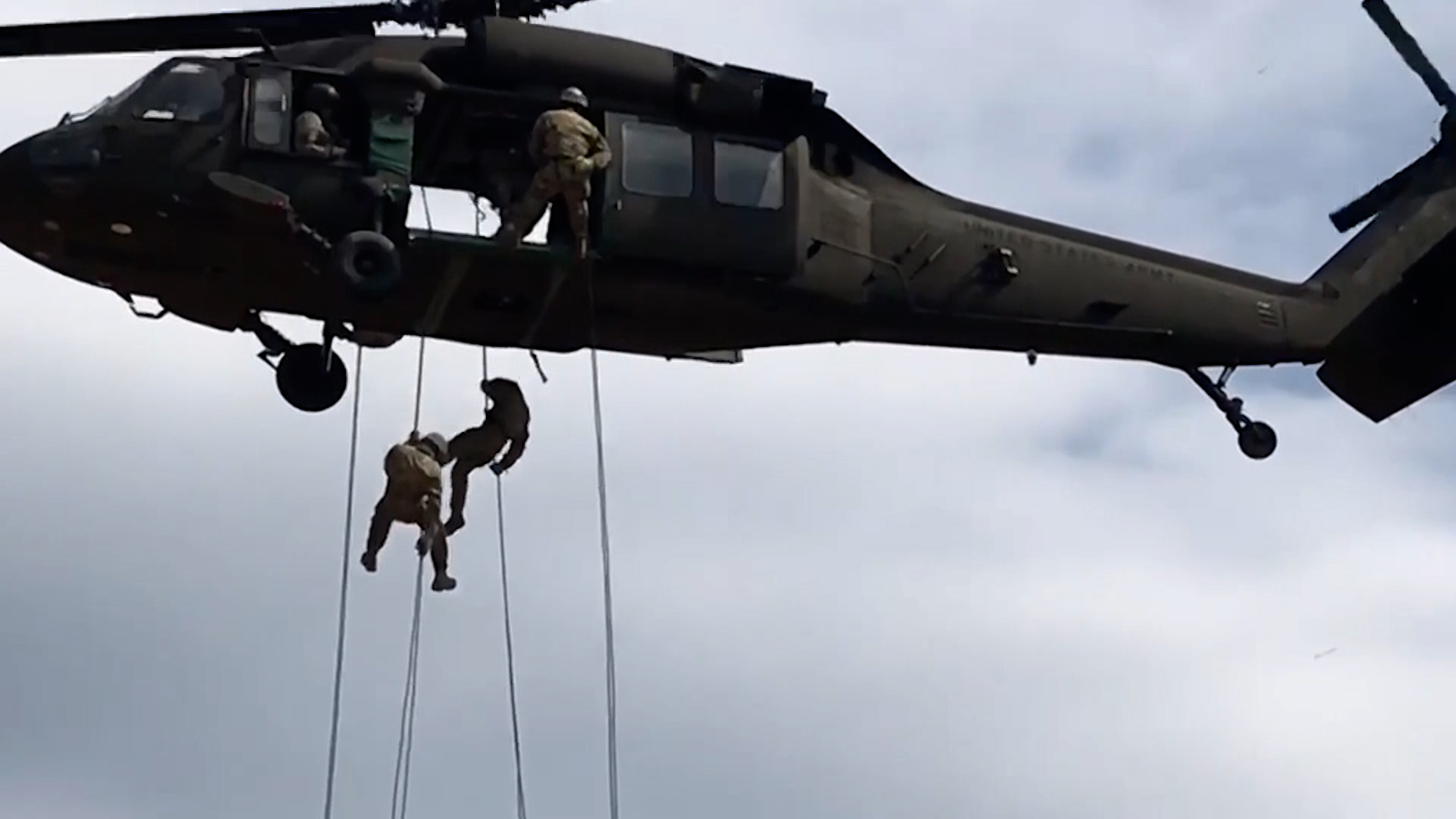
One of the fastest ways onto a tanker is from the air.
In this case, the US Coast Guard, part of the US armed forces, used Black Hawk helicopters to gain access to the tanker MT Olina.
The teams fast-roped down, hitting the deck in seconds.
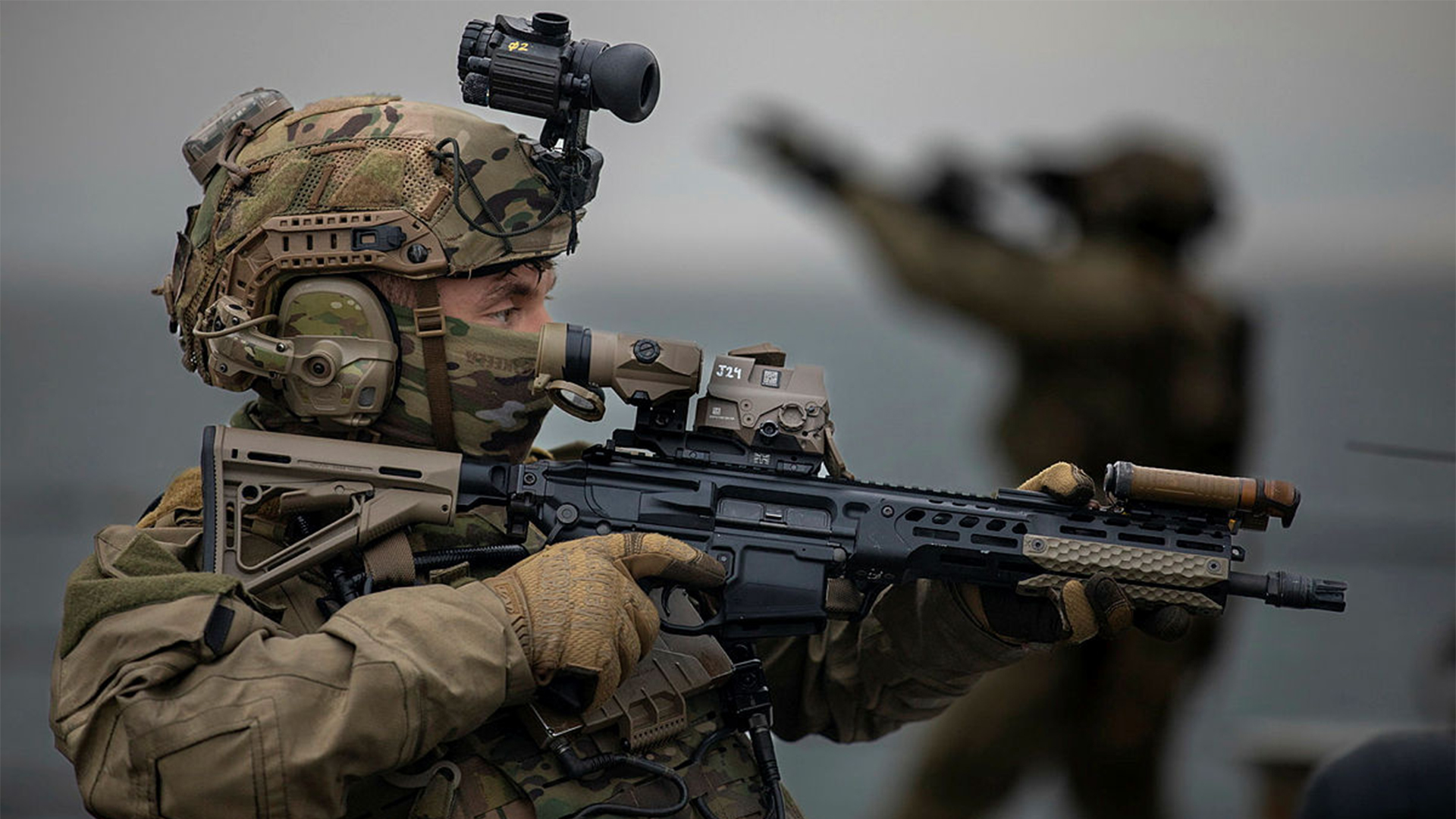
They then moved towards the ship's bridge, where they threw a stun grenade outside the bridge wing door to disorientate anyone inside.
Seize the bridge
Once the bridge is secure, the team commander will remain in place to oversee the operation.
Other teams would split off to seize the engine room and cargo control room – removing the crew's ability to manoeuvre the ship or interfere.
Non-essential crew would then be gathered together and identified.
Why board at all?
Boarding allows the teams to search the vessel and seize computers and logs. Those can reveal previous ports of call, cargo carried and crucially, ownership details.
That matters because shadow fleet tankers are known to change names and flags to confuse tracking systems.
What they can't change is their International Maritime Organisation number, which is unique to each ship. This is their real identifier.
Other ways to board
Fast-roping is the quickest way to board a vessel rapidly. In the Armed Forces, 42 Maritime Operations Commando Royal Marines practise these skills routinely.
If there were a hostage situation, then the task may fall to the Special Boat Service.
But if the deck is obstructed, then alternatives must be considered.
Teams can abseil from height – this is slower, but more controlled.
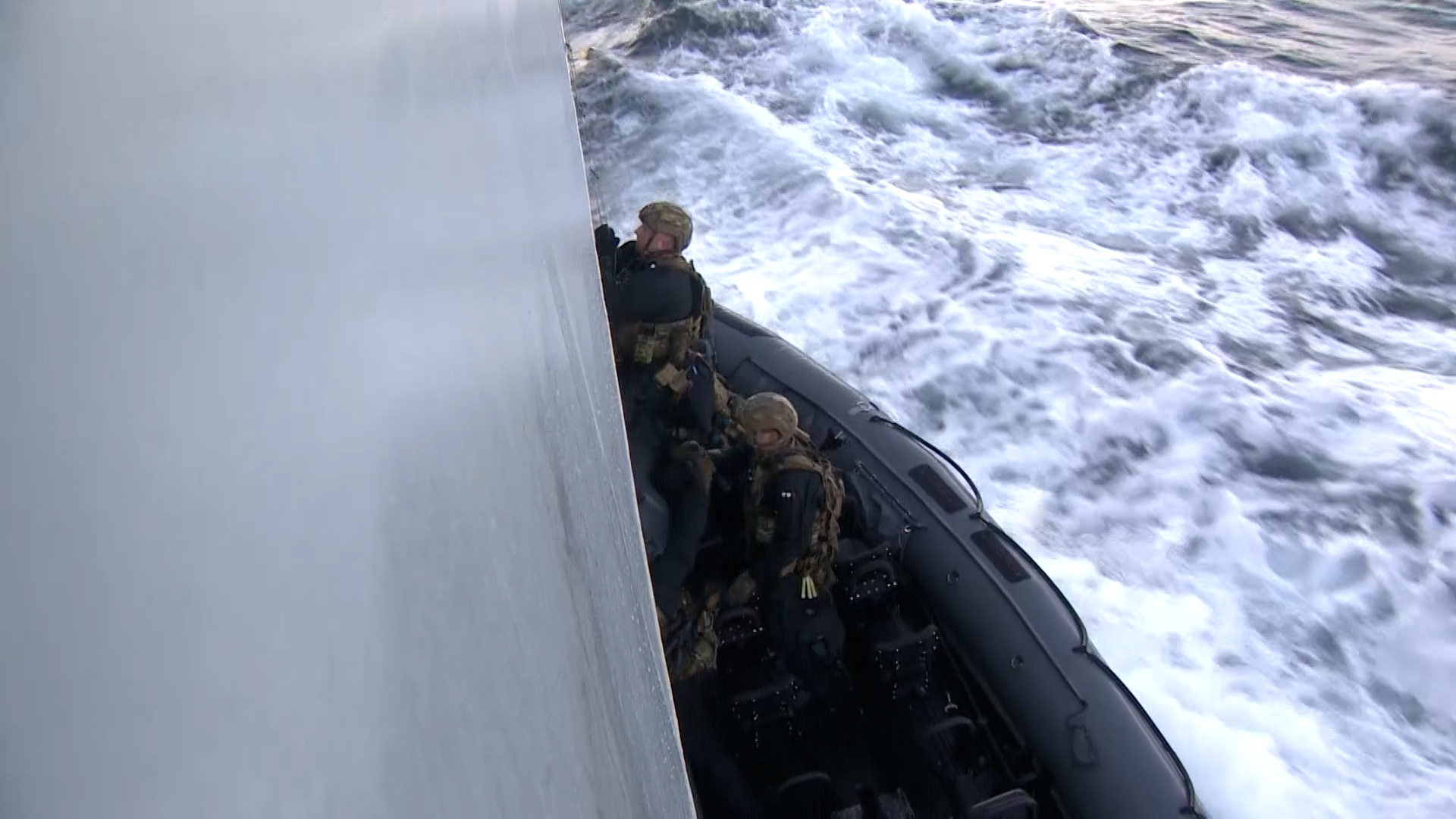
Another option is approaching by sea using rigid inflatable boats. This is again slower and requires the team to climb boarding ladders.
But that is physically demanding for troops carrying weapons and breaching equipment.
It also carries the constant danger of falling into the sea.
Compliance or force
Most boardings rely on a degree of cooperation from the tanker crew. A warship positioned nearby on overwatch is often used to ensure this happens.
But not every boarding operation is straightforward.
Some tankers are intercepted and tracked for days before a boarding team sets foot on deck.
Take the case of the MV Bella 1– the US Coast Guard initially intercepted the unladen tanker in the Caribbean, but did not board it.
Why? Possibly due to the presence of armed guards or Russian nationals on board.
US Coast Guard ship USS Munro then followed the tanker across the Atlantic before intercepting it as part of a much larger operation.
It involved two US Arleigh Burke-class destroyers and the Royal Fleet Auxiliary tanker Tideforce.
The US also had four Little Bird helicopters, which had been flown in by C-17 aircraft.
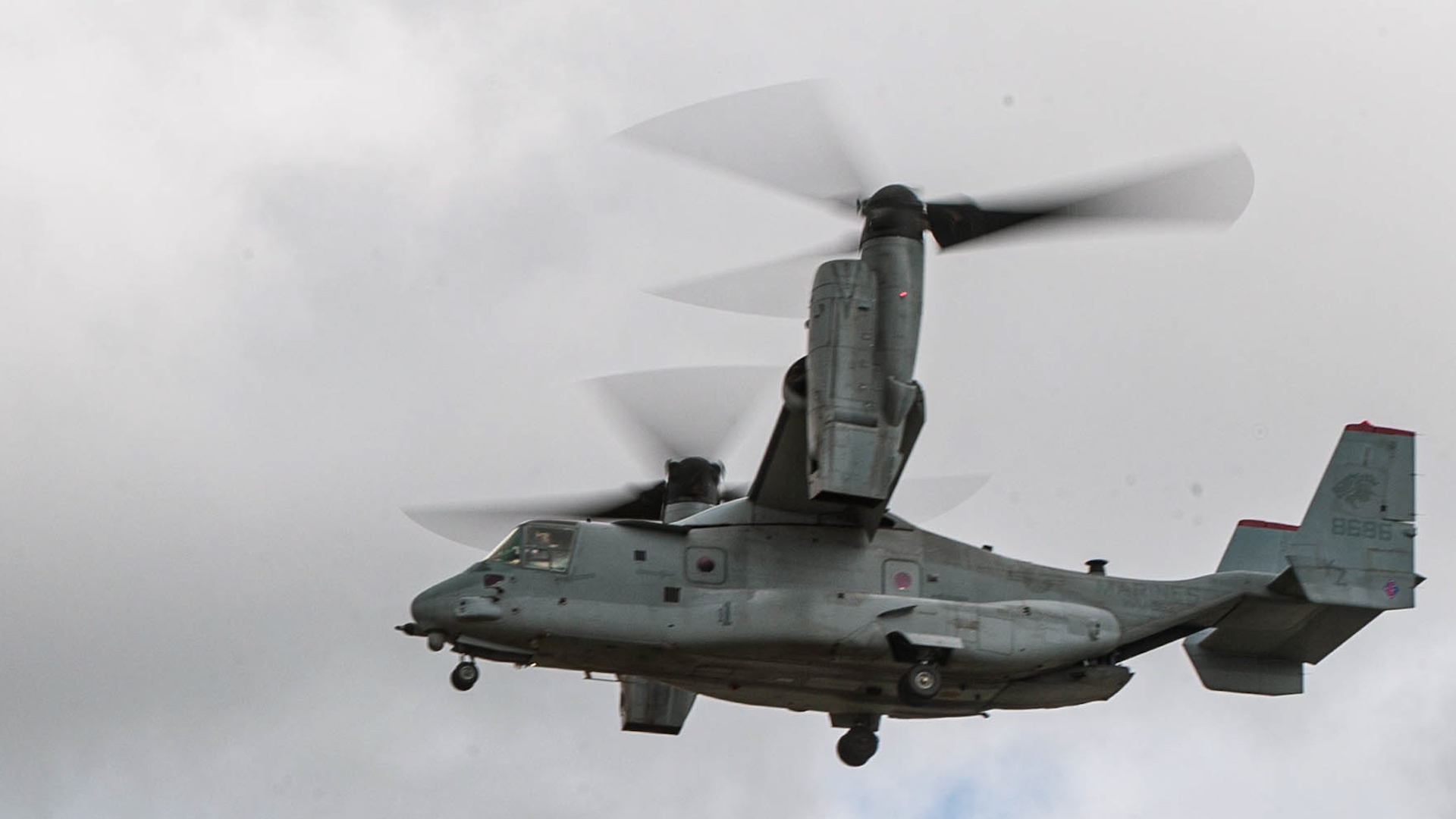
And US Ospreys were spotted at airports in the Outer Hebrides off the Scottish coast, possibly as a quick reaction back-up force for the boardings.
Related topics
Join Our Newsletter