Red Storm Rising: The 40-year-old WW3 novel that could still be predicting the future
Forty years ago, a Tom Clancy novel imagined stealth aircraft, attacks on satellites and a full-scale war between Nato and Russia.
The unsettling part is how much of it still feels plausible today.
Red Storm Rising was so influential when it came out that Ronald Reagan recommended to Margaret Thatcher that she read it to understand the Soviet mindset.
A non-nuclear Third World War
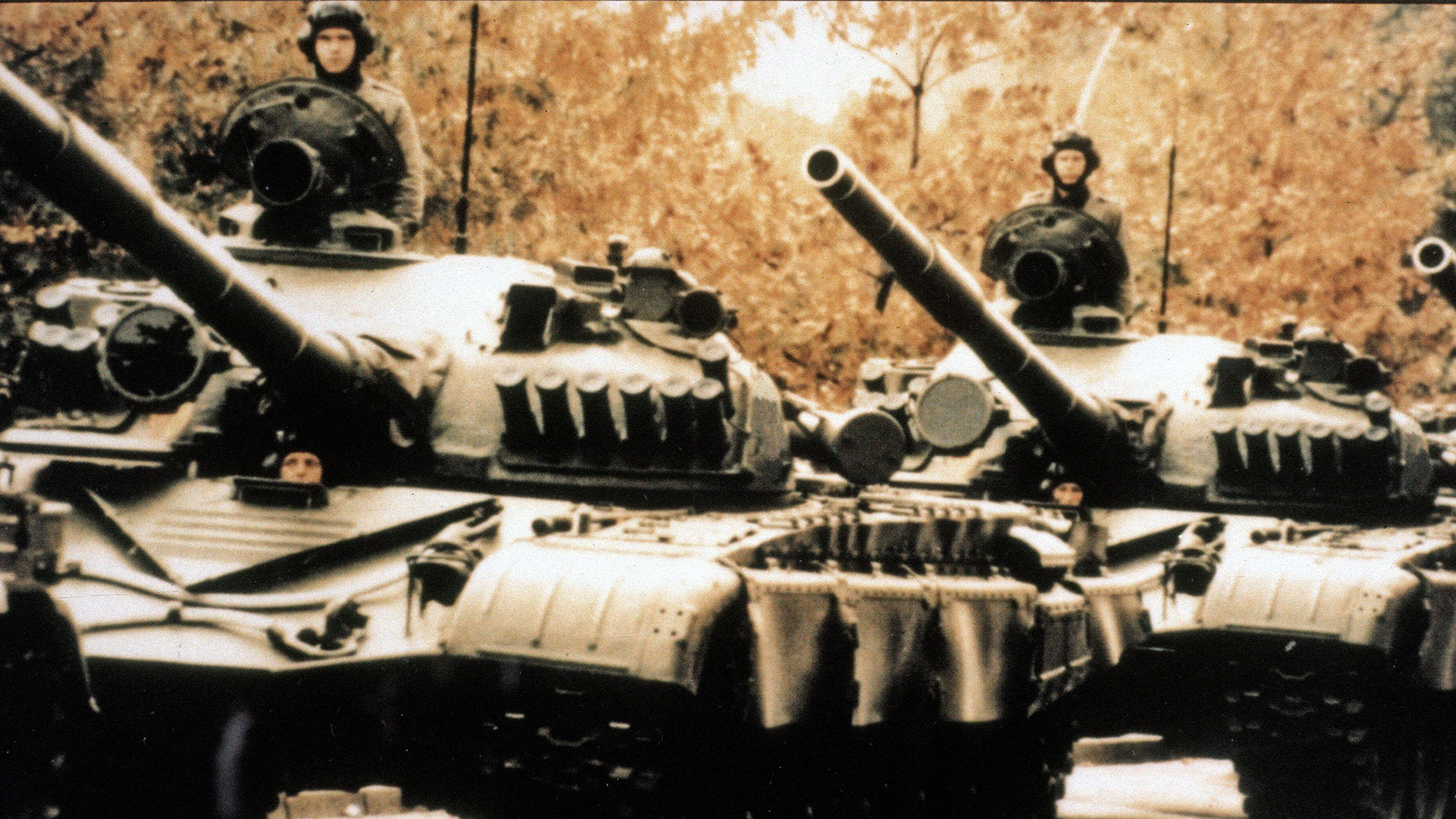
The story describes a conventional war between Nato and the Soviet Union which doesn't go nuclear.
It starts with a Russian false flag attack on the Kremlin after which the Soviet army invades West Germany.
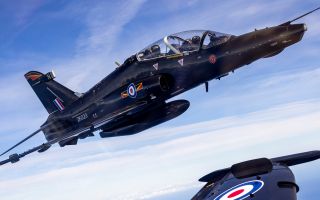
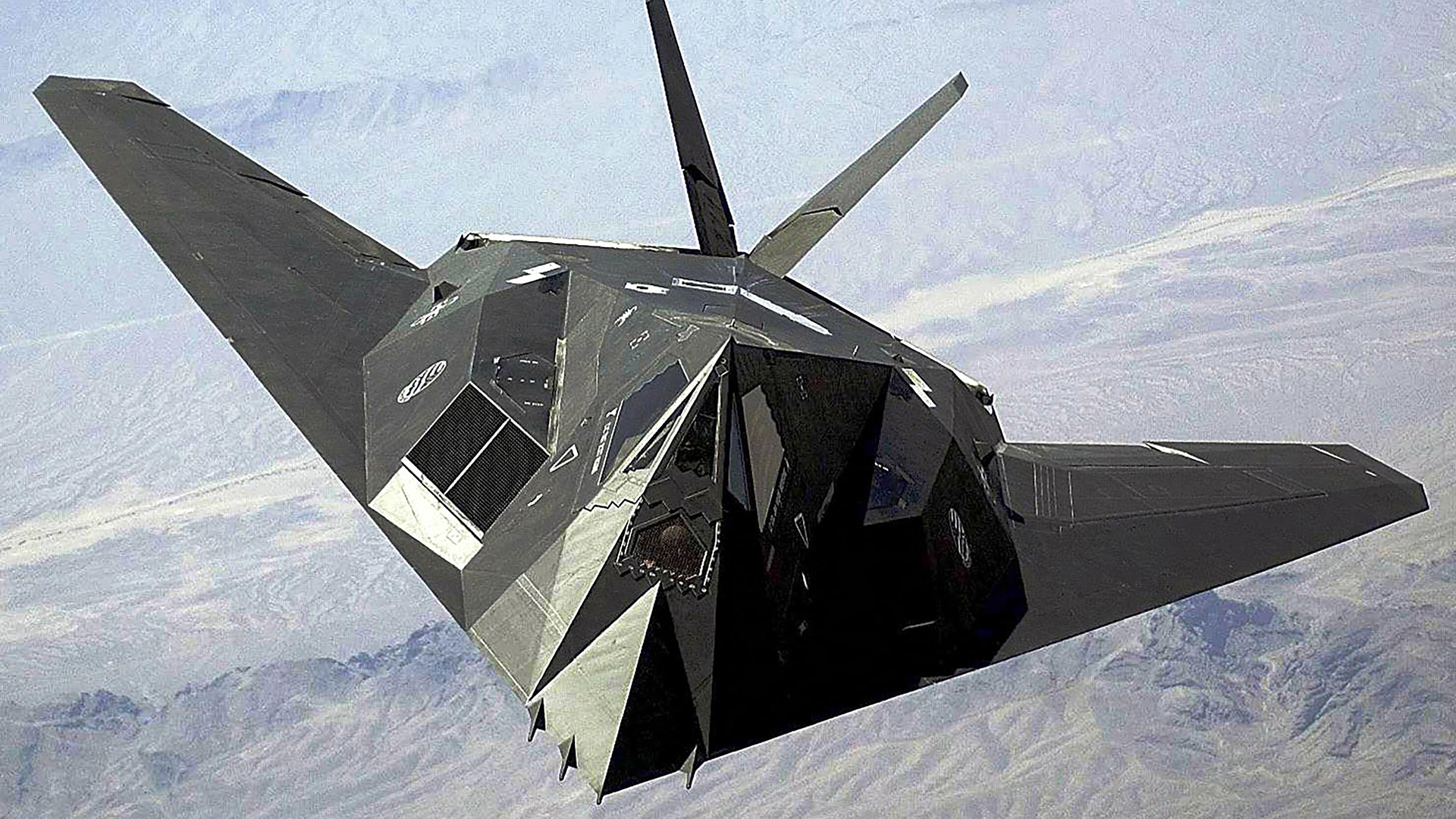
The invasion forces are met by American F-19A stealth fighter aircraft. These are a fictional version of the F-117 Nighthawk which was only a rumoured, highly classified black project at the time of writing.
In another chapter an F-15 aircraft flying at over 90,000 feet fires a missile at a Soviet reconnaissance satellite.
Again this was based in reality as in 1975 an F-15 Streak Eagle – an F-15 stripped down of excess equipment for speed – climbed to over 98,000 feet in three-and-a-half minutes and in 1985 another F-15 destroyed an old satellite with a missile.
Fighting in all domains
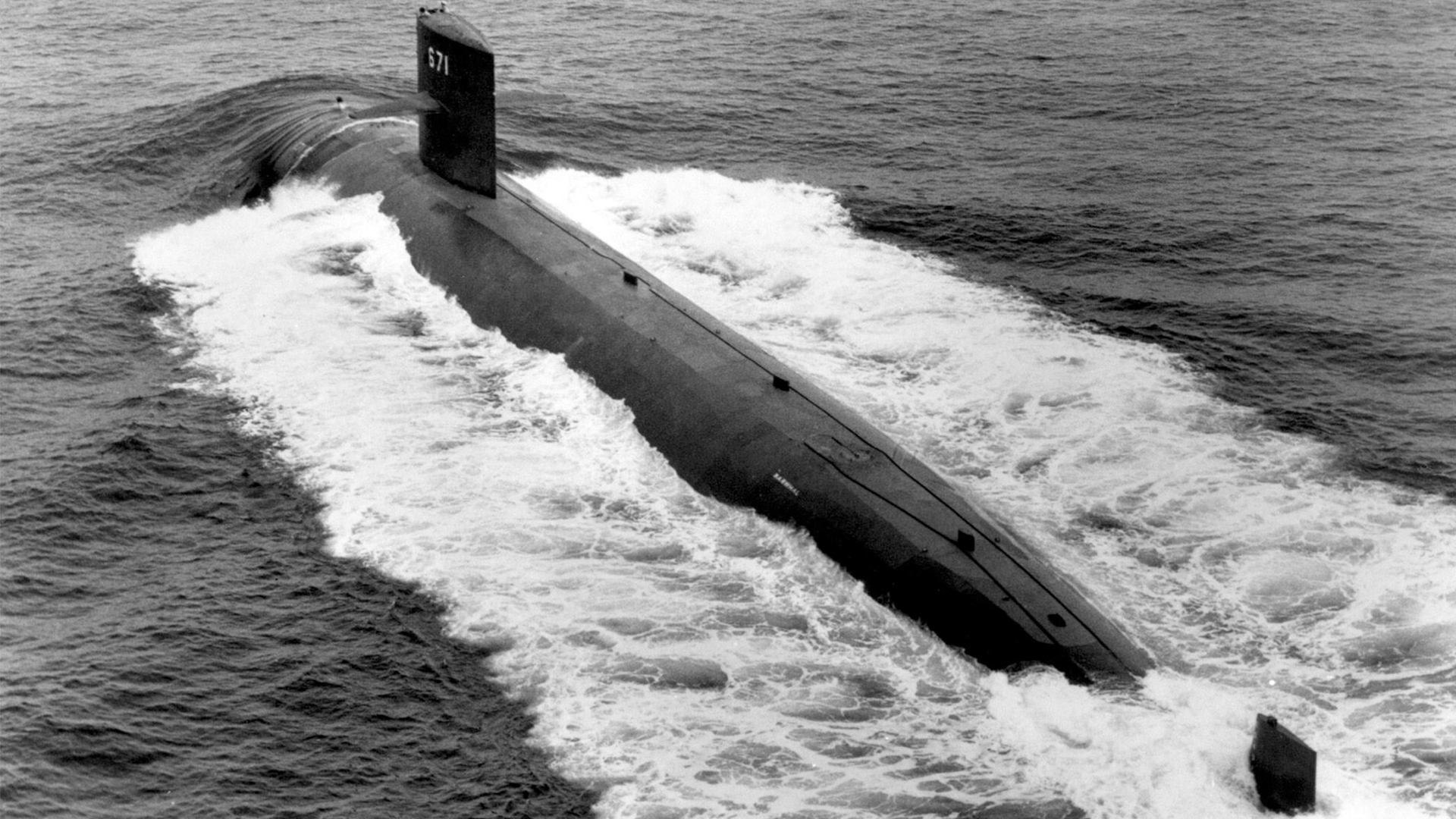
In another extract, submarine USS Narwhal lurks off the Russian coast using burst transmissions to report Soviet bomber aircraft movements.
The missions of the real USS Narwhal are still classified. She was one of the quietest submarines of the time and completed multiple missions in the Barents Sea tracking the Russian navy.
As tank battles rage on in West Germany, US convoys race across the Atlantic to rescue Europe.
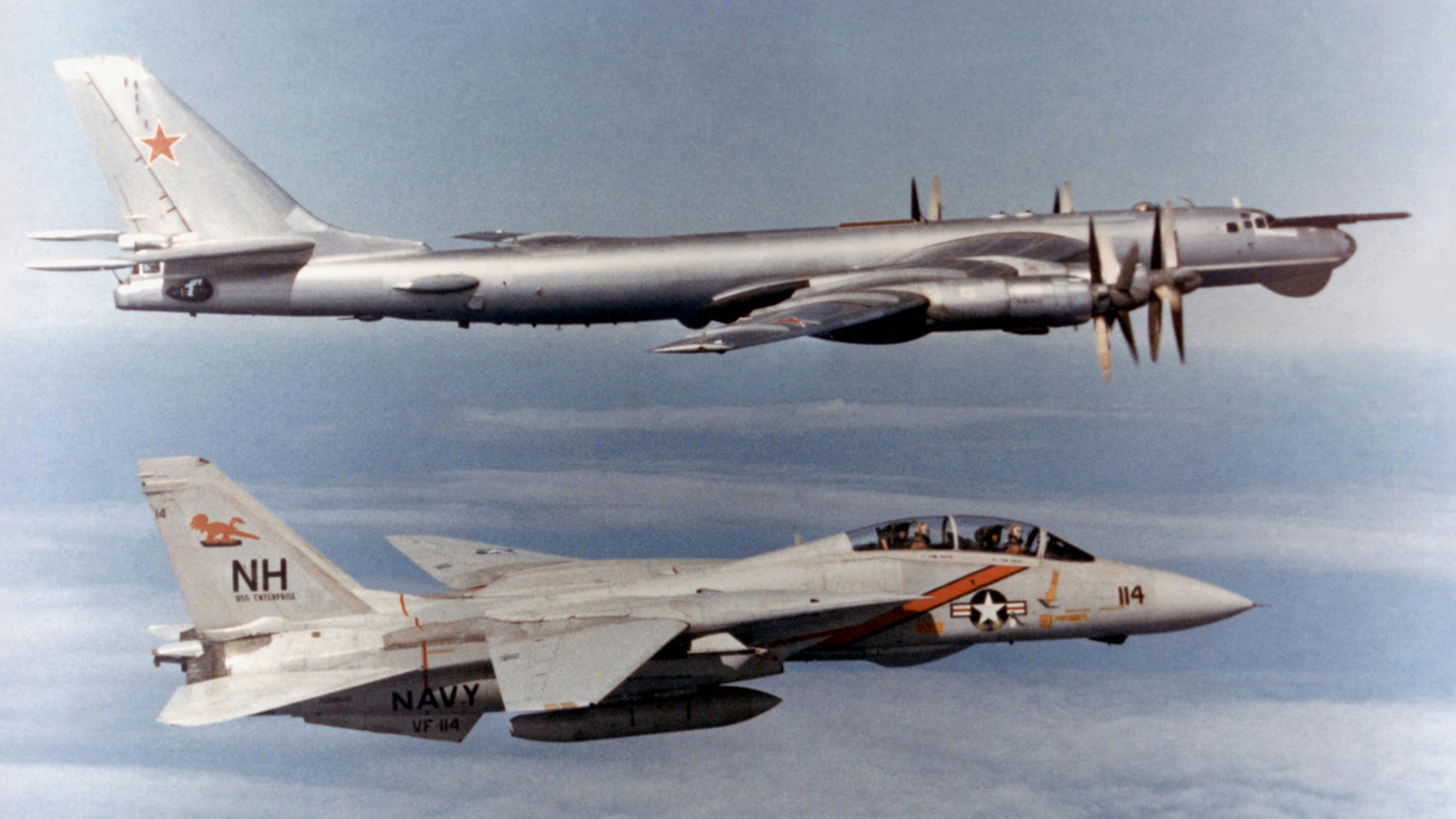
At one stage the aircraft carrier USS Nimitz comes under attack from Bear and Backfire bombers – planes the Russians still use now to attack Ukraine.
The US fights back with F-14 Tomcats and A-7 Corsairs – aircraft long retired from the US inventory, but the tactics are still relevant.
An uncomfortable glimpse into a possible future
The book also details the cat and mouse submarine battles with the Soviet navy.
One of the key players is the Los Angeles-class submarine USS Chicago, which launches a Tomahawk cruise missile attack against the Russian mainland.
The real USS Chicago remained in service until 2023.
It might seem dated when compared to today's drone wars in Ukraine, but Red Storm Rising still gives us an idea of how a conflict between Russia and the West could have played out.
Related topics
Join Our Newsletter