Ukraine can't concentrate forces due to Russia's precision warfare, expert says

Russia has evolved its tactics to hit specific targets, meaning that it is harder for Ukraine to make a dent in Moscow's defences, BFBS' Sitrep podcast host has said.
Professor Michael Clarke also said that both sides have become less reliant on conventional artillery, as Moscow is firing 10,000 to 15,000 shells a day and Kyiv launches 3,000 to 4,000 a day.
His analysis comes as a Royal United Services Institute (Rusi) research paper found that Russia is combining both old and new technology, with precision strikes and traditional artillery, as one alone cannot win the Ukraine war.
Russian President Vladimir Putin is therefore betting on a layered approach to Moscow's use of missiles, drones and artillery to continue to hammer Ukraine.
"It does mean that the Ukrainians therefore can't concentrate [forces]," Prof Clarke said. "It's harder for them to make a breakthrough, which is why all they can do is try and punch a small hole in an area and then send some armour through for a limited time.
"That's as much as the Ukrainians can manage. But they've done that very well, even though they've taken some losses in doing it."
The research paper, "The Evolution of Russia's Precision Strike: Adopting Mass Precision", written by Dr Sidharth Kaushal, a senior research fellow, sea power, and Sam Cranny-Evans, Rusi associate fellow, military sciences, tracked the development of Russia's precision warfare strategy since the full-scale invasion of Ukraine in 2022.
Dr Kaushal and Mr Cranny-Evans argued that Russia's forces have shifted from deploying a large number of air assets to using a more precise approach for their individual strikes.
Here's five key takeaways from the report.
1. Precision strikes with traditional artillery
The pair said in the report that Russia has "significantly" grown its precision strike capabilities across all areas of measurement, while still retaining its ability to launch traditional artillery.
"Precision strike has complemented – rather than replaced – Russia's traditional reliance on massed artillery fire," the duo said in the report.
"Drones, precision targeting and reconnaissance-strike complexes remain integrated into a system centred on overwhelming firepower."
2. In a war with Nato, Russia would prioritise the start of the conflict
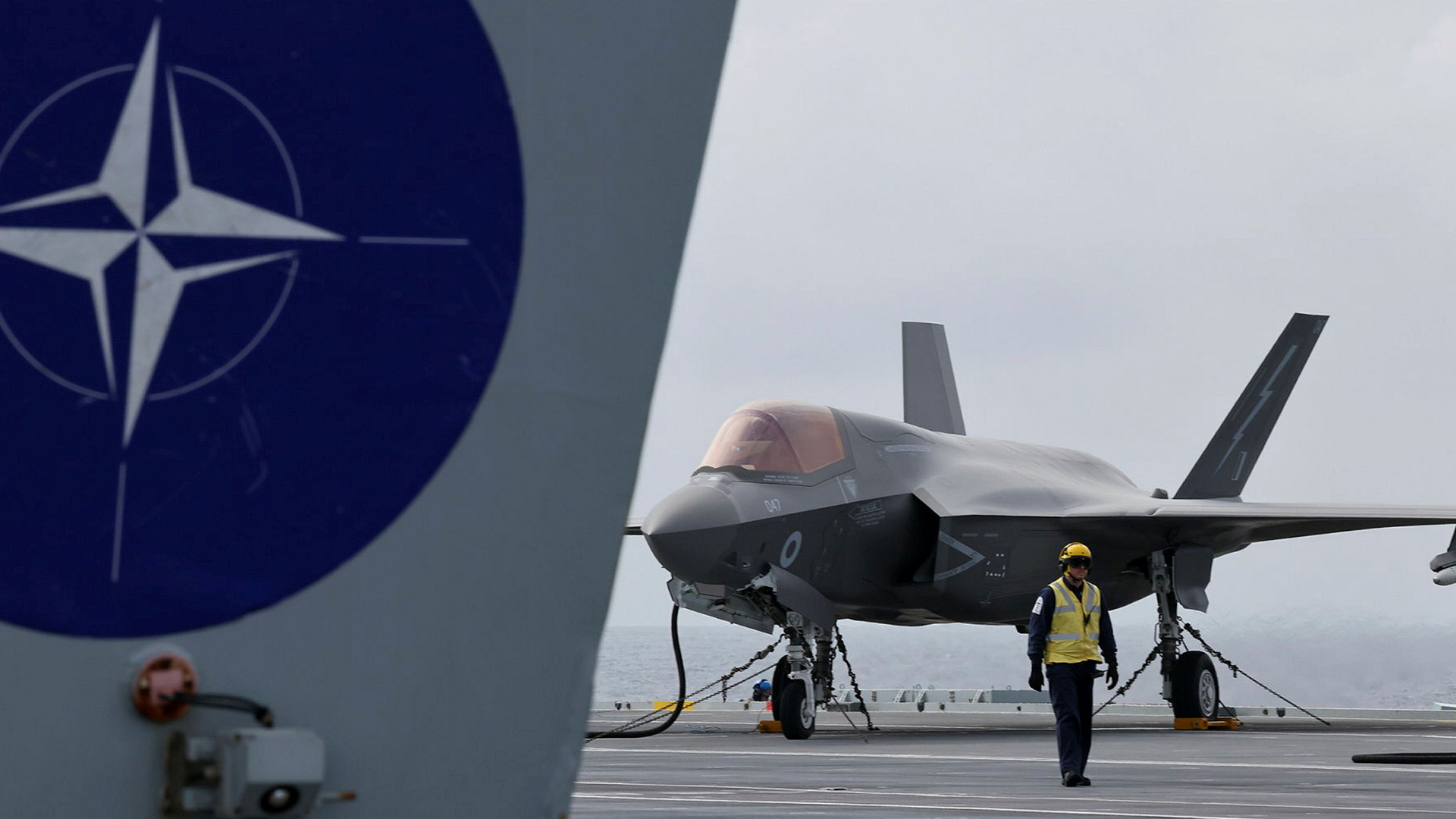
The report argued that if there was ever to be a conflict with the 32-member alliance, Russia would rely on the more expensive munitions to destroy vital targets during the beginning of the war.
"Russian analysts continue to view the initial period of war as decisive, particularly given the entanglement of conventional and nuclear escalation," it said.
Rusi have suggested that this could mean that Russia will lead with missiles that are more likely to get through Nato's air defences, instead of cheaper options designed for an attritional campaign.
3. ISTAR dominance
Moscow has learnt over the more than four-year-long conflict that it needs dominance in intelligence, surveillance, target acquisition, and reconnaissance (ISTAR) assets.
"Units such as the Rubicon Centre actively target Ukrainian drone operators and electronic warfare (EW) systems, while exploiting gaps in air defence coverage to maximise strike effectiveness," it said.
Nonetheless, the report highlighted that these improvements have not led to Russia gaining any greater foothold in the war.
4. It's not all about drones
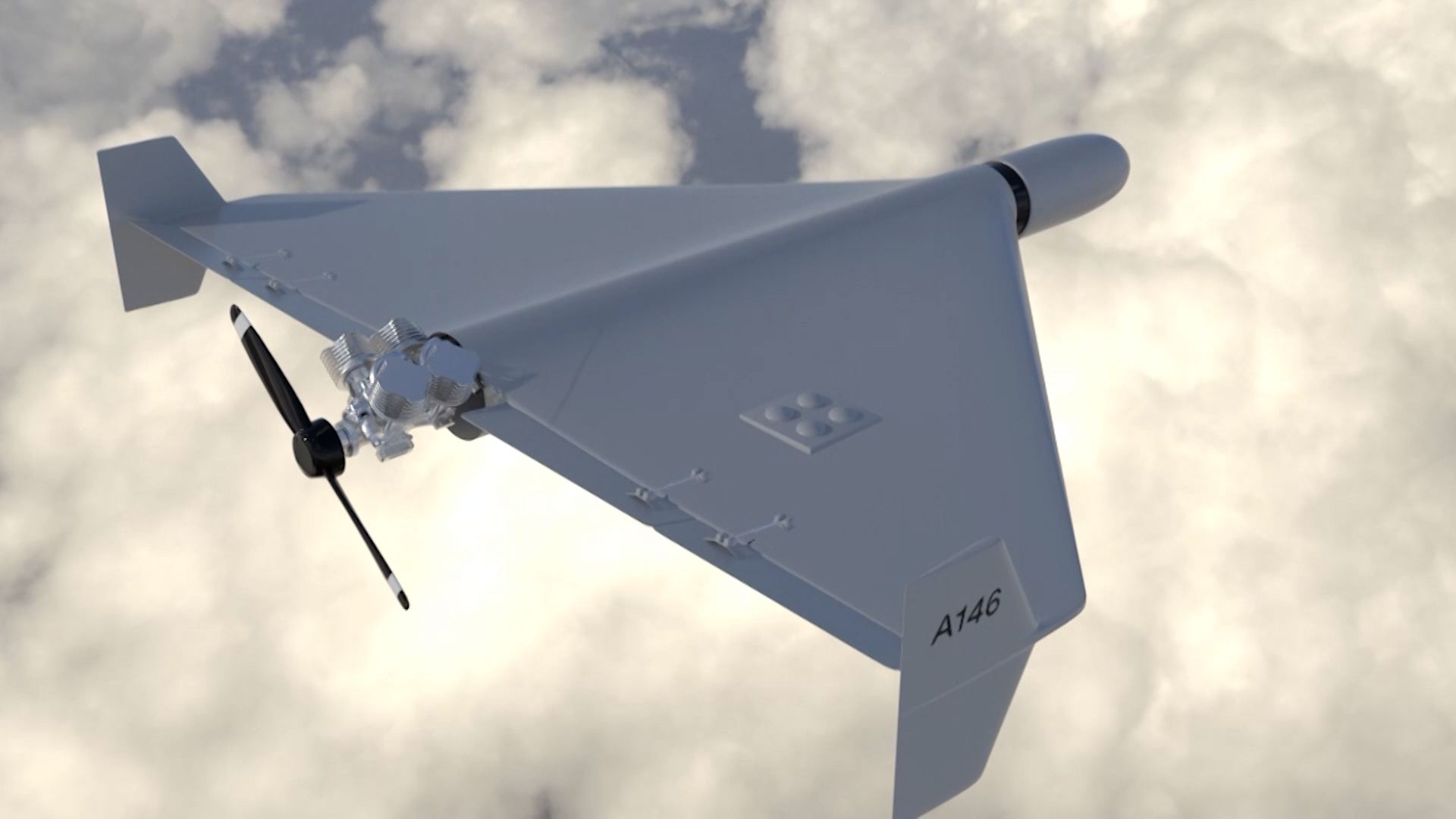
Considering that uncrewed aerial vehicles are described as the main threat to Ukrainian forces on the frontline by some military experts, Rusi's experts have said that drones such as the Shahed and Geran are not seen as the most important element in Moscow's precision warfare, but rather a "component".
The think tank said that mixed attacks using UAVs and missiles started to be used from 2023 onwards, as combining both weapons has been used to overpower Ukraine's radar.
Alongside the drones, Moscow has launched missiles, including the 9A-7760 Kinzhal, the 3M22 Zircon cruise missile and the Oreshnik intermediate-range ballistic missile at underground and sensitive targets, the report said. "When a target requires considerable pattern of life or a certainty of penetrating layered air defences, highly expensive munitions still appear to be deployed."
5. More sustained strikes to speed up Ukraine's decay
The Russian military has changed to a more attritional strategy over the years as key targets require more strikes, and therefore there is a need for bigger stockpiles and thus more sorties.
"Russia's strike campaign has evolved from an attempted rapid paralysis strategy into a prolonged effort to degrade Ukraine's economy, logistics and rear areas through cumulative pressure," Dr Kaushal and Mr Cranny-Evans concluded.
The Kremlin's efforts to strangle the Ukrainian economy have been shown in strikes targeting Kyiv's industrial base, including steelworks in Zaporizhzia and Kryvyi Rhi, logistics centres in and around the capital, and three ports recently.
Earlier this month, Ukraine's energy minister Denys Shymal said that Russian attacks have damaged or destroyed over 300 gas filling stations in Ukraine during the first half of this year.
"These are, of course, significant losses for our economy," Mr Shymal added.
Related topics
Join Our Newsletter