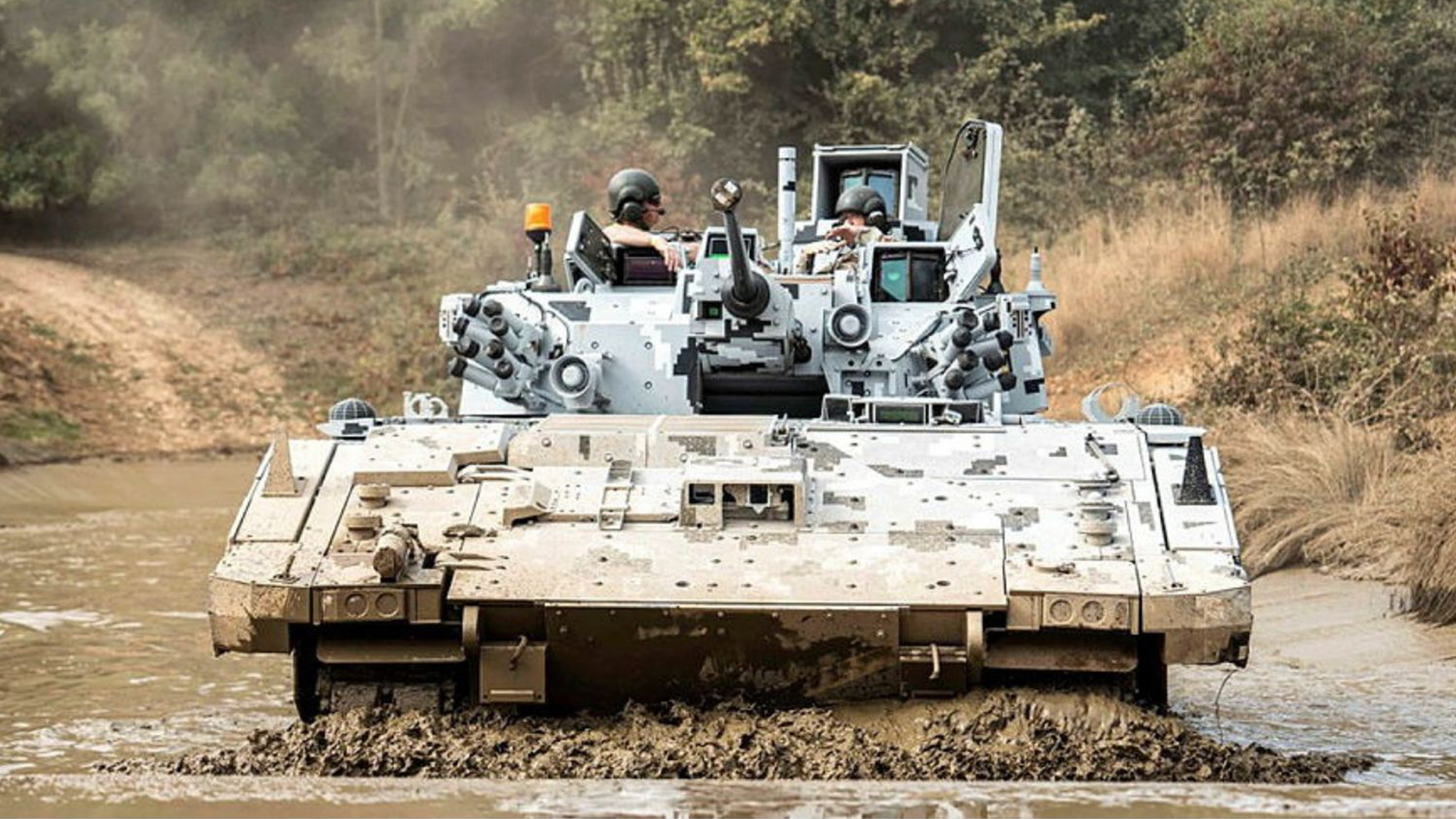
Army's acceptance of Ajax back on track with new crew safety controls in place

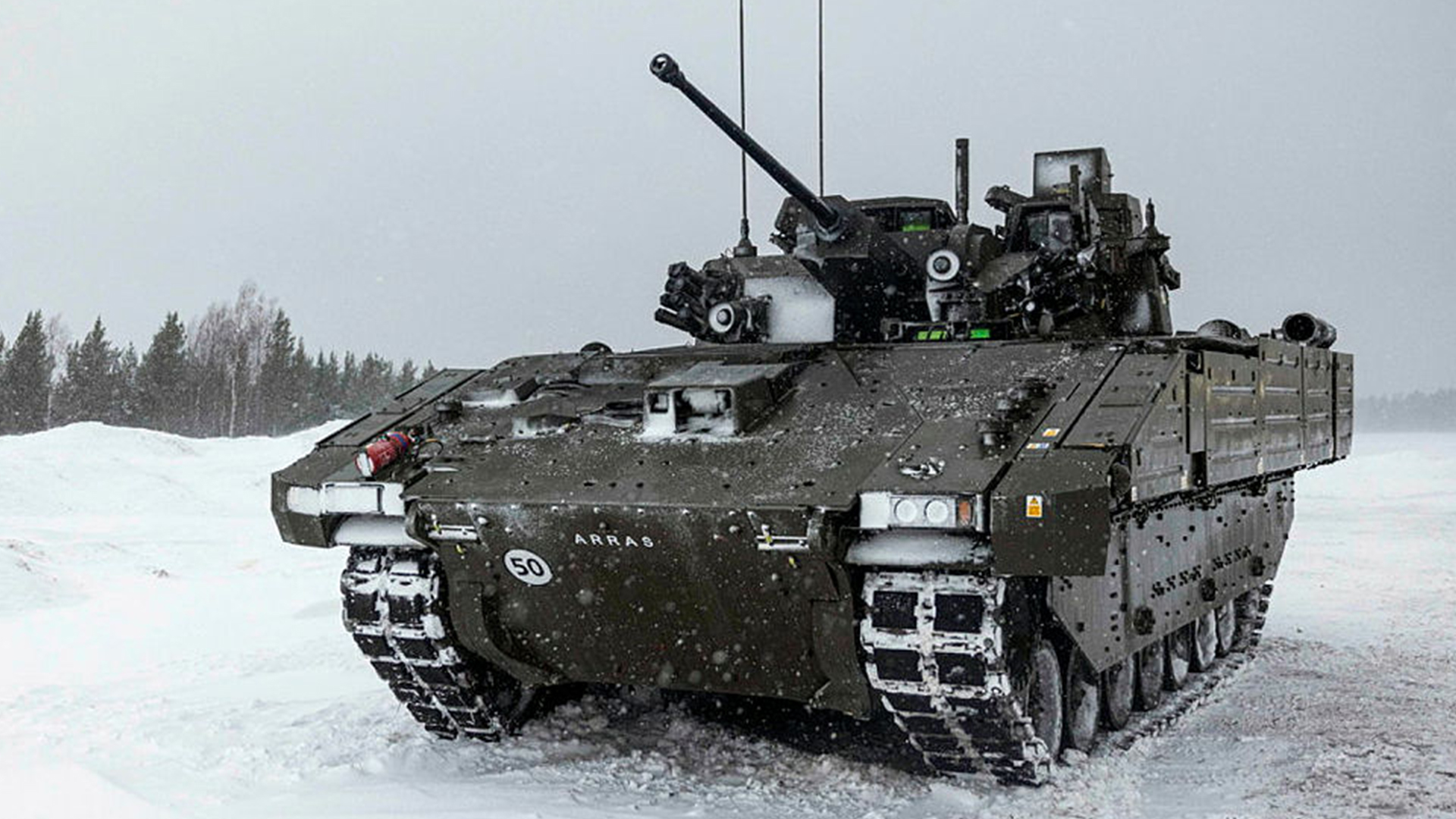
The acceptance of Ajax vehicles from General Dynamics has been restarted as issues affecting crew safety have been identified and solutions are being put in place, Luke Pollard has insisted.
The news was announced in a parliamentary statement by the Defence Readiness and Industry Minister after more than 30 soldiers became sick and ill while operating the vehicle last year.
Mr Pollard said his decision followed the completion of an investigation by the Army Safety Investigation Team (ASIT).
The findings
He said ASIT's findings indicated no single causal mechanism of the symptoms reported by the soldiers.
Instead, there were multiple factors, specifically on noise and vibration, although levels were found to be below legal exposure limits.
The symptoms were most likely the result of a combination of factors, including technical issues related to platform conditions at the time of the exercise, he added.
Other issues included:
:: Incorrect track tension
:: Loose or missing engine deck bolts
:: Environmental and human factors, including variability in training and experience, cold exposure and air quality within the Ajax vehicle itself
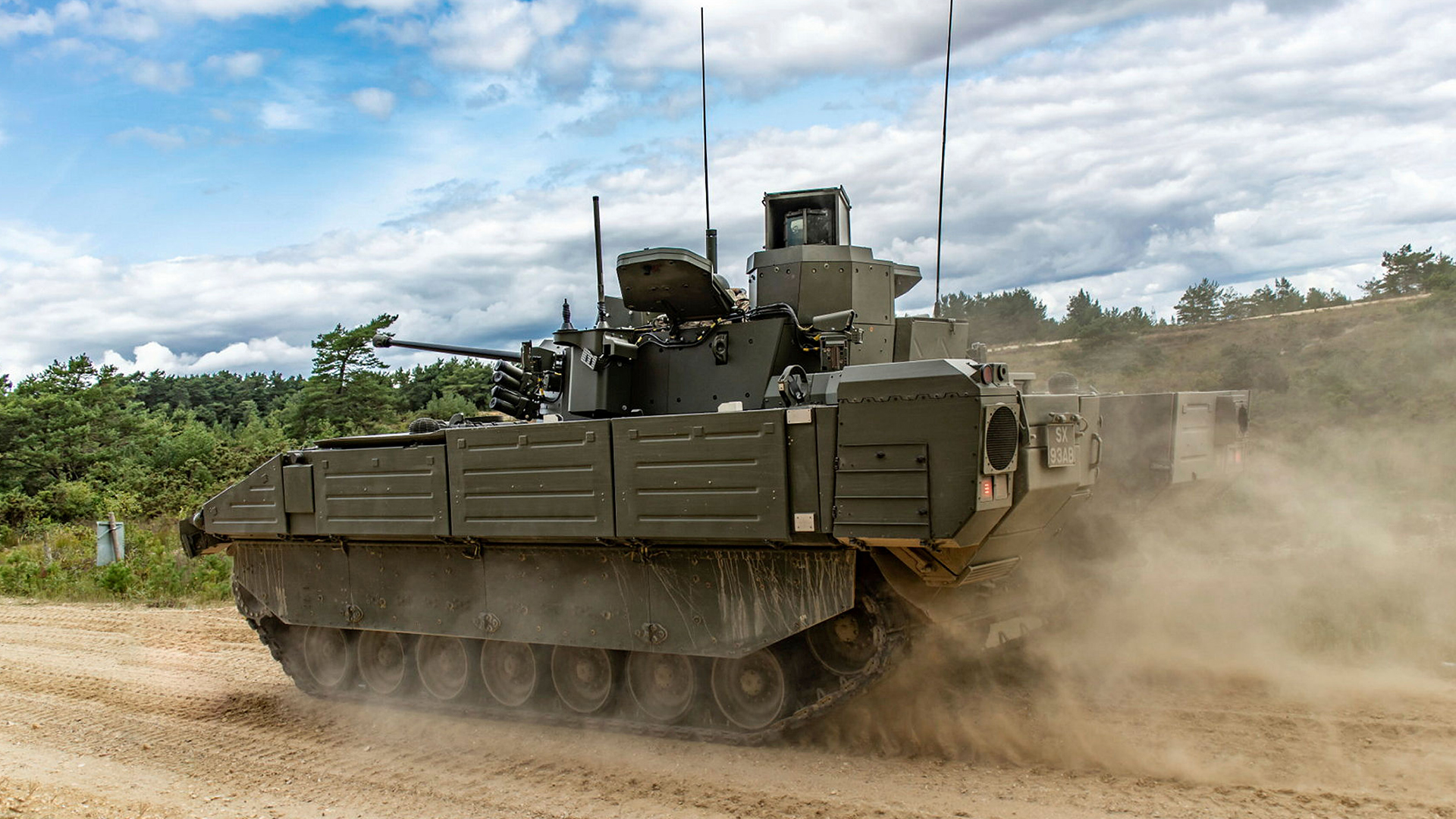
Safety non-negotiable
Mr Pollard added: "The safety of our people is non-negotiable. That is the standard our Armed Forces deserve, and it is the standard this Government will uphold.
"I can confirm today that all personnel have now returned to normal duties following Exercise Titan Storm.
"The majority of soldiers who felt ill during this exercise suffered from temporary symptoms.
"And with the ASIT report concluding that there was no single causal factor for the symptoms experienced by the soldiers, I have now agreed to restart the acceptance of vehicles from General Dynamics.
"However, I accept that the experience for our soldiers using Ajax has not been good enough and that is not acceptable.
"I have implemented strict new controls on the reintroduction of the Ajax vehicles that is focused on providing a significantly improved user experience.
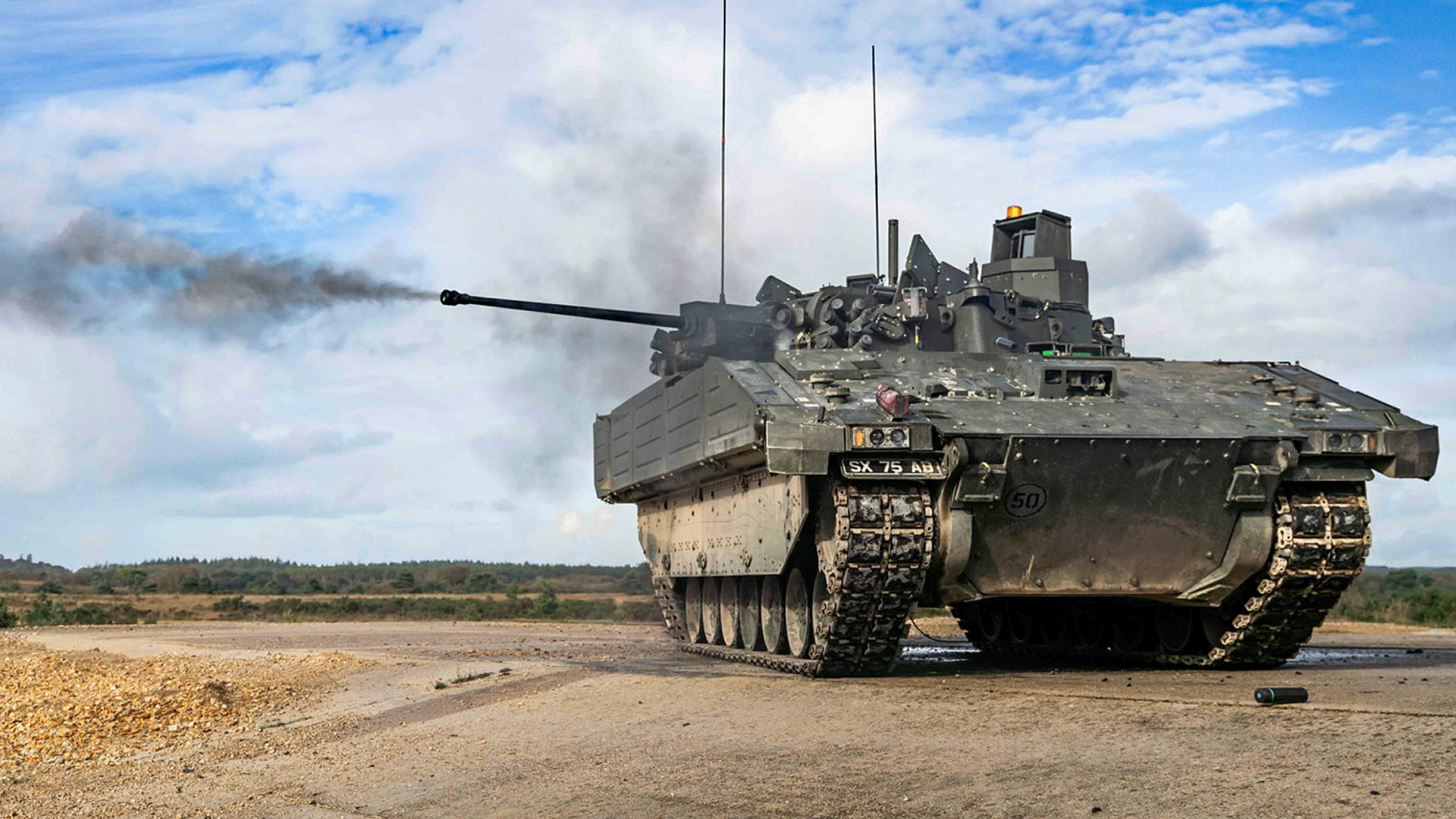
Lessons learned from Titan Storm
He continued: "Given that the issues presented on Exercise Titan Storm, and to ensure the safety of our personnel, I can confirm that the 23 vehicles on the exercise will be treated separately and will not be put back in the hands of soldiers until we have confirmed that it is appropriate to do so.
"We have been engaging extensively and directly with our soldiers throughout this process – their experiences matter and they are shaping much of what we do next. As a result, we are considering a phased approach to restarting the Ajax programme.
"The first phase will include the restarting of trials using the current version of Ajax. A limited number of vehicles will be used and under very controlled circumstances and maintenance regimes.
"The second phase will see the delivery of a number of improvements relating to the use of air filtration, crew compartment heating and the electrical power generation system – key themes identified and prioritised following Exercise Titan Storm."
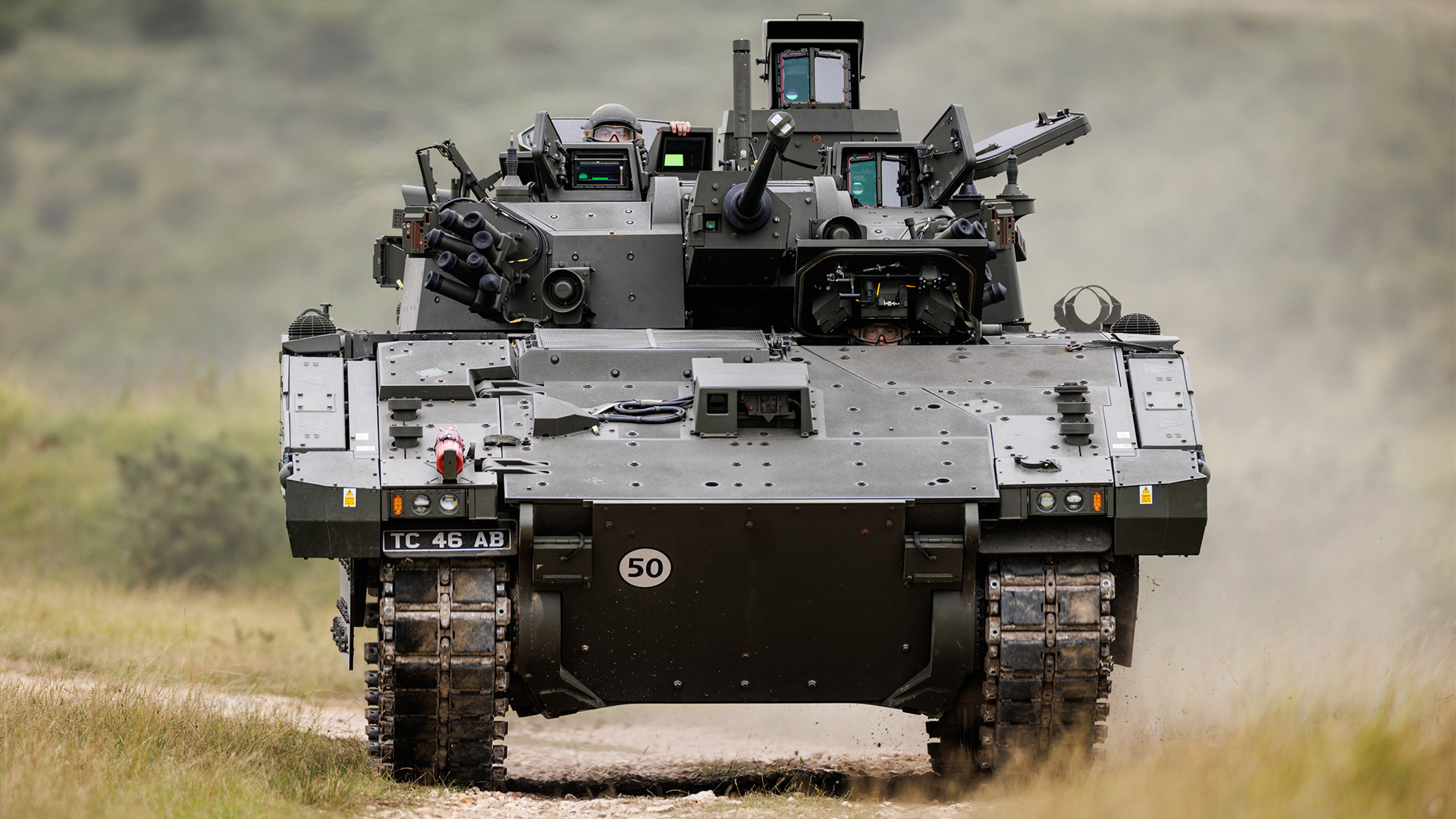
Progression will be crawl-walk-run
The minister said safety would further be bolstered by taking lessons from the aviation industry and introducing a common thread between design, maintenance and operation.
"Included as part of that work, there will be named individuals within the Army chain of command who will hold the separate responsibilities for operating and maintaining the vehicle," he explained.
"This is to ensure there cannot be instances where desire to operate a vehicle within the chain of command compromises the necessity for the highest standards of safety.
"That is why any return to training will also be very controlled with a crawl-walk-run staged progression ensuring safety is paramount throughout.
"Using the information gathered from our soldiers, we will continue to proceed safely, responsibly and transparently to deliver an improved Ajax vehicle for our soldiers."
Rebuilding soldier confidence
With the remedial steps taken, the Army, the MOD and General Dynamics will still have to convince soldiers Ajax is safe to operate and boost their morale.
This is something of which Mr Pollard is well aware.
"While we are proceeding cautiously with Ajax, we know we have more to do to rebuild confidence in the vehicle, and we do not underestimate the work still ahead," he said.
"We aspire to deliver a vehicle into service that is effective on the battlefield and works for our soldiers.
"We will continue to work with General Dynamics to proceed safely, responsibly and transparently to deliver an improved Ajax user experience for our soldiers. The above commitments will be met within the existing programme scope and financial envelope."
One platform, six variants
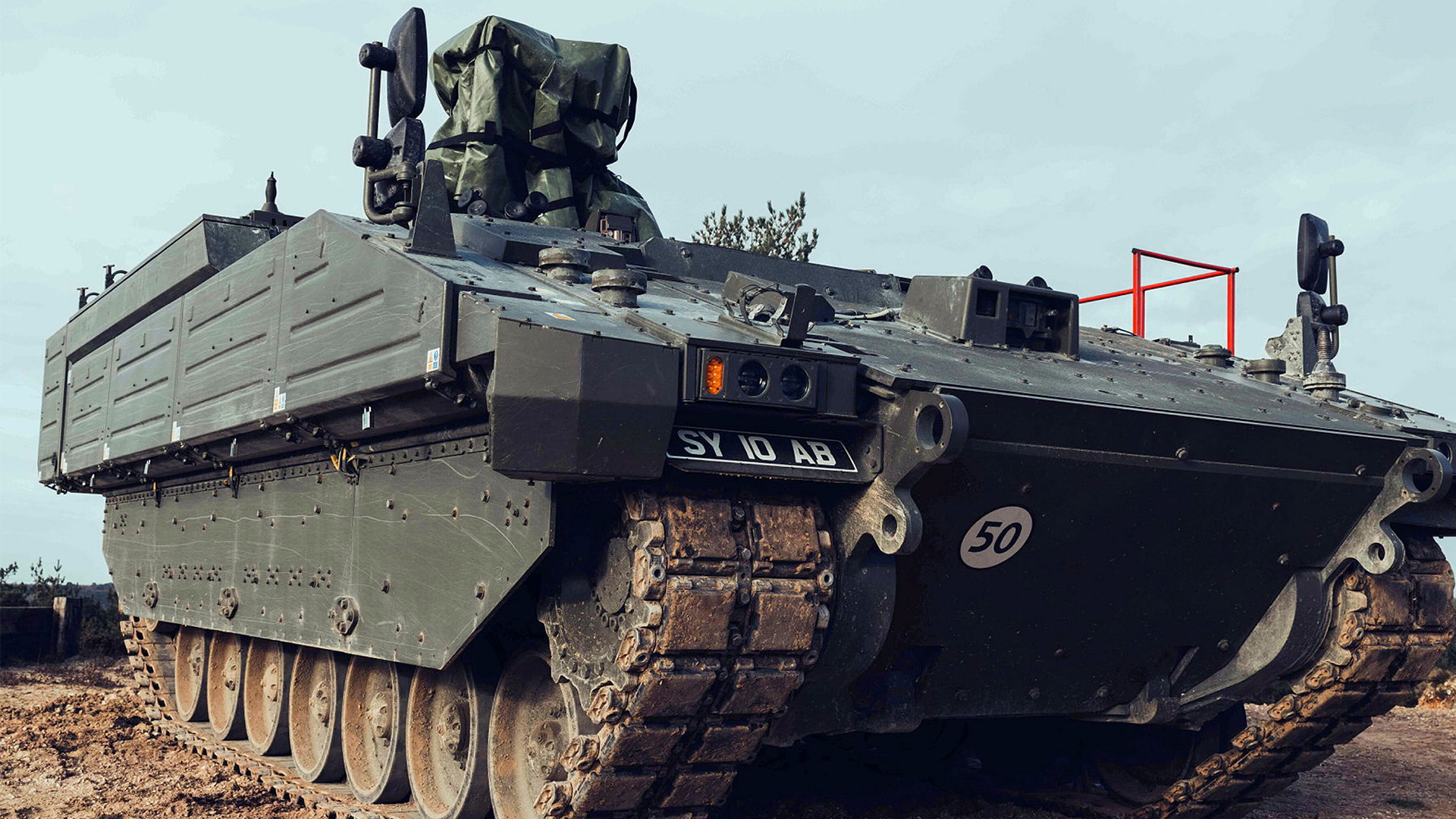
Ajax is a family of tracked, all-terrain, digitally-enabled, armoured fighting vehicles, with a range of weapons and sensors. The Army says Ajax will be the most advanced medium-weight AFV in the world.
There are six variants, all based on a common platform.
AJAX
The Ajax variant will be the core of the Army's deployable all-weather intelligence, surveillance, target acquisition and reconnaissance (ISTAR) capability.
It will be used as the reconnaissance vehicle in the Armoured Brigade Combat Teams, the Deep Recce Strike Brigade Combat Teams and by the Artillery Fire Support Teams.
ARES
The Ares variant is the common base for all the Ajax variants and will be used to deliver and support specialist troops across the battlefield, including anti-tank Javelin teams, snipers and support troops.
Ares will provide overwatch and dismounted support in the Deep Recce Strike and Armoured Brigade Combat Teams.
ATHENA
The Athena variant is a command and control vehicle. It will process and manage information to better allow commanders to make informed decisions on the battlefield.
Athena will be deployed in the Armoured Cavalry, Armoured, Artillery and Engineer Units.
ARGUS
The Argus variant will provide engineering reconnaissance, offering timely and accurate engineering information.
It will be used by 25 Engineer Group, headquartered at Picton Barracks in Salisbury.
ATLAS
The Atlas is an equipment support variant.
It's optimised to provide the most effective means of recovering a disabled vehicle.
APOLLO
The Apollo is the second equipment support variant.
It is a repair platform and will be used to tow battlefield-damaged vehicles and lift heavy sub-assemblies.
Related topics
Join Our Newsletter