No bribes, no shortcuts: Searching for the next generation of Gurkha soldiers
Each Spring in Nepal, something extraordinary happens: the search begins for the next intake of Gurkha soldiers, young Nepalese men, many still teenagers, all with an ambition to join the British Army
For those who succeed, it will mean leaving their homeland and flying across the world to serve a foreign land and a faraway king.
But as possibly the most competitive selection process in the world, the odds are stacked against them. And with the competition so intense and the stakes so high, some will do anything to find a way in.
The price of success
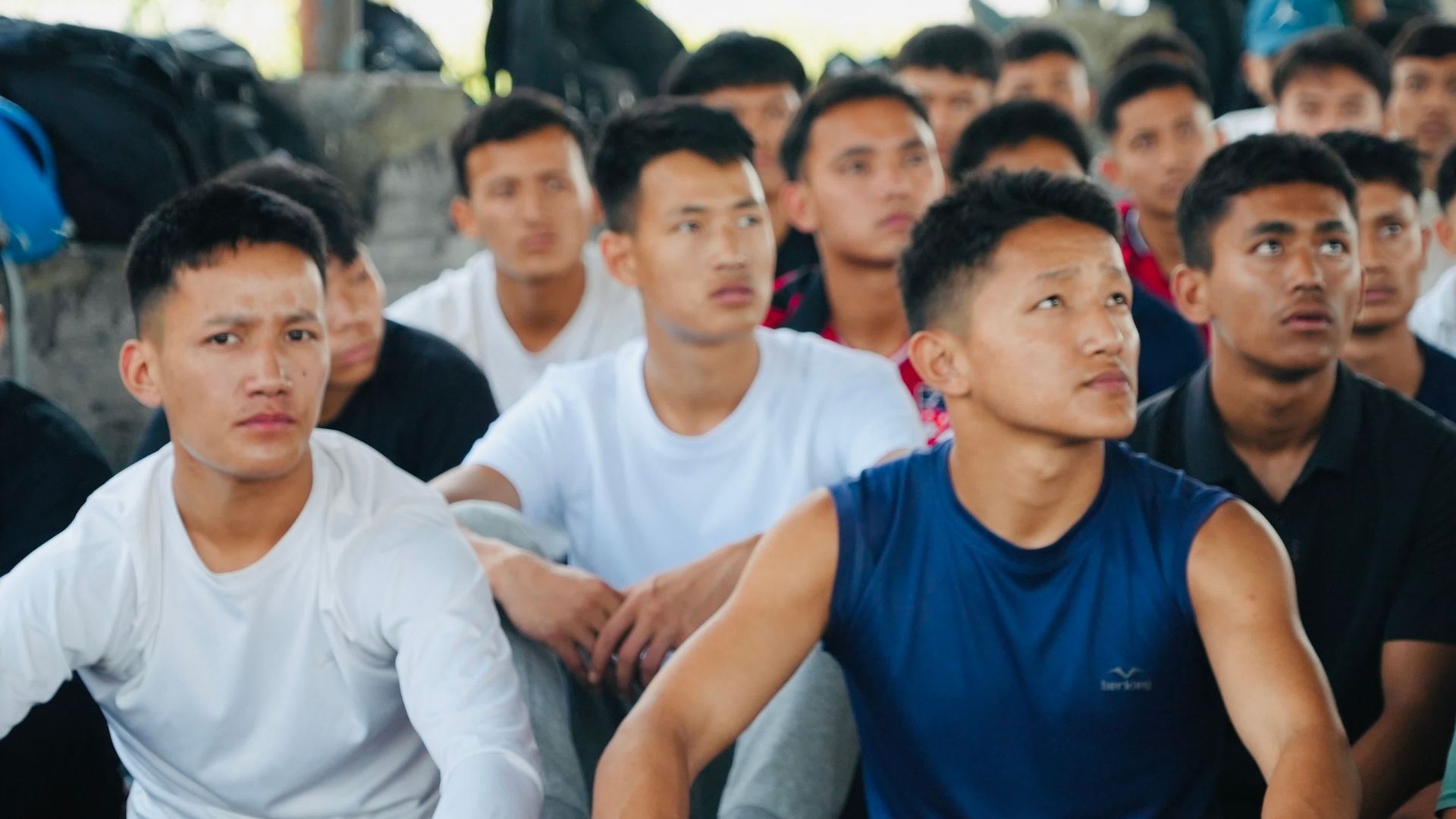
Last year, 14,000 men applied for just over 300 places.
For these hopeful individuals, gaining a place in the British Army could transform not just their own fortunes but those of their families, or even their whole communities.
The children of future Gurkhas will grow up in modern Western society, with easy access to education and technology.
Such pressure on their shoulders, it leaves many open to corruption and bribery.
The Gallawalas are retired Gurkha soldiers with the task of spreading word across Nepal, and their message is simple: Selection is open to all, regardless of region, caste or creed, and no one should be paying money to anyone for a place in the British Army.
It is not just middlemen claiming they "know someone" who can secure their son a place for a princely sum of rupees.
A plethora of training academies across Nepal offer preparation for selection which, of course, come at a price.
Some have even begun offering no-win, no-fee type charging systems. Boys who are unsuccessful pay nothing, but those who are successful can begin their new careers saddled with years of debt.
Potential recruits between the ages of 18 and 21 have three attempts to gain a place. If they attend an academy for all three years and are then successful, the fees can rack up to huge amounts.
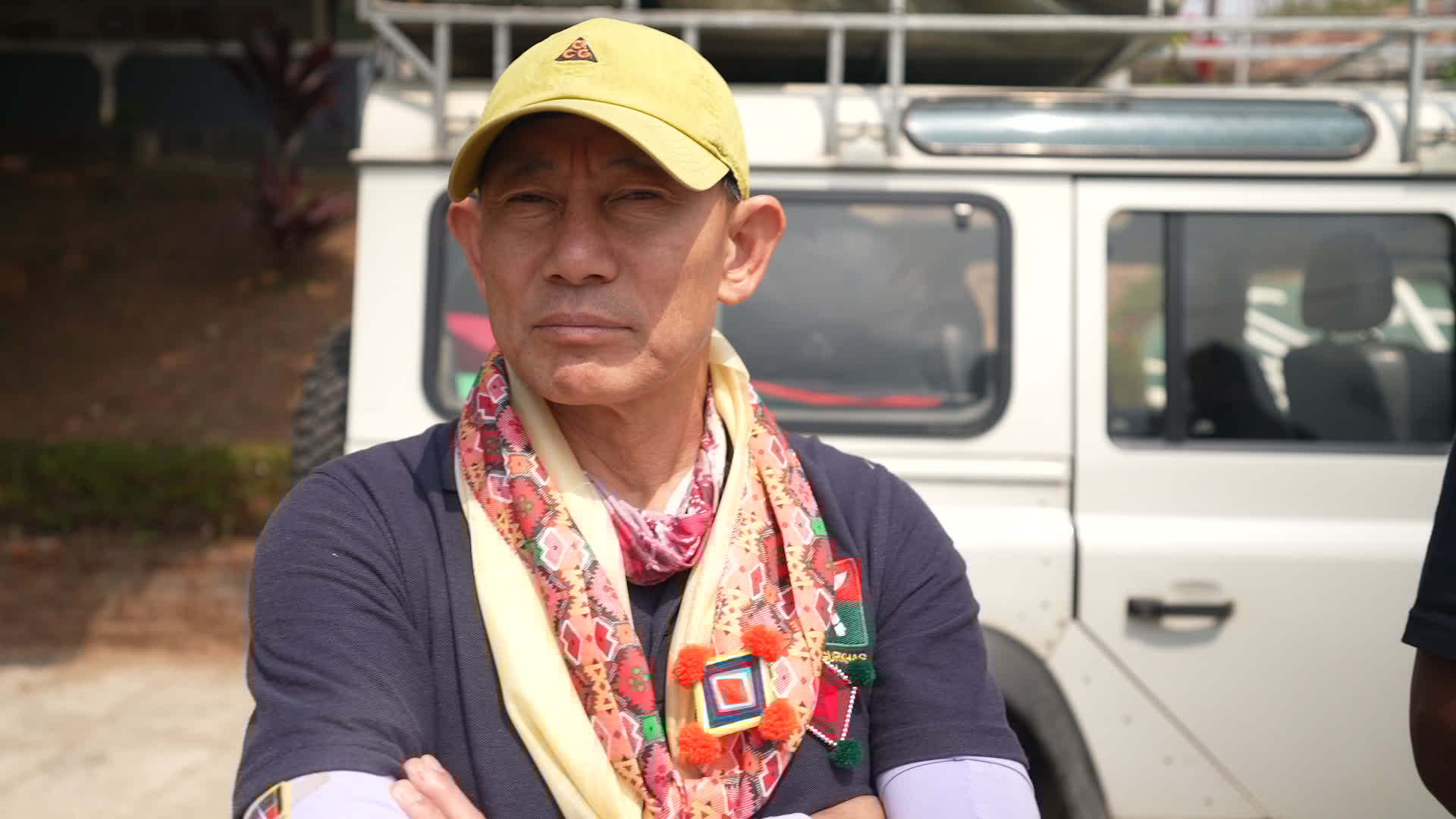
Retired Captain Badri Kumar Rai is the Chief Gallawala – or Senior Recruiting Officer.
"They [middlemen] try to manipulate the parents and the individual potential recruits," he explained. "We are telling the message to the people here that they absolutely need to be clear.
"British Gurkhas Nepal do not get involved in bribes or advising on training academies. It's their choice if they want to attend an academy, but it has nothing to do with us."
He added that if they have "the willpower", they can make it without attending.
Spreading the word
In a country where money can buy almost anything, getting this message out is a constant uphill struggle for the British Army. And it's not one that can be solved by a social media misinformation debunking campaign.
Although many recruits now come from towns and cities, others still hail from the remote hilly districts of Nepal. The only way to spread the word is by doing it face to face, and this is why the very first phase of the recruiting cycle sees teams in Land Rovers bursting across Nepal.
The country is divided into four regions, and teams spend a full month on the road, each covering what is known as a "cluster".
Together, they visit every area – standing on football pitches, in parks, and in cafés – repeatedly explaining the truth and fairness behind selection for the British Army.
Handpicking only the best
The selection criteria are very strict, worlds apart from the requirements for British applicants into the Army.
Print your documents on the wrong size paper, or spell the name of your village incorrectly, and you're out.
Boys must be a certain height, with near-perfect limbs – that includes no hyper-extending elbows or knees – as well as healthy teeth, hearing, and uncorrected vision, standards that apply even to those who have had laser eye surgery.
Candidates must also meet academic requirements in maths and English, which those from the hilly regions struggle with more.
Often from farming backgrounds, they are used to heaving heavy doko baskets up and down unyielding hills, but education is often more difficult than it is for the boys from the lowland plains.
Every year, British Gurkha Nepal turn thousands of strong candidates away, many who have passed all the minimum requirements.
In such a competitive environment, selection becomes the best of the best: The faster you run in the Doko race, the more you can lift, the more pull-ups you can perform and the higher your altitude in maths and English, the more points you attain.
This is why the very first phase of the search for the Gurkhas is so extraordinary.
The Gallawalas do not visit every region to find the highest quality candidates – they visit every region to ensure that the process is as fair and transparent as it can be, in a selection process that will determine the futures of only a very small number of these young men from Nepal.
Join Our Newsletter