The Royal Navy has joined forces with its Australian and US counterparts to test new technology which can help protect critical sea infrastructure.
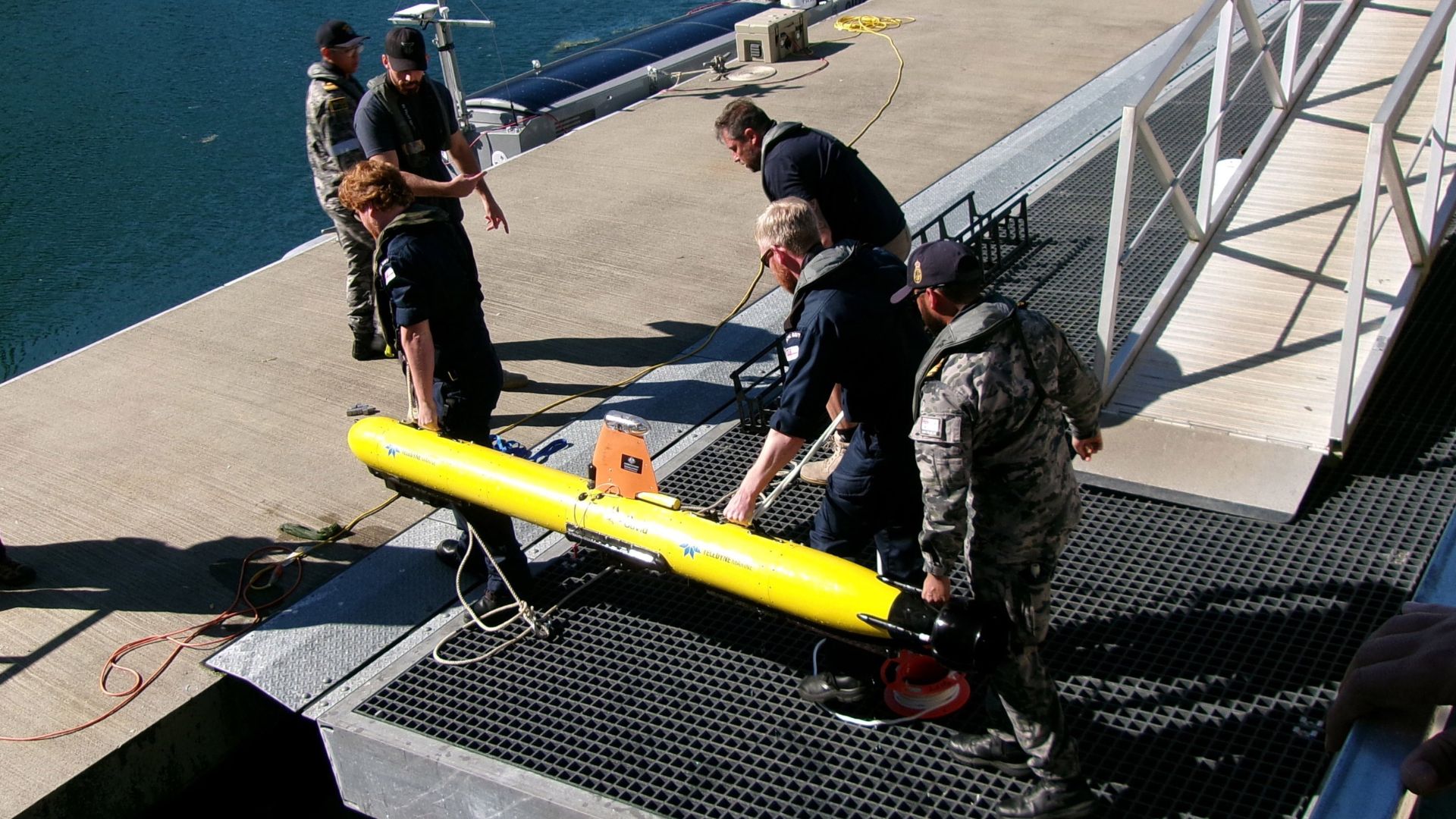
Exercise Lanternfish, held between Virginia and Washington in the United States, and in the waters off Australia's south-west coast, saw Royal Navy divers and hydrophobics experts deploy and operate remotely operated systems.
It comes as the three nations of Aukus – Australia, the UK and the US – continue their efforts to counter China's growing influence in the Indo-Pacific, while protecting open sea lanes and freedom of navigation.
Scanning the depths
During the exercise, personnel from the Royal Navy's Diving and Threat Exploitation Group demonstrated their Video Ray Defender-Viper – a small remotely operated submersible used to locate mines and underwater explosive devices.
Meanwhile, experts from the Hydrographic Exploitation Group (HXG), based in Devonport, launched their Autonomous Underwater System, the Teledyne Gavia.
A newly designed vehicle purpose built for long duration deep sea operations, it can carry out various Aukus taskings.
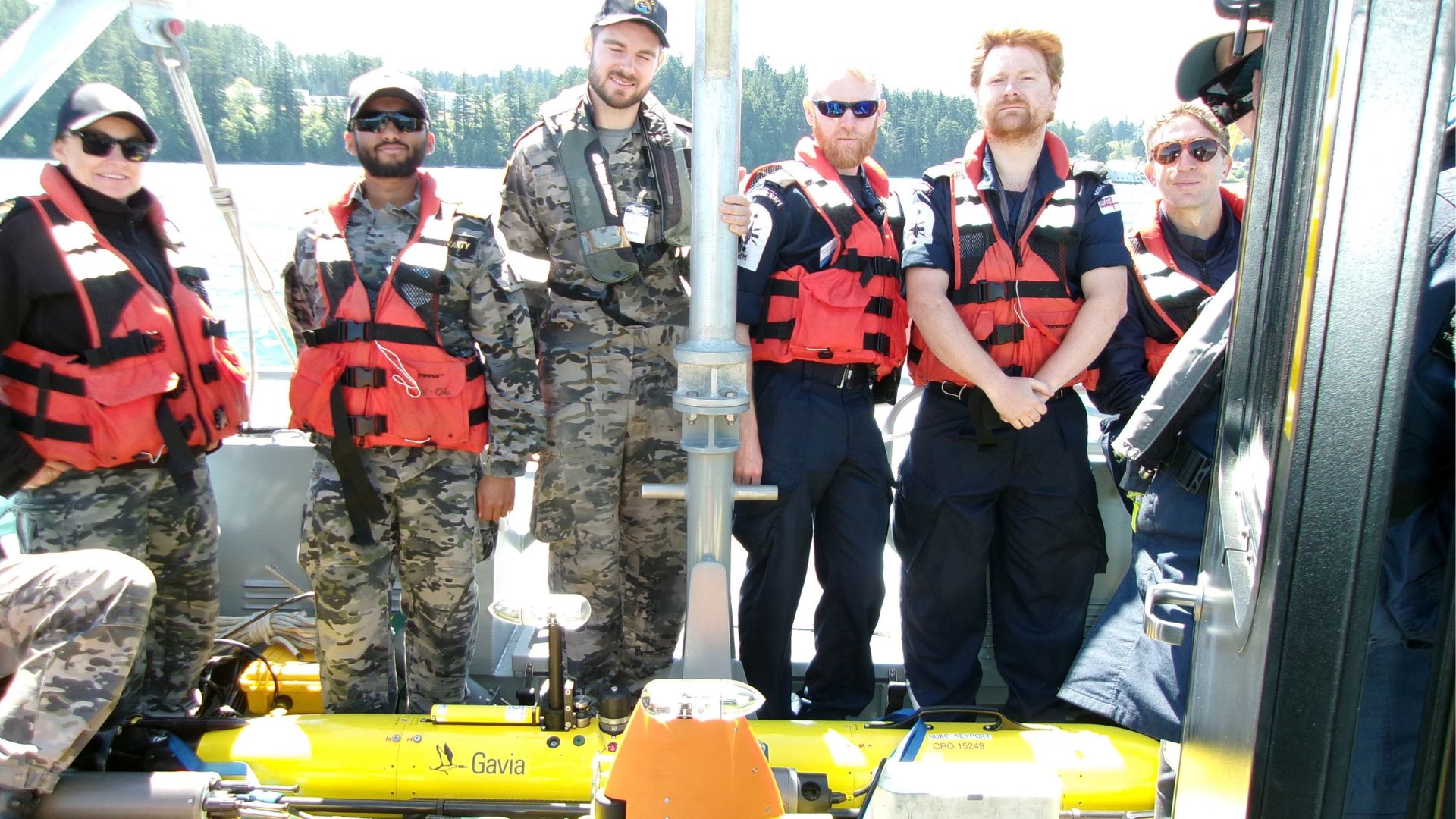
They were previously used to carry out surveillance of critical undersea infrastructure and to rehearse responses to potential hostile activity, operating as part of a wider 'ecosystem' of sensors and underwater vehicles to give better understanding of the ocean's depths.
The goal was to improve how the three nations detect, monitor, and respond to potential threats from below the surface, and allowed participants to share expertise.
Lieutenant Commander Mark Wilton, from HXG, said: "Our Seabed Warfare team worked extremely closely with our Aukus partners, demonstrating true integration through the seamless use of Royal Australian Navy equipment when required.
"We completed a number of Gavia missions on the exercise – acoustic calibration, night-time and independent, unaided. The team really delivered and their qualified and experienced personnel have grown exponentially".
Deep end of defence
The exercise comes amid growing concerns over threats to critical sea infrastructure posed by foreign state actors.
Underpinning most of everyday life, these assets and networks support essential services including energy, water and healthcare.
A successful attack could cripple entire nations without a single shot fired on land.
In April, then-defence secretary John Healey announced a month-long operation by the Royal Navy which tracked two Russian submarines seen loitering over critical infrastructure.
Interoperability in focus
The exercise was conducted under the Aukus Pillar 2 trilateral defence agreement, which concentrates on collaborative, accelerated deployment of advanced military capabilities by the three partner nations.
Ex Lanternfish not only took participants to the next level of operations and integration, but reflected the Senior Service’s transition towards a Hybrid Navy, where crewed and uncrewed platforms work in tandem.
"These events provide a fantastic opportunity to test our interoperability in a real-world setting and allow us to iterate our capabilities at pace," said Commodore Marcus Rose, Deputy Director Defence Underwater.
Plans for the next operational exercise, which will demonstrate allied and partner integration across maritime, air, cyber and pace domains is currently underway.
Related topics
Join Our Newsletter