Four vessels, 250 personnel, 30 days of Wildcat flights: What it takes to track Russian warship

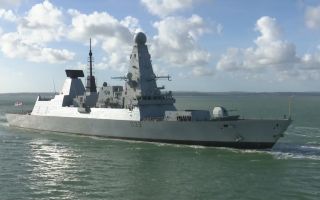
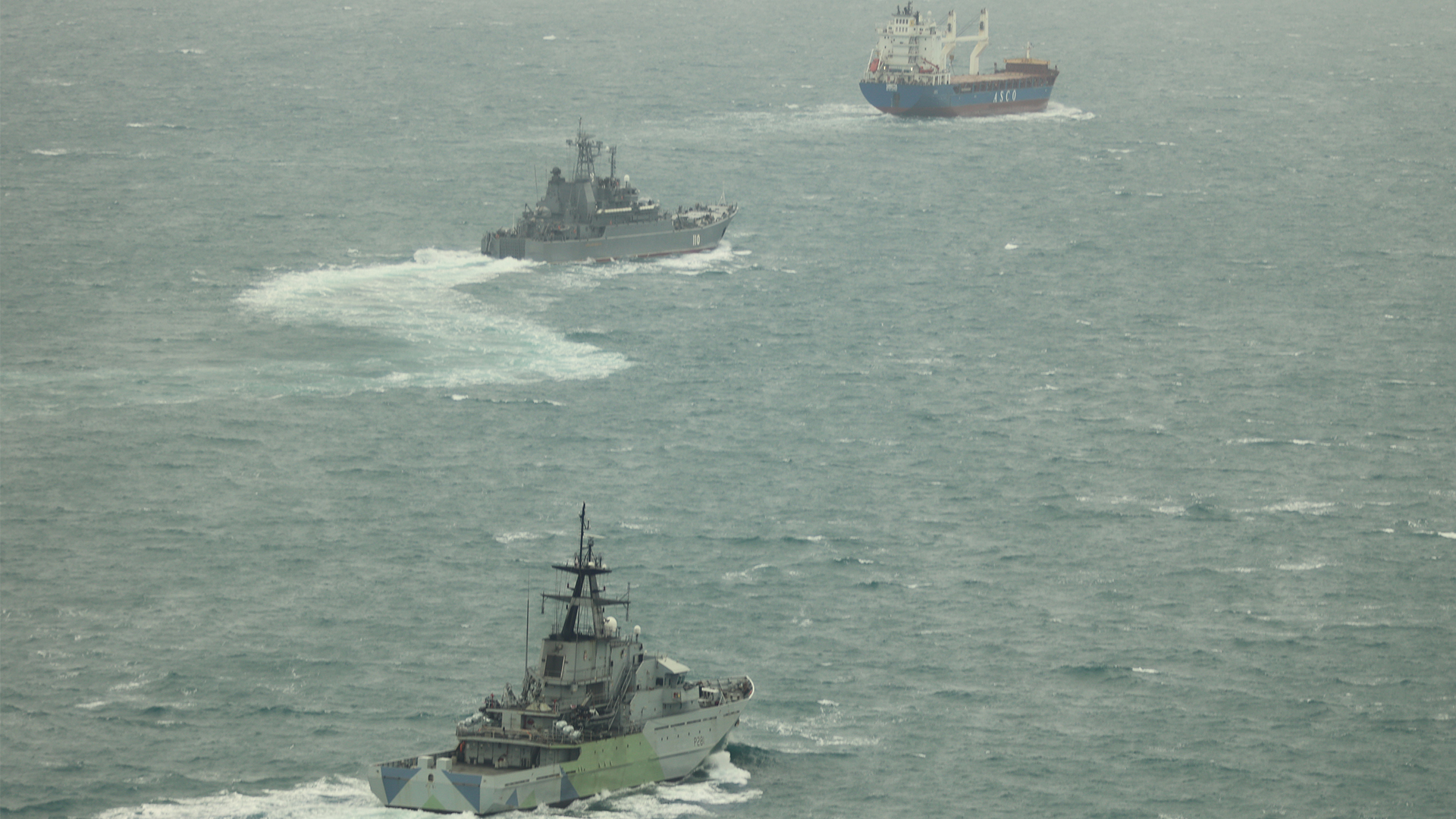
The Royal Navy staged a major operation involving three offshore patrol vessels, one RFA tanker, 250 personnel and Wildcat helicopters from 815 Naval Air Squadron during the month of April to track the Russian warship Admiral Grigorovich as she transited UK waters.
HMS Tyne, HMS Mersey and HMS Severn led the charge, with the Portsmouth-based Tyne spending more time shadowing than any other vessel, the Royal Navy has revealed.
At least one Wildcat helicopter was also airborne every single day in April, monitoring the Grigorovich, including multiple daily sorties over the Easter weekend.
Why was the Grigorovich in UK waters?
The Russian warship moved between the North Sea and Western Approaches over the course of the month, escorting multiple Russian-flagged vessels heading to and from the Atlantic, Mediterranean and Baltic.
She accompanied one submarine and around six merchant and support vessels as they passed near or through British waters.
The Kremlin ship also paused to take on fuel and supplies near key national infrastructure, including the Galloper wind farm off the Suffolk coast.
"As Russian warships continue to operate near our shores, our Armed Forces are there every day: watching, tracking and ready," Armed Forces Minister Al Carns said.
"This round-the-clock operation sends a clear message: UK waters are protected, our sailors and aircrew are alert, and we will always defend our nation and its vital infrastructure."
A sustainable ratio?
The scale of the Navy response, while impressive, could also appear unsustainable at a time when the UK's fleet is increasingly depleted.
The Navy has a total of eight OPVs, but HMS Medway, HMS Spey and HMS Tamar are deployed in the South Atlantic, Indo-Pacific and South Pacific respectively, while HMS Forth and Trent have recently returned from deployments.
This means a significant proportion of the UK's operational OPVs were involved in this one shadowing operation during the month of April.
However, the operation did bring some important benefits for the Navy in the form of intel on the Russian vessel's activities.
"Valuable intelligence collection has taken place alongside monitoring of Russian activity and is a demonstration of Royal Navy presence and resolve," Commander Douglas Keenan, 815's Commanding Officer, said.
Defence Secretary John Healey has also been vocal in his resolve to continue shadowing Russian vessels in a show of force against intimidation tactics.
Last month, Mr Healey told reporters in Downing Street that Russia's president Vladimir Putin would likely want the UK to be distracted by the US-Iran conflict, saying: "We will not take our eyes off Putin, whilst at the same time we act to protect our British interests and our British allies in the Middle East."
Additional reporting by Sophie Perryer.
Related topics
Join Our Newsletter