Japanese shipyards always working hard for their navy – and expert says UK could follow suit

Japan is easing restrictions on defence exports, taking a step away from decades of self-imposed pacifism after the Second World War.
The move means Japan can now sell lethal weapons to the 17 countries with which it has defence agreements, including the US and the UK.
And while many friendly nations could end up buying Japanese military hardware, one defence expert reckons the Royal Navy could benefit if the UK studies the way Japan builds its own warships.
The pipeline approach
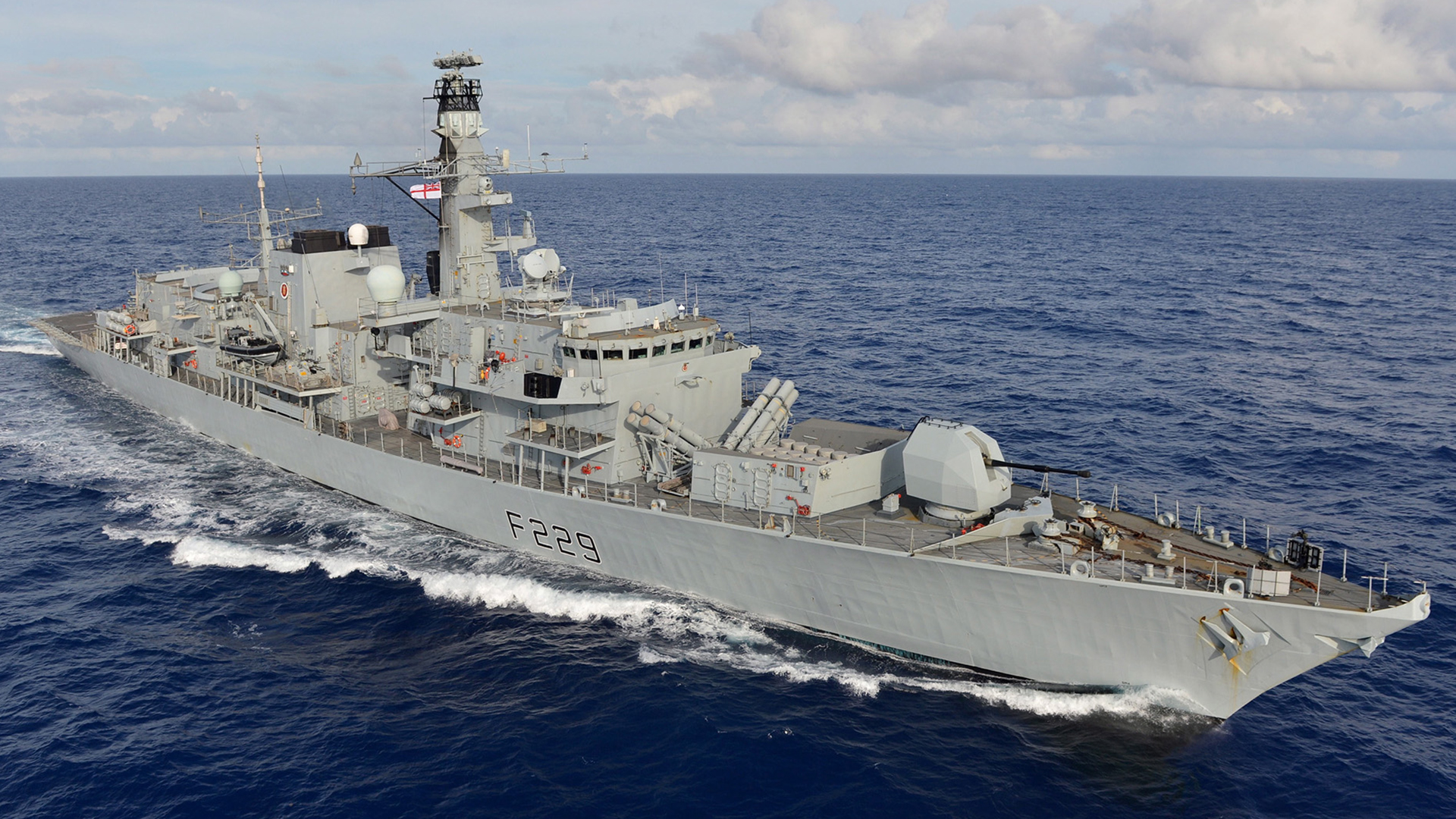
Alessio Patalano, professor of war and strategy in East Asia at King's College London, told the BFBS Forces News Sitrep podcast: "We have to think about the fact that Japan is a significant maritime player from a military point of view.
"It has a fleet of roughly 60 major surface combatants. More importantly, since the late 1960s it has had a so-called pipeline approach to shipbuilding.
"That means yards are always busy either building, repairing, or supporting the fleet.
"This is important because, right now, as Japan eases its restrictions on exports, you've got a country with a steady long-term approach to shipbuilding.
"It maintains constant investment in research and development, meaning ships evolve over time, with improvements across production batches.
"Japan also follows a rule where ships are typically decommissioned after about 25 years."
How the UK could benefit
Prof Patalano said the Japanese rule creates two opportunities, the first giving countries the chance to acquire decommissioned, but still capable ships.
Others on the other hand, like Australia and New Zealand, are interested in Japan's cutting-edge designs.
He explained: "For the UK, this matters because it raises questions about our own shipbuilding approach.
"Japan offers a model of consistency and long-term planning.
"The UK struggles to scale production quickly when needed, so working with partners like Japan could help expand capabilities.
"The same applies to aerospace and advanced technologies, including sixth-generation warfare systems. Japan's expertise in robotics could also be adapted for military use."
Tempest more than just a sixth-gen combat aircraft
Prof Patalano also pointed out how the political frameworks are already in place to support Japanese cooperation with the UK.
"Since 2012, UK-Japan defence ties have steadily expanded, with structured agreements and initiatives like the Hiroshima Accords," he said.
"These frameworks support collaboration across multiple areas, including intelligence and advanced technology.
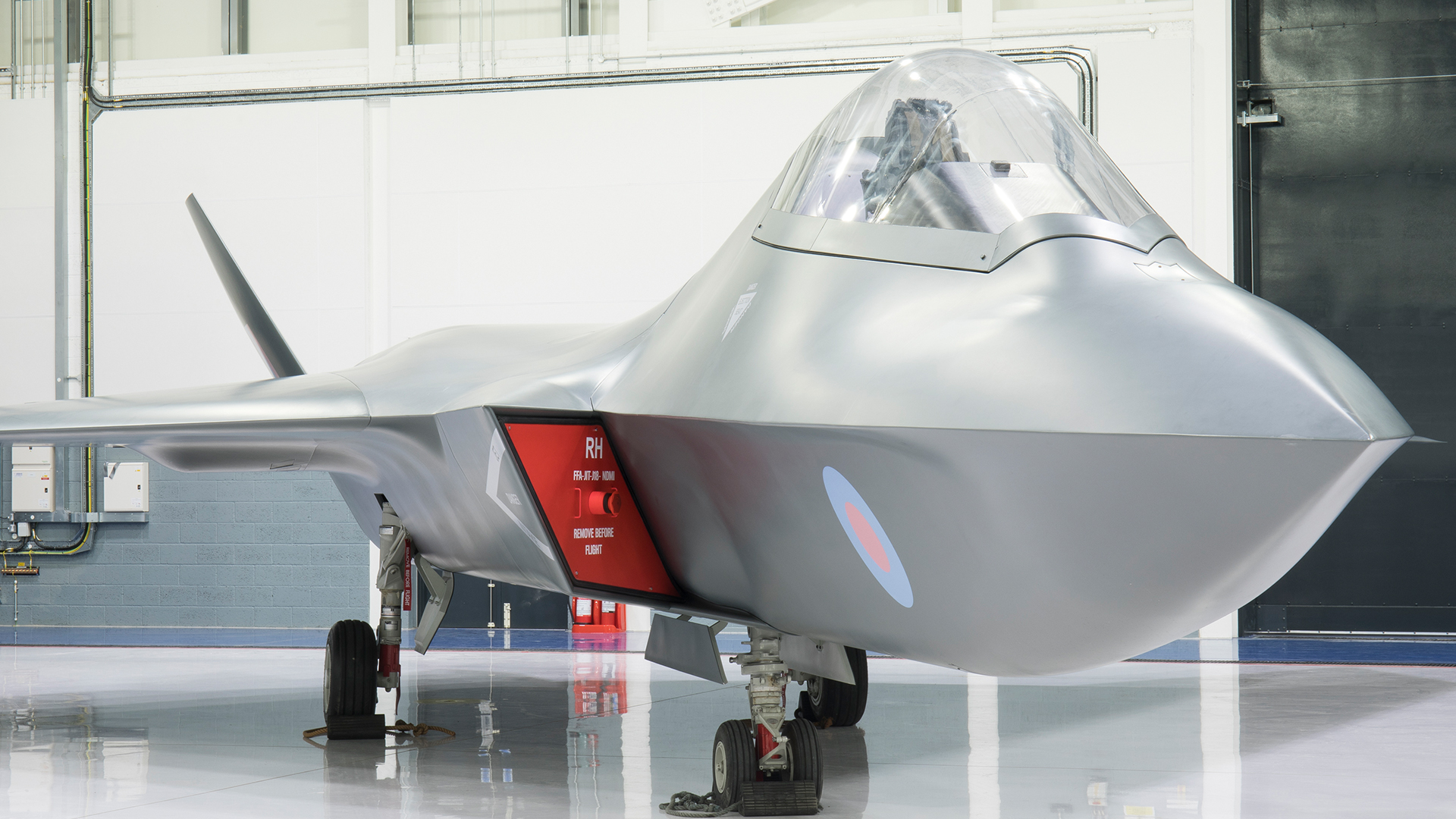
"One key example is the Global Combat Air Programme [producing the Tempest] a joint effort on sixth-generation fighter technology.
"This isn't just about aircraft – it includes sensors, automation and broader technological innovation."
A long history of UK-Japanese relations
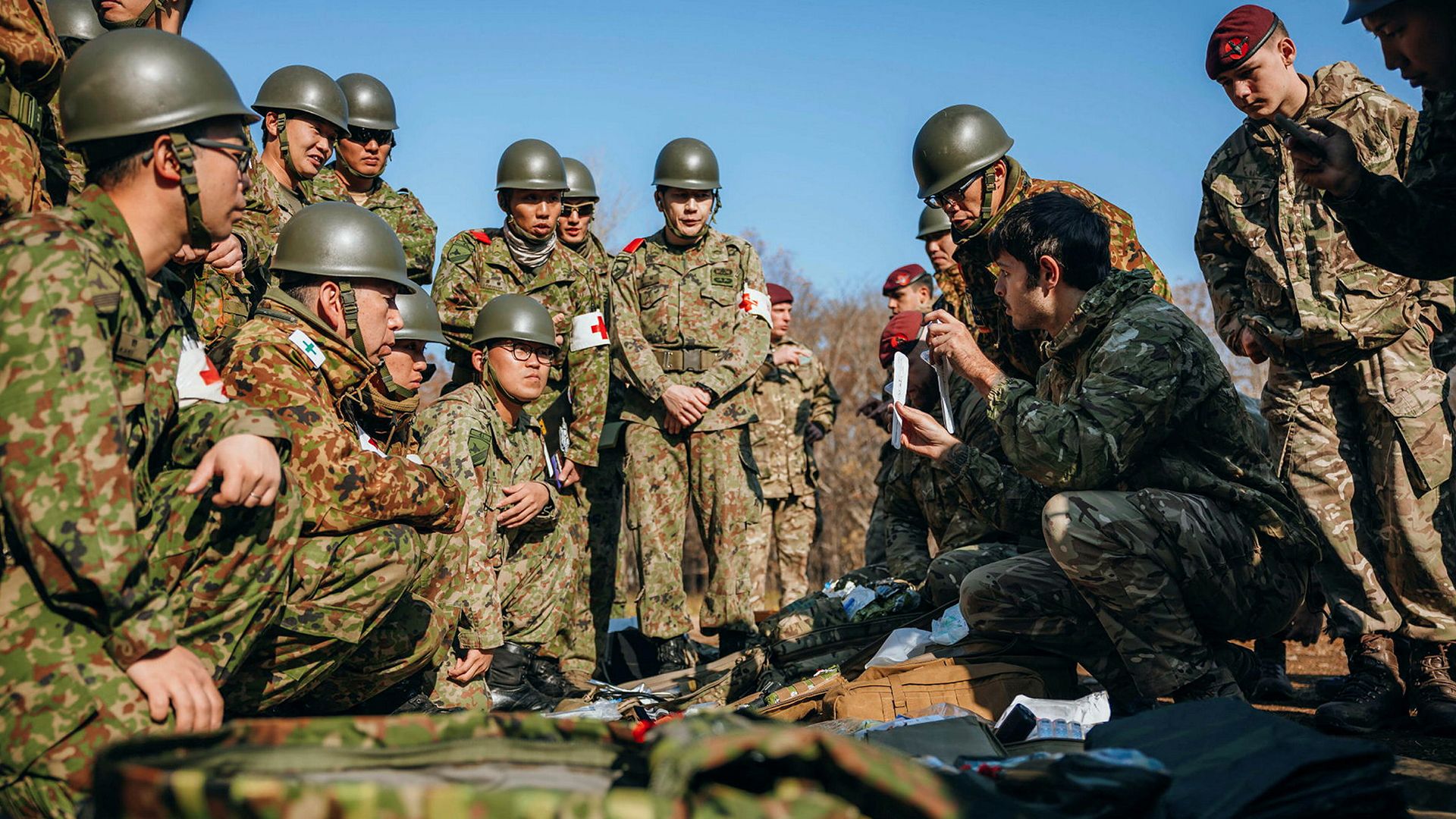
Professor Michael Clarke, the co-host of Sitrep, explained how potentially important the Japanese defence market was for Britain, noting the similarities between the two nations.
"People forget how close Britain and Japan naturally are," he said. "We think about the Second World War experiences, but Japan fought with the Allies in the First World War, cooperated in the Mediterranean in the 1920s.
"Interestingly, the big war that brought Japan onto the world stage was the Russo-Japanese War of 1904-1905. The Japanese flagship at the Battle of Tsushima, which settled that war, was the Mikasa, and the Mikasa was built in Barrow-in-Furness.
"There's a long history of genuine cooperation between Japan and the United Kingdom, broken by the imperialist experience from the early 1930s to 1945. But this, in a sense, restores a historic relationship.
"Japan and Britain are very similar – large islands at the edge of a continent, both with big neighbours to think about, both with a maritime destiny and both with an imperial tradition to get over.
"There's a lot in common between Britain and Japan, so from our point of view this is nothing but a good move."
Join Our Newsletter