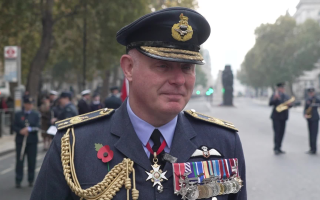
Royal Navy becoming hybrid as 1st Autonomous Squadron is welcomed into its ranks
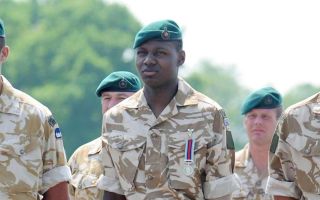
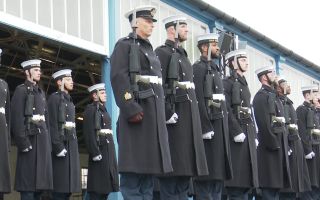
Everything about the commissioning ceremony to welcome 1st Autonomous Squadron into the Royal Navy was traditional.
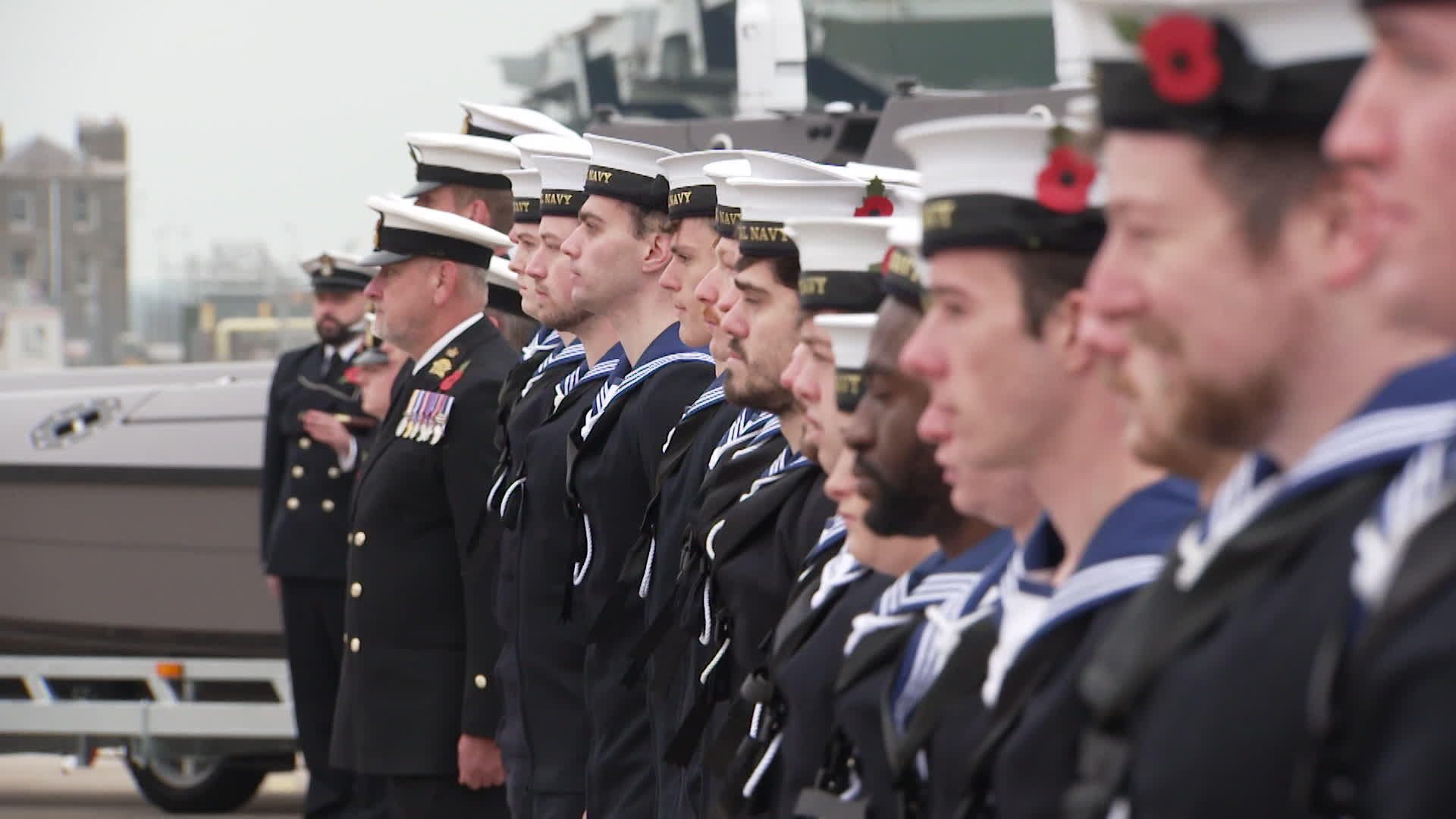
The Royal Marines Band played. The padre said prayers. The sailors were inspected. The commissioning cake was cut.
A traditional welcome for a squadron so radical its like has never before been seen.
Drones in harm's way, not sailors
1st Autonomous Squadron has been established to operate uncrewed boats on frontline operations. It's not been tasked to experiment with technology – it's been told to get on and use it.
Around 200 dignitaries and guests looked on, alongside invited reporters like me.
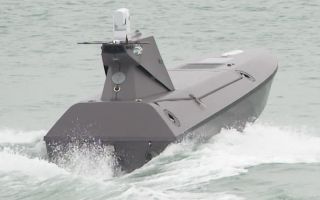
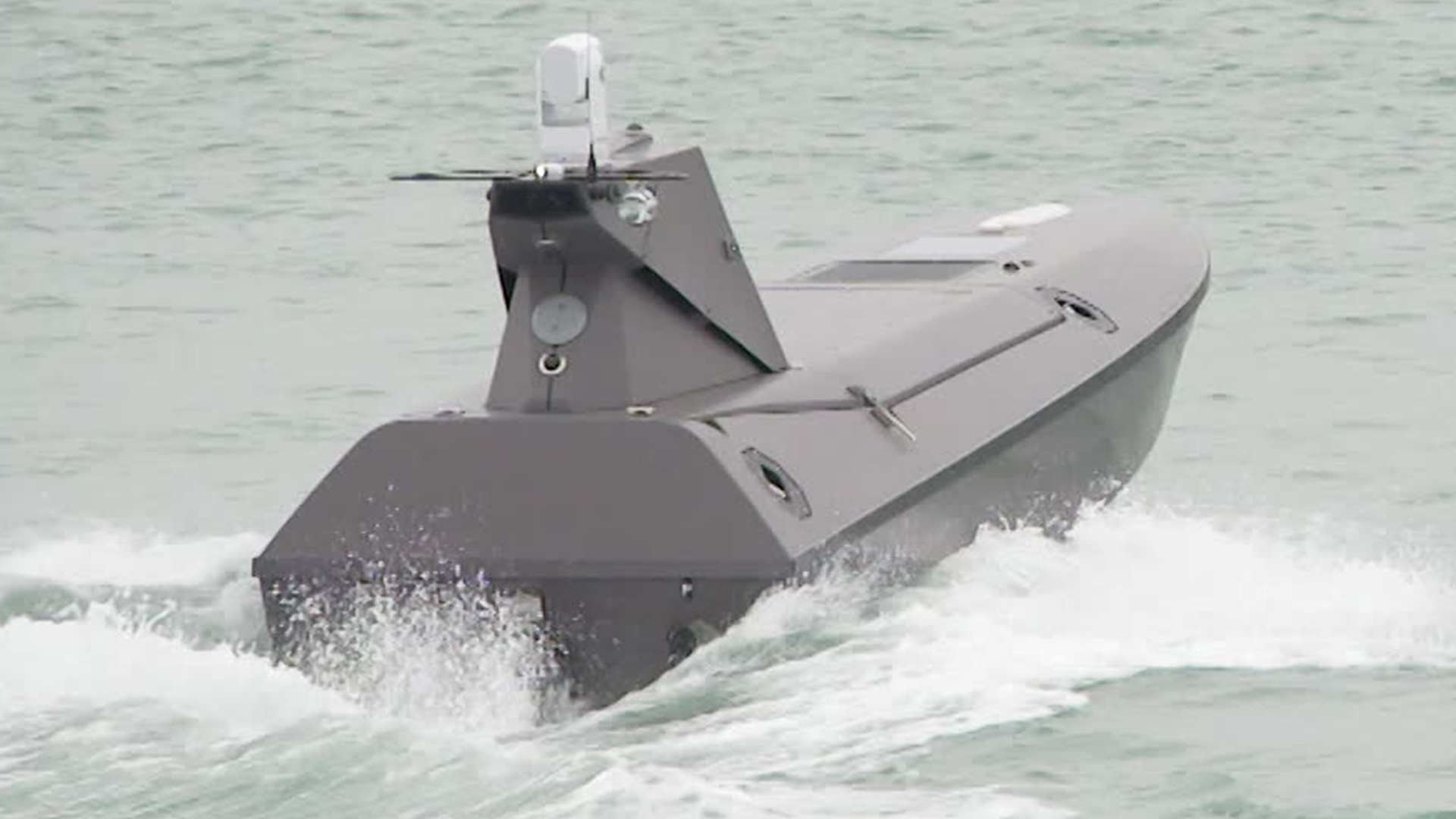
We were treated to a demonstration of the Kraken K3 Scout. It's the main uncrewed vessel the squadron will operate.
K3 Scouts are 8.5 metres long, weigh 2.5 tonnes and have a top speed of 55 knots. They can range 650 miles right now, but this can be upped to 1,100 miles if needed.
The crucial thing is their modularity. They can carry a payload of up to 400kg. This could be for radar use, or strike purposes. They might carry jamming gear for electronic warfare. In short, pick your product of choice and chuck it in.
In Portsmouth Harbour, the demonstration was a touch pedestrian. But it doesn't take much imagination to see multiple units zipping across the waves delivering the desired effect.
Lieutenant Reece McCarthy, Operations Officer of 1st Autonomous Squadron expanded on this theme.
"It gives us the advantage now with these craft, speeds of up to 55 knots, operating groups of four at reach, 650 nautical miles range that these things have got and up to 30 days endurance at sea," he said.
"It gives us that opportunity to work at pace with manned warships, potentially taking the risk away from them and putting these in harm's way."
Different role, same mission
Throughout the commissioning event, the Royal Navy was at pains to stress that the use of uncrewed vehicles doesn't mean disposing of sailors.
Indeed, these vessels are designed to work with existing and future crewed ships and airframes.
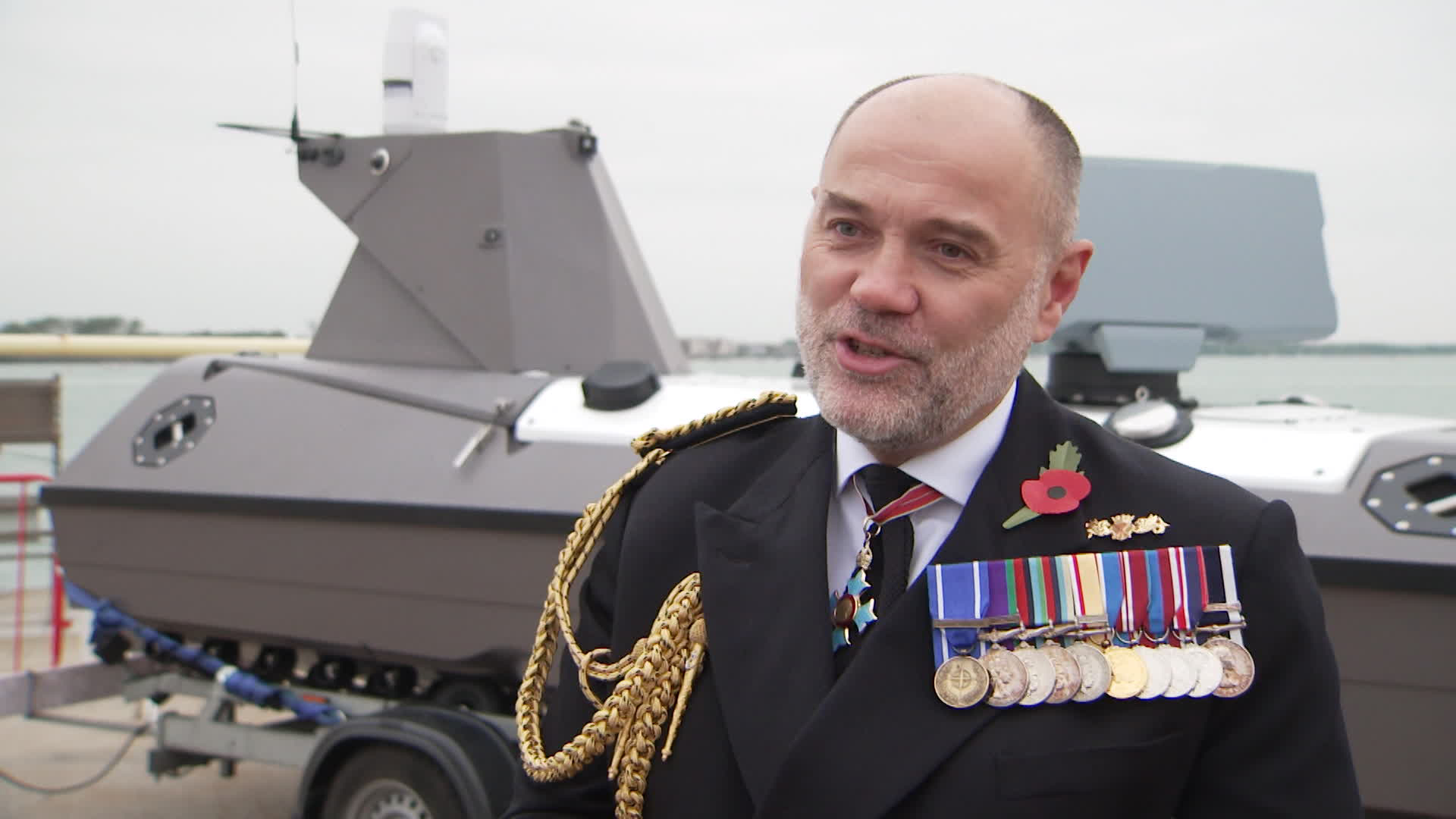
"Some people think 'oh, this is a clever way of saving money or saving people'," Vice Admiral Steve Moorhouse, Fleet Commander, told me.
"I think I'm going to need more people and more money. Because I keep saying it's not an 'or', this is an 'and'.
"So with a backbone of crewed platforms, you saw the young men and women today, they'll be operating them. Yes, we'll embrace autonomy, but we're going to need maintainers. We're going to need systems engineers. We'll need operators.
"So the role of the Navy will evolve. The missions remain the same."
Capability accelerated
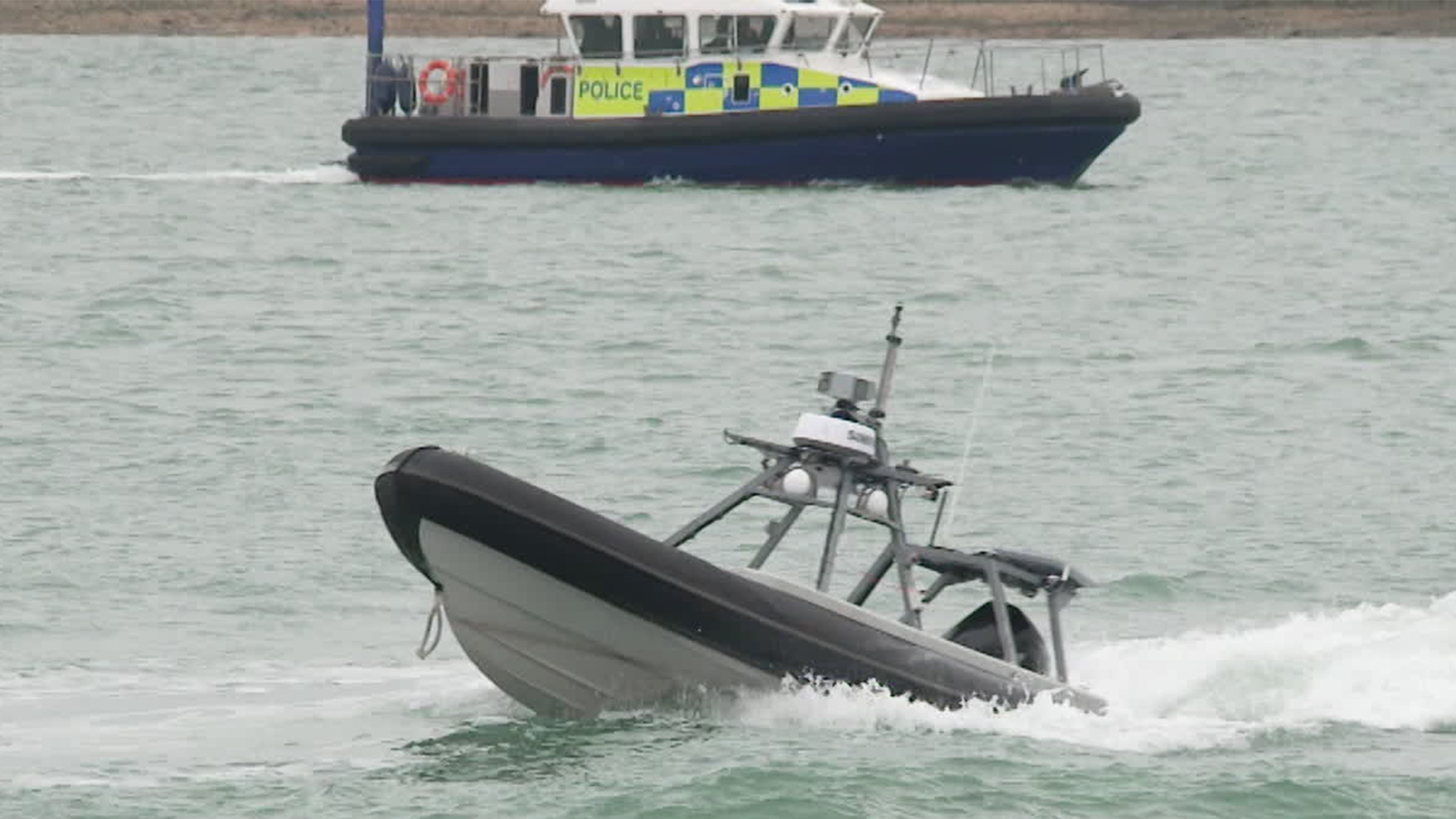
1st Autonomous Squadron will also operate the Rattler uncrewed vehicle. It looks like a normal Rigid Inflatable Boat, minus the driver. It will be used for training.
Elsewhere in Portsmouth Naval base stands another new development – the Capability Accelerator.
It's designed to get off-the-shelf kit from industry and quickly adapt it for military use. In short, it cuts down the often-torturous procurement process we've seen for years by utilising what's available rather than building from scratch.
Capability Accelerator team leader Commander James Wagstaffe said: "The way we develop and deliver capability must evolve if we are to stay ahead of an increasingly complex and fast-changing threat environment.
"The Capability Accelerator has been established to help the National Armaments Group get new technologies into the hands of our sailors faster, reducing the time between identifying an operational need and delivering a capability that makes a real difference."
Operational, not experimental
Both the Rattler and Kraken have been shown to us before. If I remember rightly, it was pretty much 12 months ago exactly that I saw them trundle around another part of Portsmouth Harbour.
So is this just old tech being trotted out for us to see again? In part, yes. However, it's the intent and reality behind it that is new and quite exciting.
1st Autonomous Squadron is here and ready to go. It's not an experiment – it's a fully functioning squadron with the mission of using this equipment.
It moves the Senior Service away from Project Beehive, the Navy's initial programme to procure a fleet of autonomous and crewless boats, into an operational phase.
The theoretical has become the reality and that is why it's an exciting step forward.
Is it enough? No. But it is a big way marker in the journey to a truly hybrid navy.
Related topics
Join Our Newsletter