Royal Navy building integrated system to keep comms flowing when traffic's jammed
The Royal Navy is building what is effectively a floating military network, to ensure ships, drones and autonomous vessels stay connected even when traditional communications have been jammed by enemy forces.
The system, known as a mesh network, is a straightforward solution to a problem which will become more important to a Navy increasingly reliant on technology to fulfil many of its roles.
Unlike the traditional method of utilising one command ship, satellite connection or headquarters to pass information around the battlefield, every platform in the mesh network functions as both a receiver and a transmitter.
- Combat curves: Could British servicewomen soon be wearing dedicated body armour?
- HMS Prince of Wales stops in Scotland for ammo loading ahead of Arctic deployment
- Type 26 frigate build slots given to Norway, but ex-Royal Navy officer calls it a win for everyone
This means that every drone, vessel or aircraft forms part of the communications chain, so if one link is destroyed, jammed, or loses signal, the system simply reroutes through another platform.
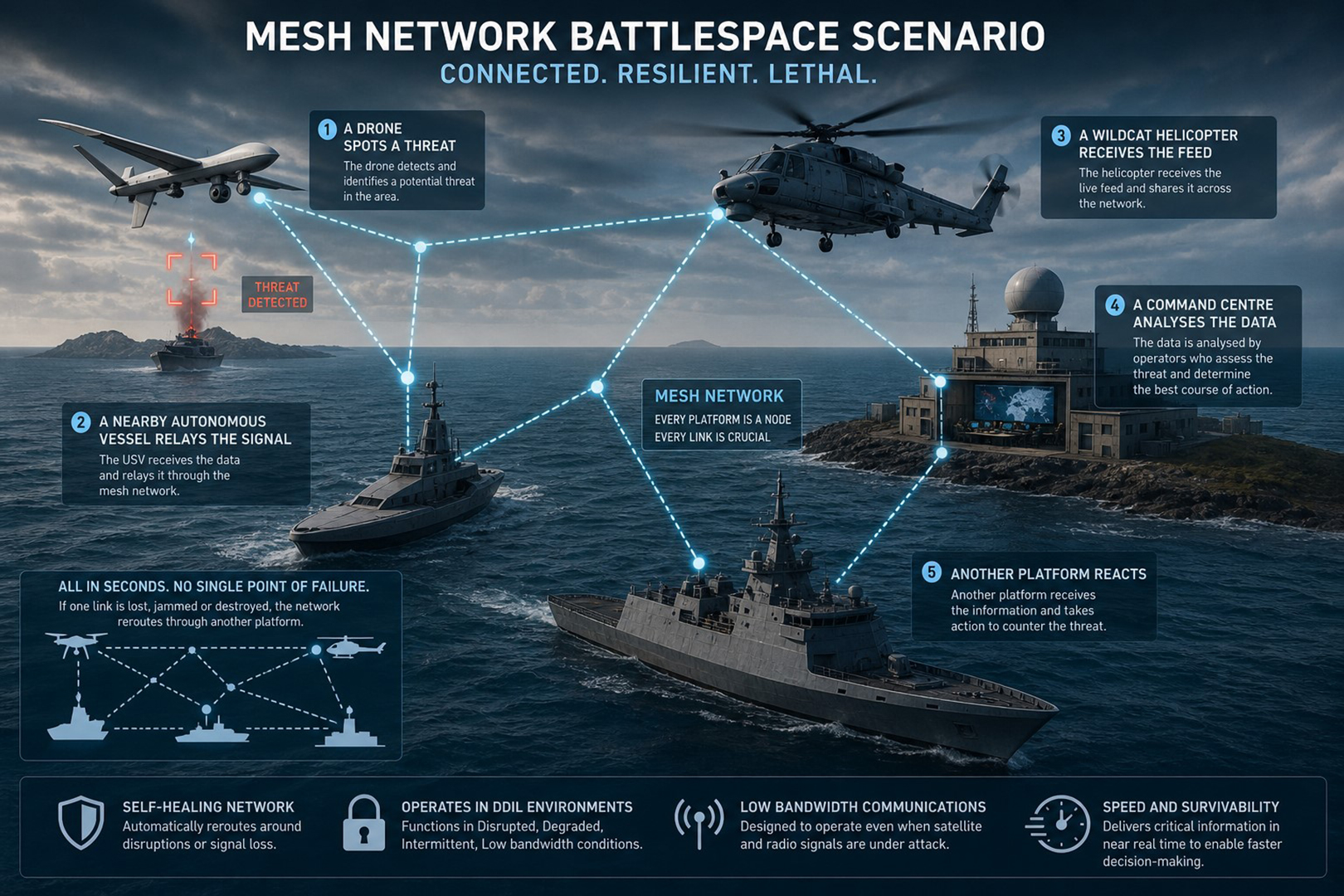
The Royal Navy describes it as a "self-healing" network, able to operate in degraded or denied environments, places where GPS, satellite communications and radio signals are under attack.
It calls these sorts of environments "disrupted, degraded, intermittent, low bandwidth", which is known in military shorthand as DDIL.
This means that even if satellite communications fail, the network can continue passing information between platforms.
The technology behind it appears to combine software-defined radios (SDR), cloud-based data systems and distributed tactical networks, effectively creating a decentralised combat architecture at sea – although for now this technology remains experimental.
What makes the mesh network so crucial is speed and survivability. Traditionally, battlespace information might travel from a drone to a satellite, then to headquarters, before finally reaching a ship.
A mesh network cuts out much of that process – instead, critical information moves directly between connected platforms in near real time.
In a typical battlespace scenario using the new system:
:: A drone spots a threat
:: A nearby autonomous vessel relays the signal
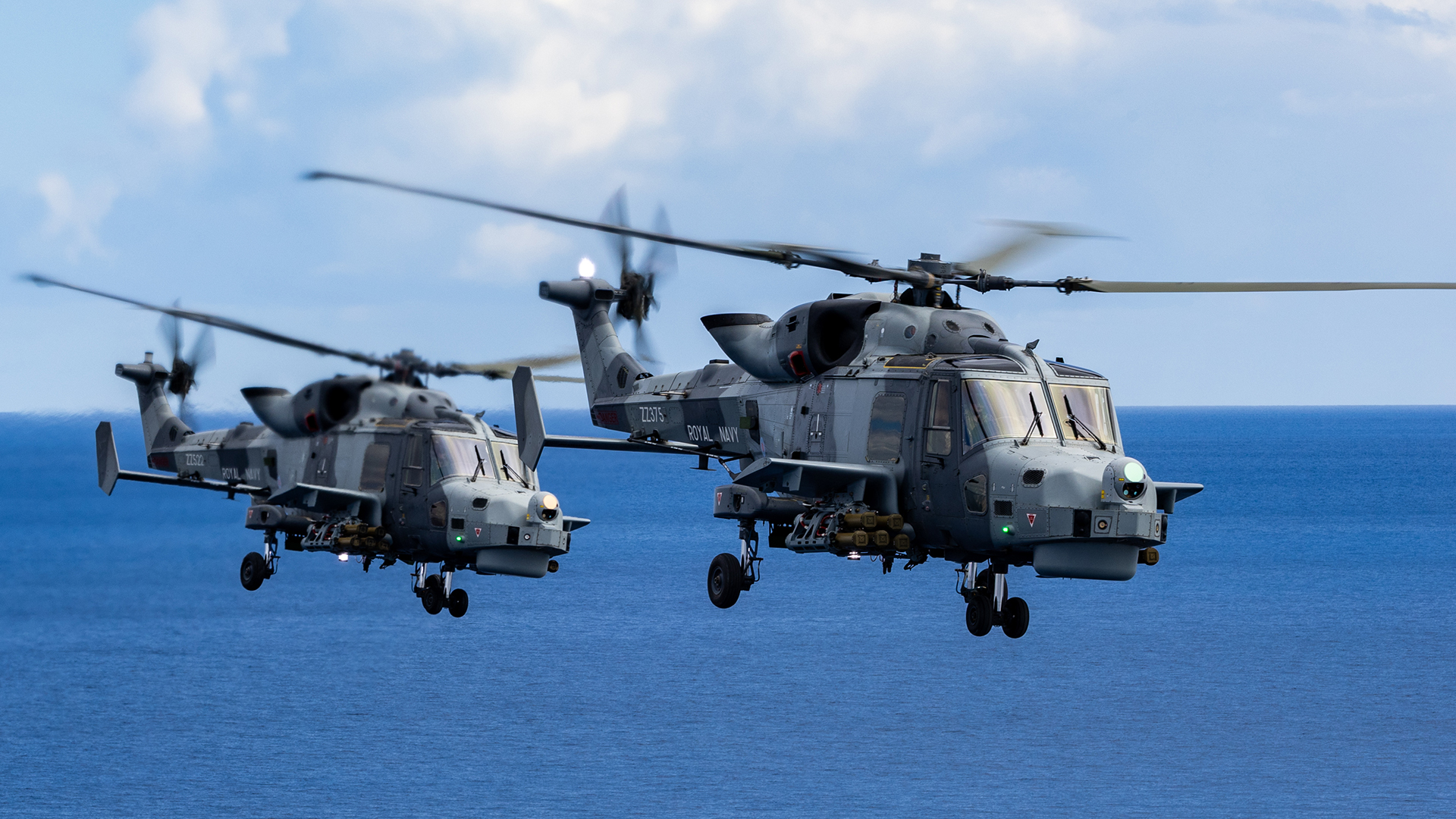
:: A Wildcat helicopter receives the feed
:: A command centre analyses the data
:: Another platform reacts
This all happens within seconds, and crucially, without relying on a single vulnerable hub.
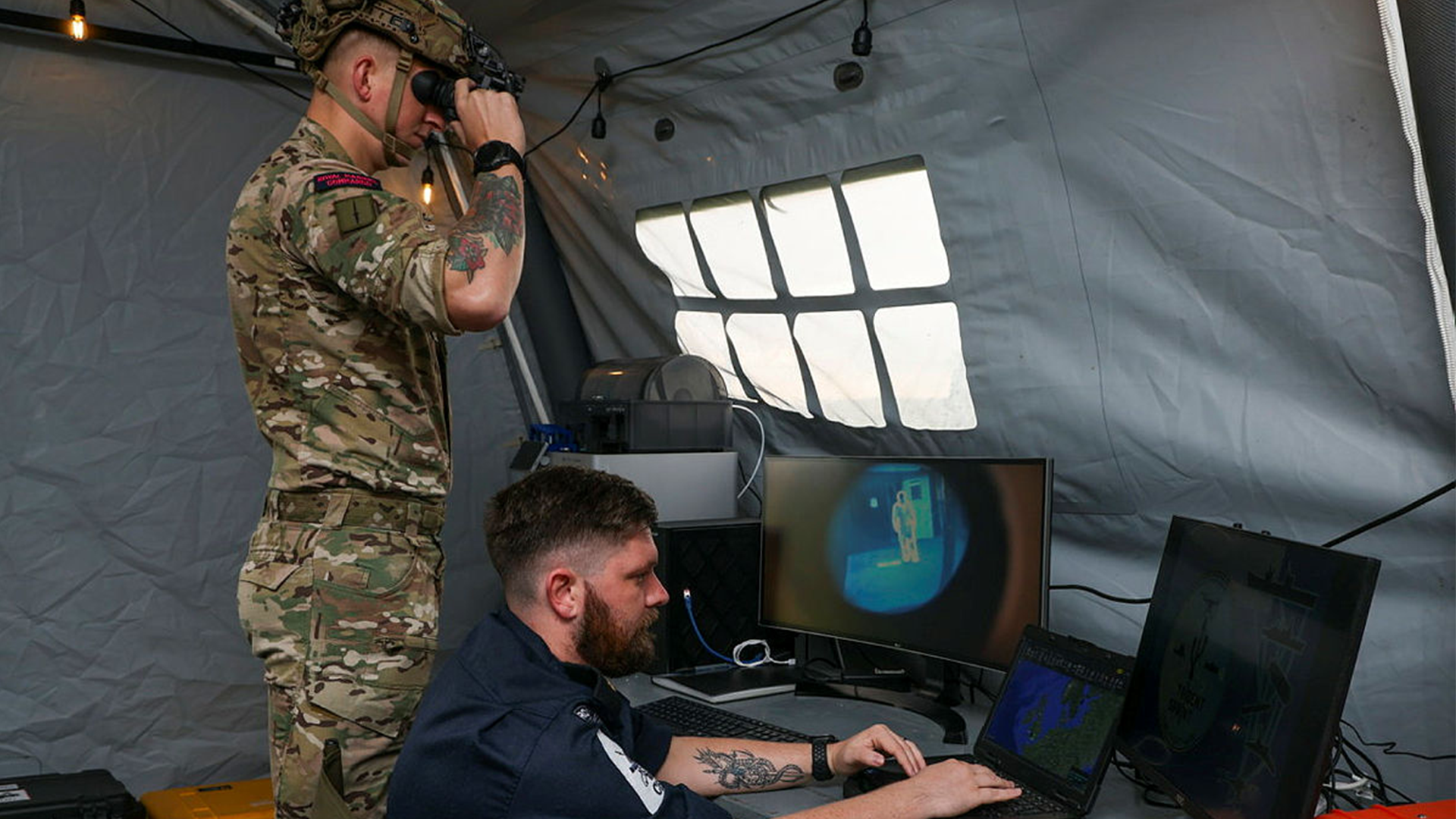
During Trident Sprint, a two-week exercise held at HMNB Portsmouth, Kraken vessels and drones were fed information enabling them to carry out simulated missions from surveillance and reconnaissance to launching payloads and gathering intelligence.
To create the mesh network, the Royal Navy linked together autonomous surface vessels, Puma drones, Wildcat helicopters and shore-based headquarters using resilient low-bandwidth communications and alternative positioning systems.
At the centre of the trials were Kraken K3 Scout uncrewed surface vessels, part of the wider Project Beehive programme announced earlier this year.
The Navy recently ordered 20 autonomous vessels from Kraken Technology Group as part of its push toward what senior officers are calling a "hybrid navy".
The idea is to combine traditional warships with autonomous systems operating across the surface, air and underwater battlespace.
In addition to uncrewed surface vessels and aerial systems, Trident Sprint evaluated a broad suite of digital capabilities, including communications networks, artificial intelligence-enabled tools and data architectures, to assess interoperability and integration across platforms.
A central objective of the exercise was to deepen collaboration between the Royal Navy and industry partners, enabling faster development, testing and fielding of capabilities than is typically achieved through conventional procurement processes.
Fleet Commander Vice Admiral Steve Moorhouse commented: "Trident Sprint demonstrated how the Royal Navy is working differently to embrace technology and stay ahead of a constantly evolving threat picture."
Rather than concentrating capability in a handful of frigates or destroyers, the future fleet may instead consist of dozens of connected autonomous systems sharing information constantly across the battlespace.
Related topics
Join Our Newsletter